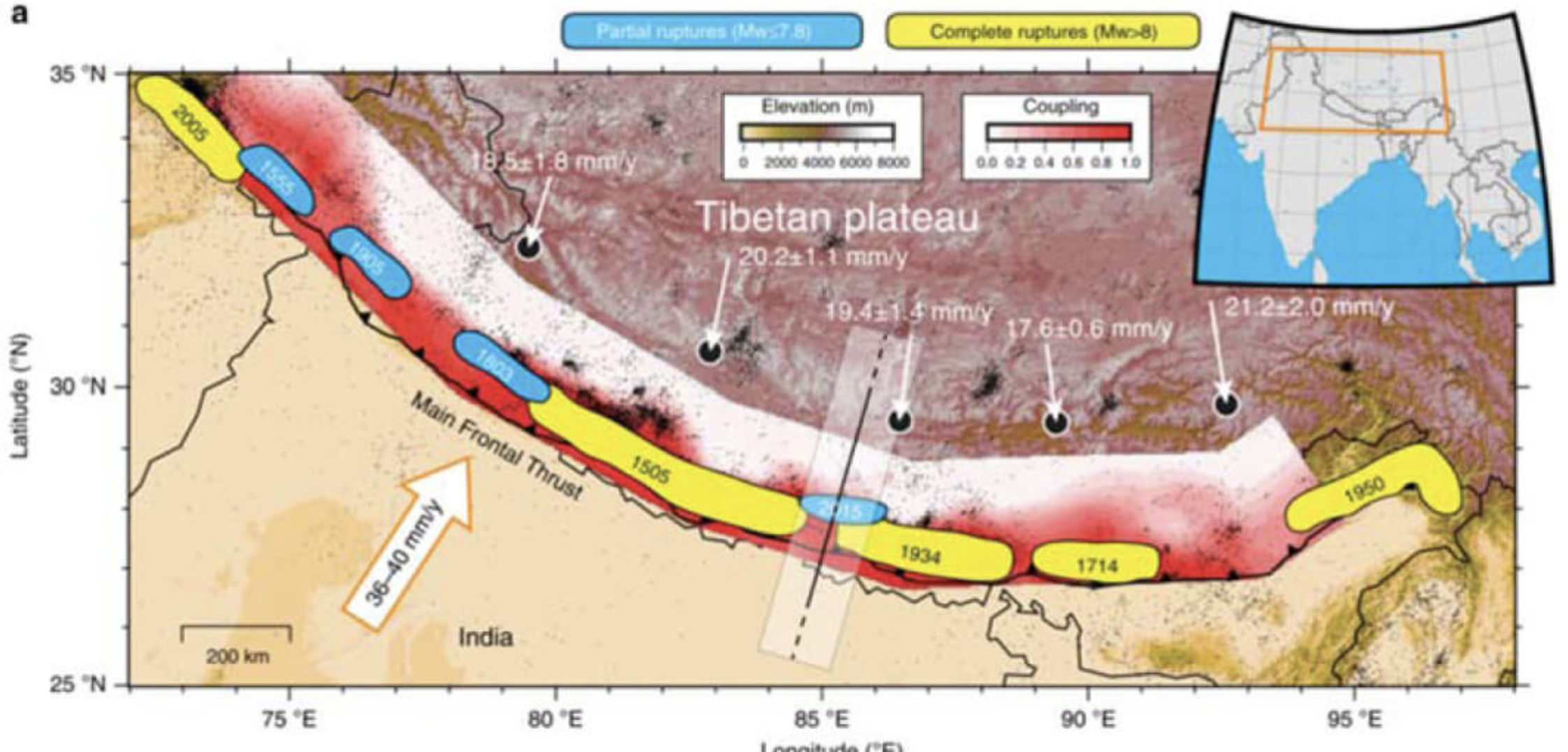
Himalayan seismologists have been warning that a mega earthquake is long overdue in western Nepal because there has not been a big one to release the tectonic tension there for over 600 years.
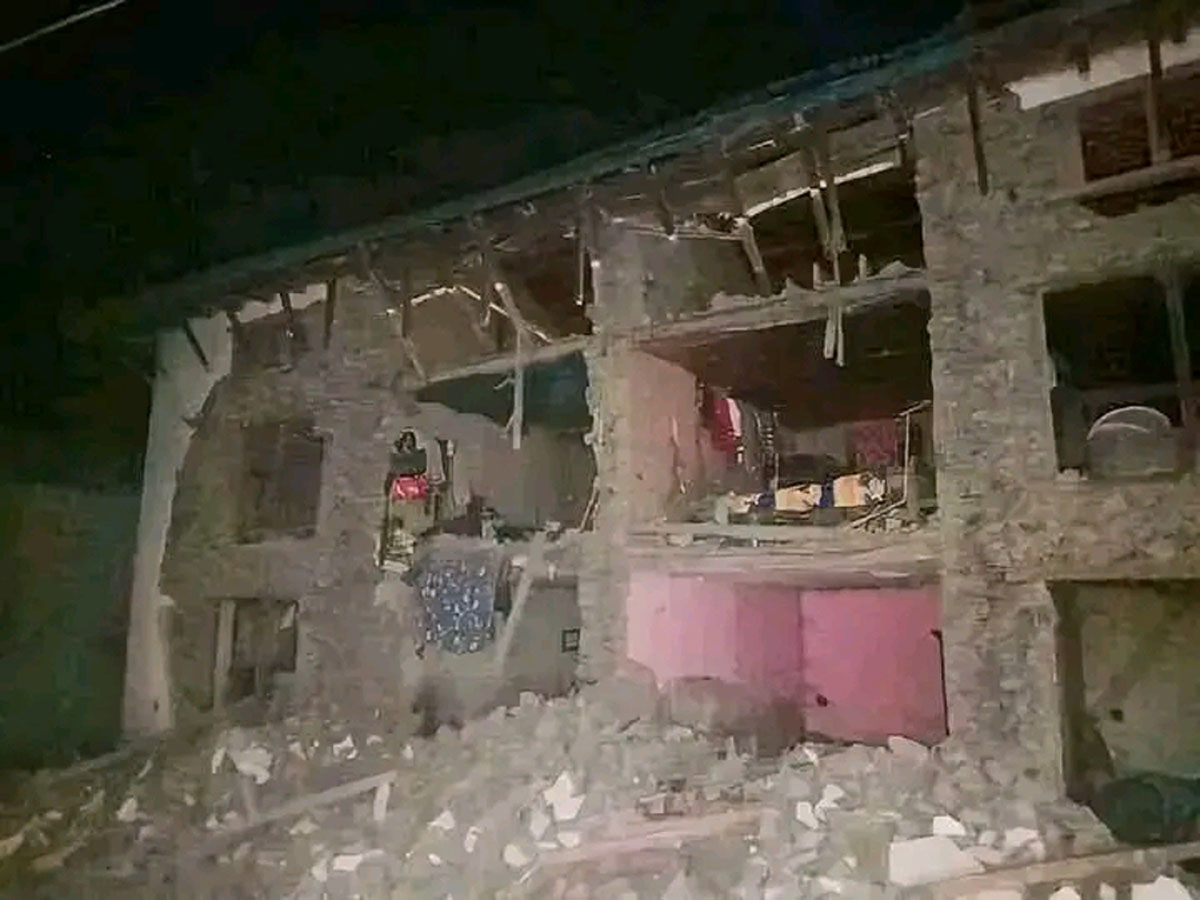
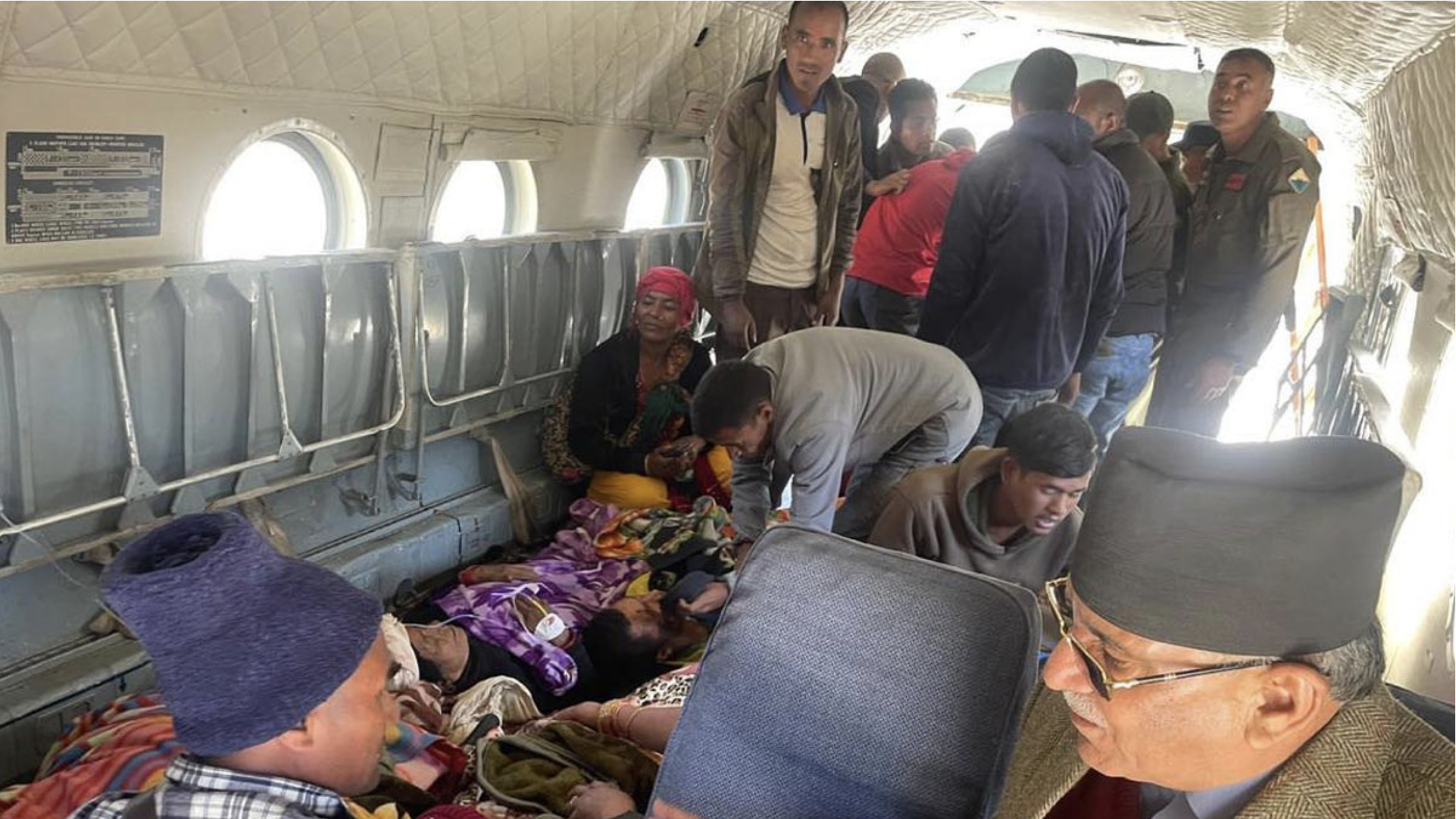
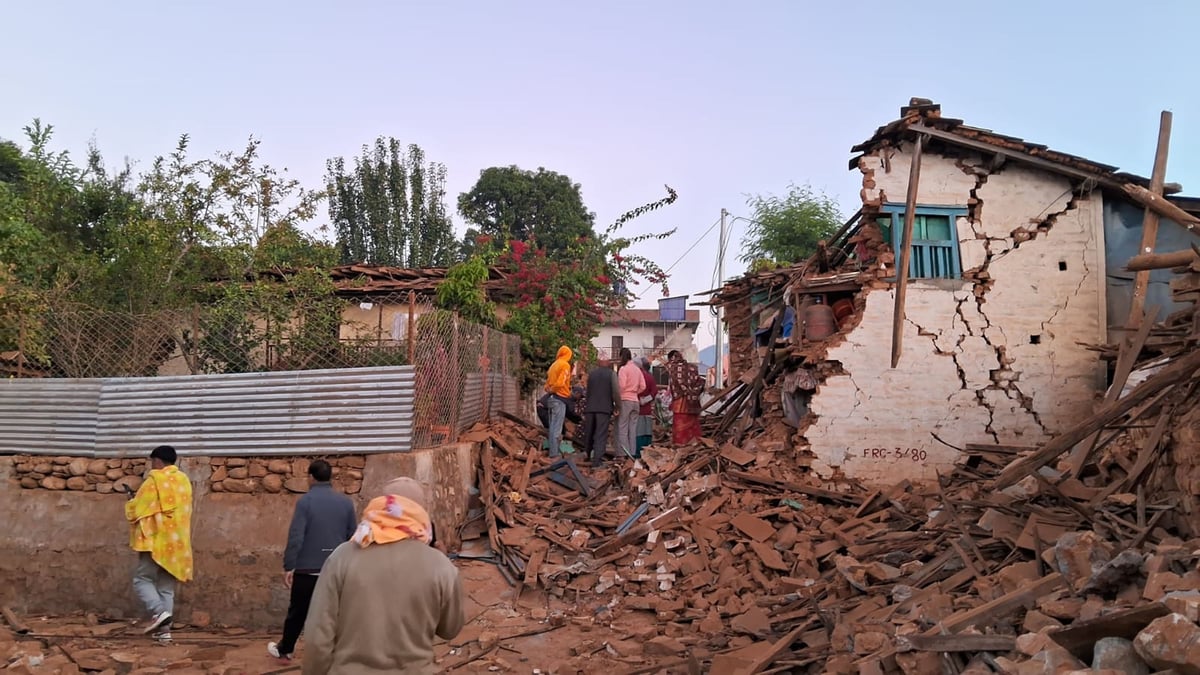
The estimated 6 magnitude earthquake just before midnight on Friday with an epicentre in Jajarkot was exactly in this region, but not the 8+ magnitude that had been predicted. The official death toll in the remote villages of Karnali Province is now 125 with hundreds injured, but these figures are expected to rise.
Friday night’s earthquake rattled Kathmandu and New Delhi, both 500km away and shook the densely populated plains of northern India as well as the Tibetan Plateau. There has been an increase in seismic activity in the region: there was a double jolt of 5.3 and 6.3 magnitude epicentred in Bajhang district in far-western Nepal on 3 October that killed one person.
The fact that the Jajarkot quake struck in the seismic gap in western Nepal may mean that some of the tension that has been building up beneath may have been released, but it could also be a precursor quake to a bigger one.
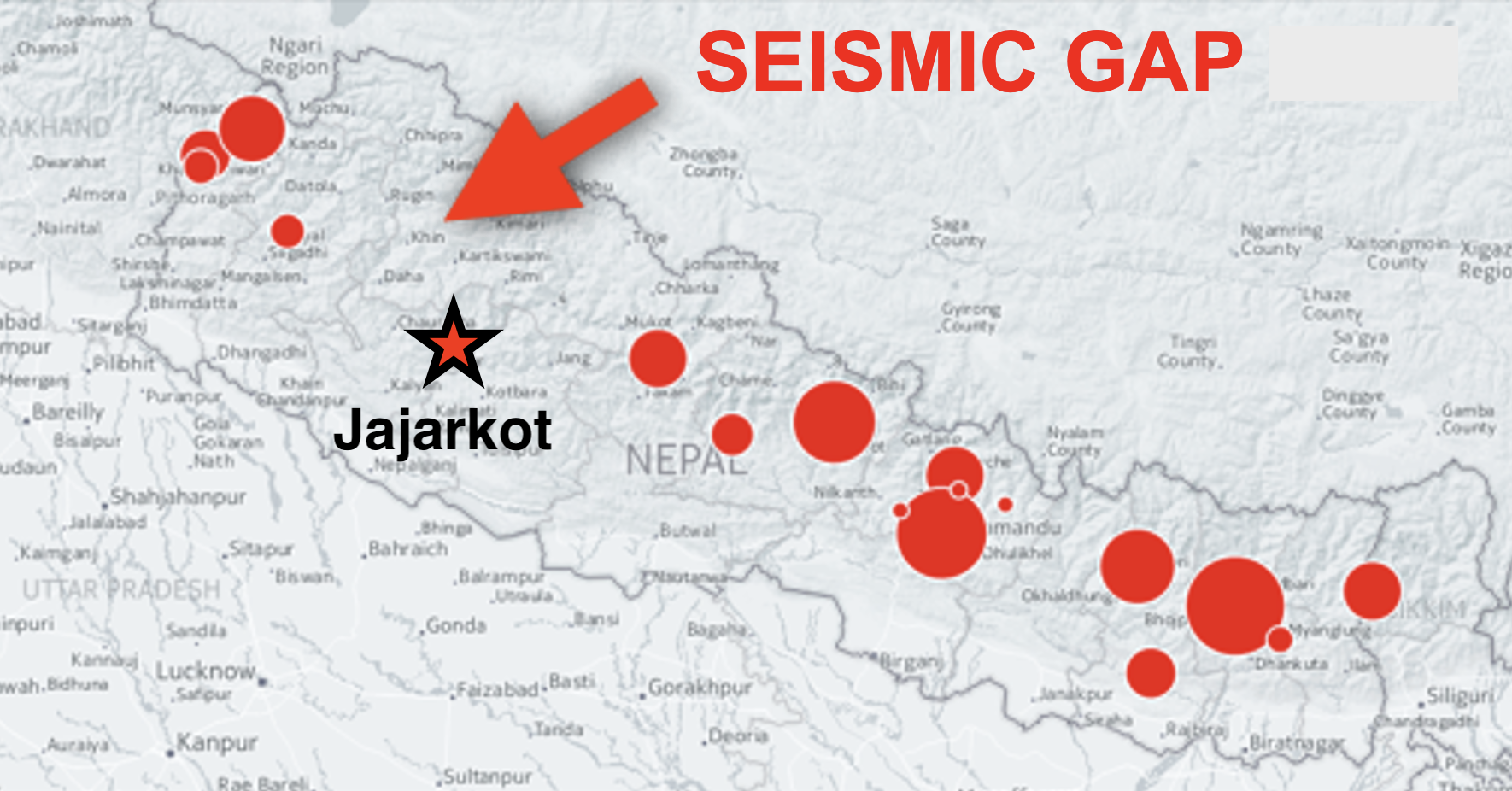
The Indian Plate is converging towards the Eurasian Plate at an average rate of 25mm a year, which is what makes Nepal and the region an active seismic zone. The energy is released in periodic earthquakes, but there is a large seismic gap in western Nepal which has not suffered a mega quake since the 16th century. This means the accumulated tectonic energy needs to be released.
Seismologists say Friday’s earthquake may not have been strong enough to release all that built-up tectonic pressure. There have been predictions that an 8 magnitude earthquake could see horizontal surface displacement of more than 6 metres along the mountains.
“The 2015 was not a mega earthquake, that one is still coming,” warned Surya Narayan Shrestha of the National Society for Earthquake Technology (NSET) in an interview with Nepali Times on Nepal’s Earthquake Safety Day on 15 January this year.
Written records in monasteries in western Tibet chronicle a big earthquake at 6AM on 1 June 1505, and that could have been the last big one that shook western Nepal. Estimated at 8.9, there are also historical records in Moghul India of destruction in Agra and other cities at the time.