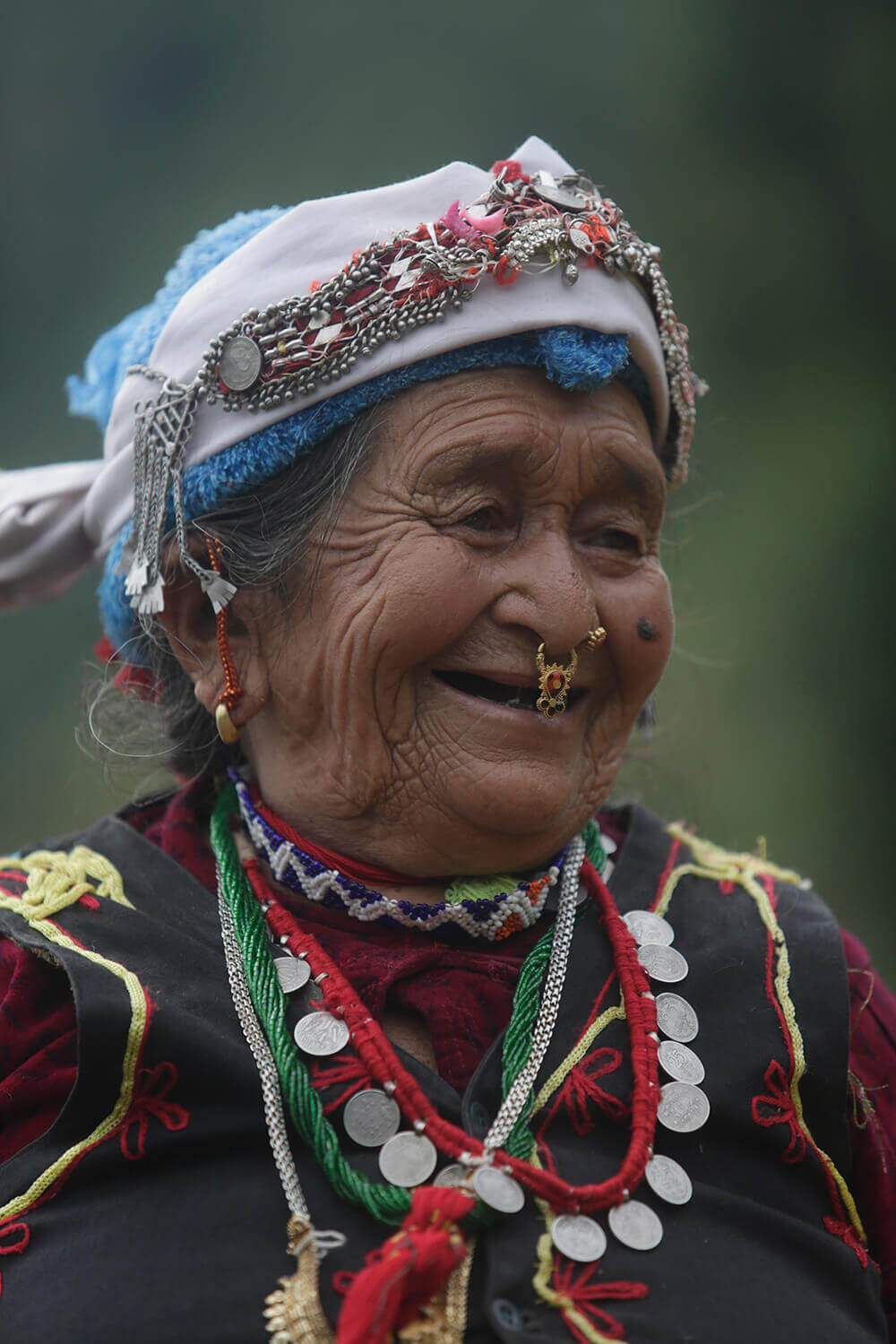
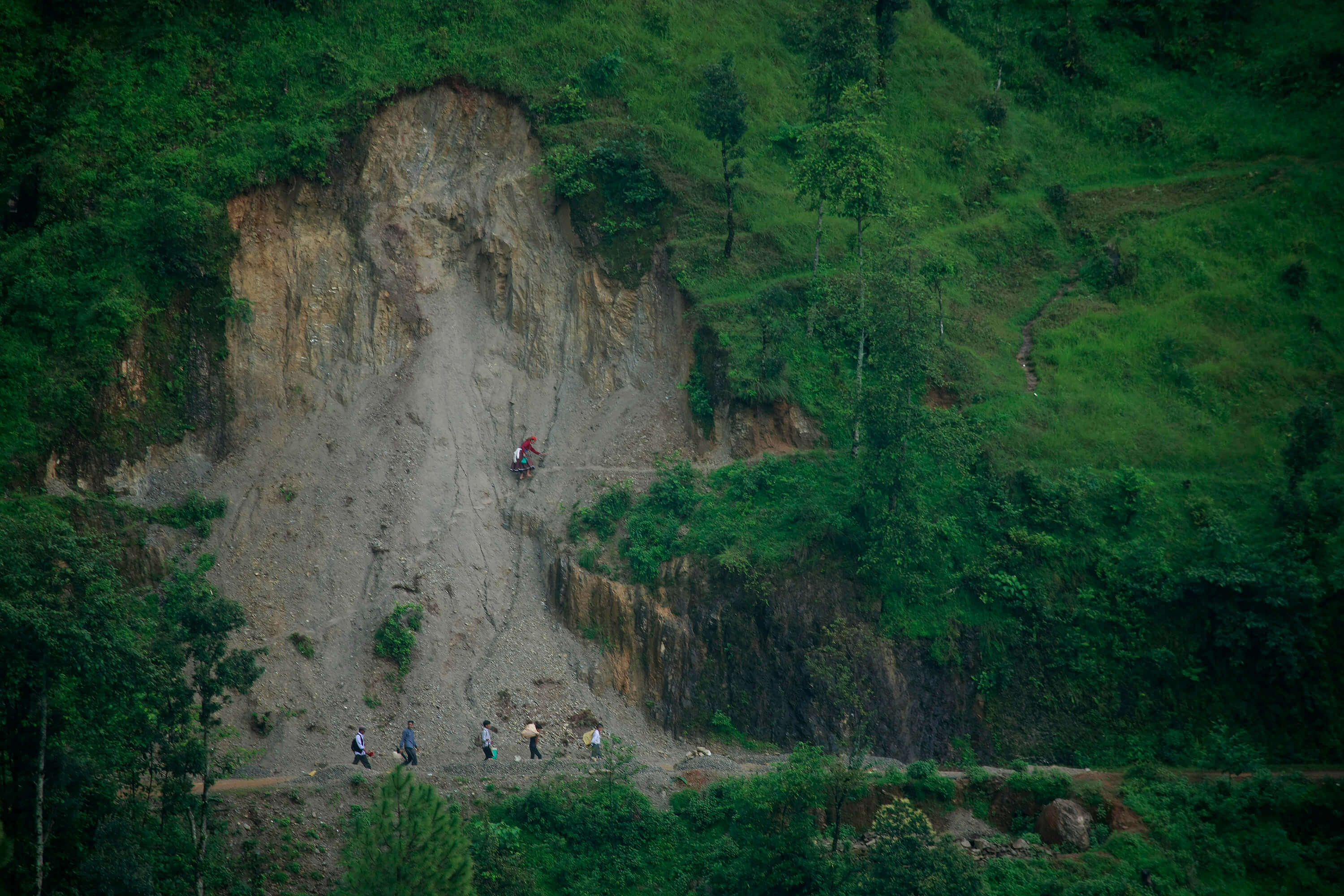
The buses to Darchula, Baitadi, Doti or Dadelhura were all packed last week for the annual Gaura Festival of womanhood, celebrated in Western Nepal, and wherever people from the west of Nepal live.
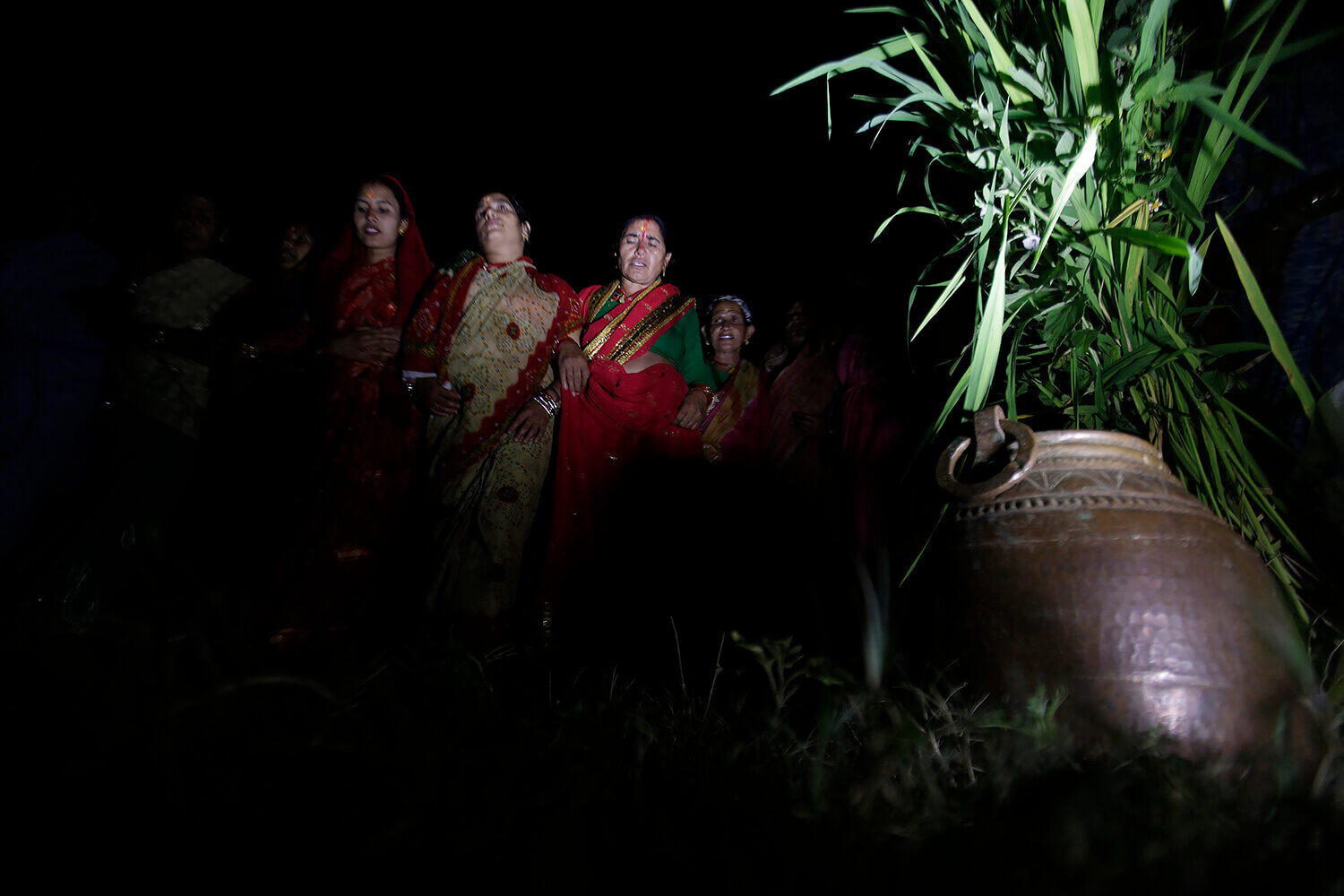
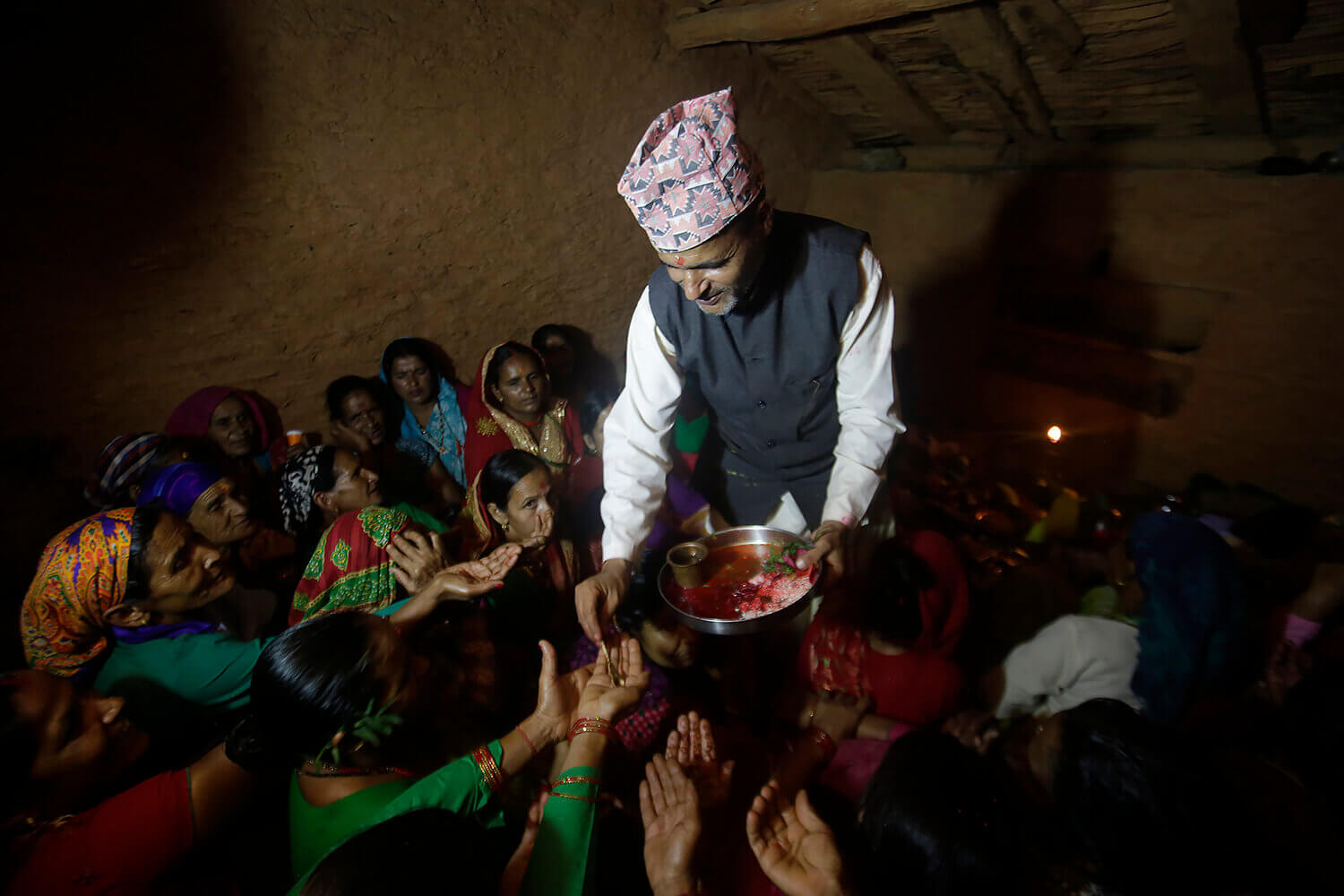
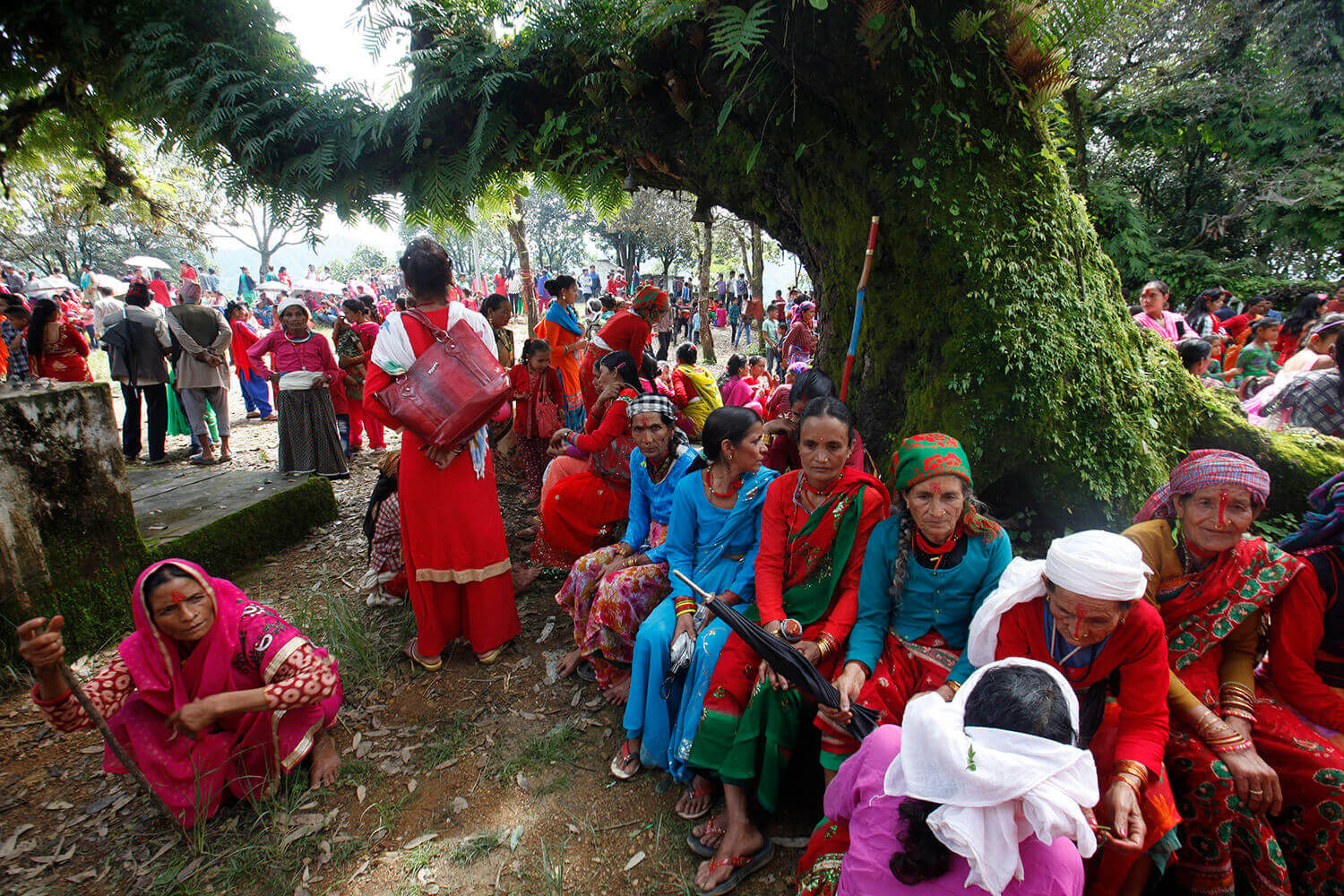
Across the districts of Far Western Nepal, towns are deserted and villages are abuzz with women engaged in weeklong fasting, feasting and revelry. This religious festival has deep agrarian roots, and celebrates the closes ties women have to the land and their crops.
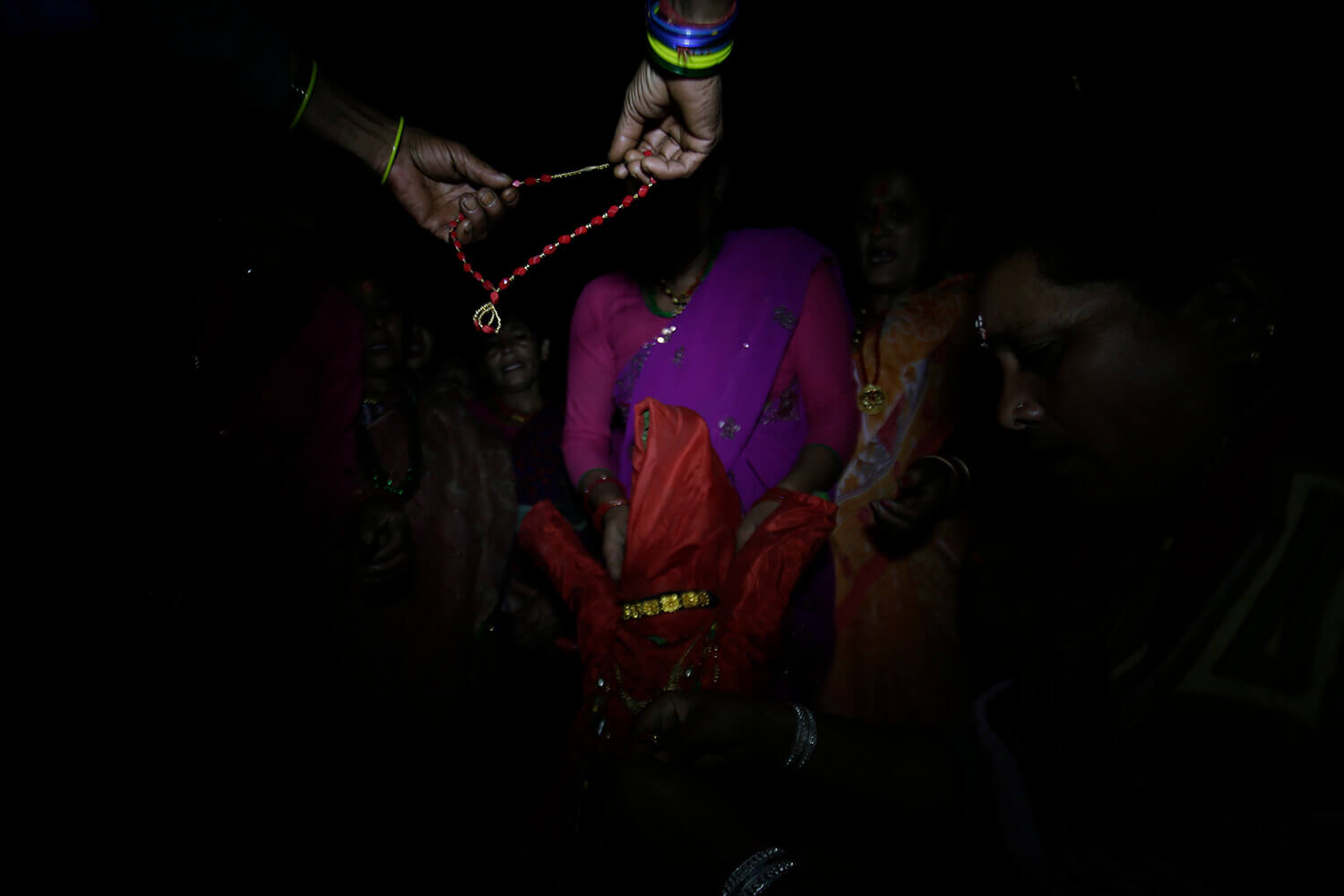
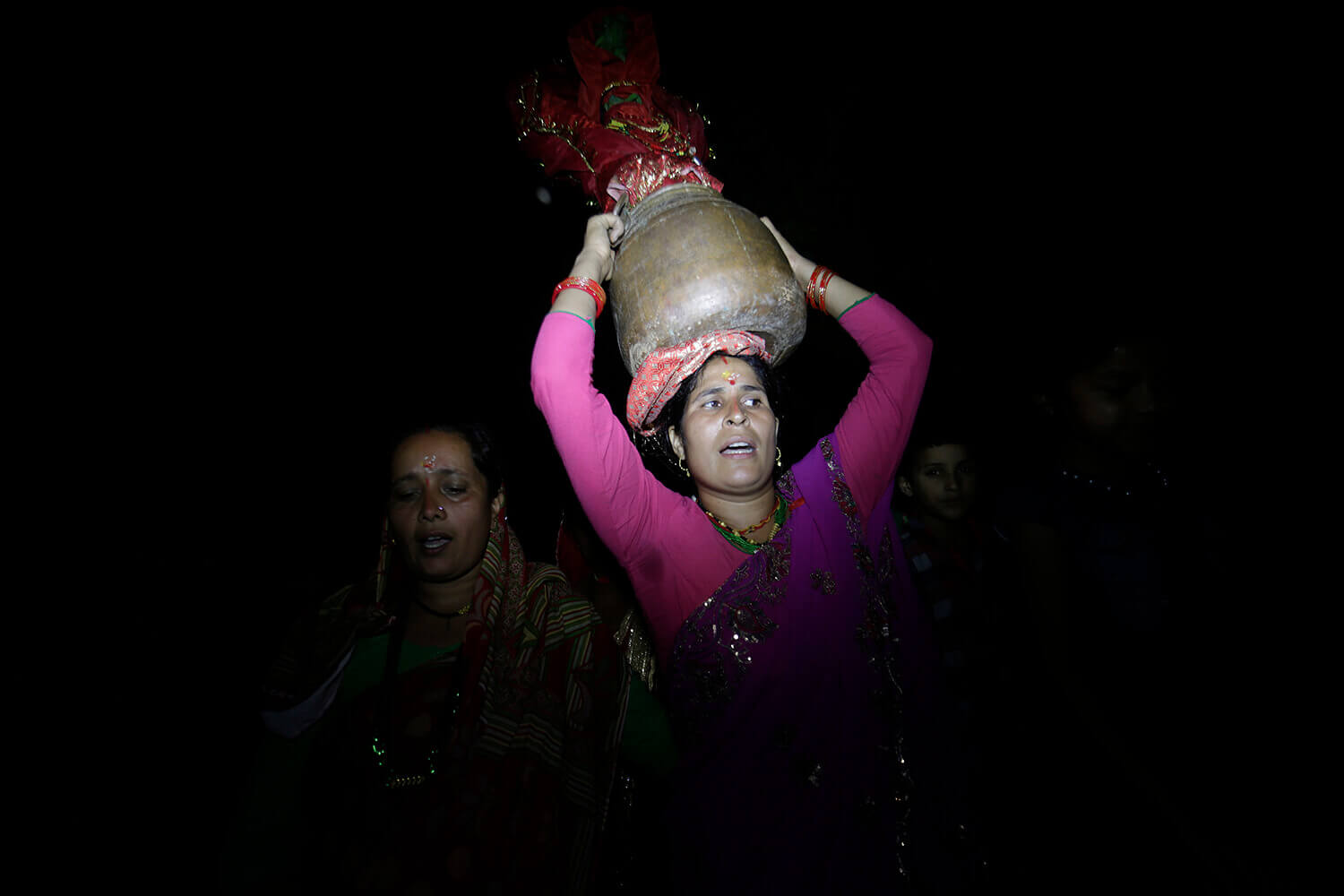
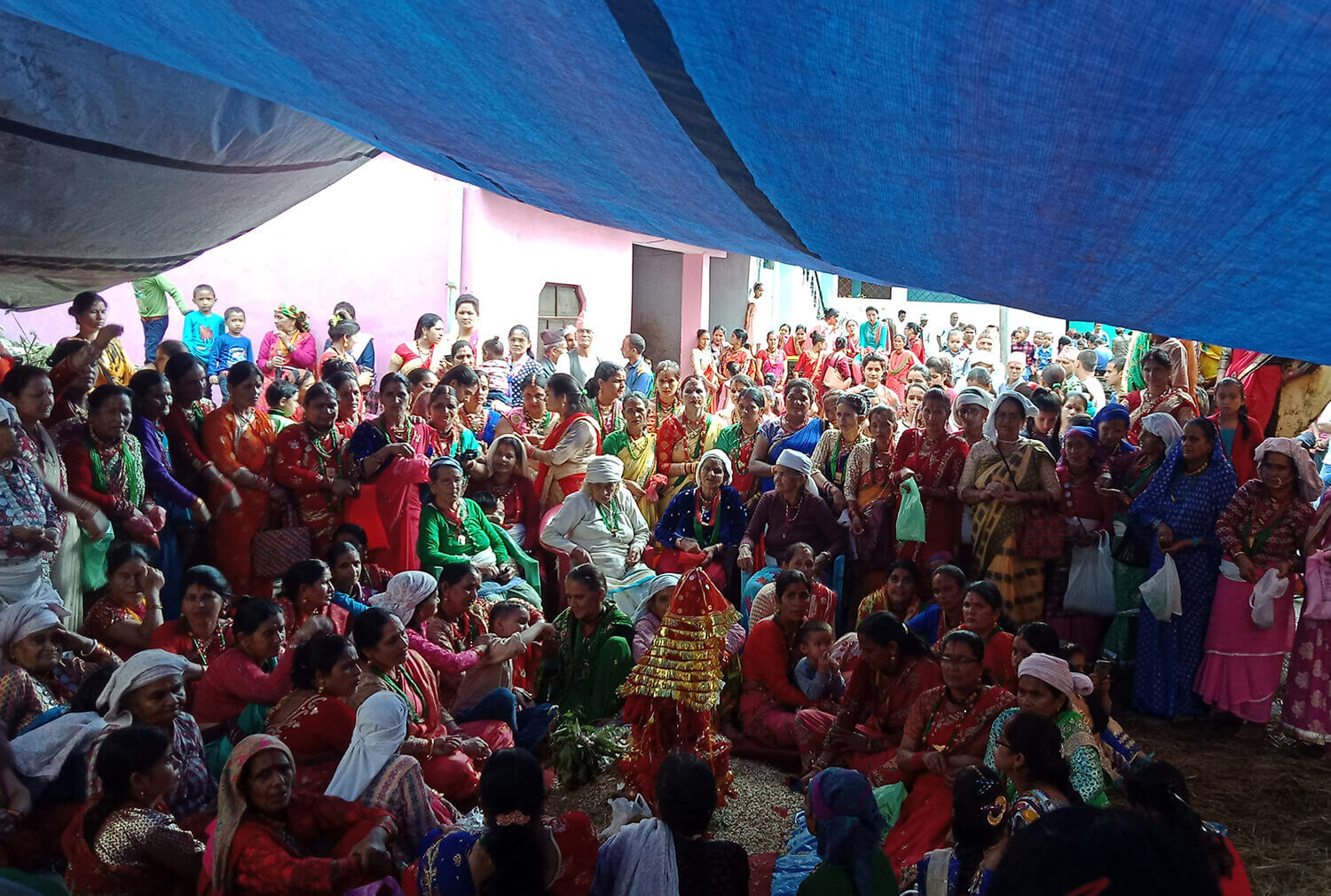
Saraswati Bhatta is shaping an image of the Goddess Gaura from rice stalks and decorating it like a bride with a red dress and jewelry. The doll god is then treated like a woman visiting her maternal home for her family’s pampering.
Gaura is another name for Gauri, Shiva’s consort. Unlike Tij, which is marked on 14 September in the rest of Nepal, the Gaura Festival is more ritualistic with women soaking grains, fasting and then eating the sprouts. Unlike Tij, on the main day the men fast too until their wives’ puja ends.
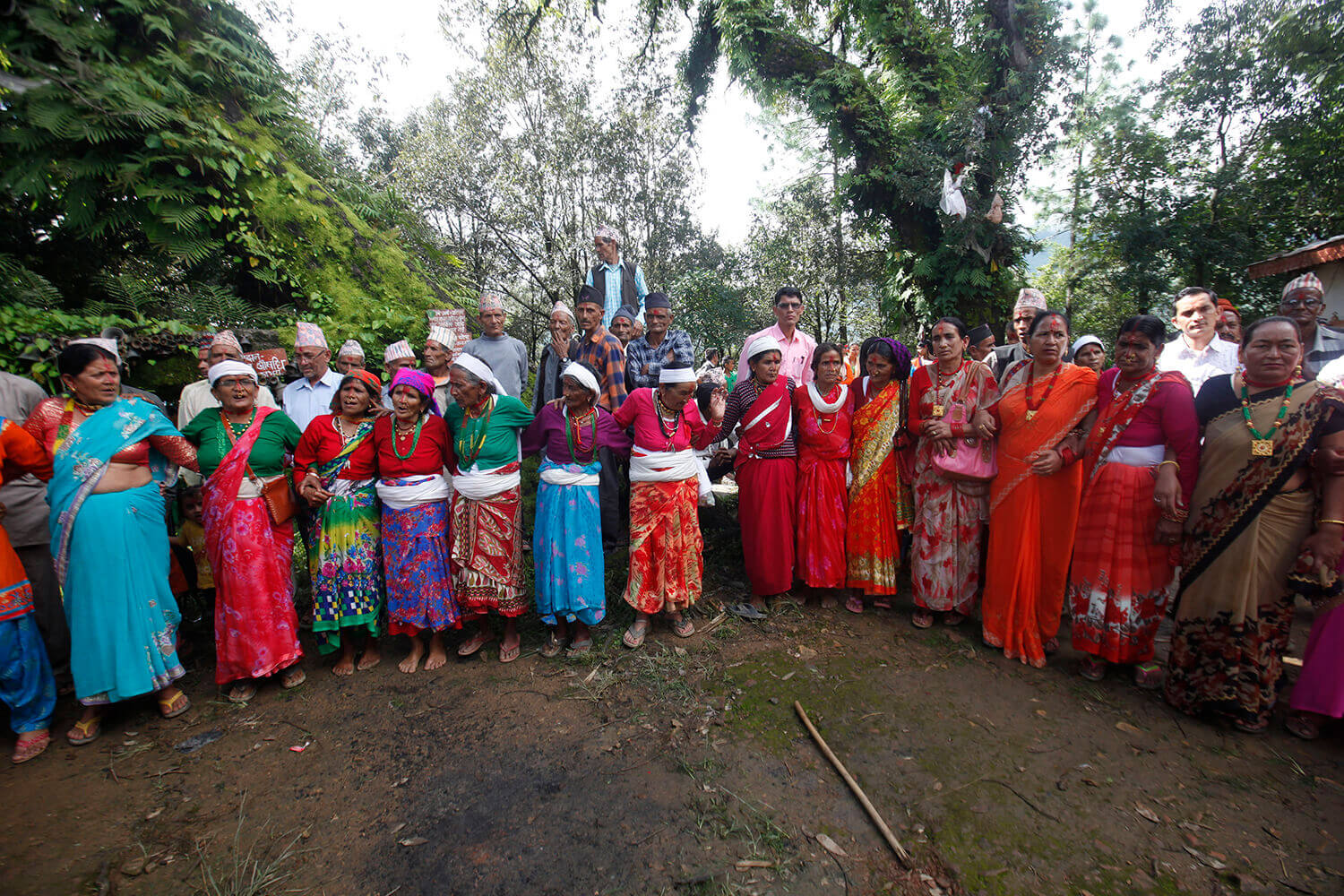
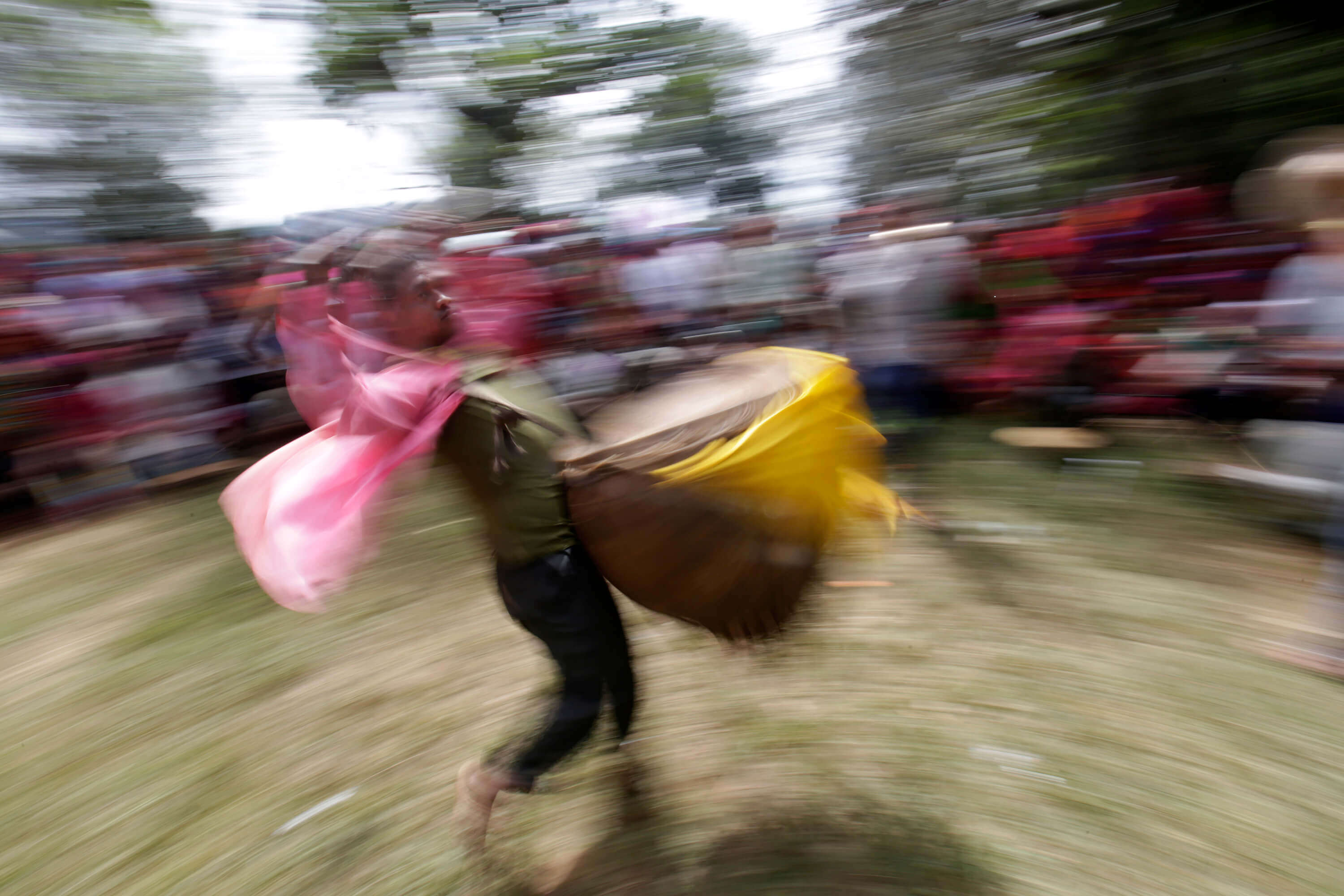
But like Tij, Gaura is essentially a festival of, by and for women. Gaura songs are performed at predetermined times encapsulating the lifestyle and values of the entire community here in the remote mountains of western Nepal. The songs are about the courtship of Gaura and Maheswor (Siva and Parvati for easterners), a woman’s experience of childbirth, and many other social events.
The lyrics outline social customs like the dates of festivals, and behaviour expected from men and women. Some songs describe which food is found in what season, and even where to find water. The festival serves as an elaborate information and communication system set in song long before mass media served that purpose. The songs instill a knowledge of roles, values, and social mores, and help people feel rooted in the community.