
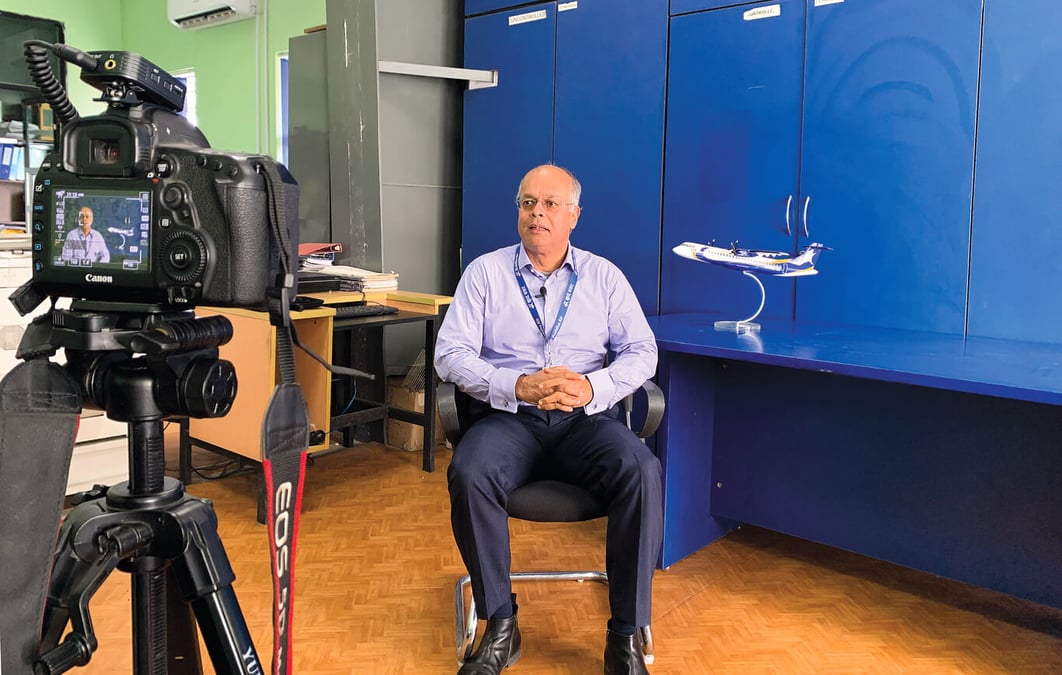
Nepalis are giving up on the country and flying out of Tribhuvan International Airport by the thousands every day. One recent morning, Birendra Basnet was on seat 17A of an ATR-72 flight to Biratnagar.
In these cynical times, Basnet is a shining example that individual persistence, ingenuity and vision can contribute to the nation’s economic growth. He employs 1,500.
He was flying on Buddha Air, which he established 26 years ago, and has today grown to become Nepal’s biggest airline. The carrier is now cruising on autopilot, leaving Birendra Basnet time to focus on his other passion: agriculture.
It is not a small backyard garden that Basnet is interested in, but large-scale mechanised agro-industry. His goal is to dramatically raise farm productivity and to serve as a model for the rest of Nepali agricultural enterprise.
Basnet's Arju Rice Mill, in Morang, buys rice from local farms -- including his own -- to process and produce 80,000 tonnes of rice a year.
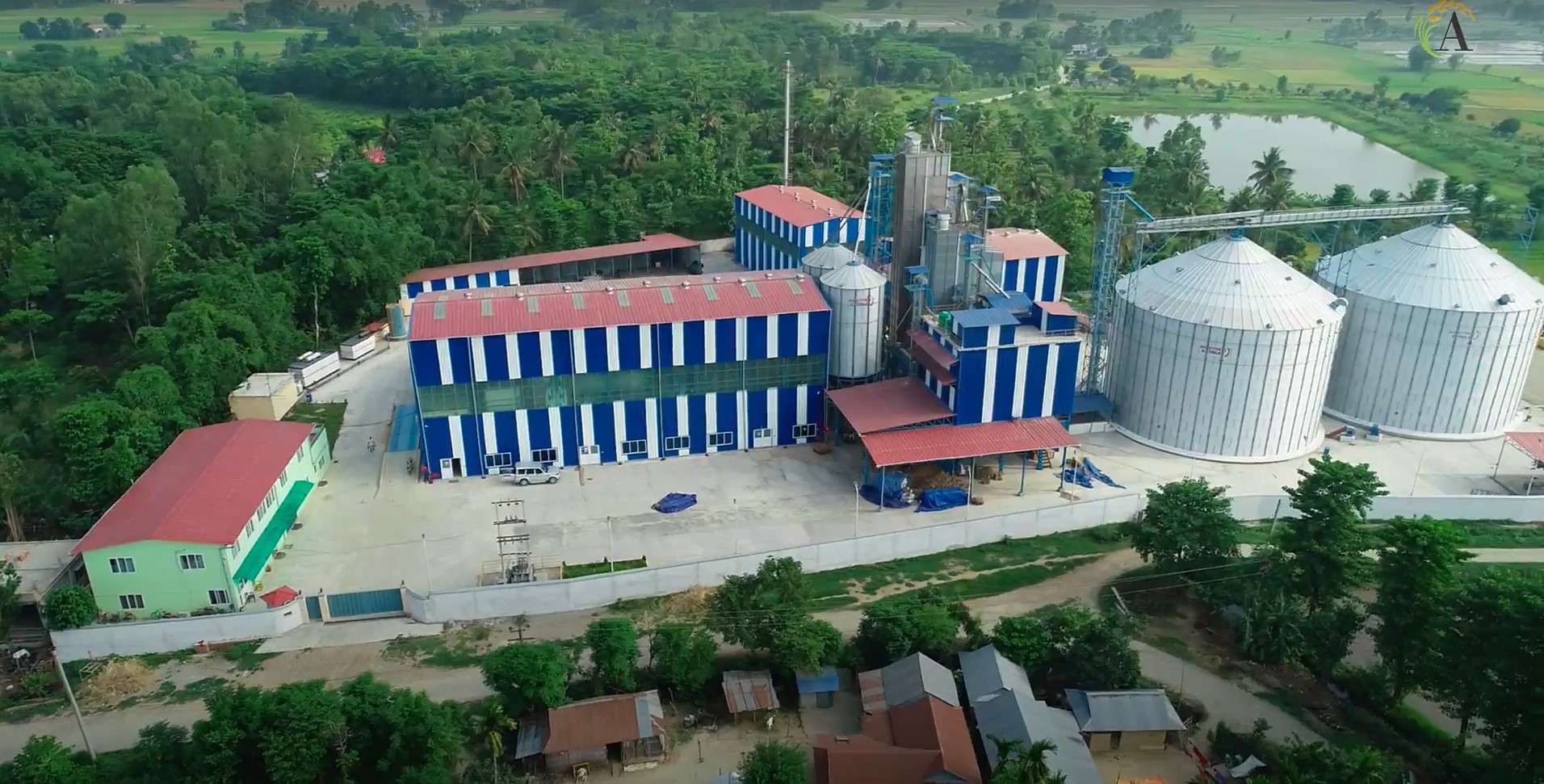
“There are big obstacles to doing business in Nepal, but that is a given,” Basnet explains, gesturing animatedly. “Everyone faces the same challenges, the question is what are you doing to get past those hurdles?”
Indeed, after his success in the airline business, Birendra Basnet feels he can transform agriculture to make Nepal self-sufficient in rice again. Every year, Nepalis consume 140kg of rice per capita.
Basnet has so far ploughed Rs500 million of his money into his agriculture enterprise, and hopes Arju will go into profit starting next year.
Read also: "Nepal’s quiet green revolution", Sonia Awale
“I could have done anything with that money, why did I take the risk to invest in agriculture?” Basnet asks, rhetorically. “To show that it works. Our community enterprise model buys directly from farmers and not from middlemen. This has helped subsistence farmers of the eastern Tarai make a profit for the first time. Every rural municipality in Nepal could adopt this formula.”