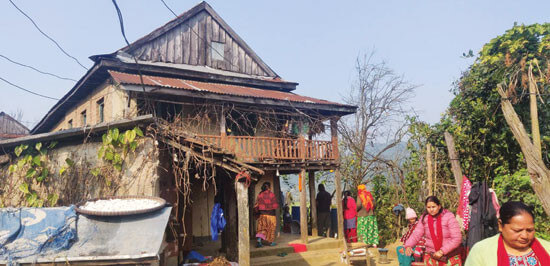
During the days of absolute monarchy, Nepal’s communists were underground and organising their party. Many people risked their lives to provide shelter for them.
One of them was Balkumari Thapa of Hatiya of Makwanpur district, where a landmark meeting of the Communist Party of Nepal (CPN), under the chairmanship of C P Mainali, was held during the 1989 pro-democracy movement.
The first meetings of the All Nepal Women’s Association, the women’s wing of the CPN, were also conducted in Thapa’s home. Recalls Shanta Manavi, founding member of the association: “She let us use her home at great personal risk to organise.”
In 1979 the police killed 16 people in a safe house used by communists in Dhankuta, and Thapa was aware that something similar might happen in her house. So she deployed her three sons to keep a look-out whenever party leaders met there. And when they spent the night, she herself stayed awake on sentry duty.
It all started when Thapa had to take her sick son to hospital in 1964. She had to break her journey at the house of Badri Prasad Khatiwada, an underground communist party cadre who worked full-time as a teacher. He converted Thapa to communism, explaining it in terms of the imperative to remove exploitation and to fight for equality and justice.
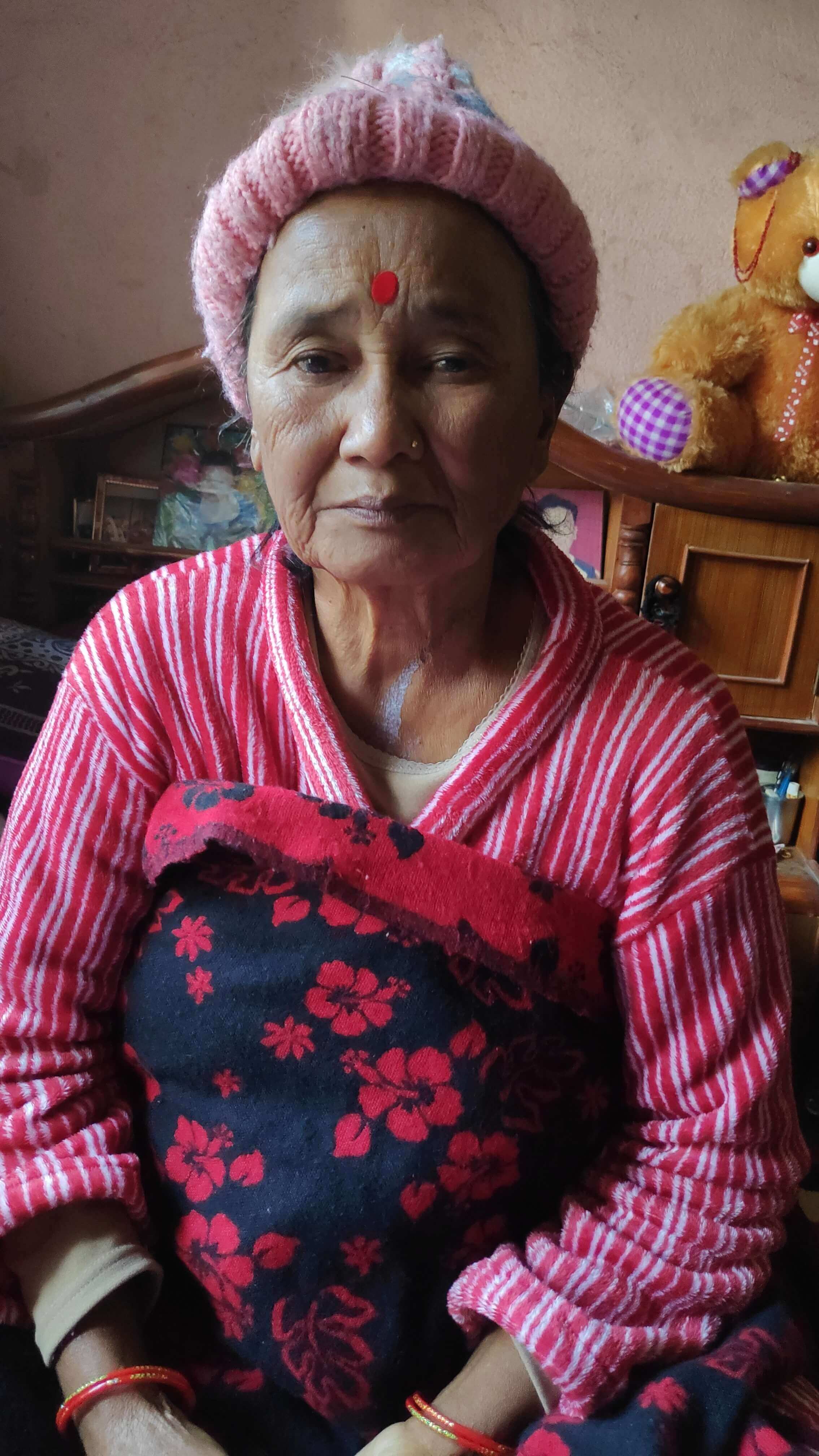
Now 83, Khatiwada recalls, “I went to Balkumari’s house after school on Fridays, collected everyone nearby, and taught classes in communist theory.”
Balkumari’s husband Tilak Bahadur Thapa was an anti-malaria health worker, and was not interested in politics. With all the party workers who had to be fed, the Thapas ran out of food, and she had to farm to earn the money to buy more provisions.