
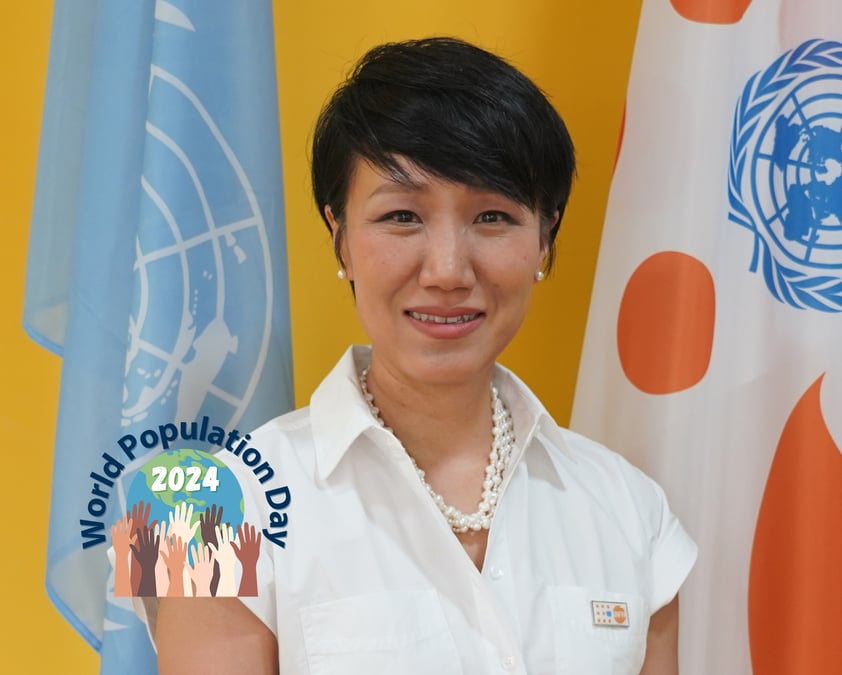
Nepali Times: What are the main demographic trends that will affect Nepal in the next 30 years?
Won Young Hong: There are two major demographic trends we see on the horizon in Nepal in the next 30 years.
The first of these is the age of the population. We expect fertility rates to continue to decline, as in many other countries in the region. It dropped from 4.6 children per woman in 1996 to 2.1 in 2022. This indicates a shift towards smaller family sizes in Nepal.
The working-age population between 15-64 years is 64.6%, and this will peak in 2051 at 69.4% before starting to decline to 66.7% in 2061. At the same time, the proportion of people aged 60 and above increased from 7.6% in 2011 to 9.0% in 2021.
The UN projections estimate that the share of the elderly population will continue to grow in the next few decades until one in five people (22.4%) are elderly in 2061.
The second major demographic trend relates to migration, both within Nepal and overseas. According to the 2021 census, around 2.2 million Nepalis were living abroad in 2021. This trend is likely to continue as most young people seek opportunities abroad. Internal migration is also a major trend.
Between 2011 and 2021, the population share in the Tarai increased from 50.3% to 53.6%, while in the hills, it decreased from 43% to 40.3%, and in the mountain region, it declined from 6.7% to 6.1%.
There is significant internal migration from rural to urban areas in search of better job opportunities and improved living conditions, leading to rapid urbanisation. By 2021, about 27.1% of the population resided in urban areas, up from 22.3% in 2011, while the share of the population living in peri-urban areas remained similar at around 39%.
The share of the rural population declined from 38.5% to 33.2% during the same period. Urban areas, especially the Kathmandu Valley, have seen significant population growth, while over half of rural municipalities have seen negative growth. Provincial capitals like Biratnagar and Janakpur have seen population surges. Current trends indicate a rising share of the urban population and a shrinking rural population in the future.
How can Nepal avoid the mistakes of some other Asian countries in responding to low fertility?
It is an important question, and there are no fixed answers because each country is unique in many ways. Low fertility levels are a global trend, and no single country has managed to reverse this through policies despite a variety of initiatives being introduced. There are many lessons to be learned.
It is clear that policies with an exclusive focus on the reproductive function of women with cost-based financial support without addressing structural issues affecting reproductive decisions made by men and women are largely unsuccessful.
It is important for Nepal to analyse the issues and develop a context-driven and evidence-based approach to responding to the needs of people. Generally, policy is most effective in supporting people's choices when it responds to the diverse needs of individuals.
For example, it is crucial to recognise the impact of the disparities between paid employment and raising children and close that gap with financial support for families with limited incomes.
At the same time, employment needs to support women and men with children so they can balance family life and activities with work. Less rigid 9–5 working hours and accessible and high-quality childcare support are just a few of the measures that can help.
Employers need to be encouraged to recognise that people with children in the workplace have needs and that there are systemic barriers for parents that have wider social impacts. These can be broken down with greater accommodation of the diversity of preferences of adults as to their choices of when and how many children they want to have.
Policies need to create family and child-friendly societies focused on the health, education, and well-being of children and families at large to be successful. Public spending is another such tool, with levels of public funding for families closely linked with period fertility rates as well as cohort family size. There also needs to be individual choices available including in relation to sexual and reproductive health and rights and family planning.
There is no one-size-fits-all solution. UNFPA is encouraging this kind of learning and knowledge sharing across countries because there is a huge increase in countries with declining populations, and we believe there are important lessons to be shared across the region and the wider globe. And it is imperative that policies be developed now rather than in a reactive manner.
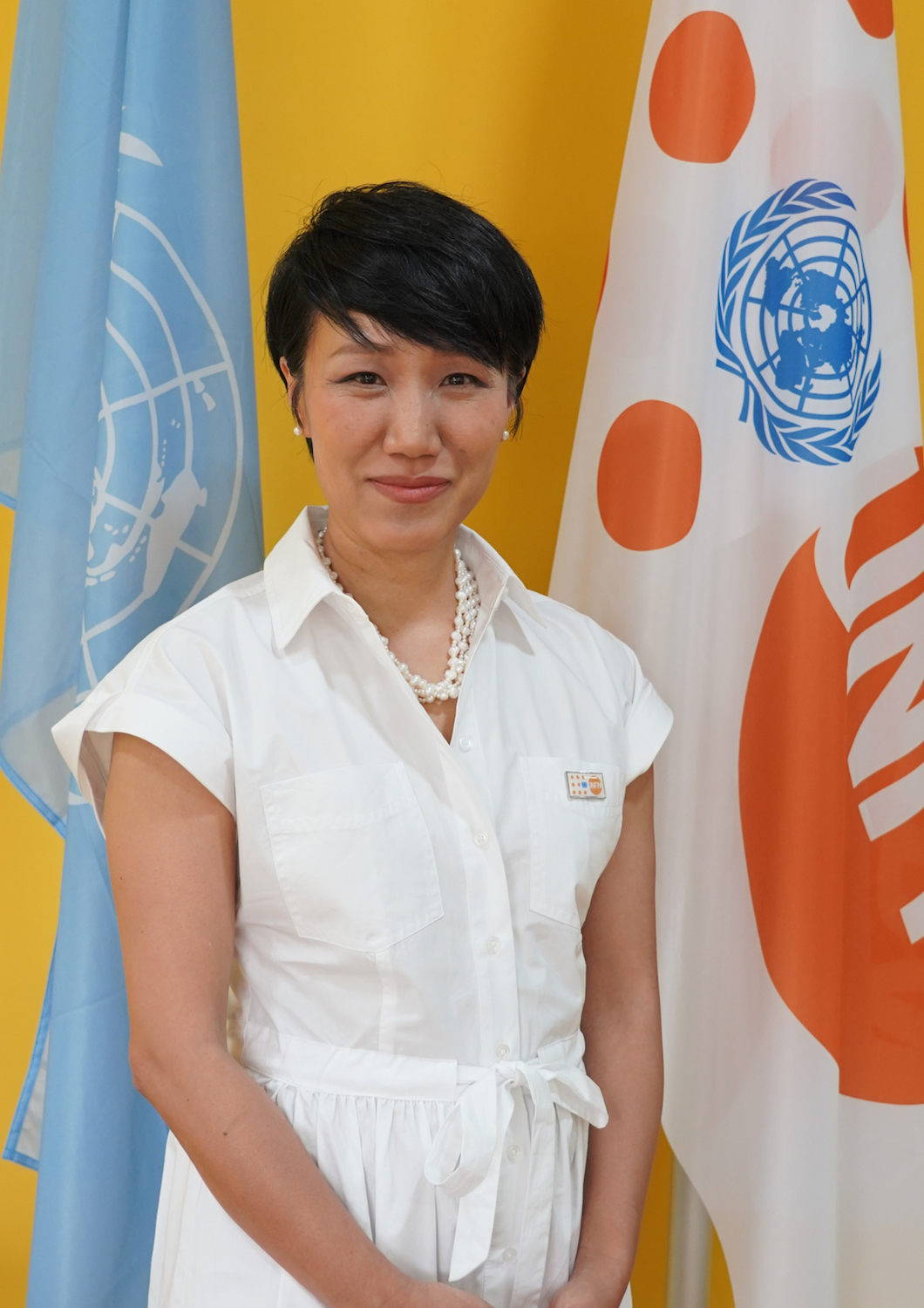
How serious is the anomaly in male: female ratio in Nepal?
I would say any population anomaly has serious impacts. Nepal exhibits a skewed sex ratio at birth, with 112 boys born for every 100 girls, according to the 2021 census. This is higher than the biologically normal range of 102 to 107 males per 100 females, indicating potential sex selection practices. The disparity is particularly pronounced in Madhes province, where the sex ratio at birth is 118, compared to the lowest ratio of 106 in Kosi province.