Little Sangjay was fascinated by the birds: brightly coloured tragopans, garish impeyan monals and strutting Chinese golden pheasants. His small fingers gripped the wire netting of their cage whilst the sunshine lit their feathers.
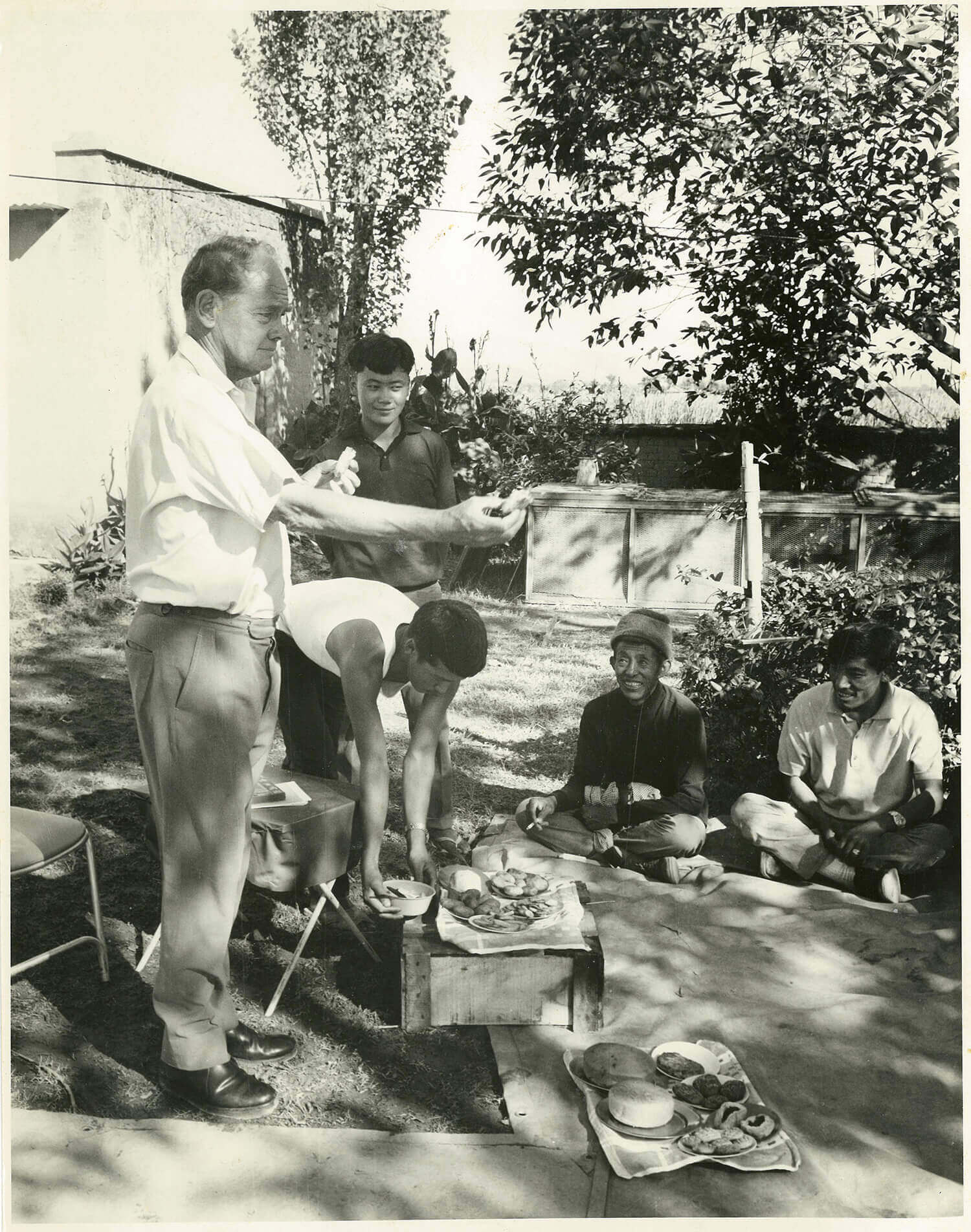
The speckled grey guinea fowl fussed in the rough grass of Col Jimmy Roberts’ Pokhara garden, and his flock of quail cackled nearby. The fishtail peak of Mt Machapuchre glowed in the high distance, and the red poinsettia and orange marigolds straggled his land. Over the dry-stone wall, the murmur of Sherpa voices could be heard as they sorted Mountain Travel’s tents and camping gear between treks.
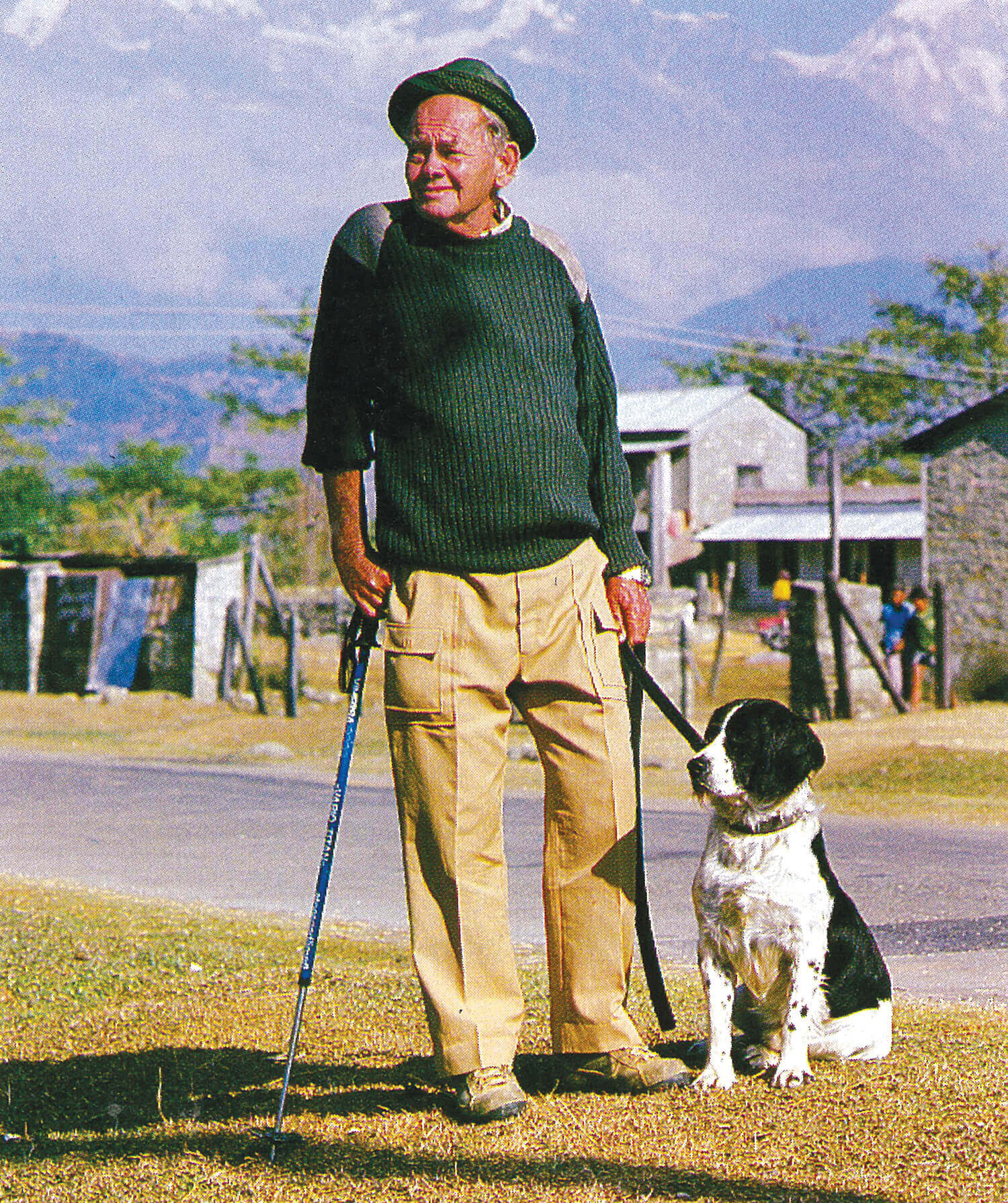
Col Jimmy enjoyed an eccentric retirement, in the same vein that he had lived an unusual life. Raising rare and endangered pheasants became his passion, and he introduced the delicacy of diminutive quail eggs to the finer restaurants of Kathmandu. Next to the trekking depot, his stone house in Pokhara had been built to suit his needs and those of his Sherpa attendants -- one open living room, no spare bedroom and an upstairs loo with the “best view in the world”, as he proudly told Princess Anne during her 1981 visit. Along with the pheasants, a succession of liver and white spaniels were his preferred company.
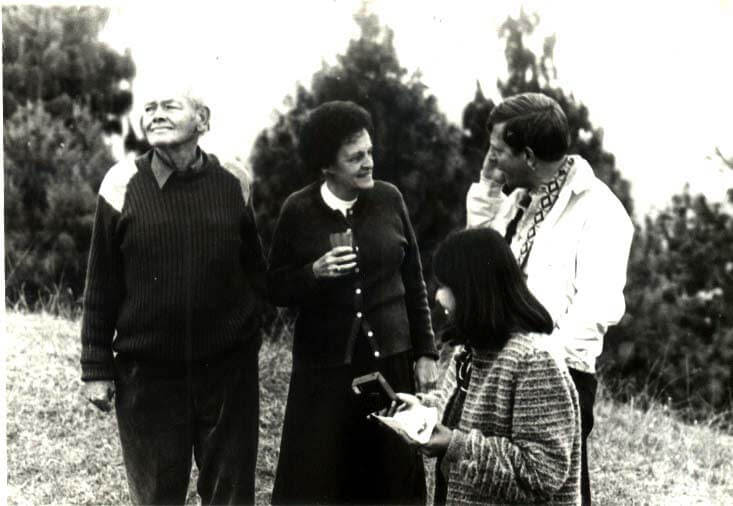
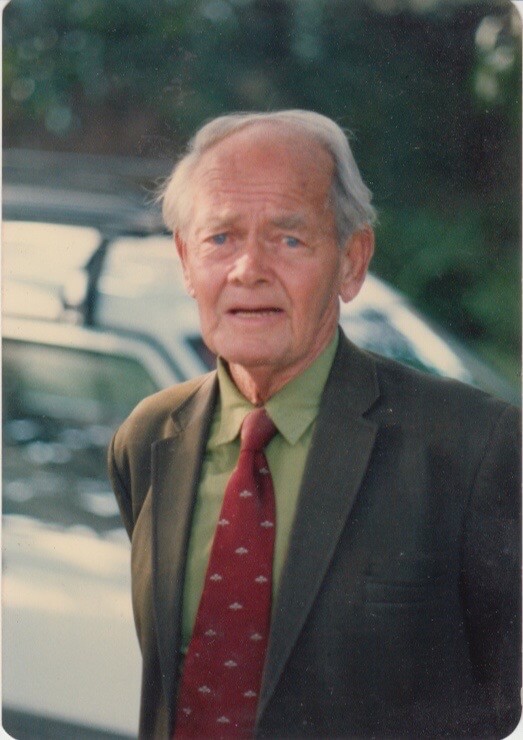
Unmarried and solitary by nature, Col Jimmy was the only son of a Gujarat headmaster. He returned to South Asia after being sent “home” to school in England (King’s Canterbury, which I never heard him mention) and military training at Sandhurst. The product of a British Army career, he had a distinguished and highly decorated record in India, Malaya and Singapore. He always said that the few women he ever met were limited to the sisters of fellow Gurkha officers.
Instead, Jimmy went climbing. He pioneered Himalayan peaks in the days when access was constrained by tensions between China, India and Tibet, and visits to Nepal were “by invitation only”. As he put it: “At that time, for a mountaineer at least, the lure of Nepal was far more potent than Tibet or Bhutan. And in the mountain book, only the chapter titled ‘Nepal’ remained closed, the pages uncut.”
He became a legendary Himalayan mountaineer and explorer, bagging many first ascents and getting to 50m below the sacred summit of Mt Machapuchre. Disdaining to join John Hunt’s 1953 Everest expedition, which he himself had been shortlisted to lead, Col Jimmy helped with oxygen logistics then preferred to explore alone, making the first ascent of Mera Peak which he dismissed as: “rather over 21,000 feet and not difficult”.
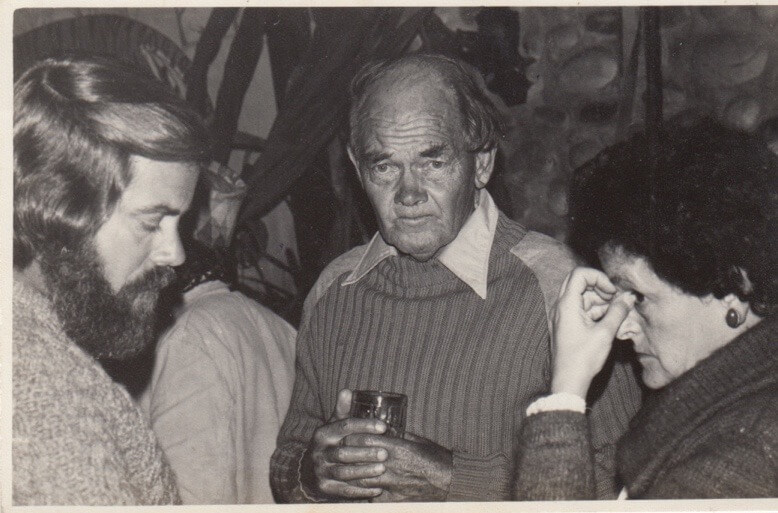
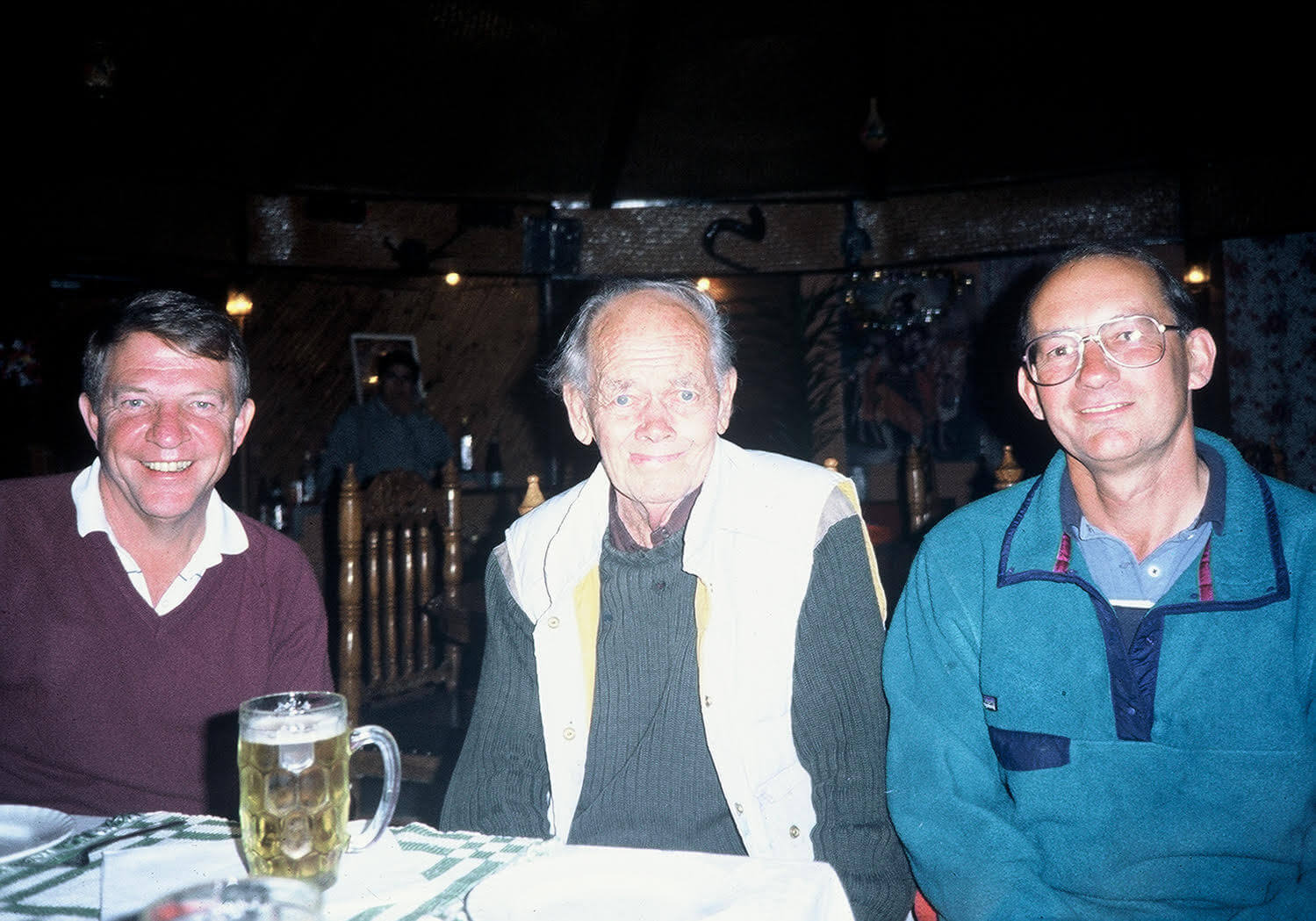
Jimmy first came to live in Nepal when appointed Military Attaché with the British Embassy Kathmandu in 1958, then stayed on. By the time my young boys were enthralled by his extravagant pheasants in Pokhara, Col Jimmy’s mountain days were curtailed by arthritic hips and failing health, and Mountain Travel had joined forces with Tiger Tops. But he could still describe every trek trail, twist, and turn from memory, and was relied on to compose the Sherpa teams as he understood upper Khumbu family dynamics better than anyone.