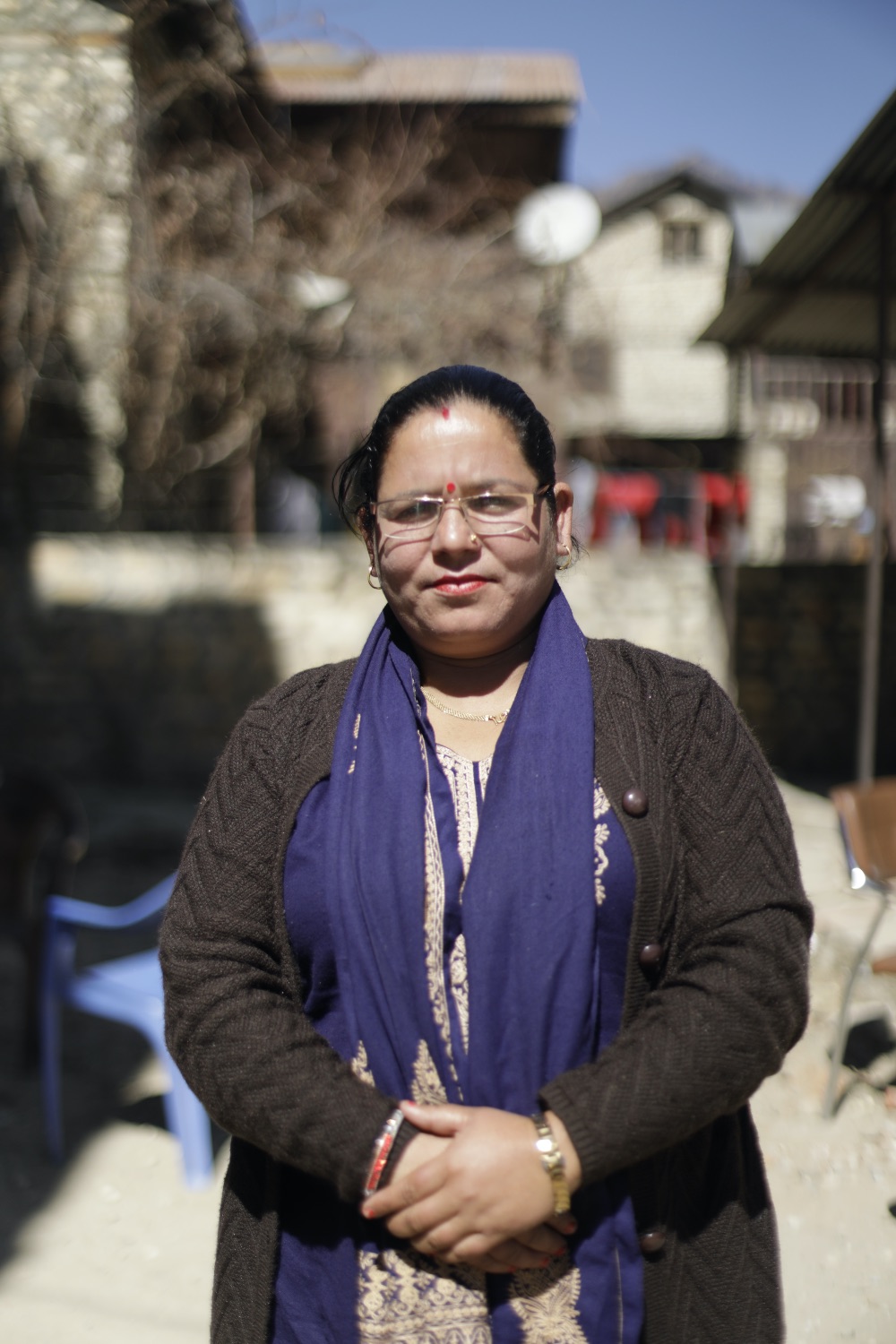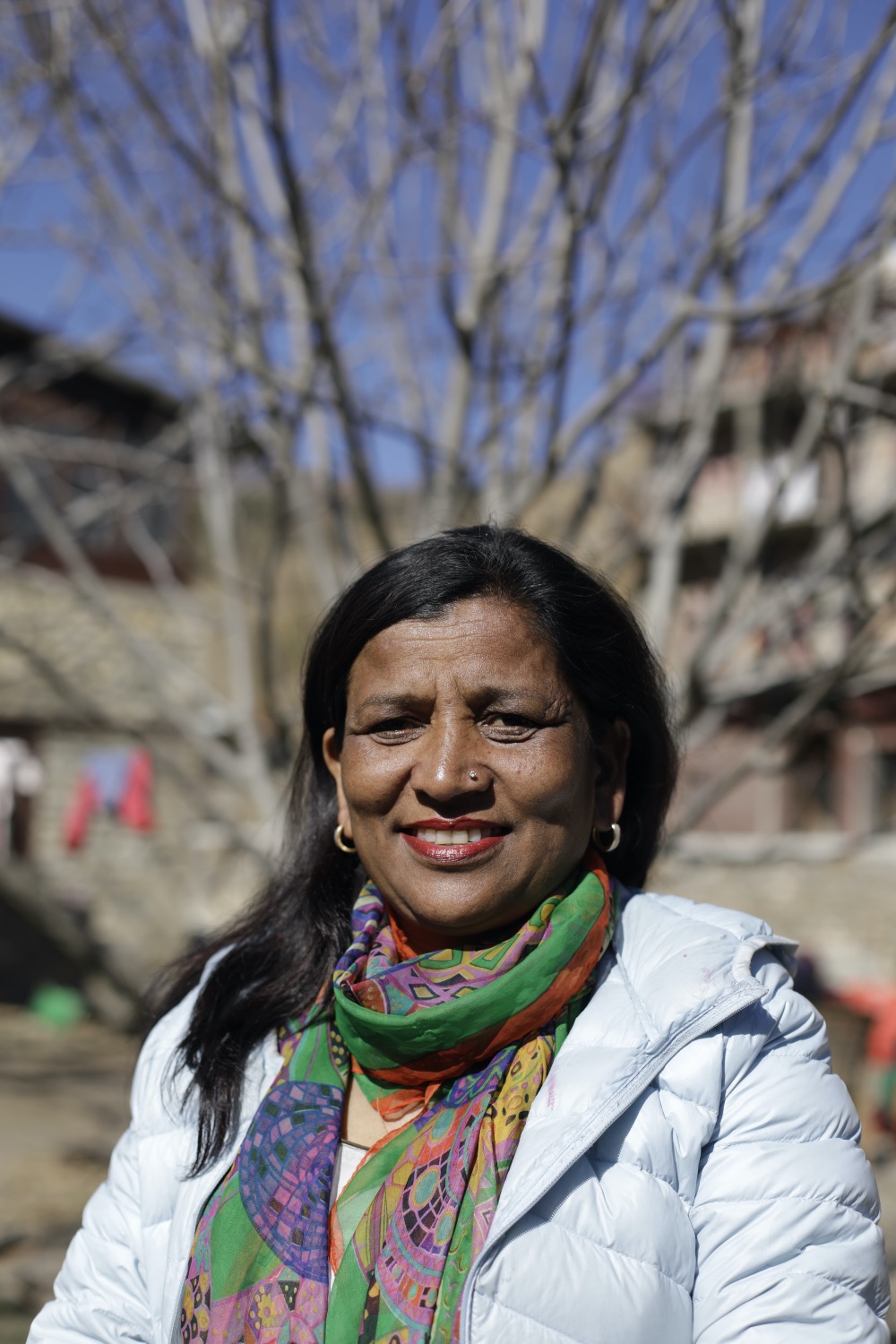
Of the more than 753 municipalities in Nepal, most are led by men and the deputy is required by law to be a woman. Jumla is one of only two where both the mayor and deputy mayor are women.
And what a difference that has made. Mayor Kantika Sejuwal of the Nepali Congress and Deputy Mayor Apsara Devi Neupane Mahat from the Nepal Communist Party have been working together ever since they were elected three years ago to deliver services and run an efficient administration.
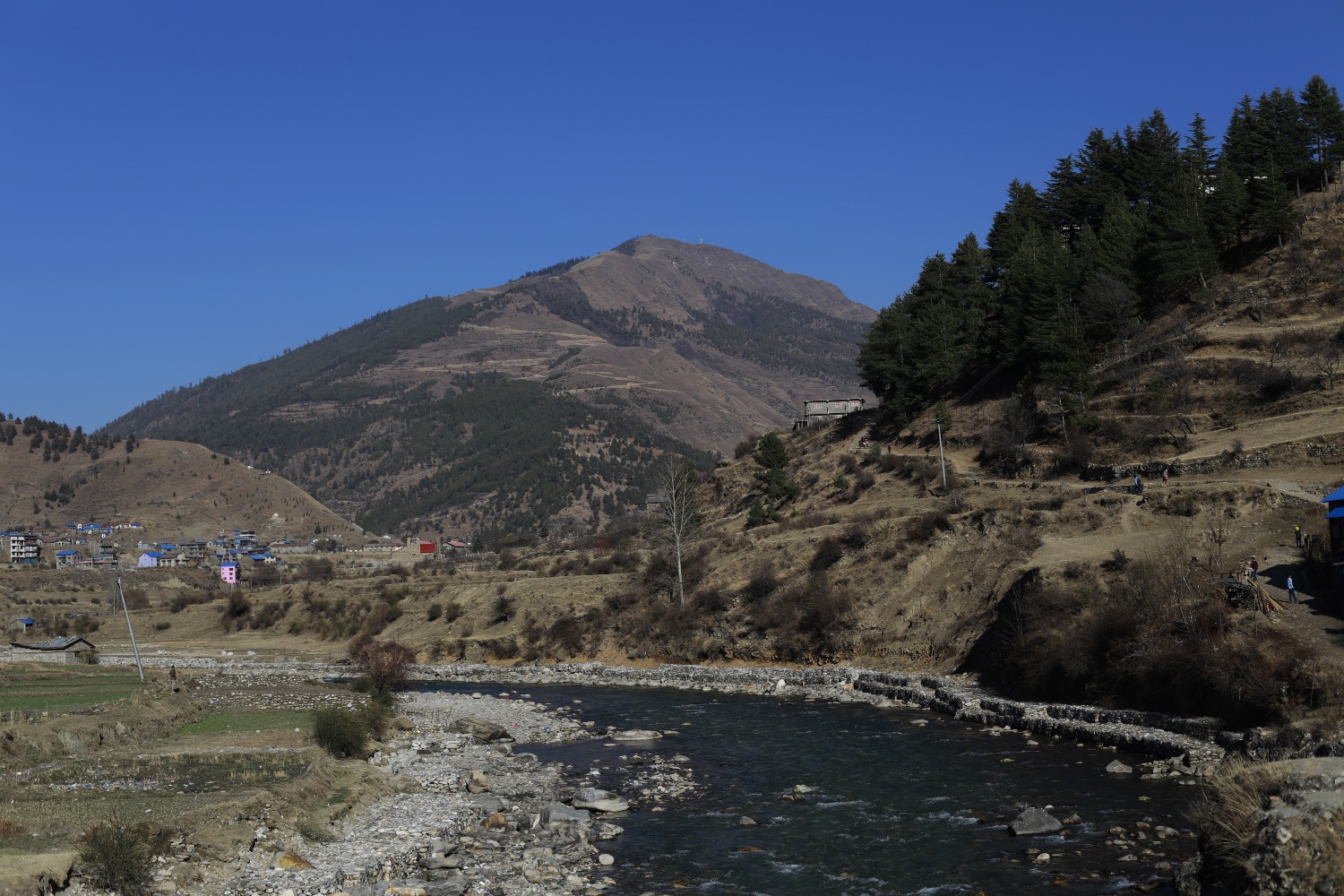
This is all the more remarkable because it has happened in Nepal’s most deprived regions that has traditionally been steeped in caste divisions and patriarchy.
Unlike the bickering male leaders in Kathmandu, the two women leaders from rival parties have worked hand-in-hand to expand the road network, end an acute electricity shortage, improve irrigation, but also to empower women with schemes to raise household income, address domestic violence and access to medical care.
Sejuwal’s red brick home in Jumla speaks of comparative affluence, but inside it is different. The mayor is seated on the porch-like extension of her house with her deputy next to her.
Head covered with a shawl, and a yellow tika radiant on her forehead, on Tuesday Mayor Sejuwal was marking the seventh death anniversary of her husband, Manav Sejuwal the district president of the Nepali Congress, who died in a plane crash in 2014.
Sejuwal was married young to a political family, and spent much of her adult life in this house. She had the chance to continue her education, unlike most women here. She was involved in lifting the status of women, and balanced that with motherhood and household cares.
It was after the death of her husband that she was pushed into a more prominent political role, and was elected to be one of only two elected municipality heads in Nepal. Sejuwal admits that being a woman helps her see things differently, and ensure that there is tangible change.
The Mayor and Deputy Mayor place a lot of emphasis on roads because there is local demand for access, making it easier for villagers to get the sick to hospital, produce to market, and remove days of walking.
Jumla is connected to Surkhet via the Karnali Highway, the airport has been upgraded and the town’s stone and tile houses are being rapidly replaced by multi-storey concrete structures. Like most other cities in Nepal, unplanned urbanisation is becoming a problem.
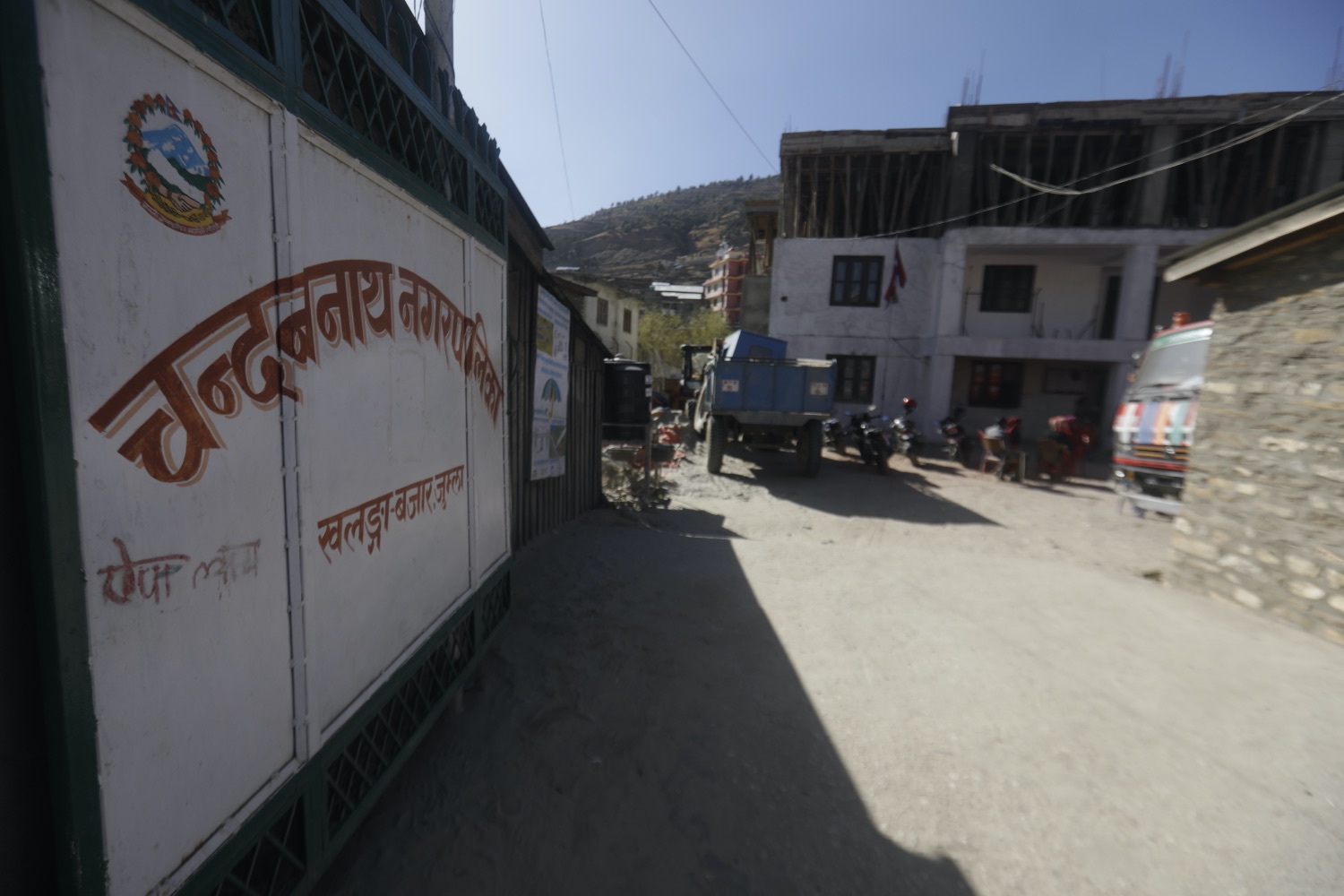
The once cobblestone streets of Khalanga market are now asphalt, and there are motorcycles, jeeps and three-wheel auto rickshaws. Mayor Sejuwal has plans to open a new track to Rara Lake, which will cut the three-day trek to three hours by jeep.
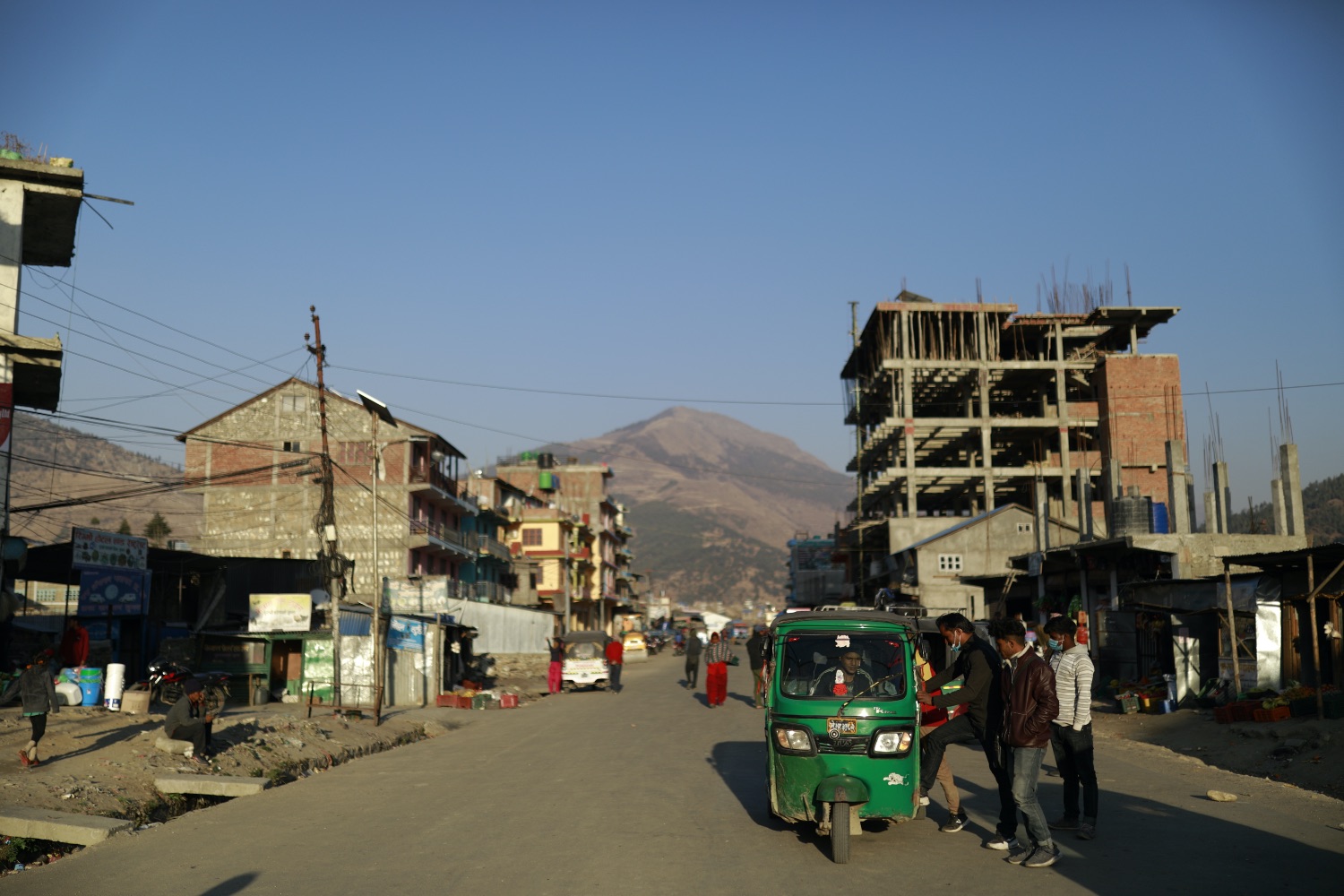
“The new roads have made life much easier,” says Krishna Bahadur Rokaya, owner of an old tea house in the market who has witnessed Jumla’s transformation in the last 50 years. “Shopkeepers had to get porters to carry their goods all the way from Surkhet. Now it arrives at their doorstep.”
Since road accessibility improved, the region’s very high maternal mortality rate has come down since mothers can be brought to the district hospital. New birthing centres have been set up, providing maternity service to more women from rural areas.