
Nepal has not won a single official medal ever at the Olympics. With the Paris 2024 Summer Games two and a half months away, how might Nepal win its first bronze? Or silver, or even gold?
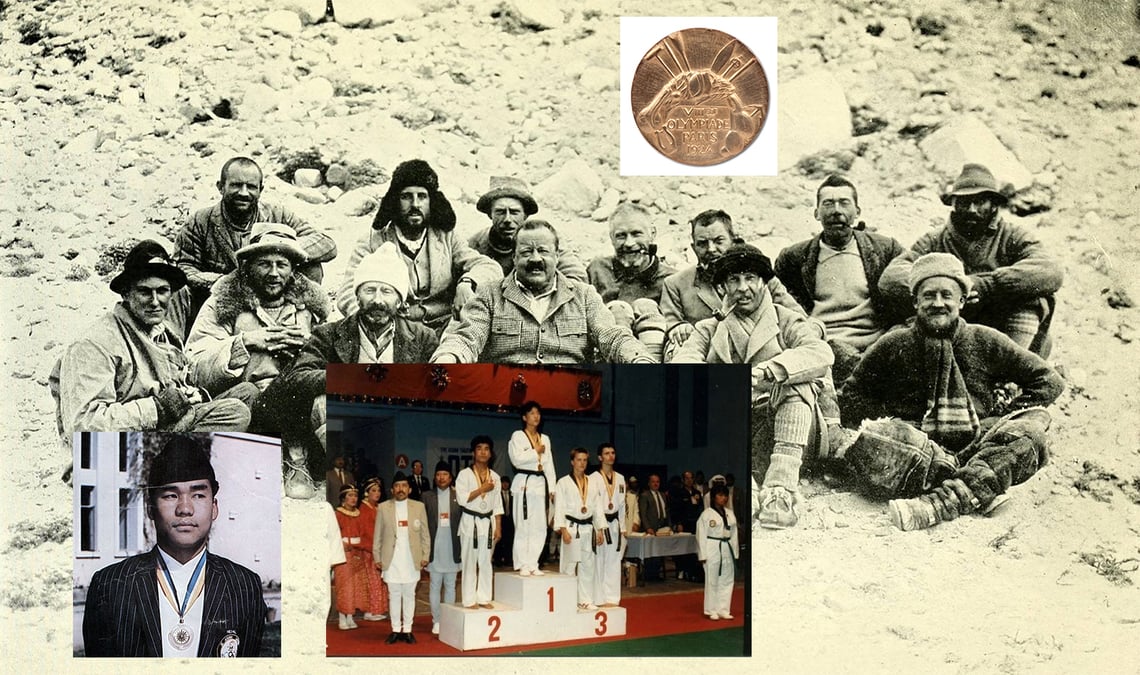
Technically, there are two Nepalis who have won medals at the Olympics. The first is mountaineer Tejbir Bura, awarded a gold during the 1924 Winter Olympics for his part in the 1922 British Mount Everest expedition. However, this was a joint honour given to a team of many nationalities.
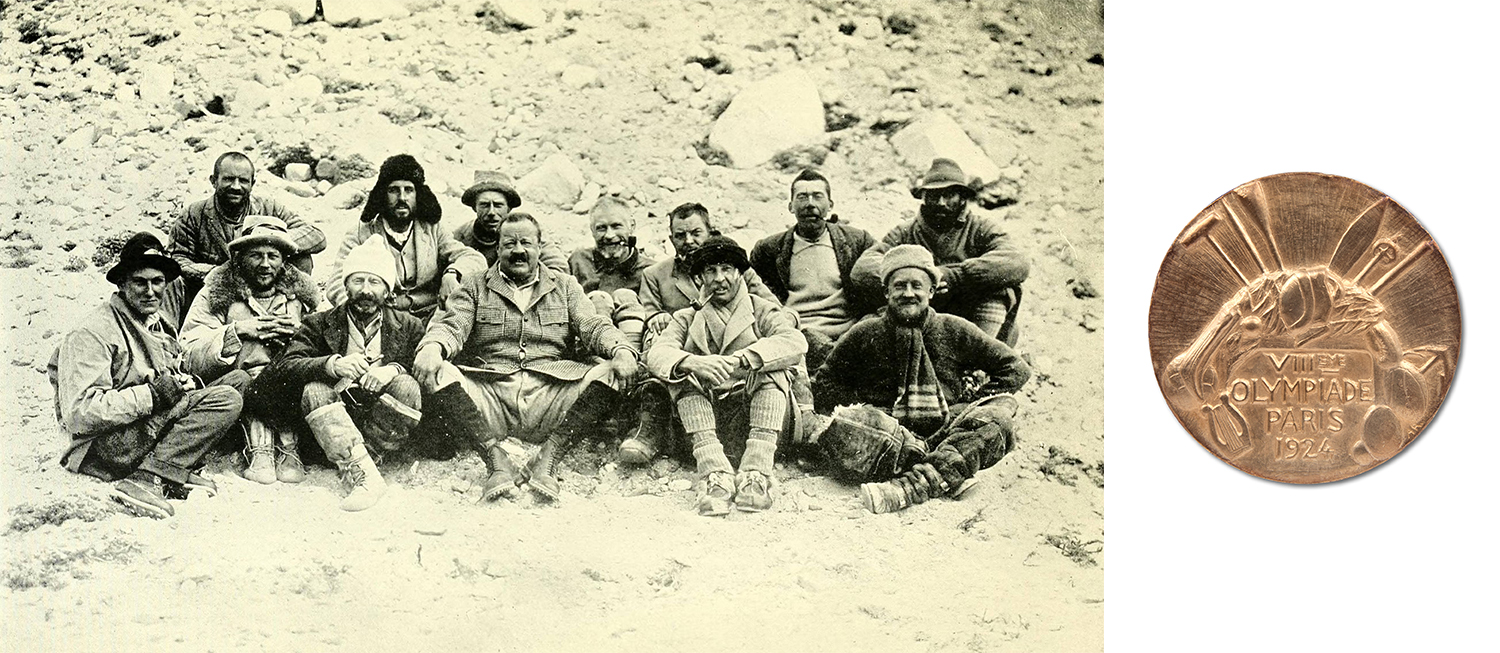
The second was martial artist Bidhan Lama, who won a bronze in Taekwondo at the 1988 Seoul Summer Olympics. However, this did not count as an official medal because taekwondo was only a demonstration sport back then.
Demonstration sports were unofficial events at the Olympics before 1992. They were included to promote sports popular in the host country. Baseball, for example, was a demo sport at the 1984 Los Angeles games. Calling them ‘demonstration sports’ is misleading, as the athletes were certainly competing to win.
There was another bronze awardee in Lama’s event, Enrique Torroella Sánchez from Mexico. Even today, some sports give bronze medals to both losing semi finalists.
While Bura and Lama’s medals are significant achievements, the fact remains that Nepal has zero official Olympic medals.
To be fair, we have company. Seventy-one other countries, including Bangladesh and Cambodia, have never won a medal either.
To some governments, job creation, providing basic needs and economic development are higher priorities than achievement in sport.
“Doing well at the Olympics is all about how much you can invest. Sports is a business,” explains Chaturananda Raj Vaidya, vice president of the Nepal Olympic Committee. “Equipment, coaching, venues, diet, family structure all need to be correct to develop a medal-winning athlete.”
The countries that have been the most successful at the Olympics are the United States, Soviet Union, Great Britain, France and Germany. All are countries that have historically had the resources to pour into sports development. The US is the overwhelming leader in total medals.
“Countries like China and South Korea have started doing better because their economies got stronger, and India is going to start winning more too,” said Vaidya.
Economic prosperity and investment are the obvious answers. But this seems some ways away for Nepal. But it might still be possible for a Nepali athlete to somehow win their first medal.
The aim now cannot be 16 golds. Before that can happen Nepal must win its first bronze, which is a lot better than zero it clearly not easy to do. Nepal can take inspiration from three types of countries:
1. Countries that have just one or two medals at the games. These likely face a lot of the same problems Nepal does, but have already won that elusive first medal.
2. Countries with small populations that still do disproportionately well at the Olympics.
3. Countries that share a lot of the culture, topography, problems and genetics with Nepal. If they have won, how have they done it?
Countries that have only one medal include Burkina Faso, Gabon, Guatemala and Iraq. Most singular medals are in individual sports such as athletics, martial arts, weightlifting, and sailing. The exceptions are Paraguay’s silver for men’s football in 2004, and Montenegro’s Silver for women’s handball in 2012. Athletics include the 20km walk, marathon and 400m hurdles. The martial arts are boxing and taekwondo. The medal in taekwondo is for Gabon.
In two medal countries, athletics and combat sports still feature highly. These countries have won in triathlon, wrestling, judo, swimming and shooting.