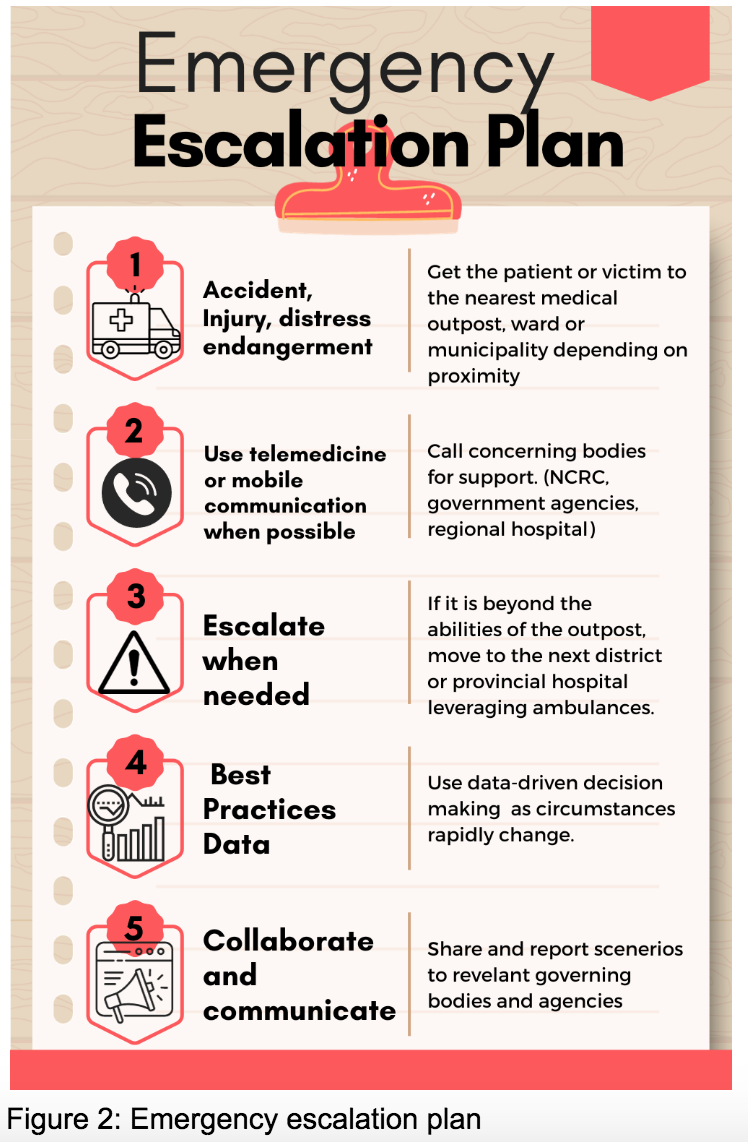
A rapid assessment of the epicentre of the earthquake that hit just before midnight on 3 November shows that lack of accurate information about the status of survivors and their needs continues to be a challenge.
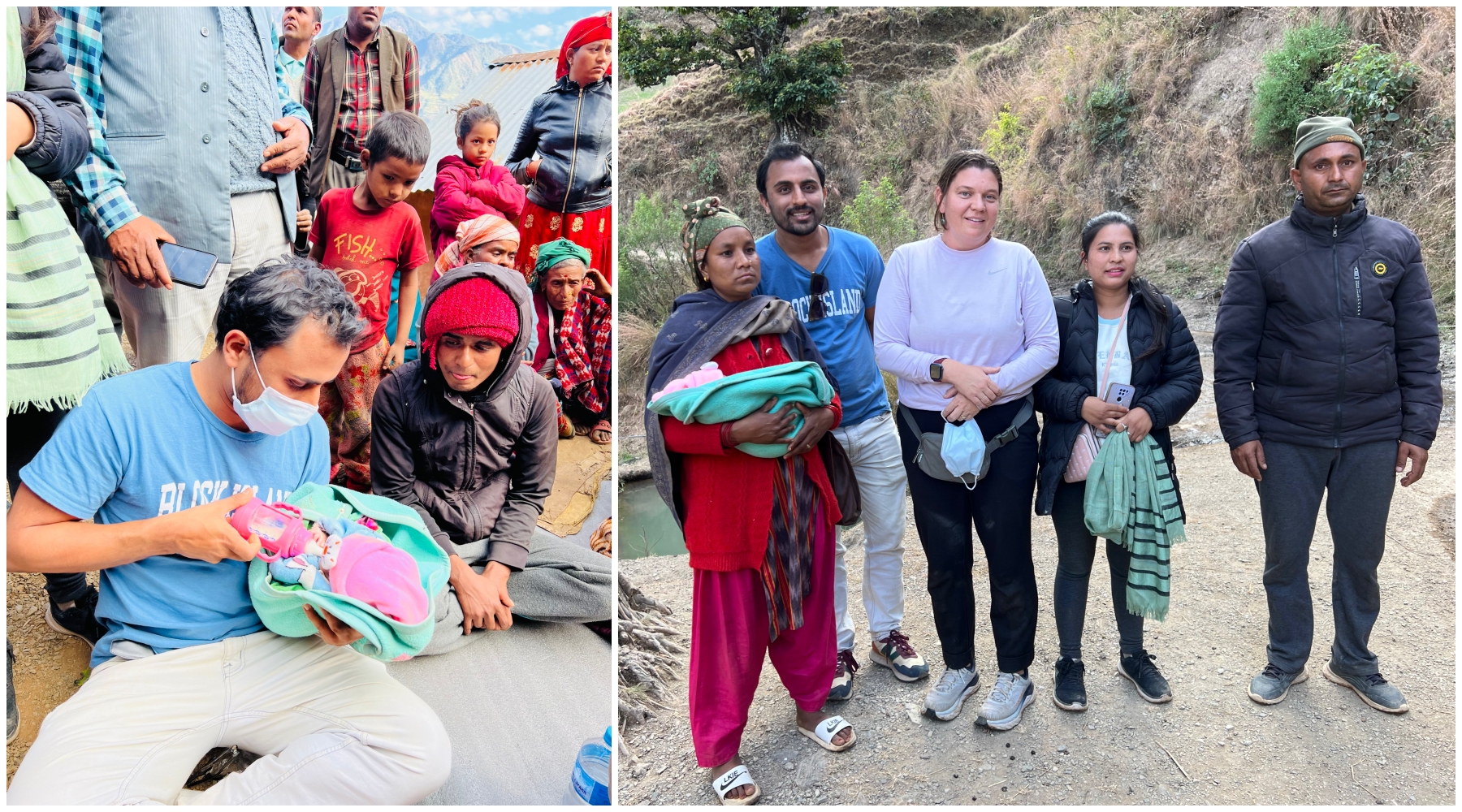
Our trip to the hardest hit areas from Khalanga to Nalgad in this remote district in the mountains of western Nepal involved the rescue of a month-old infant whose mother was reported to have died from the cold.
There has been inaccurate and sensationalised reporting in the media after people died from the cold. While it is true that winter has set in the mountains and the long term illnesses can be exacerbated by the cold, stress or unhygienic conditions, many of the deaths have been due to acute illnesses and existing preconditions.
There have also been reports of relief items being stuck in bureaucratic bottlenecks and piling up in municipal offices instead of being distributed to those in need. While that may have happened in the early days of the earthquake, on this week’s trip that was not what we saw.
In any natural disaster, it is important to recognise that the scenario for relief can rapidly change from day to day, thus making a rapid response and clear communication channels vitally important.
We are concerned that inaccurate journalism based on hearsay without fact checking can foster an environment of cynicism and criticism, discouraging collaborative efforts. It can also affect the morale amongst first responders, spreading distrust.
Read also: Learning from Jajarkot what we didn't after 2015, Sushil Gyewali
Relief must be survivor-centred and not be sensationalised or politicised with fake news. A centralised database that can foster collaboration is being put up with accurate and up to date information on the Jajarkot Earthquake Response website.
Partners on the ground can also fact-check and debunk false reports, and we urge reporters to seek out these primary sources instead of relying on sensationalised clickbait.
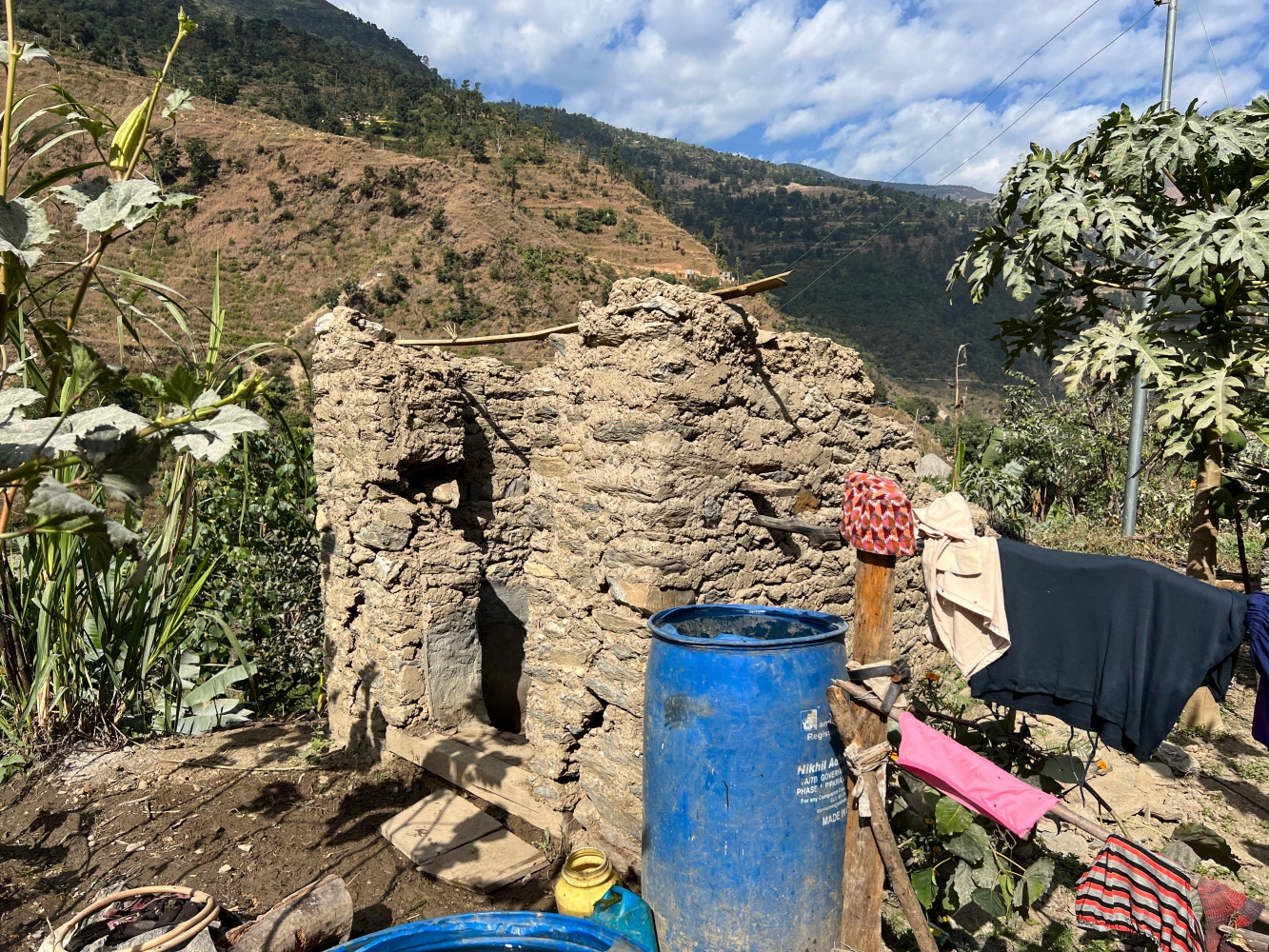
Rubble and destruction
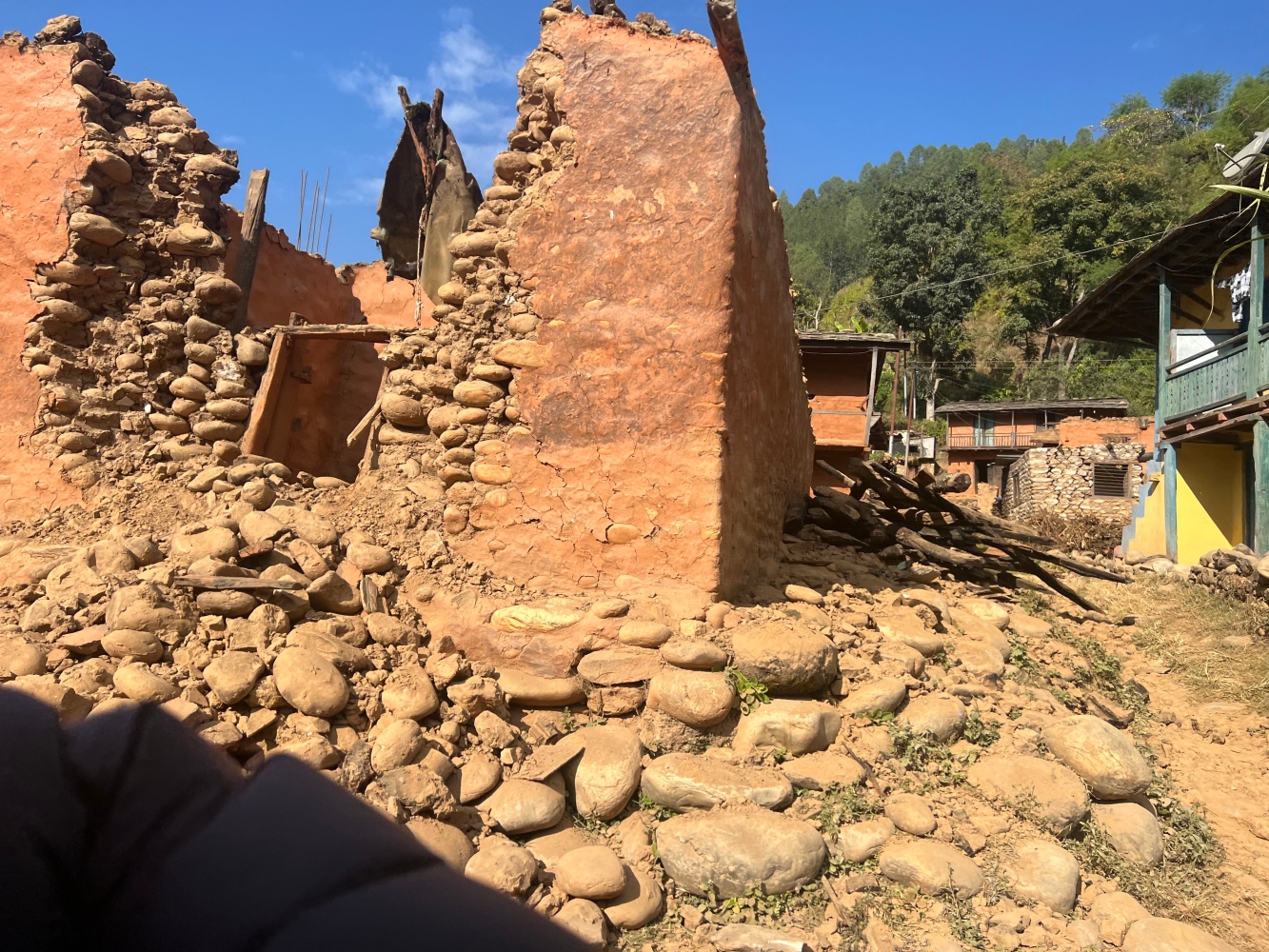
As we approached the epicentre with three vehicles filled with jackets, sanitation kits, blankets, the destruction was shocking. Even in the relatively accessible areas like the district headquarter of Khalanga the houses are still in ruins. A month after the earthquake the rubble still has not been cleared.
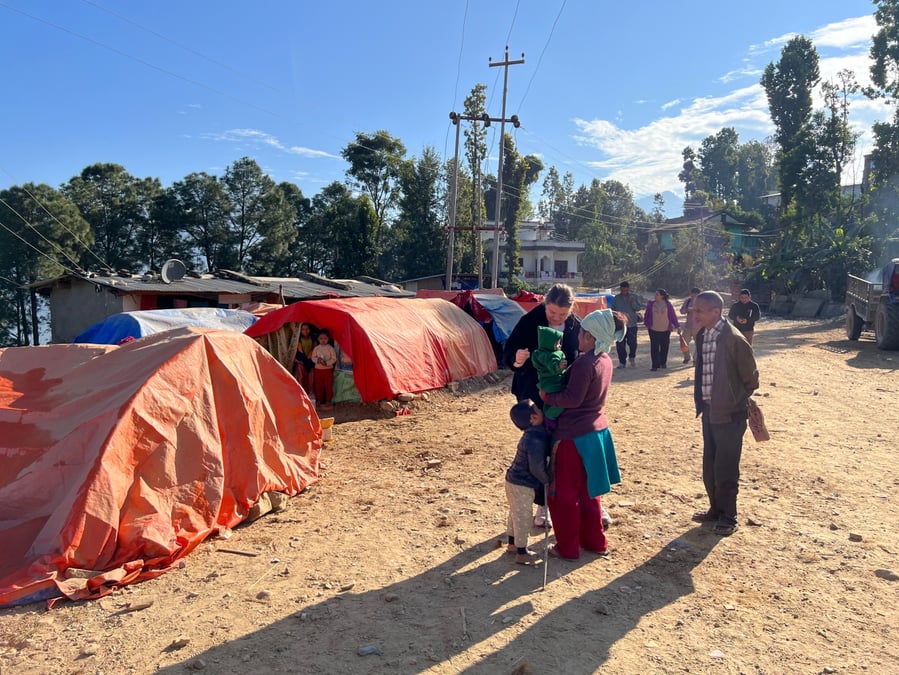
Things get worse the deeper we go into the mountains. On the way to Nalgad, there are rows upon rows of destroyed houses. Most people are living under tarp and bamboo tents, in one of them there were seven members of a family huddled inside. One man in Kalanga had broken his arm, and was sifting through the rubble of his home with his other hand. He was sheltering in a nearby school with many other neighbours.
A school in Nalgad was still functioning, and students were attending classes in tents. Their school was damaged and there was fear of aftershocks.
Multiple political groups and nonprofits are helping clear the rubble in places, but no active rebuilding has started yet.
Read also: Grief-stricken survivors are cold and hungry, Sagar Budathoki
CGI-based temporary homes might be better than tents for this winter. But rapid, affordable, earthquake resistant and sustainable rebuilding must start as soon as possible using the experience and plans developed after the 2015 earthquake.
Rural municipalities must be key partners in all rebuilding efforts. Relief organisations can divide up their efforts to avoid duplication. There are prototypes for winterised temporary shelters and long term solutions for reconstruction:
Immediate Relief and Humanitarian Aid
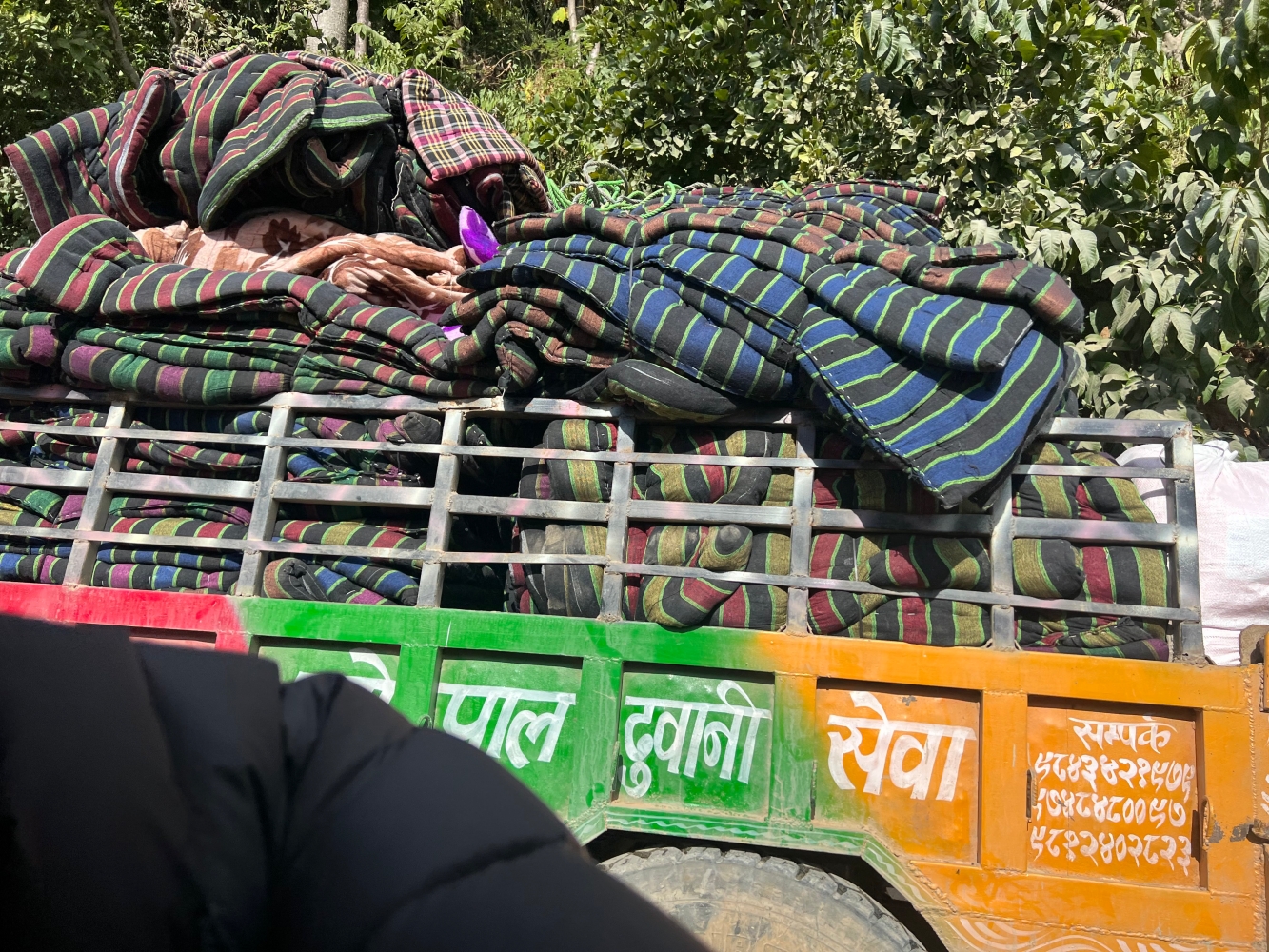
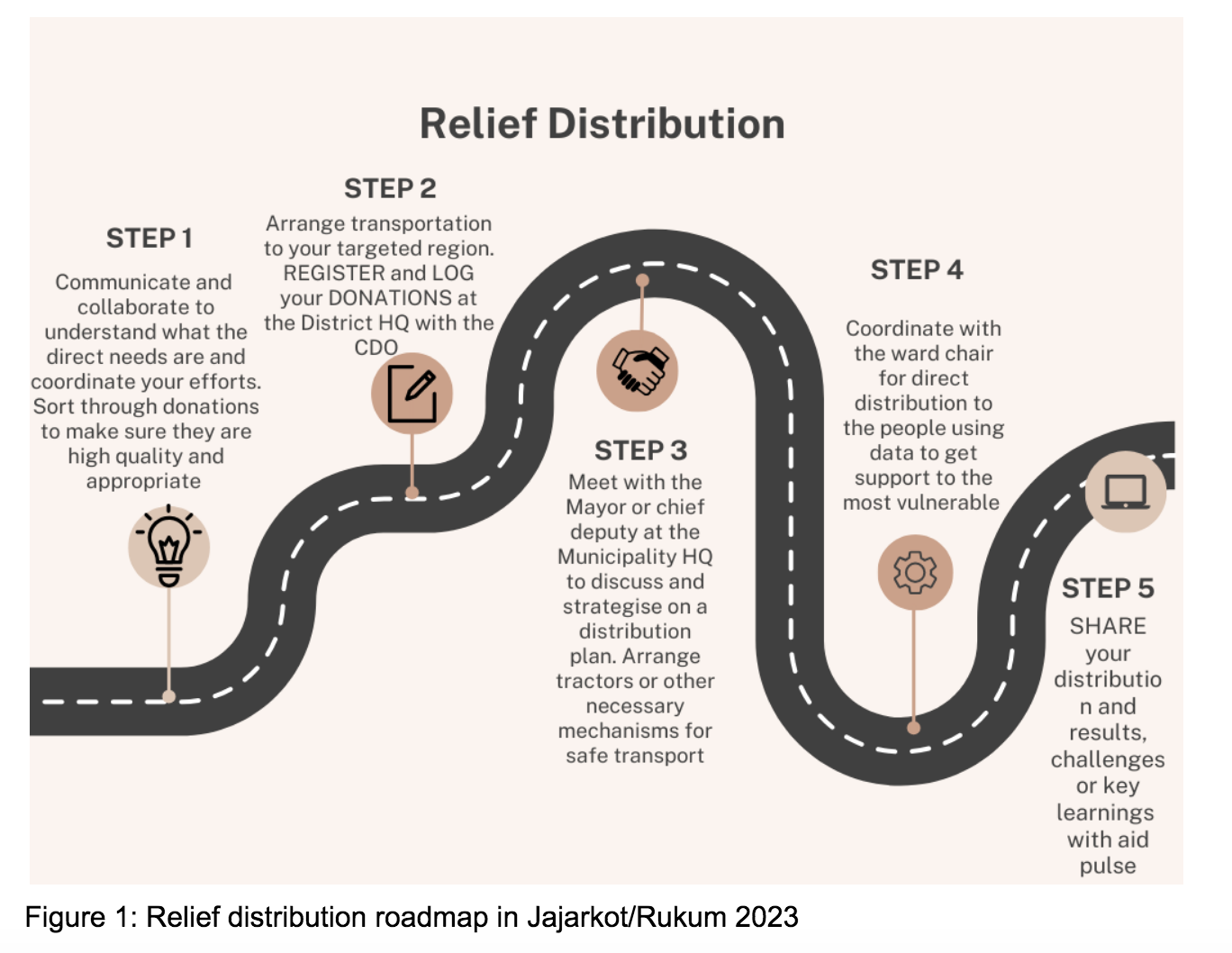
Nepal has a one-door policy currently to manage aid coming into disaster zones. Each district’s disaster relief committee is led by the Chief District Officer (CDO), who is in charge of relief items coming to the region. Jajarkot district has received tons of relief material, and local distribution was initially the bottleneck. There are still reports of items not getting to those that live in remote and roadless areas.
We saw this week that the distribution management appeared to have improved. Items lying in municipality offices and district offices were in the process of being delivered. The municipal system makes it easy to coordinate with local ward chairs to find the areas of acute need.
Our trucks had to be registered with the CDO with an itemised list and approved for further transport deeper into the district. The process seemed seamless. In Nalgad municipality, where few relief organisations are present, the mayor’s office and the Nepal Army have coordinated with NGOs to distribute blankets, clothes to more remote regions.
Read also: Earthquake vacates villages in Nepal, Anita Bhetwal
The municipalities are coordinating better, and working closely with relief aid partners. But there is still a need for logistics management and strategic distribution of relief material to difficult to reach villages. Special care must be given to villages at higher altitudes where it will soon start snowing.
Relief organisations must respect the one-door policy, and not bypass this effort to coordinate relief and avoid waste and overlap. The Ward chairs have their feet on the ground and are the best source for exact need. They should be made partners in all aid distribution locally.
Healthcare
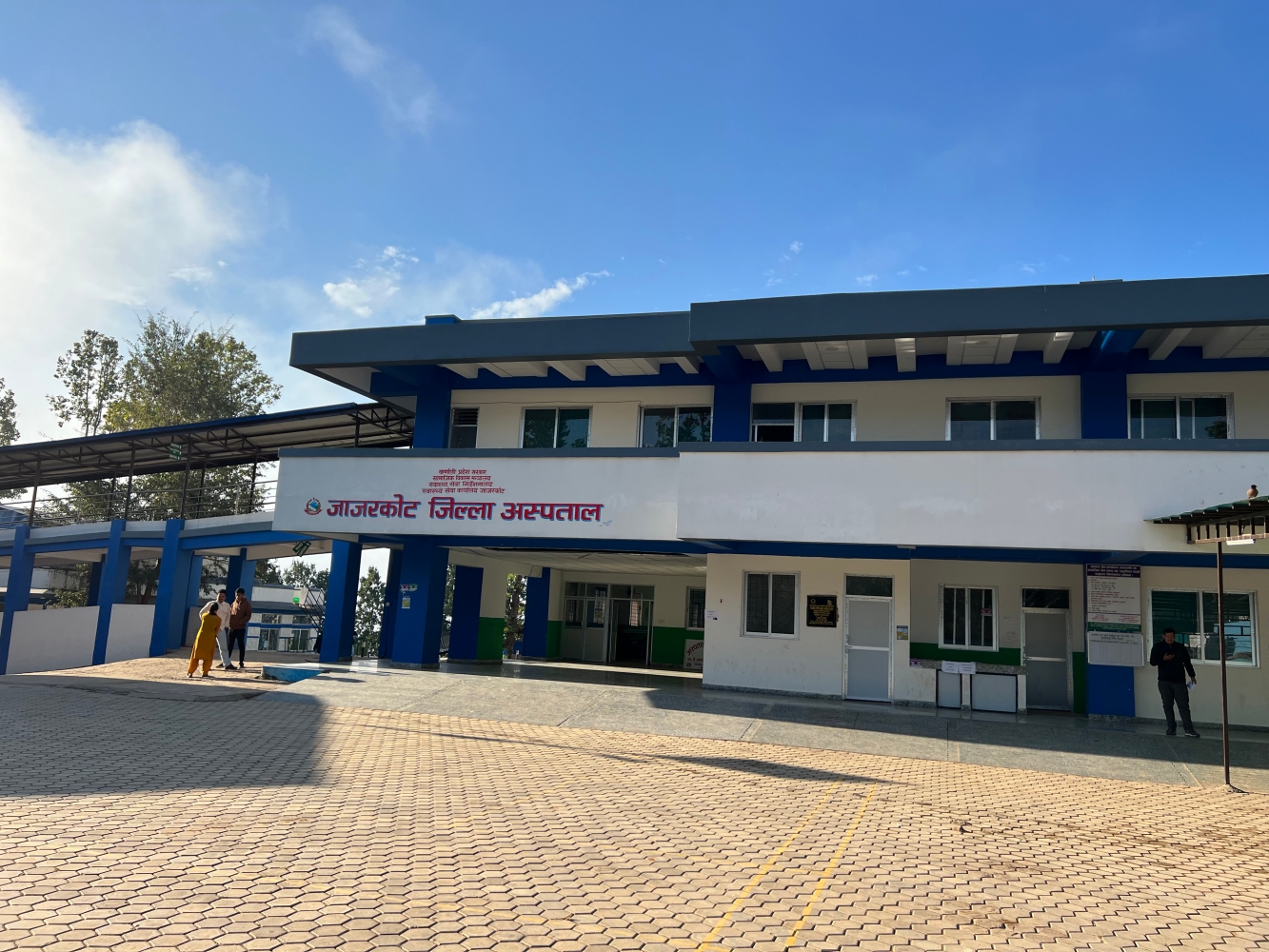
Jajarkot has a well-equipped district hospital, and each municipality has a health centre. There are smaller health posts in wards within the municipality. The nearest high level facility with ICU capacity is in Surkhet.
Jajarkot district hospital had a large number of traumas during the first weeks after the earthquake. The hospital has five medical officers, and one MDGP (consultant) physician, and can provide basic emergency care, maternal and child care including caesarean section and vaginal delivery, and has a robust pharmacy. The hospital’s patient census was not impressive during our visit.