
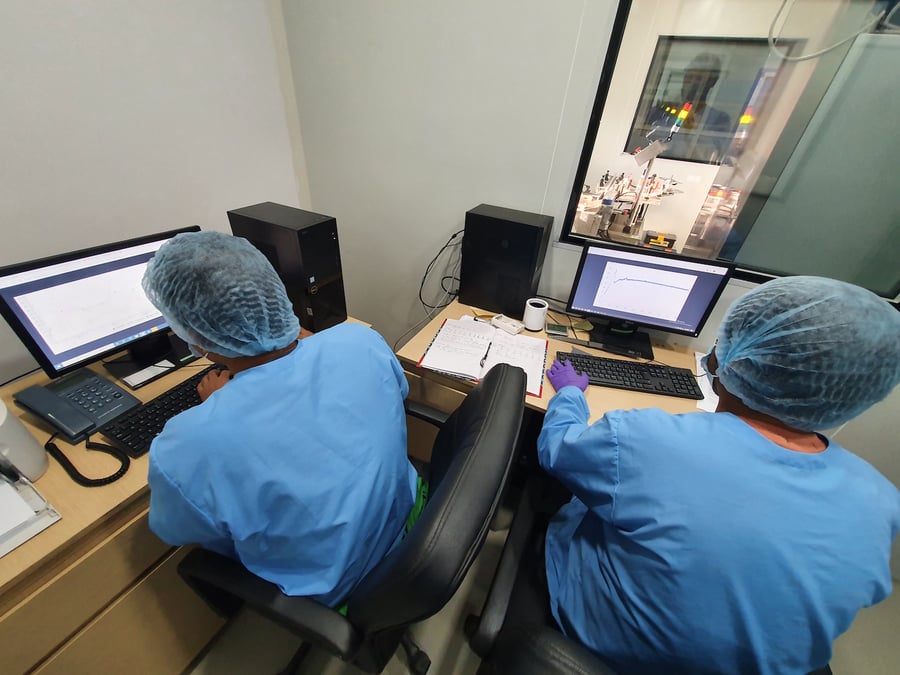
Eight years ago, at a busy Thamel restaurant, a promising new plan to set up an animal vaccine facility in Nepal was born during a meeting with a professor from the University of California-Davis.
The idea was to innovate a cold chain-free viral vaccine that could be transported to rural Nepal without logistical problems and, ultimately, to increase the accessibility of vaccines for small farmers. A government agency in the Netherlands agreed to chip in almost half a million euros to the project as a matching fund.
A few Dutch investors along with Nepali companies were interested in the project as well. So a Foreign Direct Investment (FDI) company called BIOVAC Nepal was established in 2017.
Read also: Invest in investment, Nepali Times
Data from the poultry sector showed that the venture made business sense and had high social impact. So we prepared to get this innovative high-tech company up and running.
The Australian government also pledged money for additional research and enhanced manufacturing capacity. Everyone was excited.
But very quickly, as happens often in Nepal, that excitement turned into frustration. Ahead of the Nepal Investment Summit 2024 from 28-29 April in Kathmandu, this is an account of how deep the rot has set in. Fix this before trying to attract any investors.
Registration for the FDI company alone took almost a year, followed by senseless bureaucratic hurdles. We thought the Department of Livestock was the main agency for permits for an animal vaccine facility, only to find out a year later that it was the Department of Drug Administration (DDA).
Read also: Alternative investments to attract FDI, Siddhant Raj Pandey
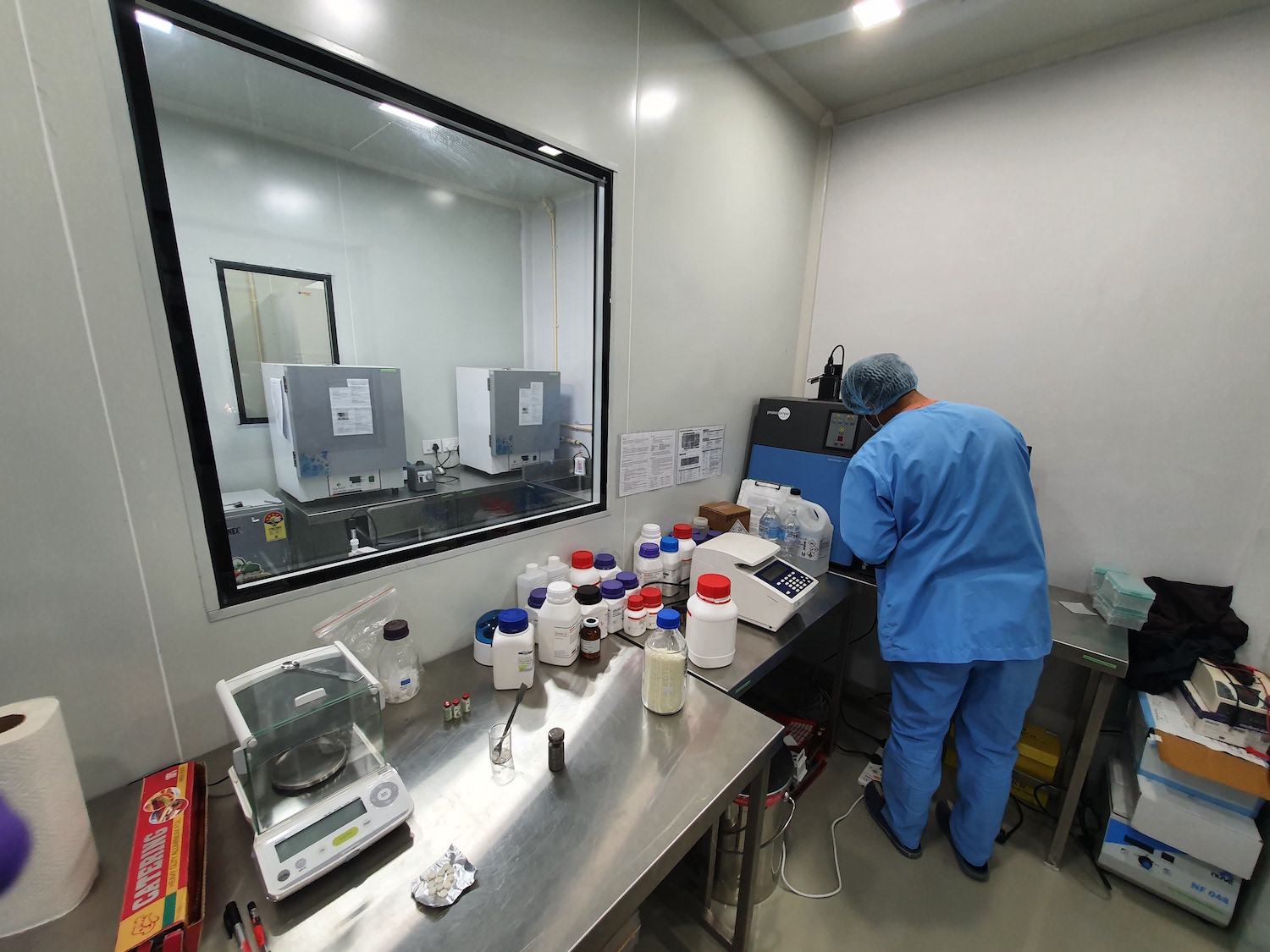
There was no clear instruction and guidance and we were kept running around in circles trying to figure out the procedure. Finally, after six grueling years of effort, we set up a state-of-the-art animal vaccine research, development and manufacturing facility. It took another year and half to get a commercial license for our first product.
The business culture in Nepal is so primitive that contracts are not worth the paper they are signed on. For vaccine commercialisation, we signed an agreement with a local distributor for exclusive partnership with volume commitments and a joint marketing effort.
That did not go according to what was planned and agreed upon. But there was little we could do other than almost beg for help. Recovering money from issued invoices was excruciatingly difficult, if not impossible.
After producing our thoroughly researched and tested vaccine, we then had to go the extra mile to prove that it actually worked. We published all our testing and validation data in internationally recognised and peer-reviewed scientific journals. Even then, we had to constantly face the doubts of Nepali farmers as we attempted to convince them that our product was as good as if not better than imported ones. But there seemed to be little faith in ‘Made in Nepal’.