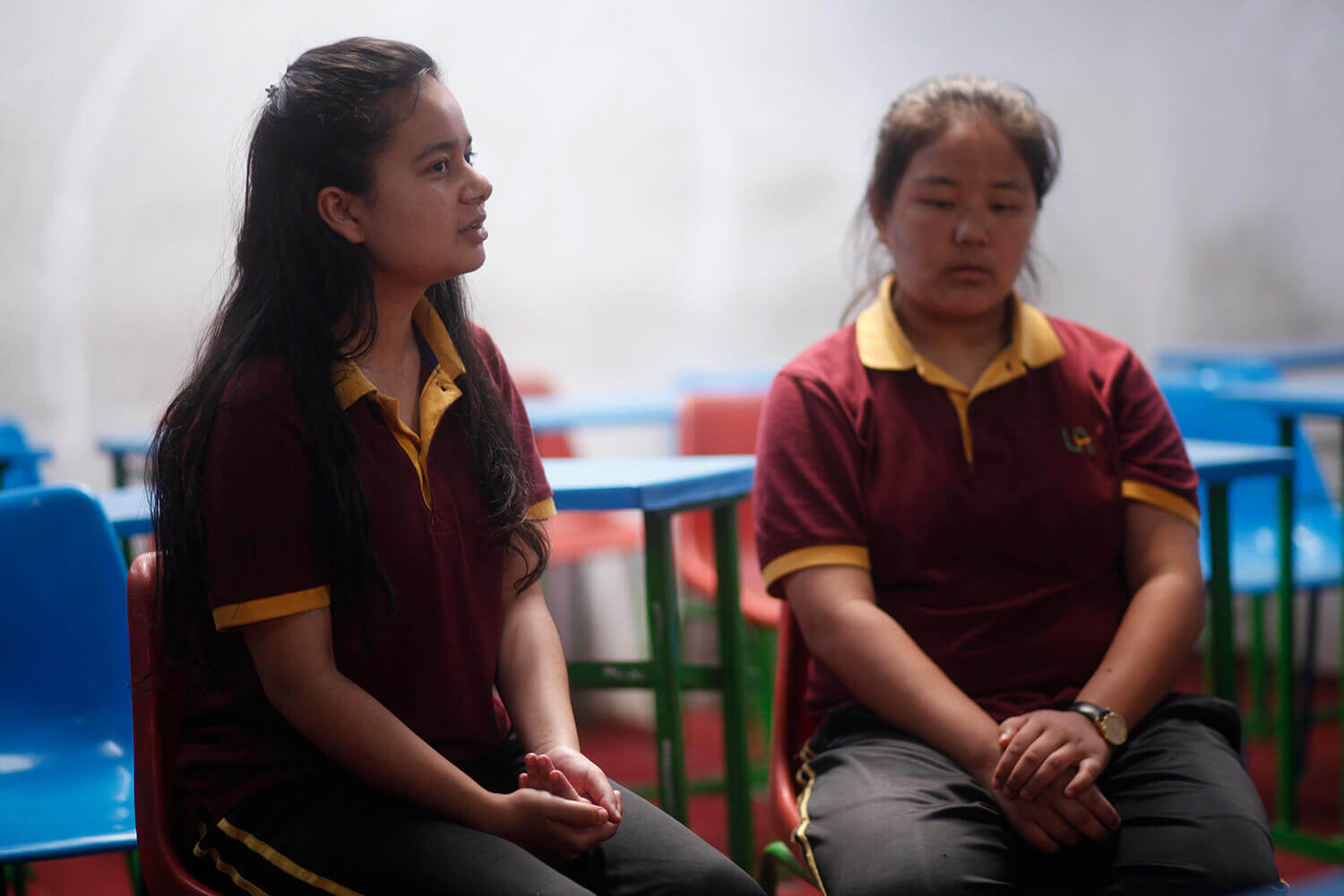
A Nepali Times survey shows adolescents want to know more about reproductive health, but don’t have anyone to turn to
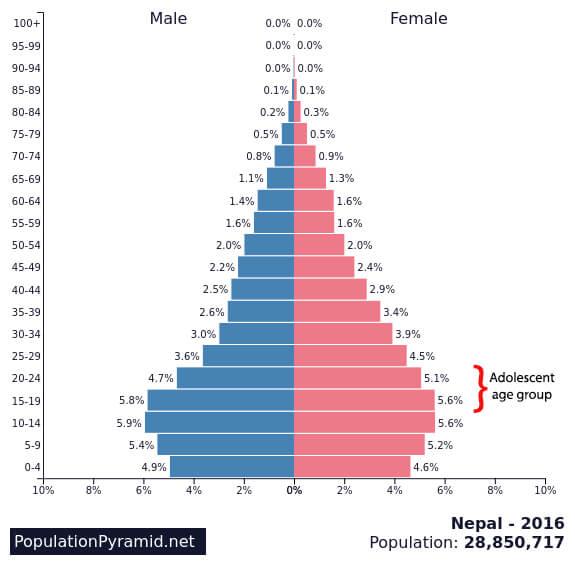
Although Nepal has shown remarkable progress in child and maternal health, somehow not as much attention is paid to the needs of adolescents in the 10-19 age group who make up a quarter of Nepal’s population.
Adolescence is a critical developmental transition from childhood to adulthood in which an individual goes through changes at all levels: physical, emotional, psychological and social. These changes bring with them special health needs and risks.
Yet, the specific problems of this age group are overlooked by health care providers and the government. Surveys have shown that school-going adolescents do not get enough answers to questions about reproductive health, contraceptive use, sexually-transmitted diseases. Rarely do they get this information from parents, either.
“I have irregular periods, and my gynaecologist just gave me medicines without explaining what was wrong. After I stopped taking them, I am irregular again, but I don’t want to keep taking medicines. I don’t know what to do, who am I supposed to ask?” said 16-year-old Nisha Thapa who often misses school because of her condition.
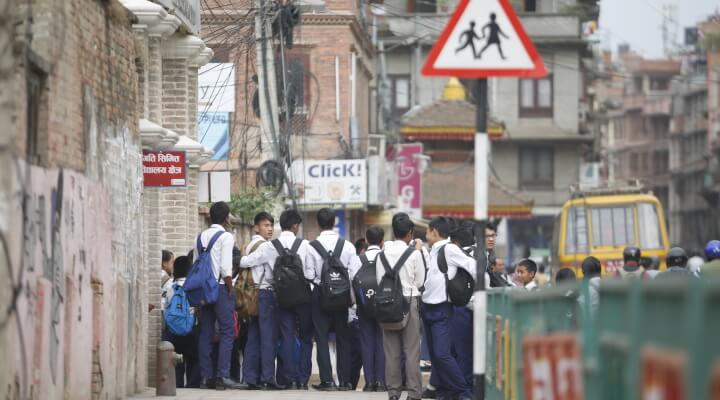
All the girls interviewed for a recent Nepali Times focus group said it would have been much easier if there was a separate health facility for adolescents where they would feel comfortable and open to share problems, without feeling rushed or judged. Both girls and boys in the survey also said their schools did not explain puberty and reproductive health adequately.
"Our level of understanding is book-based. We know the definitions and basic concepts, but I cannot really apply that in real life," said 17-year-old Renu Adhikari. "I know what menstruation is, but I don’t know what is actually happening inside my body. I don’t know what causes cramps and how to ease it."
Even in Kathmandu, there isn’t any separate department for adolescents in hospitals or health posts. Teenagers are directed to adult doctors where they may be too shy to express what is happening to them. Unsatisfactory treatment and lack of privacy are other fears.
Many of the teenagers will be voting-age in less than ten years, and preparing them for life’s struggles should be a critical part of the education they get. But because of the lack of guidance from parents and teachers, they turn to peers or the internet for information, both of which give inadequate or inaccurate information.
All this leads to mental stress and anxiety in many adolescents. A survey showed that one in every five teens in Nepal suffers from some sort of mental disorder, and suicide is the leading cause of death among 15-19 year olds worldwide. Cultivating a safe and non-judgemental environment for adolescents is therefore of key importance, health experts say.
Investment in adolescents can be cost-effective, too. For example, safe motherhood is a top priority in Nepal’s public health. And if adolescent health had been given more importance, girls and boys would have had a more comprehensive understanding of reproduction – leading to fewer complications later in life.
Surveys have shown that many Nepali women are unaware that giving birth before age 20 is not safe. Adolescent reproductive health education is urgent in a country where more than half of women are married by age 18. Pregnancy related complications is the number one cause of death among girls aged 15-19 in Nepal.
The Nepali Times survey of boys and girls aged 14-19 showed girls were mostly concerned about abdominal and body pain during menstruation, or irregular periods. (See box) For boys it was mainly wet dreams and sexually-transmitted diseases, especially HIV/AIDS.