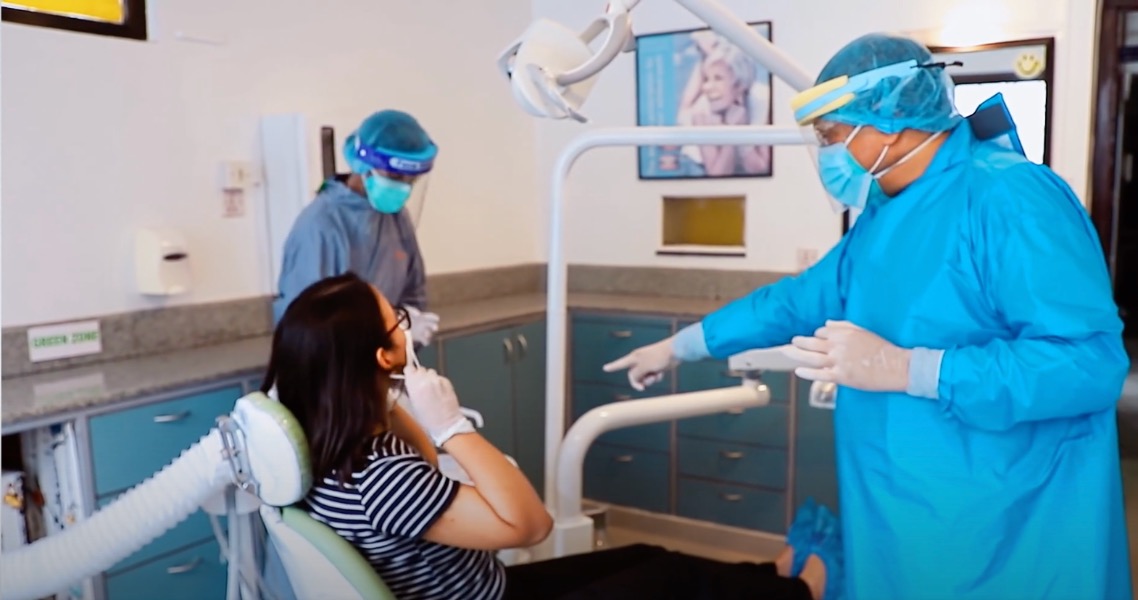
Health care facilities are in much demand during the Covid-19 pandemic, but one branch of medicine that is not seeing any patients is dentistry.
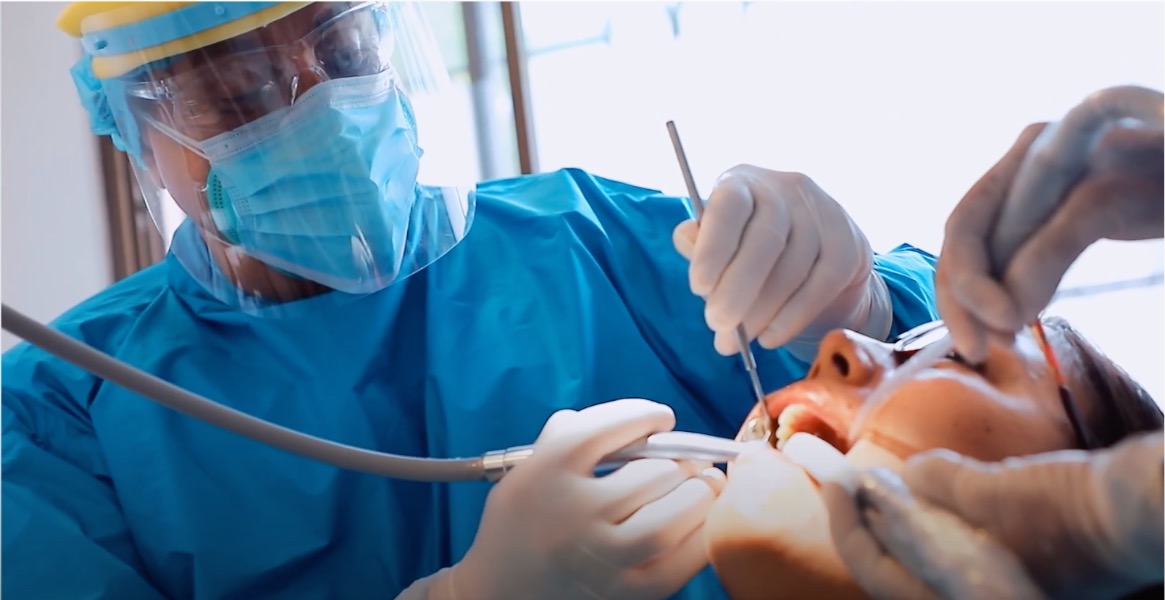
The patient cannot wear a mask, it is impossible for the dental surgeon to maintain physical distance during treatment, and patients, dentists and their nurses all face extended exposure to virus-carrying aerosols.
The World Health Organization (WHO) has advised patients to delay visiting their dentists during the pandemic, and the Nepal Ministry of Health has told dental surgeries to close during the lockdown period.
However, dentists interviewed for this overview told Nepali Times if there is one field of medicine that is most prepared to stop the spread of infections, and who were already following strict protocols, it is oral care.
“Long before Covid-19 dental clinics already had strict protocols to prevent the spread of airborne infections, so if any doctors already had preventive measures in place it would be dentists,” says dental surgeon Sushil Koirala of the Punyaarjan Foundation.
Koirala says most dentists in the region were already following the WHO protocol from the SARS epidemic in 2003, and even before that dental clinic staff in Nepal have been taking precautions against tuberculosis, seasonal influenza, and other airborne pathogens.
Protecting those who protect us from the epidemic, Ramu Sapkota
For the first four months of lockdown after March, the government ordered all dental clinics closed, and had allowed oral care departments in two hospitals to remain open for dental emergencies. However, they soon closed after staff tested positive for the novel coronavirus.
From March to mid-July most dentists spoke to their patients on the phone about symptoms, and depending on the case, the patients were given advice, prescribed painkillers or antibiotics.
Over 90% of the cases were gum infections or tooth decay due to excessive snacking during the lockdown. Most could be treated with analgesics and mouthwash.
“With the more serious cases, we practiced a crude form of telemedicine where we asked the patient to take a live video of their oral cavities so we could advise on a course of action,” Koirala says. “Some of my patients learnt to take really good selfies.”
Even when the restrictions were partially lifted on 21 July, clinics were still largely empty because the patients were too scared to visit, and the staff stayed away. Dental clinics then followed their standard protocols, adding new guidelines on pre-appointment interviews, disinfection of surgery after every patient, personal protective equipment, and procedures like limiting the number of patients and minimising contact.