Much more than today, in the next decade smartphones will become the primary means of accessing the internet in Nepal, making social media an even greater influence in society. At the same time, financial technology, AI and e-commerce will transform the economy.
Already, 96% of households in Nepal have at least one mobile phone and more than half of those were smartphones. A survey this year showed that nearly everyone here who accesses the internet does it through a smartphone — and almost everyone who is logged on also has a Facebook account.
Read also:
So, you want to quit Facebook?, Reeti KC
Face-to-face with Facebook, Editorial
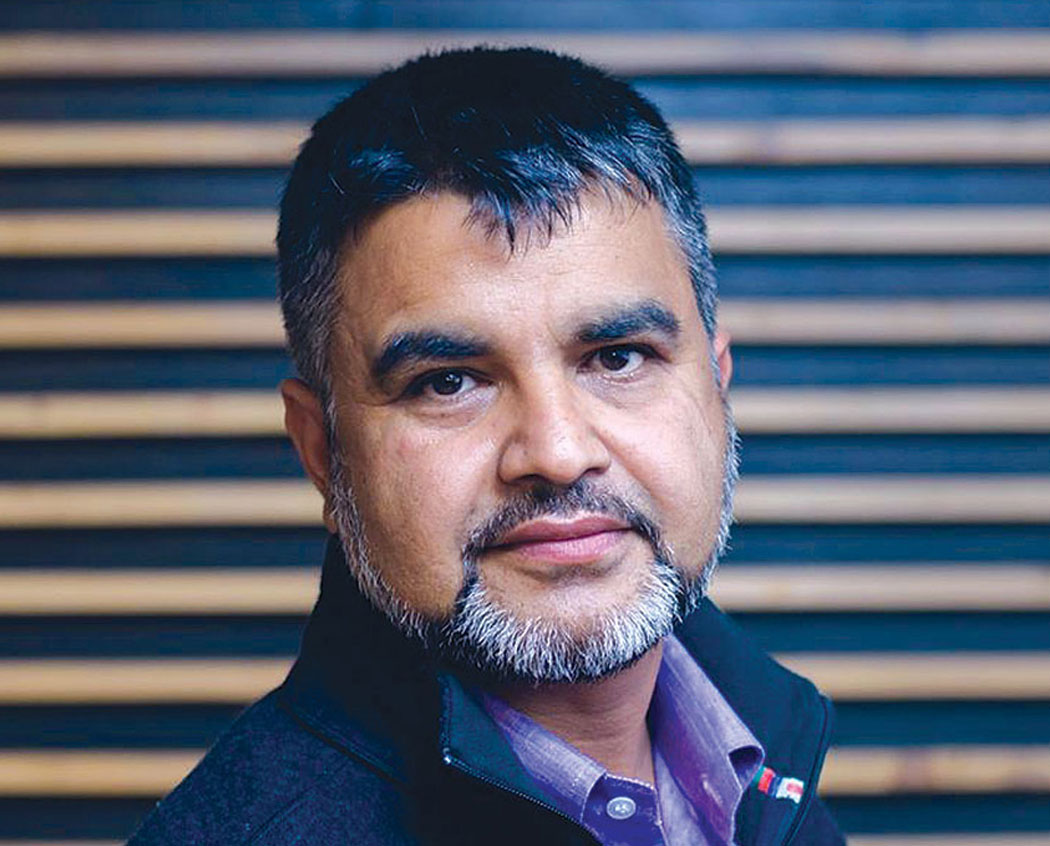
“Once you are introduced to the smartphone and the features that come along with, it is very difficult to go back, and this trend is growing exponentially,” says Madhu Acharya of Sharecast Initiative, which conducts the annual social media survey. He forecast that the digital divide between urban and rural is going to narrow in the coming decade.
“More older people will be accessing the Net through smartphones, which will get cheaper,” adds Acharya. He gives the example of his father, who used to own a feature phone but switched to a smartphone to communicate with grandchildren and relatives abroad through Facebook.
Read also: Nepal is becoming a nation of net addicts, Sabina Devkota
The trend of using the internet to access media sites is going to grow in coming years, as digital portals replace television to become the key source of national and international news for Nepalis. People will get more and more used to watching content whenever and wherever they like rather than wait for the 7 o’clock news bulletin.
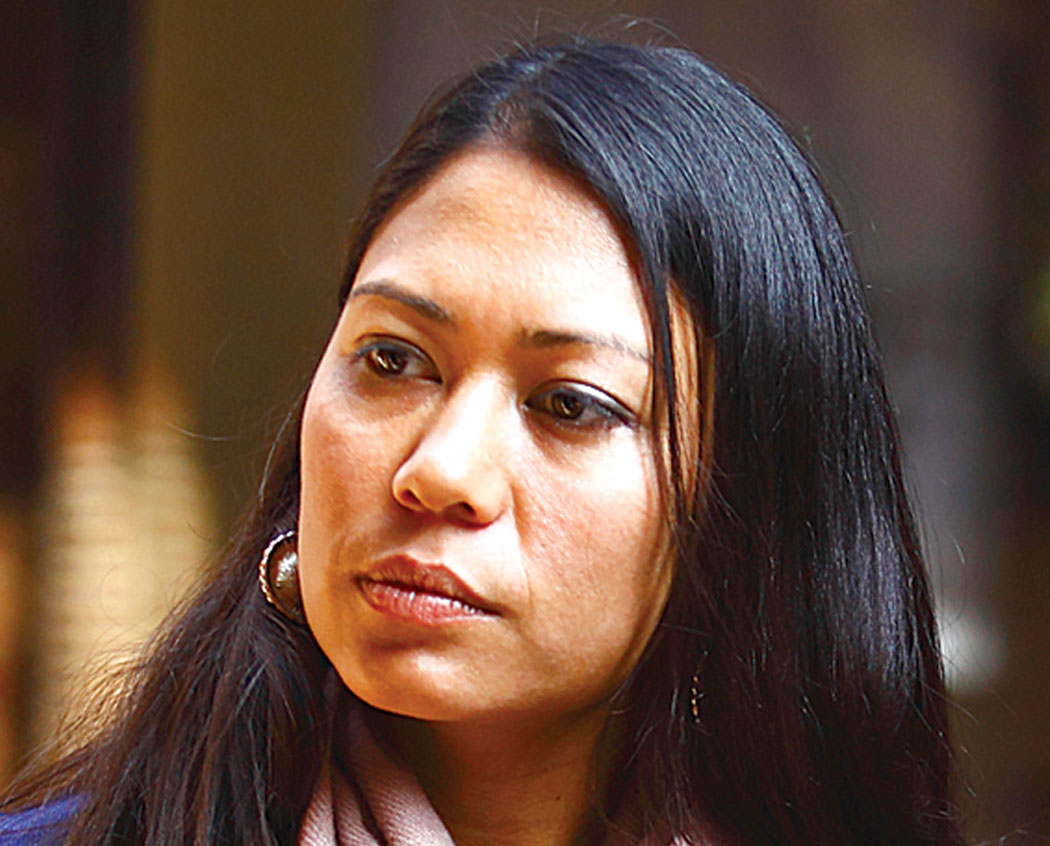
In terms of online finances, Sumana Shrestha of Fusemachines says that the latest algorithms will provide a larger section of the population access to financial technology in the coming decade. AI has been making progress in Nepal, and possibly the biggest change will come when the technology that digitises handwritten application forms, through Nepal’s AI Office of Civilian Requirements, will be smart enough to produce an editable document both in English and Nepali.
Read also: Bringing Silicon Valley to Kathmandu Valley, Sonia Awale
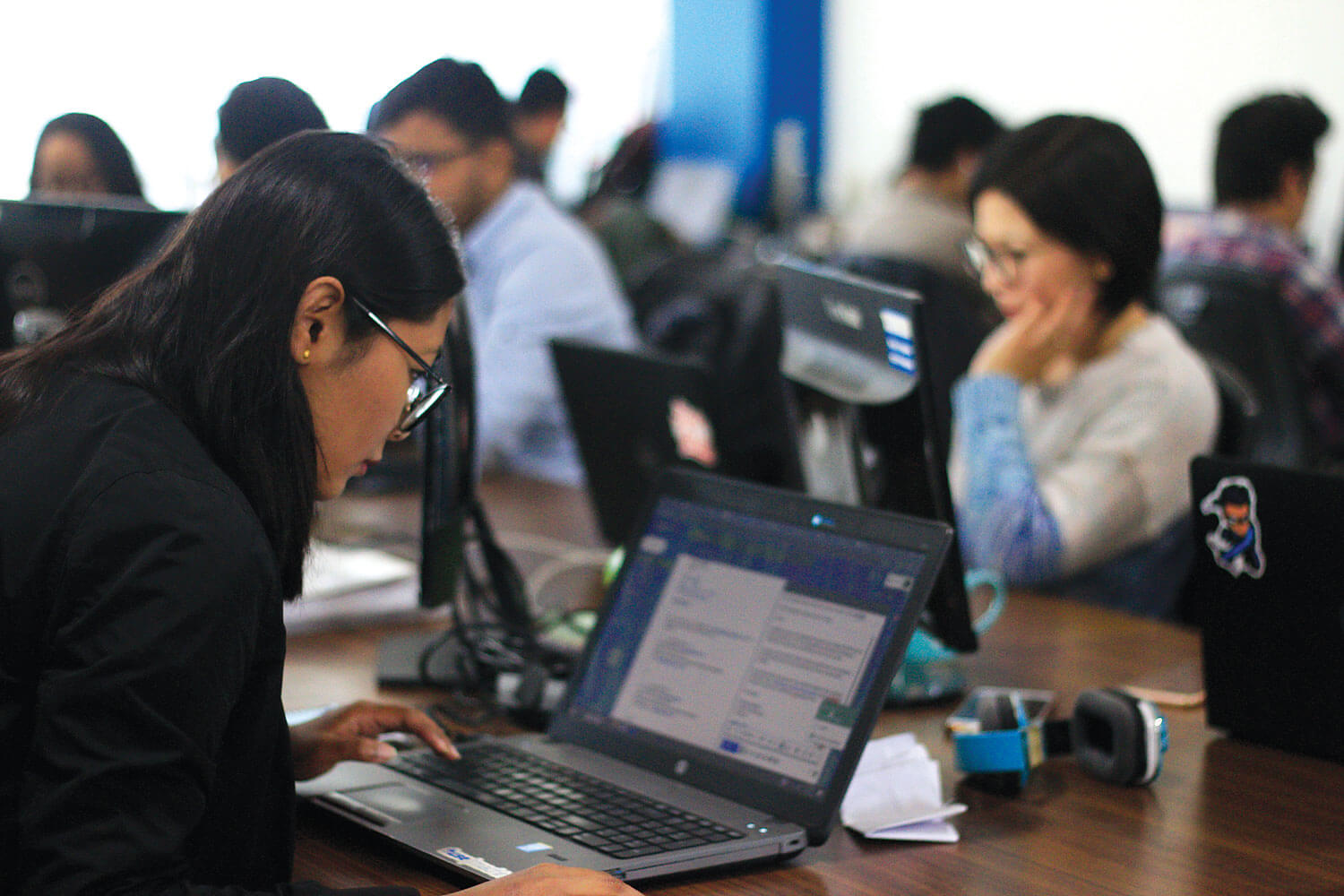
Nepal has a wealth of software talent in information technology, and this need to be converted to work with AI, Shrestha says. Fusemachines and other AI-centred companies are already collaborating with local engineering colleges to build a critical mass of AI expertise in Nepal.
Kai-Fu Lee, the former president of Google China and an AI expert, wrote the book AI Superpowers: China, Silicon Valley, and the New World Order. He predicts that in the coming decade a country will forge ahead if it has ‘an army of well-trained engineers and entrepreneurs, AI scientists ... with abundant data and a supportive policy environment’.
‘China is able to apply skilled AI in various areas, like healthcare, finance, safety systems and systems for smart houses,’ Lee writes, adding, ‘poor countries will stagnate while the AI superpowers take off.’