
Sometimes it can feel as though Nepal goes through endless cycles that bring us back every time to the place where we started. Maybe we just need more years to look back and see the progress.
But up close, we seem to stand still. The present moment is like that. Consider these needs that remain urgent, yet have been forgotten:
- The need for independent commissioners to deal with the demand of conflict victims for transitional justice, and the permanent need of society for the rule of law
- The need for independent police accountability mechanism to deal with the way democratic rights are sometimes repressed, especially during this Covid-19 crisis
Both pre-requisites continue to be urgent if this country is ever to deal with impunity and the daily humiliations of injustice that go unanswered. But we have been diverted time and again by petty politics.
It is now two-and-half years since the elections that led to the creation of the Nepal Communist Party. Many saw this as a decisive moment, a time when we left behind our turbulent past and unified Nepal to bring prosperity.
Some saw an opportunity at last for a ‘peace dividend’. In the international community, many considered it as a harbinger of stability, which would allow them to finally fully implement development programs free from the disruption of war and political intrigue.
Very few were alert to the risks to human rights. It was almost as though political commentators and the diplomatic community shared the view that the political stability they thought was assured for the foreseeable future would automatically lead to a sudden respect for rights.
These days, the pandemic is occupying people’s thoughts. Nepal faces grave risk as the disease spreads, and there is an urgent need for appropriate and effective countermeasures. But even before this massive unforeseen shock to our society, political stability and respect for human rights was looking less and less certain. In the past few months the uncertainty is even greater.
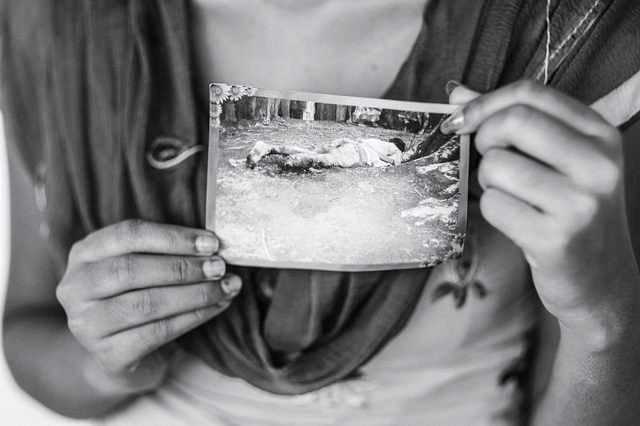
One of the costs of ‘stability’ has been transitional justice. Remedy for victims of the conflict was put on hold after 2006, and especially two years ago, before the pandemic appeared on the scene. The promised truth commission has failed to deliver. Many of us had hoped that the truth telling process would be the foundation for institutional reforms in the justice system that had been put off year after year since the Comprehensive Peace Accord (CPA) of 2006.
The marginalised in our society are denied access to justice, notably minorities such as Dalits and women victims of violence. Legitimate public protest is still met with harsh and excessive use of force by the police. Convictions in the courts still largely depend on confessions under torture and cruel treatment rather than proper, non-coercive investigation -- still a rare skill in Nepal to the shame of all of those involved in efforts to improve public security for all.
Political, social and economic instability have gone hand in hand with violation of basic rights. They are mutually supporting dynamics.
Since 2006, more and more Nepalis have come to rely on remittances from family members working overseas for their economic survival. This safety valve is now in doubt because of the economic downturn caused by the global pandemic.
The idea that political stability and prosperity would put an end to human rights violations was always a pipe dream. A society with such entrenched discrimination is always going to find consensus difficult, and end up resorting to violence and coercion to maintain the status quo, or to resolve inevitable disputes.
We can all agree that Nepal faces a difficult short and medium-term future. All human rights defenders now need to consider some key fundamentals: