
Until vaccines and therapies are available, we in Nepal like everywhere else in the world, have to learn to live with this scourge. Extending the lockdown is not the answer unless other measures such as mass testing and sero-prevalence surveys are done.
Which is why good sense has prevailed and the CDOs of Kathmandu Valley met at the Home Ministry on Wednesday and decided to be smarter about the lockdown, allowing people greater freedom and asking them to take necessary precautions to remain safe.
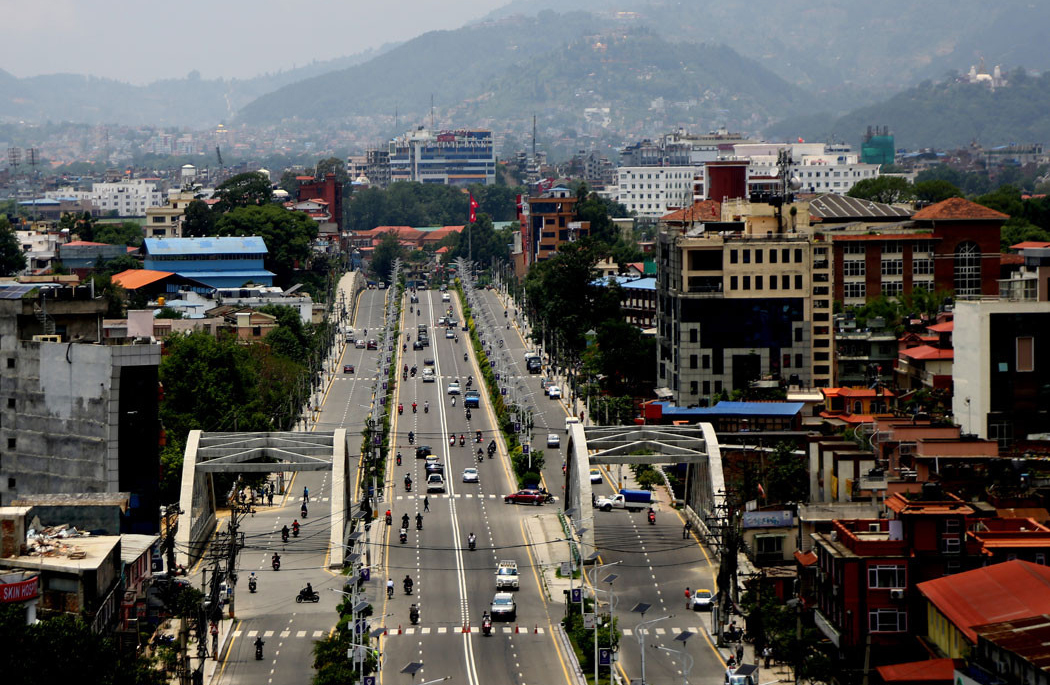
From Thursday, odd-even number vehicles will be allowed back on the roads, including bigger size public buses. Provisions shops will be allowed to be open from 5-11AM, and 5-7PM. Restaurants will also be allowed to do takeaways and online deliveries for limited periods, but with strict compliance. Department stores, shopping malls and other shops can open Mondays, Wednesdays and Saturdays.
Detailed do's and don'ts have also been issued, but somewhat ambiguously, the directive also states that 'services similar to the above' will also be allowed. Experts have also questioned how wise it is to limit opening time for shops because it could lead to overcrowding.
But something is not quite right about the way this decision has been taken. By handing over discretion on lockdowns to CDOs across the country who are under direct command of the Home Ministry, the government is passing buck. Leaders in Kathmandu forget that Nepal is a now a federal state, decision-making has been devolved to local governments
The most effective strategy to deal with the pandemic is to let elected local leaders to decide how to handle it, with the central government only ensuring that they have adequate resources, equipment and medical personnel. Unfortunately, the national level leaders are taking self-isolation a bit too seriously, and are nowhere to be seen. They have centralised power, and have gone into hiding with it.
What we do see every day is the Nepal Ministry of Health’s coronavirus press briefing. It is an endless listicle of statistics read out by Jageshwor Sharma Gautam, who may be a fine obstetrician and gynaecologist, but has such dreary delivery that he should have been the last choice for a spokesperson.
During the Vietnam War, the US military had daily press briefings at Saigon’s Rex Hotel which were called the ‘Five O’clock Follies’ in which a spokesman read out a long list of American victories that day. Invariably, the number of Viet Cong dead would exceed American fatalities by a factor of ten.