Children in Nepal are under the risk of severe malnutrition due to loss of household income and resulting food insecurity brought on by the lockdown to control the COVID-19 pandemic.
The extended closure of school means that 2.4 million children who used to benefit from the government’s school meals program are not getting supplementary nutritious food – especially in the grain deficit Far-western and Karnali Provinces.
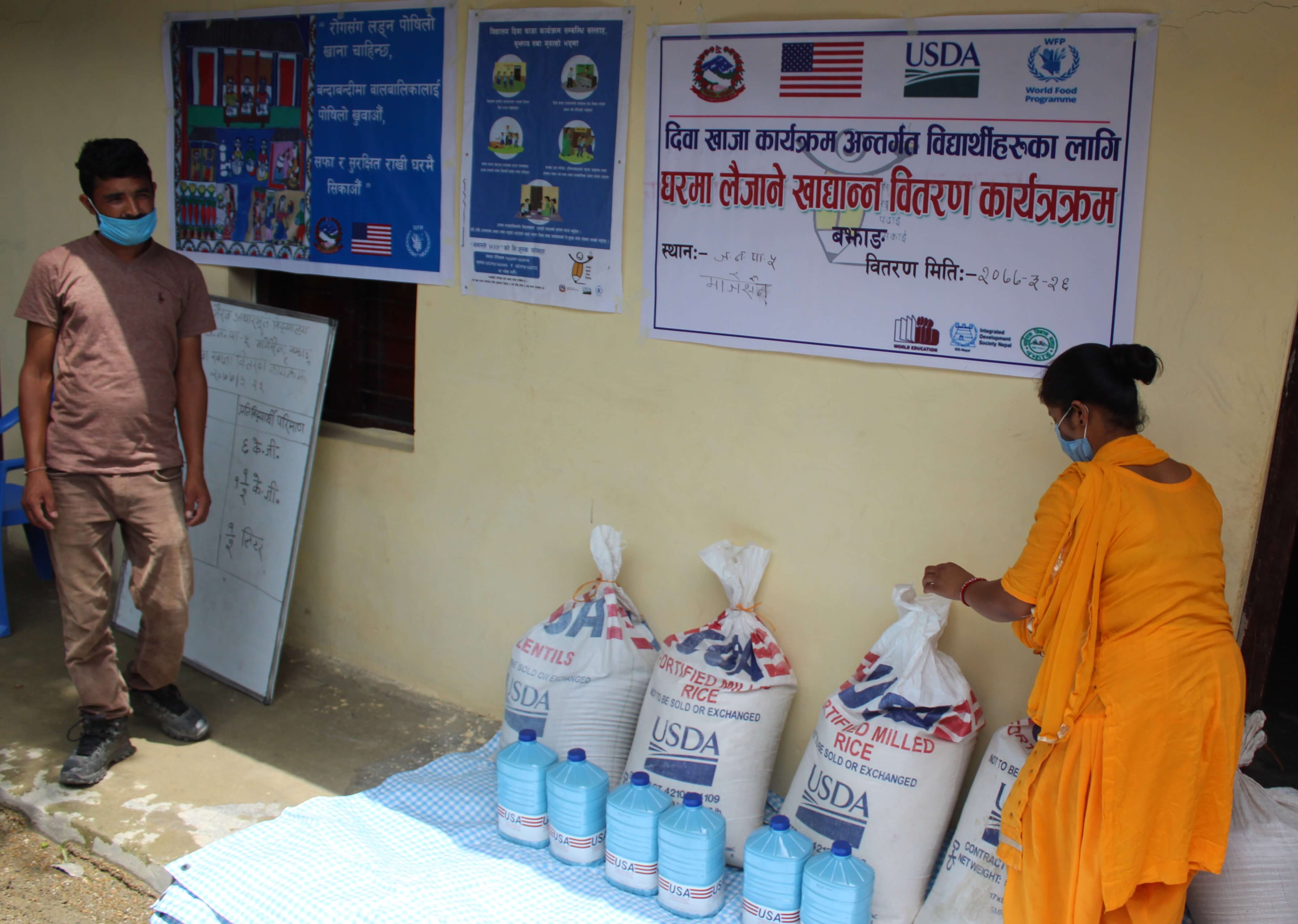
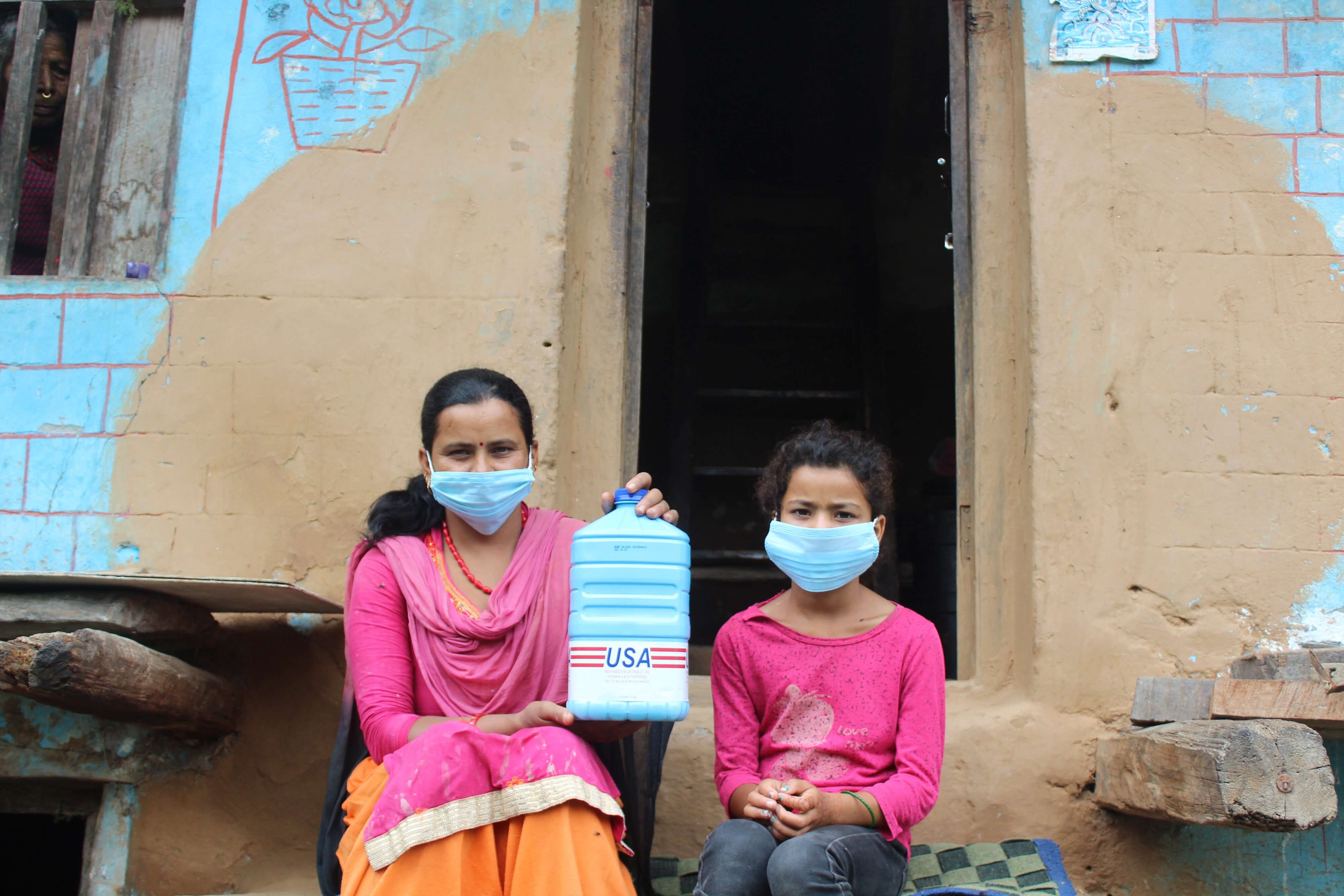
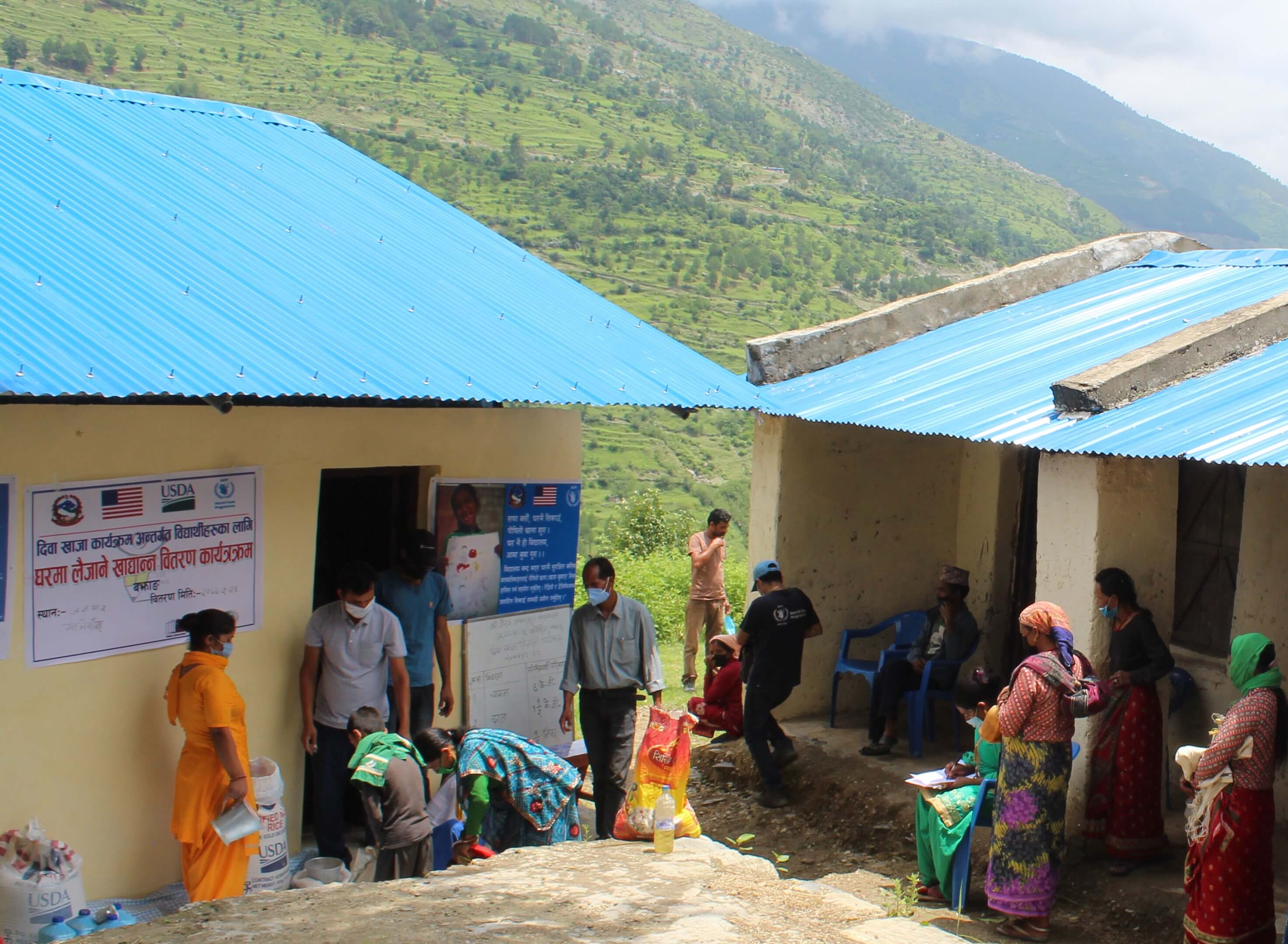
Now, the World Food Programme (WFP) with the Nepal government are distributing 1,500 metric tons of fortified rice, lentils and vegetable oil donated by the United States to school-going children from grades 1-8 in rural Nepal.
The campaign will benefit families most vulnerable to COVID-19 lockdown impact in the western provinces.
“The lockdown has put a far greater burden on parents to provide their children with balanced and nutritious meals at home,” says Pippa Bradford, WFP Country Director in Nepal. “These take home rations will provide an interim respite for these families until children return to school – while facilitating at-home learning.”
Families in western Nepal are unable to provide enough daily food for themselves or their children, so often opt to keep the children at home rather than send them to school on empty stomachs. But many schools in the recent years have been able to motivate poor parents from food-deficit districts to send their children to school knowing that they will be fed a free lunch.