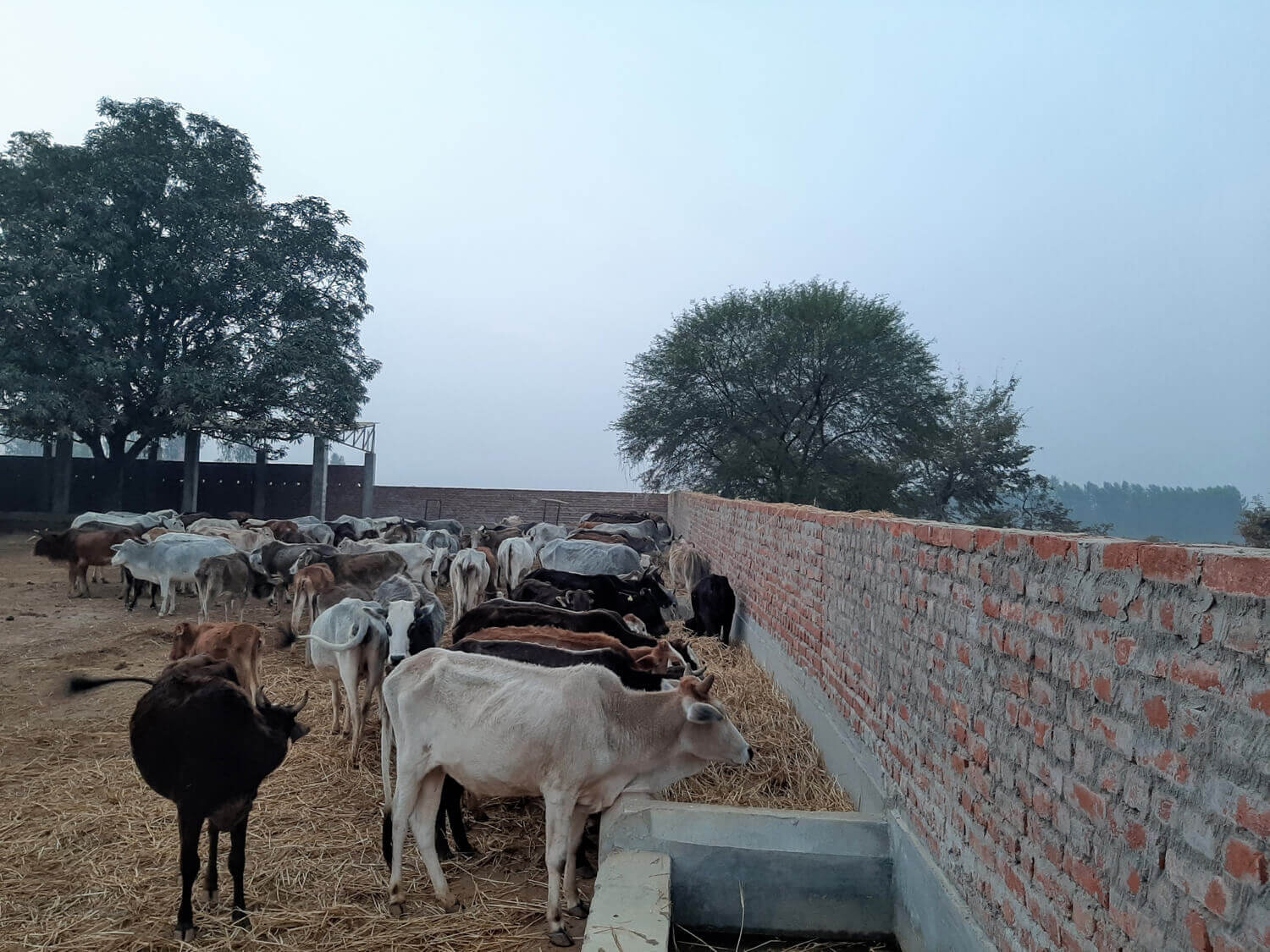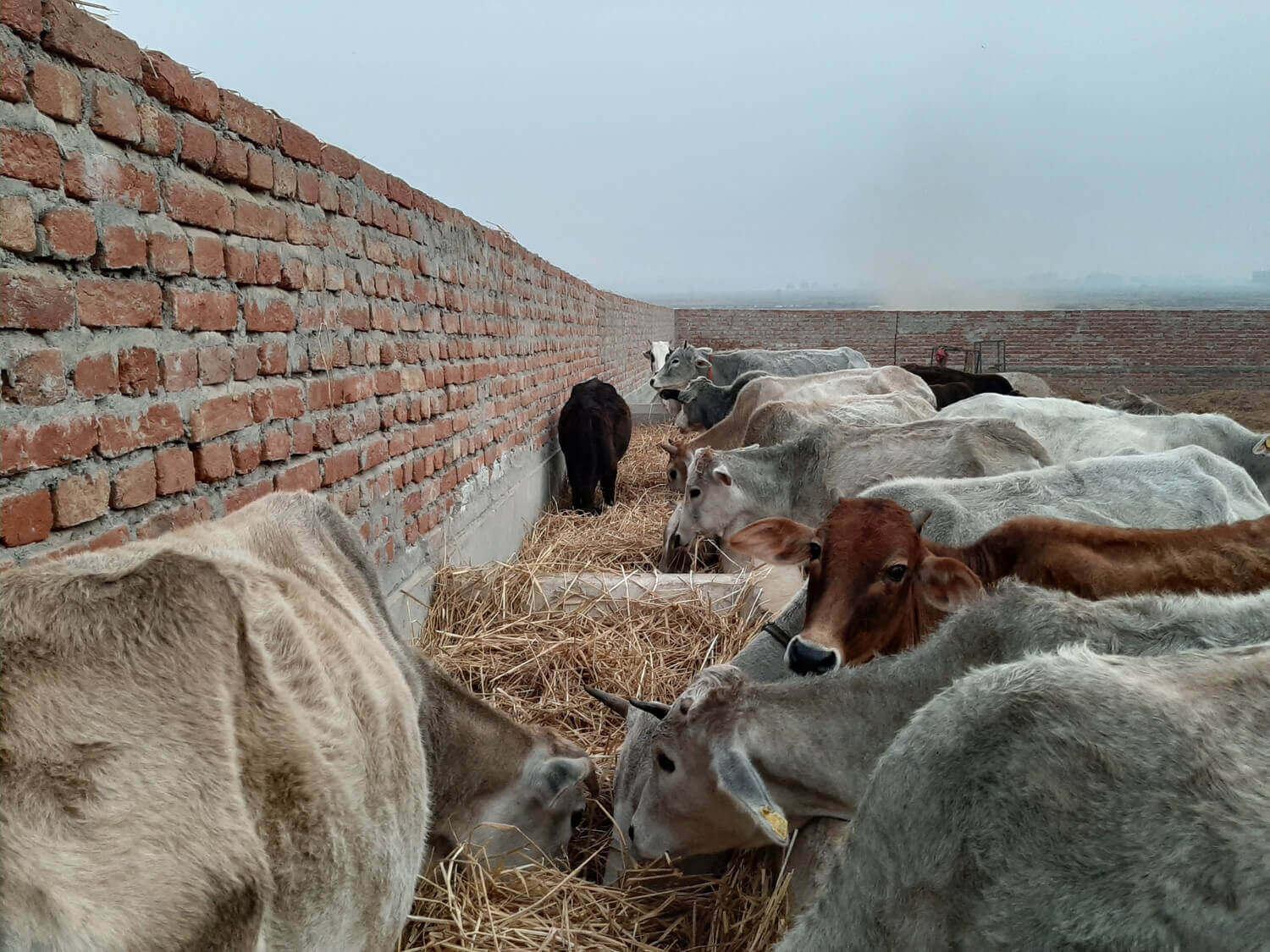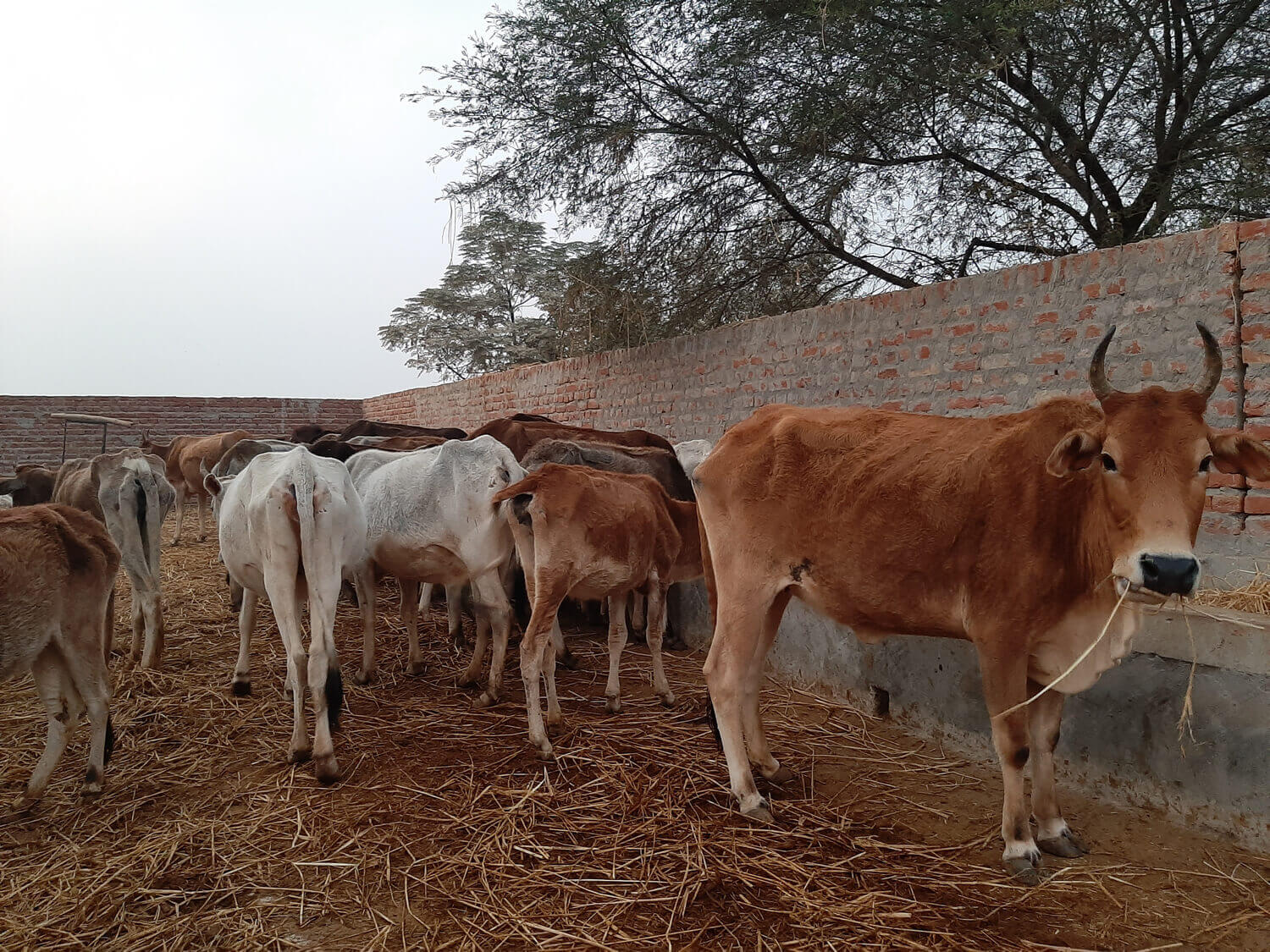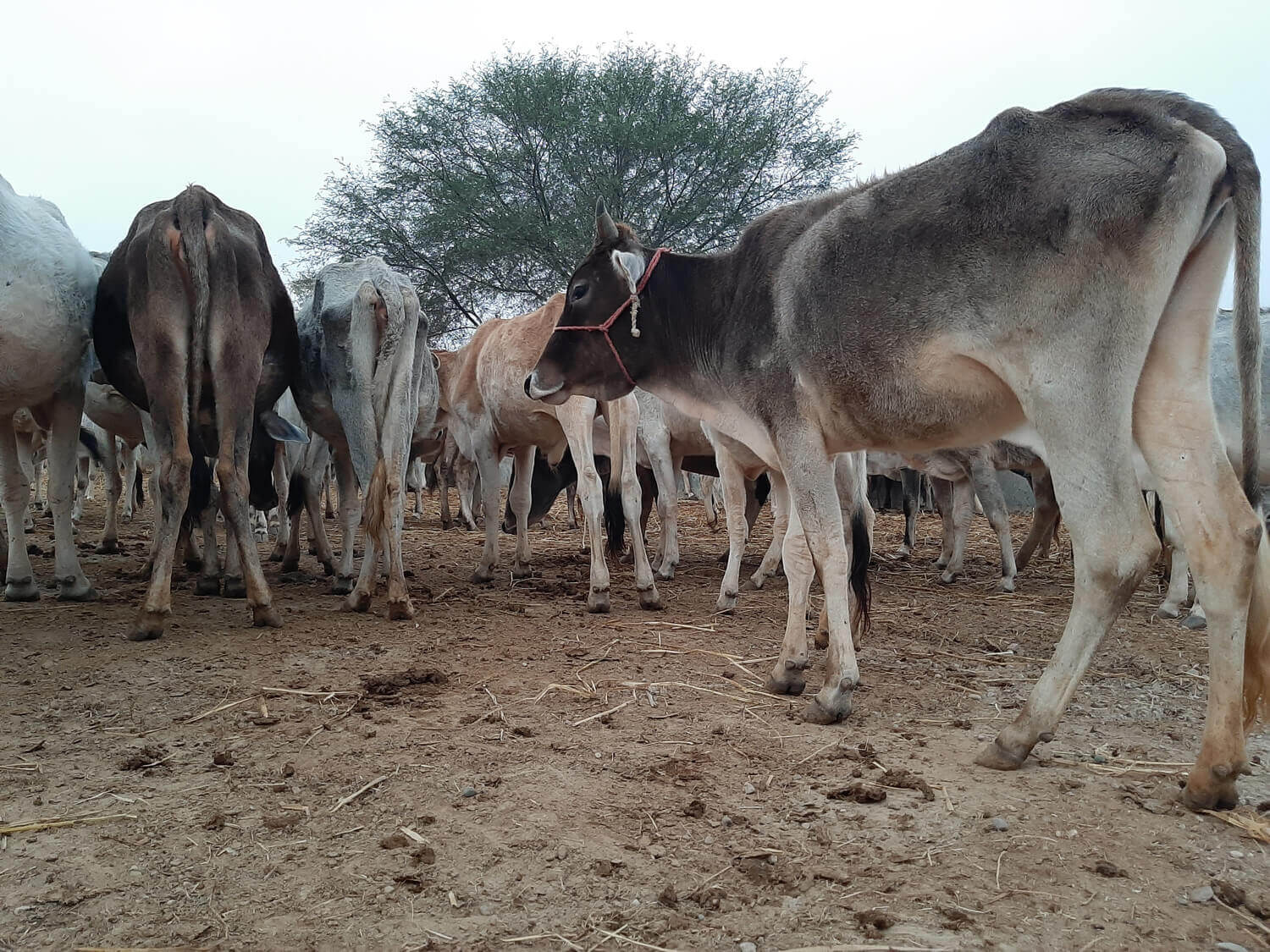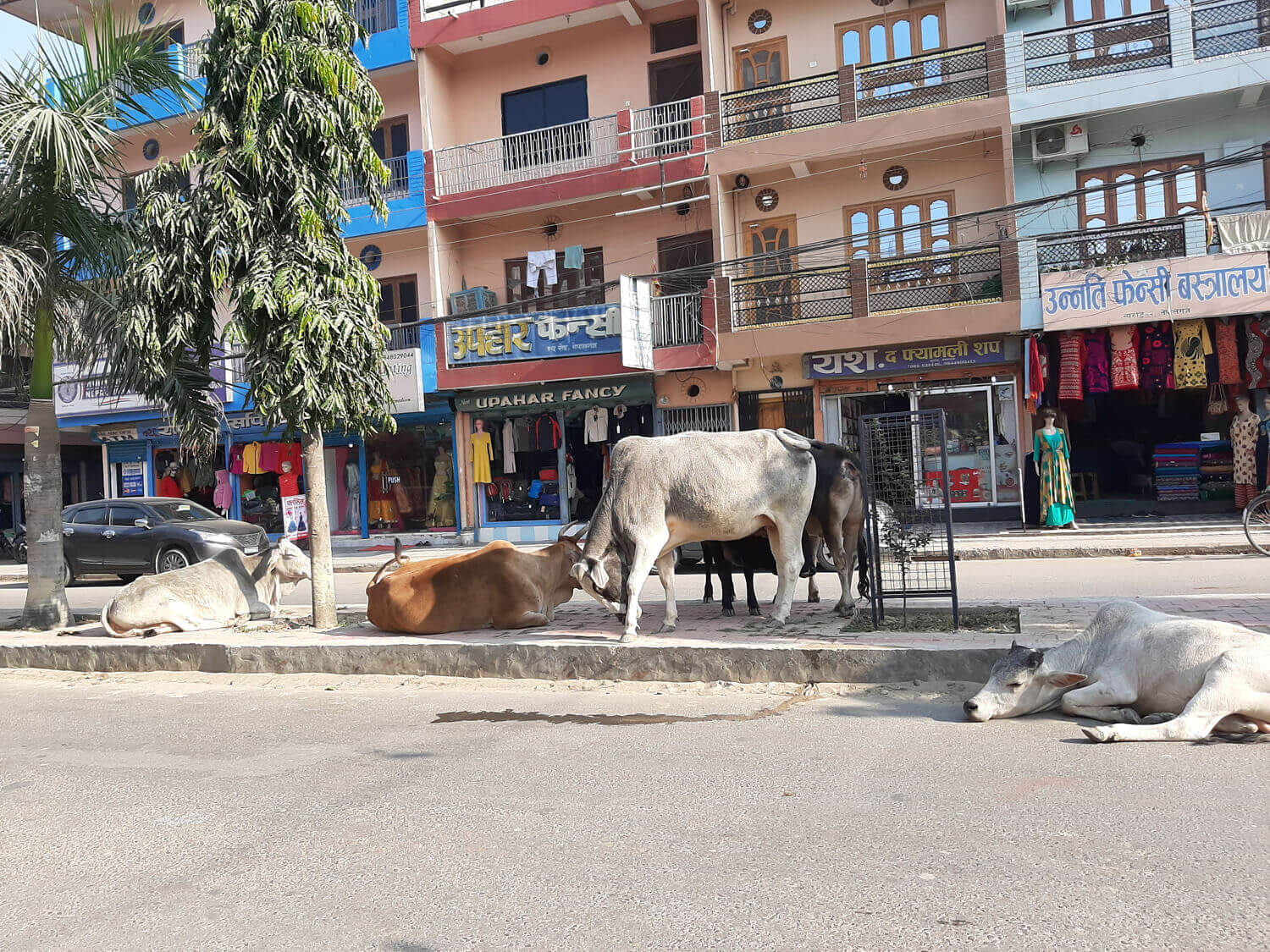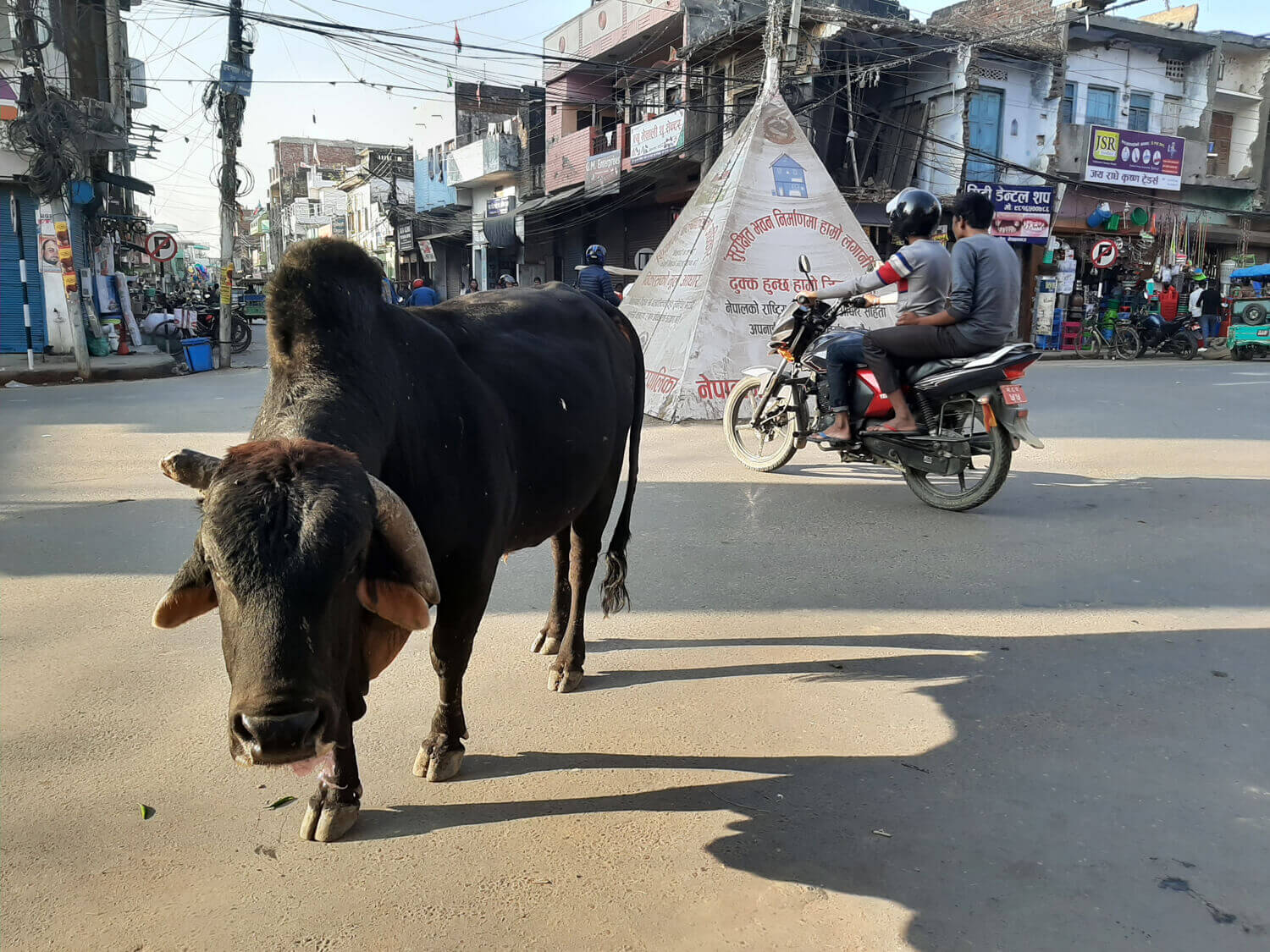
Nepalganj is expanding as a hub for western Nepal, with a new six-lane highway linking it to Kohalpur and upgrading work on the airport. But these days the city and its surroundings have also become a hub for abandoned cattle.
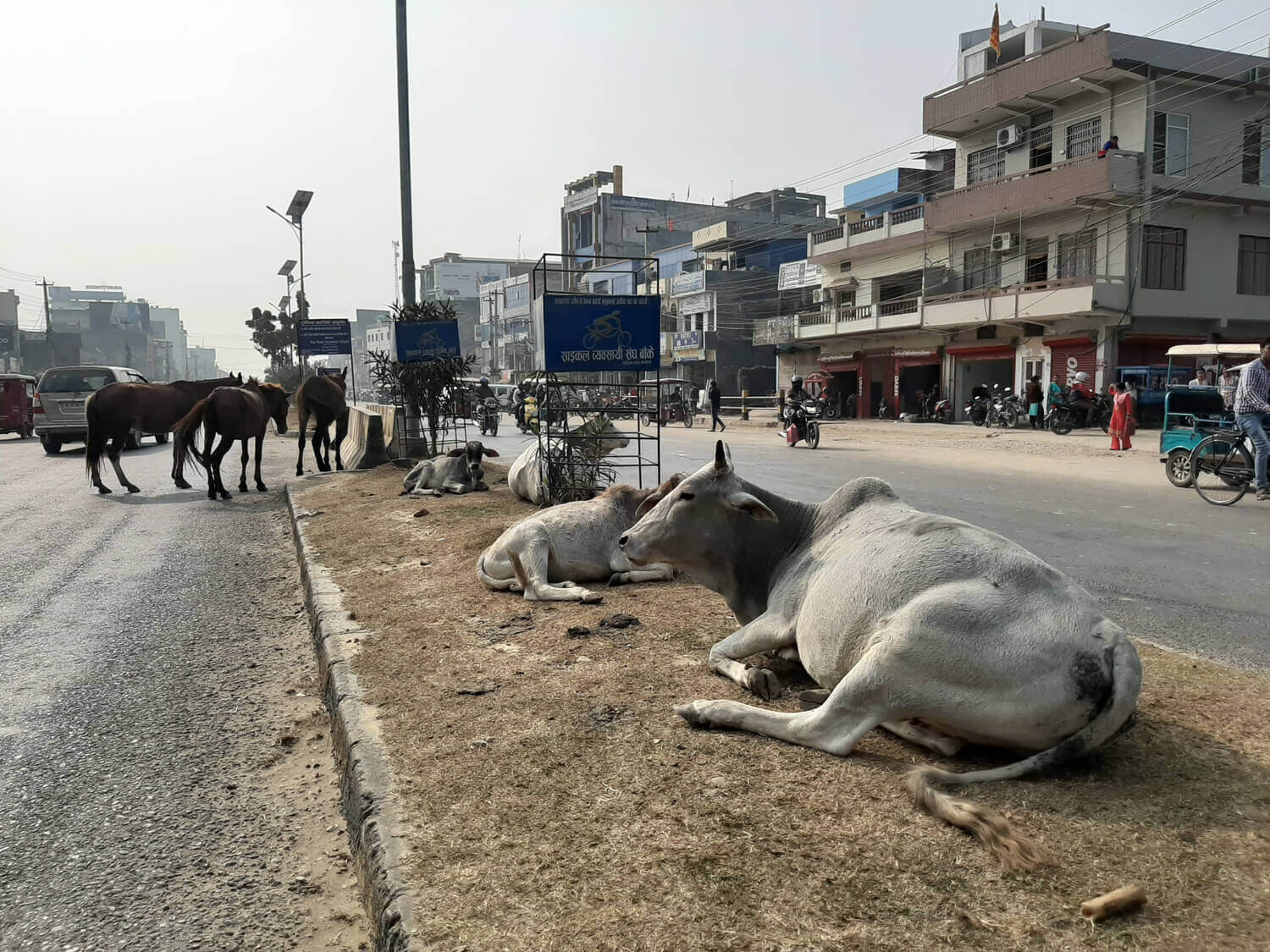
They are everywhere, sitting along the road dividers and sidewalks of the East-West Highway and other roads by their thousands. The cattle have been abandoned by owners after they could not be transported across the border to India. Cattle from Uttar Pradesh have also been sent into Nepal after the high profile street lynchings of cattle traders by cow vigilantes.
Read also: Waiting till the cows come home, Kunda Dixit
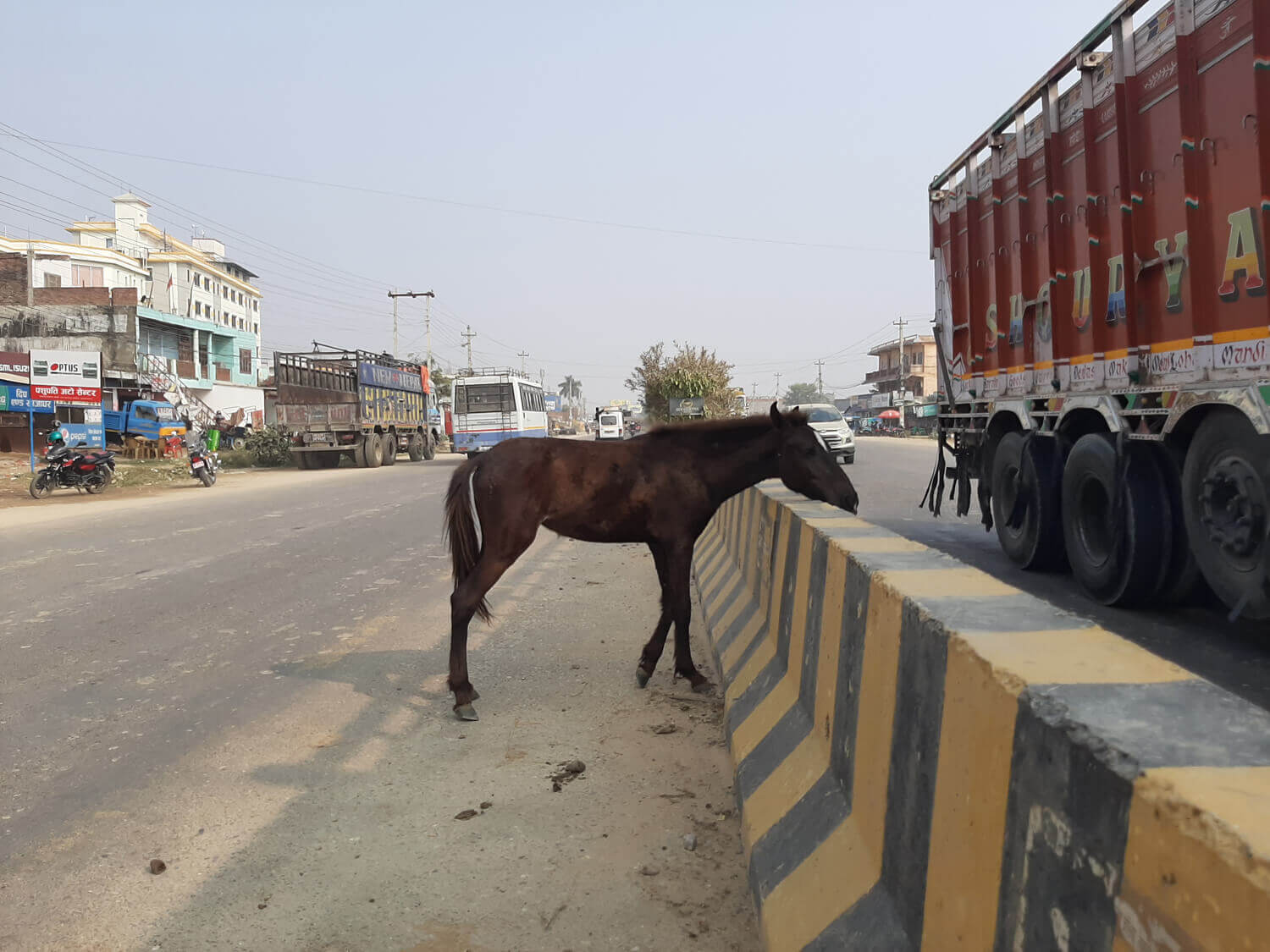
That there are no abandoned water buffaloes or mules along the highways is proof that only animals that have no economic value, but are protected by religious groups, are left by the roadside to fend for themselves.
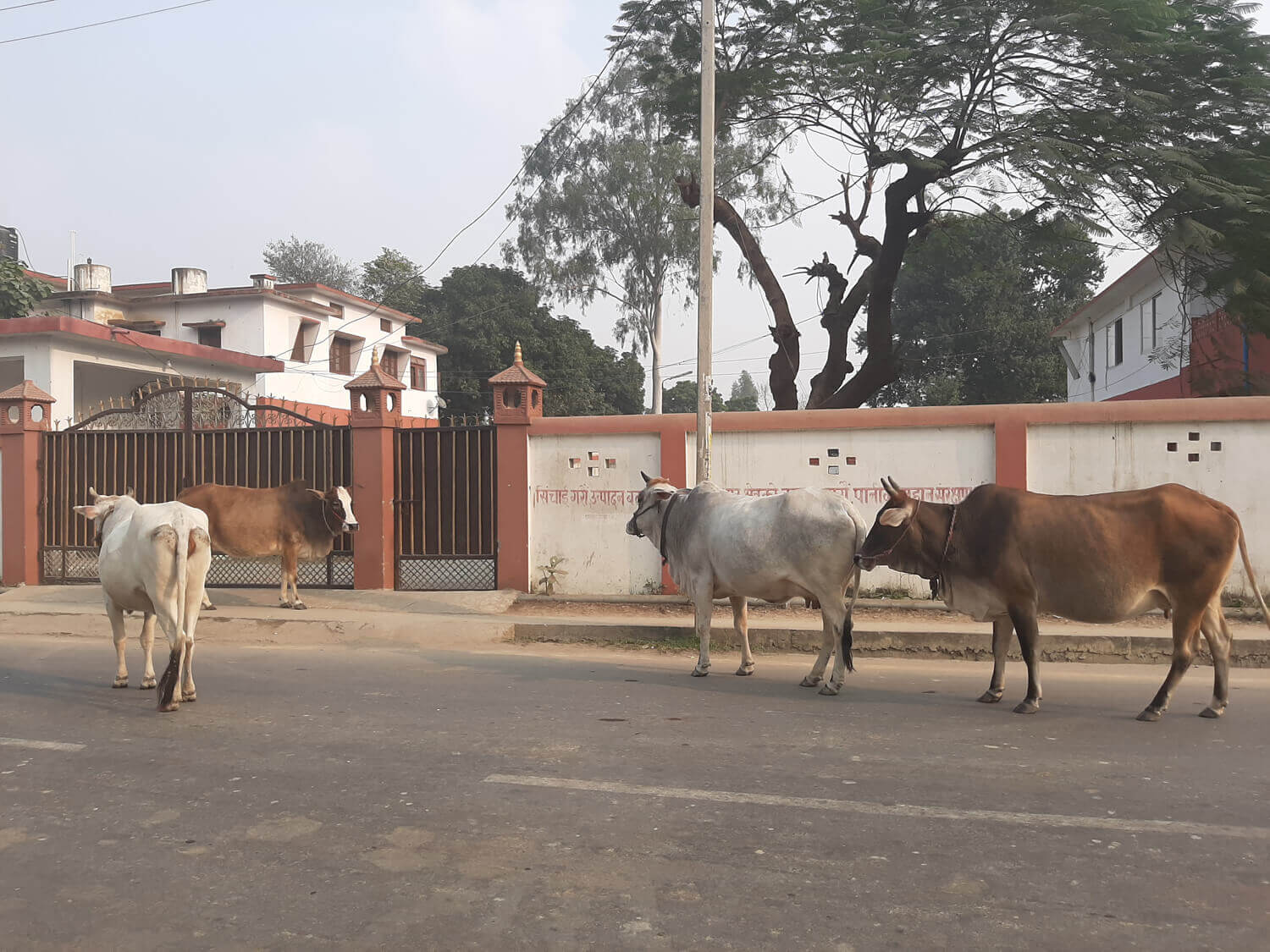
The cattle problem in the western Tarai hit the headlines last September when 24 cows and bulls were found dead below a highway in Surkhet after they were thrown over by truckers hired to ferry them to the mountains in Dailkeh.
Following the incident, officials responsible for ferrying the cows from a Nepalgunj-based shelter were detained. The kanji house was supposed to keep the cows until they are claimed, or found a permanent home, but had decided to send them away. Although the outrage over the cattle deaths has evaporated and the problem has disappeared from the media headlines, the plight of stray cattle has only grown bigger.
In August 2018, in response to a writ petition by a human rights group stating that the stray cattle were causing higher highway fatalities, the Supreme Court issued a mandamus against Nepalganj Sub-metropolitan city, Kohalpur Municipality and five other rural municipalities last February, directing them to put the cattle in kanji houses.
“The court ordered that the cattle be managed within a year, and we have sent letters to the concerned to implement the order but nothing has been done,” says Biswajit Tiwari of the Information and Human Rights Center (IHRC) which filed the original writ.