As someone born and raised in Patan, I knew that the city was rich in art, architecture and intangible heritage. But I never realised just how rich, and how little I knew about its hidden treasures until this book.
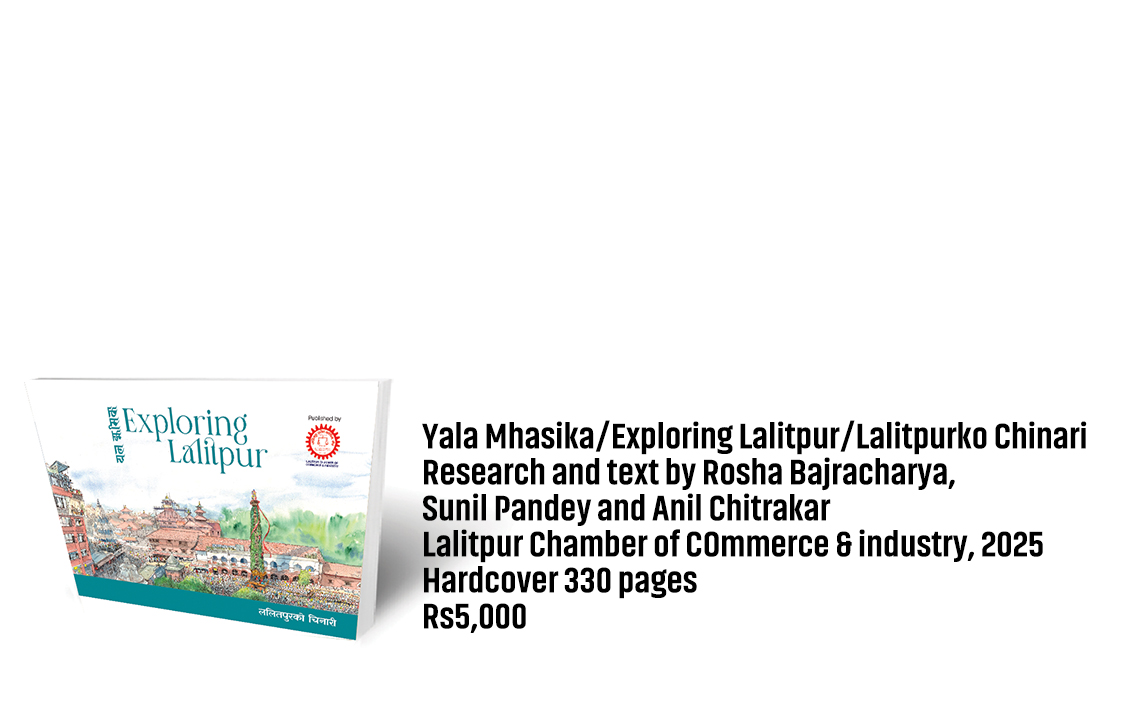
Yala Mhasika/Exploring Lalitpur/Lalitpurko Chinari is published by the Lalitpur Chamber of Commerce & Industry and introduces the city to the world, as well as to its own inhabitants.
Lalitpur is popularly known as Patan, probably because of the pastures for livestock in its outskirts. Its original name in Nepal Bhasa is Yala, and is a blend of urban and rural, old and new.
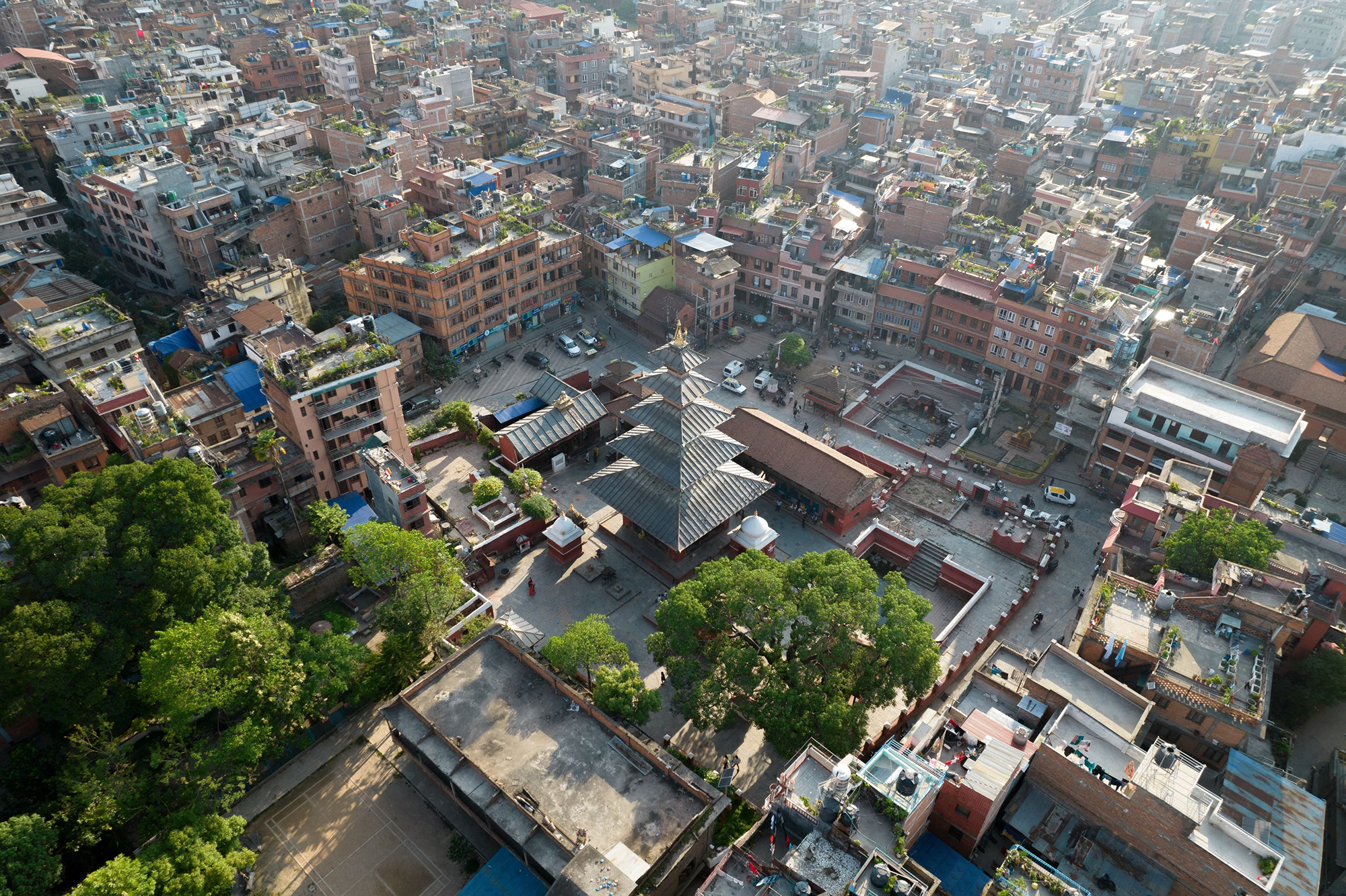
Like other kingdoms in the valley of Swoniga, the dense urban cluster of houses, temples, monasteries were situated along the higher ground, while the farmlands were on the slopes leading to the rivers below. This unique townscape combined an urban lifestyle within a distinctly agriculture-based rural setting.
The fertile soil, replenished by organic nutrients washed down from the streets above, as well as Kathmandu’s location on the ancient trade route between India and Tibet, provided the Valley’s kingdoms with prosperity – and thus the flourishing of art and culture over centuries.
Most of Yala’s residents were farmers, traders, or artisans. Chinese visitors who came to Nepal in the 6th century saw that there were more traders than farmers, and more temples than houses. An entire street is inhabited by the descendants of Lhasa traders. Arniko is supposed to have been born in Yala.
Nepal exported goods and even minted coins for Tibet, and had a virtual monopoly of the major trans-Himalayan trade routes. This prosperity was reflected in monuments and shrines like the Kwa Baha Golden Temple.
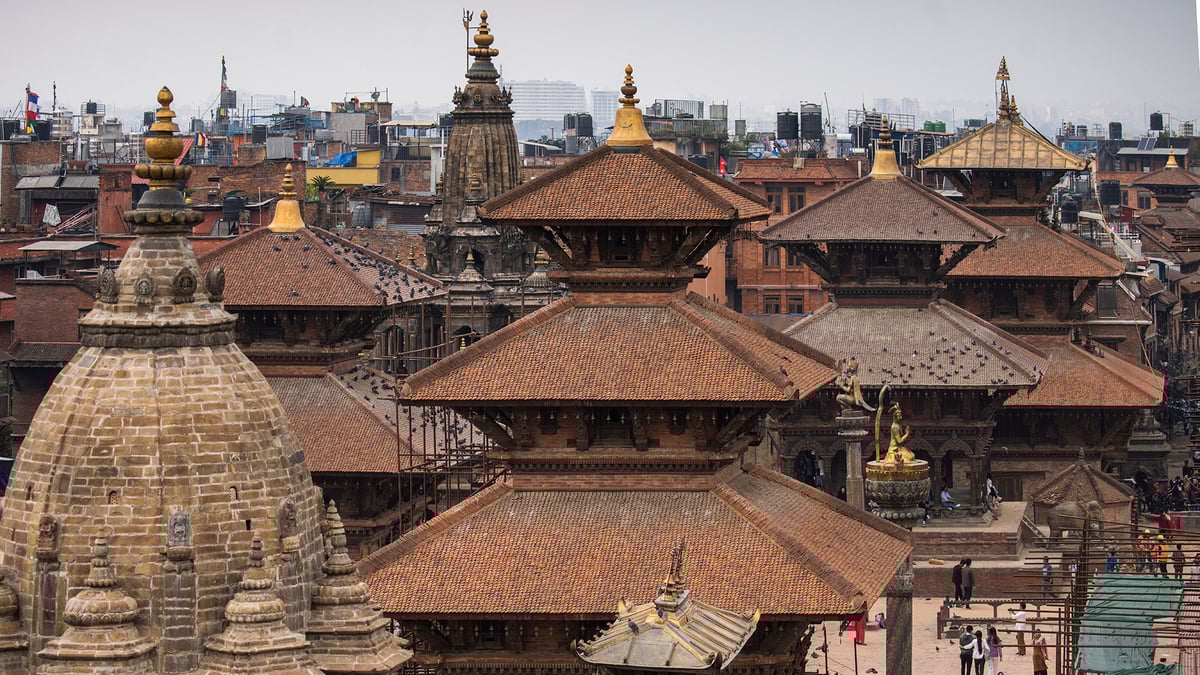
More so than the other three kingdoms of Swoniga, architecture flourished in Yala making it the centre for metal, stone and wood craft. The name Lalitpur means ‘city of fine art’ but with its sense of community, it might as well be a city of fine living.
Legend also has it that the name Lalitpur comes from a farmer called Lalit who helped bring the rain god Karunamaya from Assam when the Valley was suffering a prolonged drought. Lalit’s shoulder beam stands to this day in Jhatapol. Disasters, invasion and epidemics were a recurring theme in Patan.
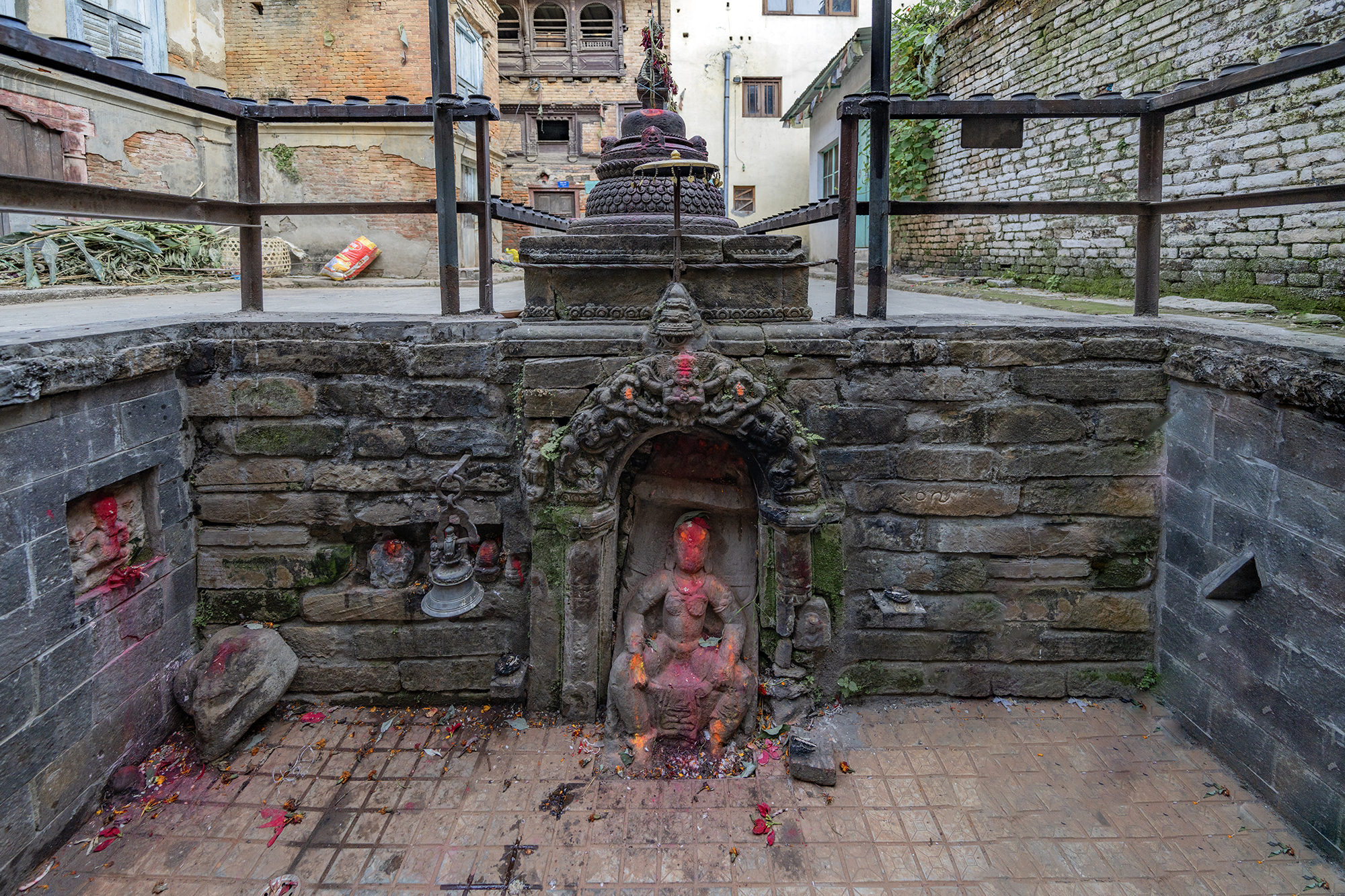
The book was put together by the heritage expert team of Rosha Bajracharya, Sunil Pandey and Anil Chitrakar and provides a socio-economic and political history of Patan – how it was always food surplus, thanks to sustainable farming until recently.
Ground and drone images by Photo Venture Nepal in the book give us a rare new perspective on Patan. There is an entire chapter on the chariot festival of Karunamaya (Machhindranath), a community-managed festival with Barahi carpenters assembling the woodwork, vine engineers Yamva weaving rope and rattan for the 25m tall chariot, and Ghaku drivers controlling the speed and brakes as the structure rolls through narrow streets in the annual festival.
WALKING, WORSHIPPING
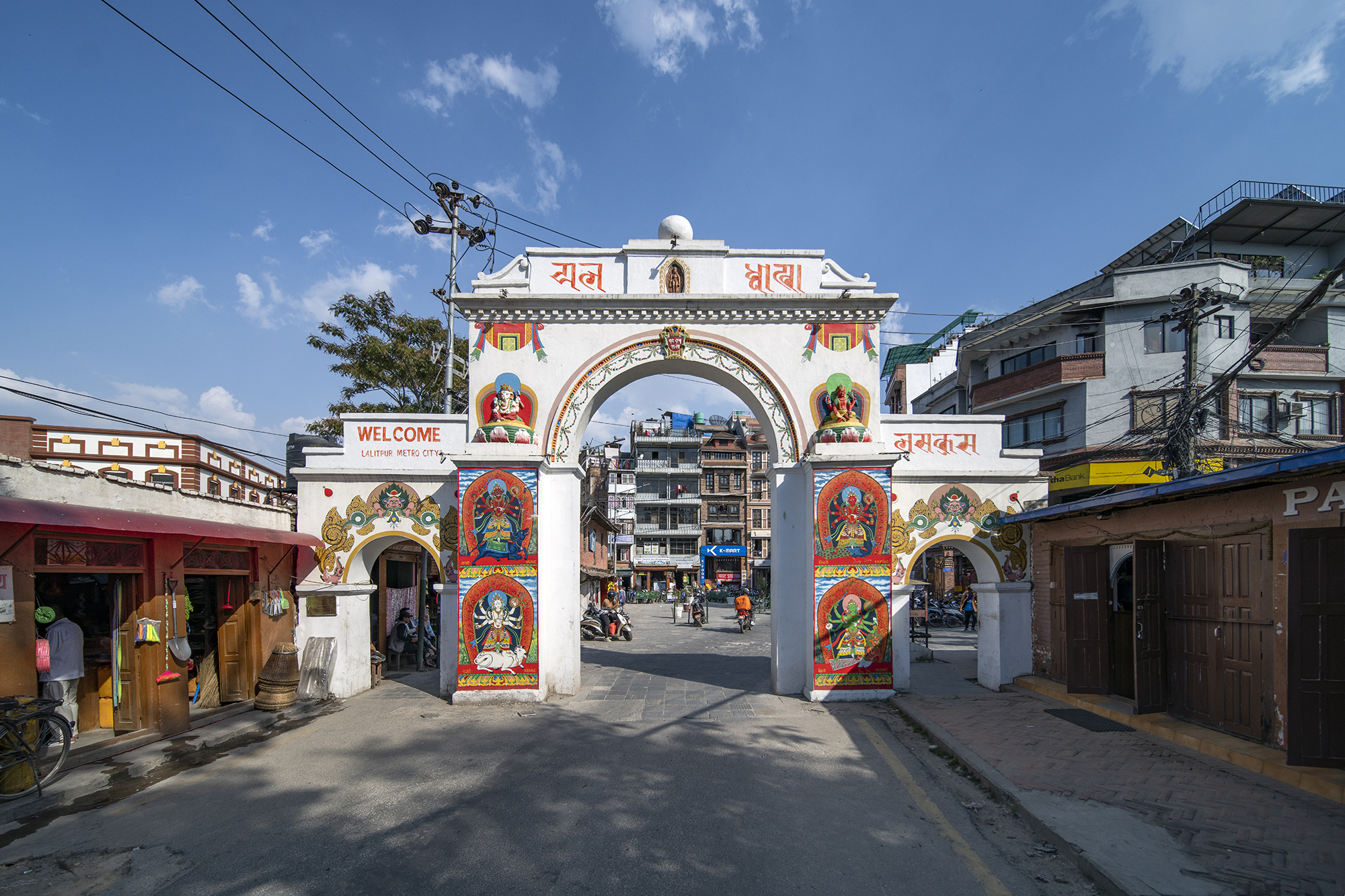
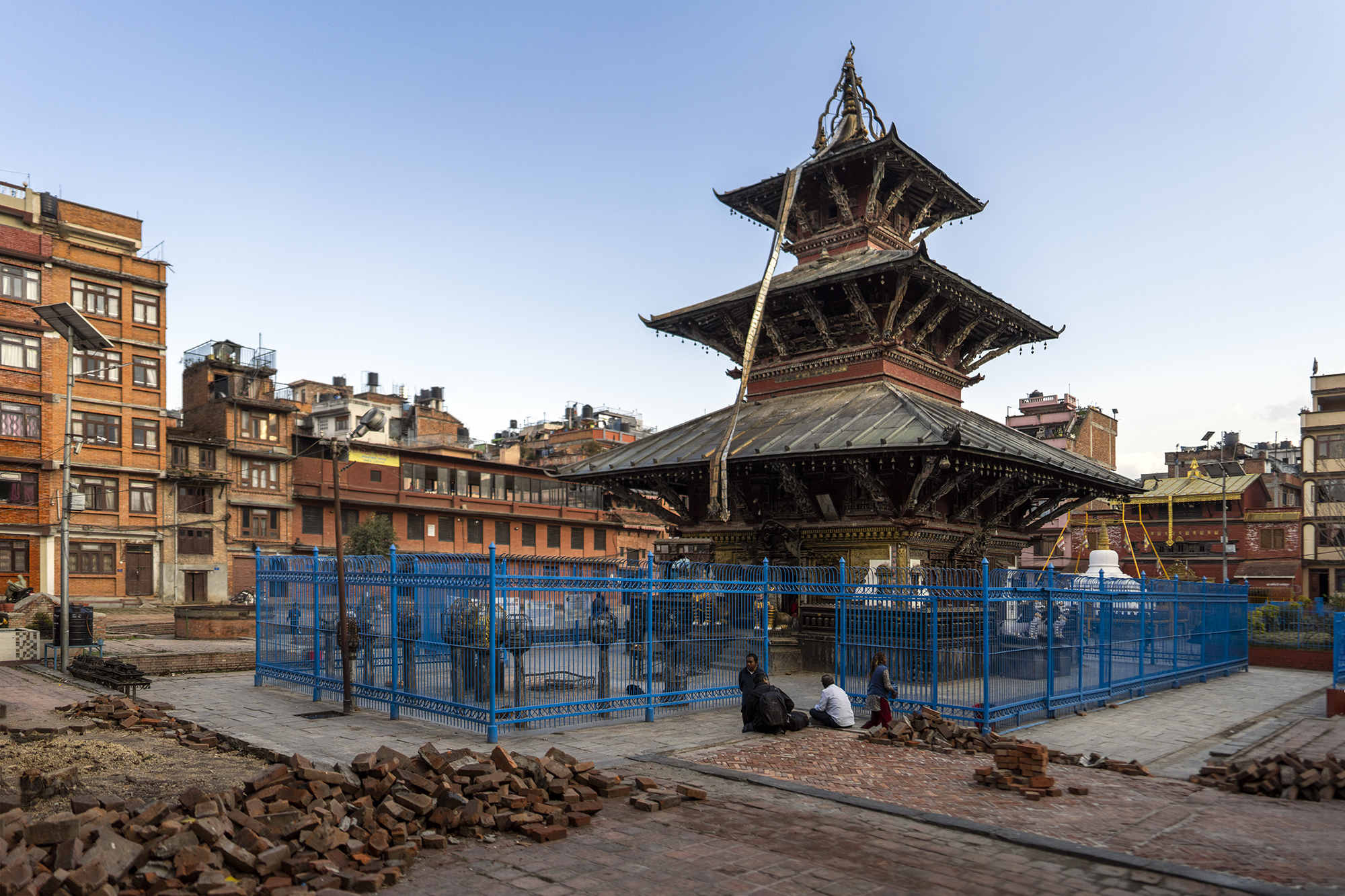
The book can help in exploring Patan along five routes starting in Patan Dhoka, Pulchok, Shankhamul, Mahaboudha and Lagankhel with maps and details of the baha and bahil, shrines, ponds, open spaces, dhyochenn, courtyards and phalcha along the way. Because of its coffee-table size and heft, however, the guidebook is not practical to carry around.
And despite detailed descriptions of the past and present of each site, readers are left wanting to know more about those places. It is proof of Patan’s vast treasures that even this book barely scratches the surface.
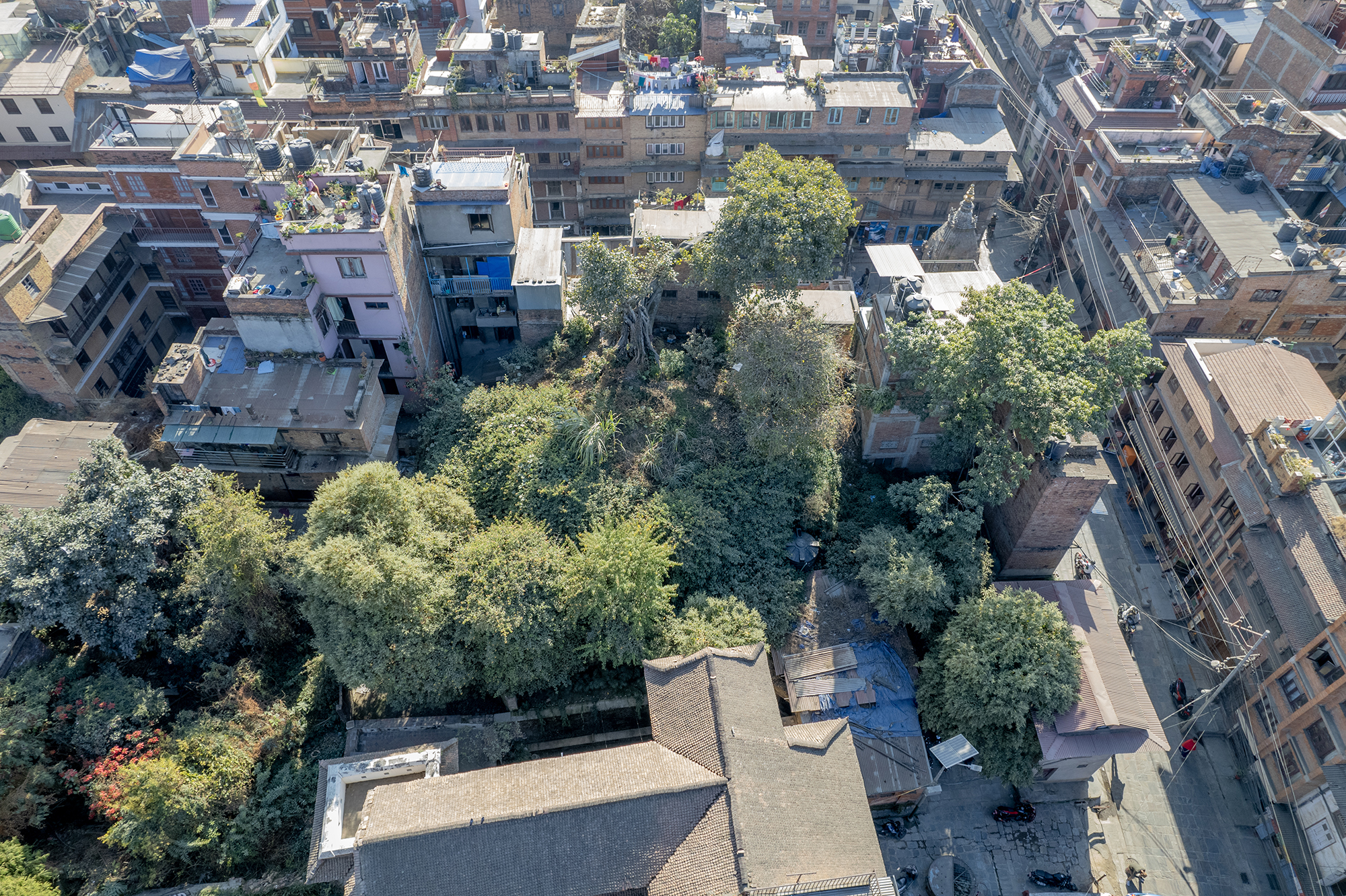
Some of the lesser-known must-visit sites include Patukodom which is all that remains of a palace of the original Kirat inhabitants of Patan. An archaeological dig here would surely unearth hitherto unknown facets of pre-Newa Patan.
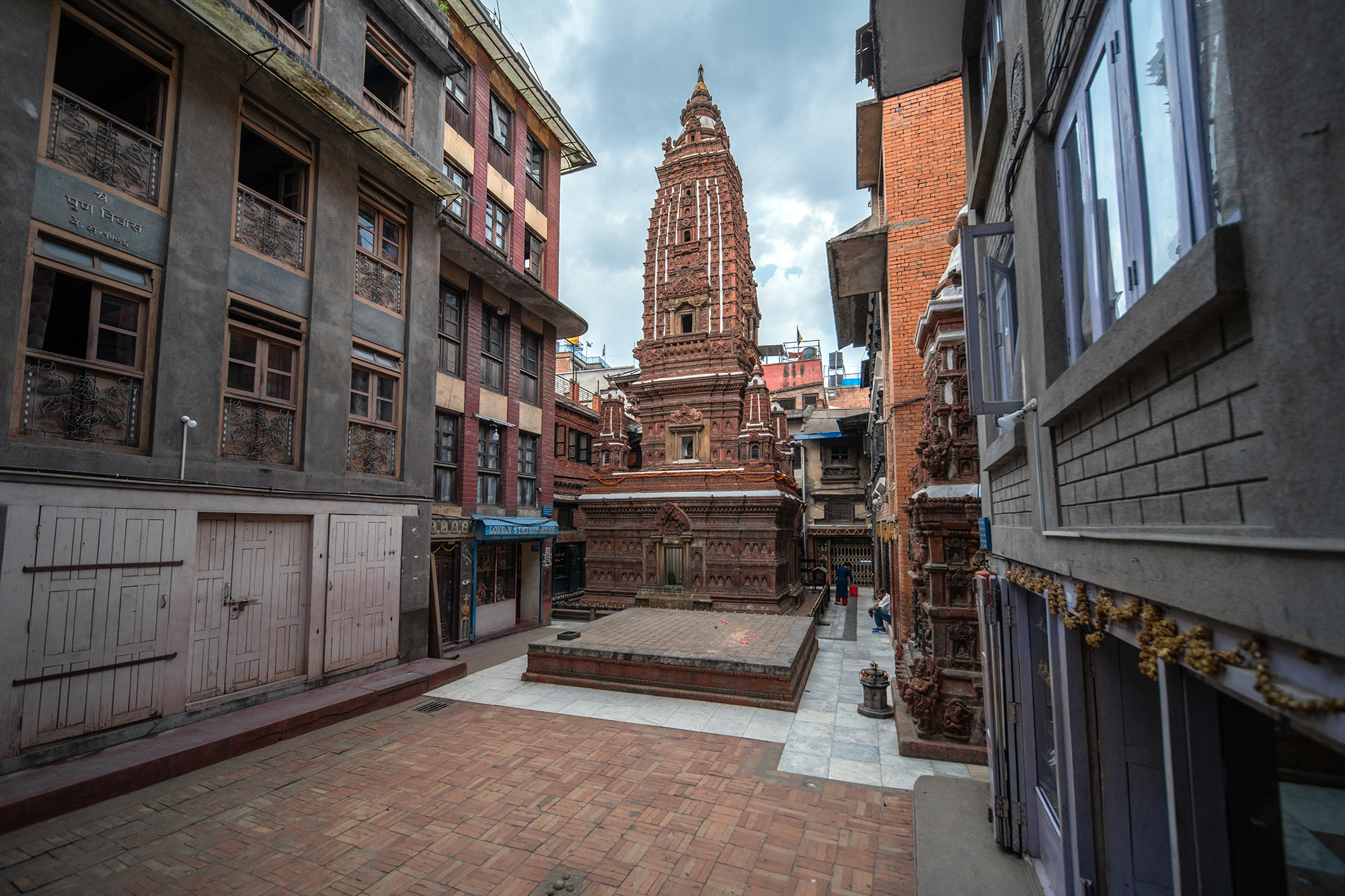
Then there are the slightly out of the way shrines like Mahabouha, a replica of a temple in Bodhgaya which houses 3,341 terracotta Buddhas with 90 big statues and which took 35 years and four generations to complete.
In a recent Patan by Night heritage walk, we learnt that Pim Bahal was the labour of love of a lakhe demon (now popularised as masked dancer) who had fallen for a local girl, and he dug the pond so she would not have to walk to a faraway spout to collect water. Nearby is the Charumati Chaitya, built by the daughter of Emperor Ashoka when she visited the Valley in the 3rd century BCE to spread Buddhism in Nepal.
Interestingly, if Kathmandu is a city of temples, Patan is the centre of monasteries which represent a unique Tantric melding of Buddhist and Hindu forms. Examples are: the Tadham Cuka with relocated Licchavi-era chaityas symbolic of the four major events in Buddha’s life, Ajima of Haugal Tole which is the oldest stone scripture in Nepal with the Gaja Laxmi in Chyasal, and Bignantak Ganesa temple which is a manifestation of Shiva mingled with Vajrayana Buddhism.
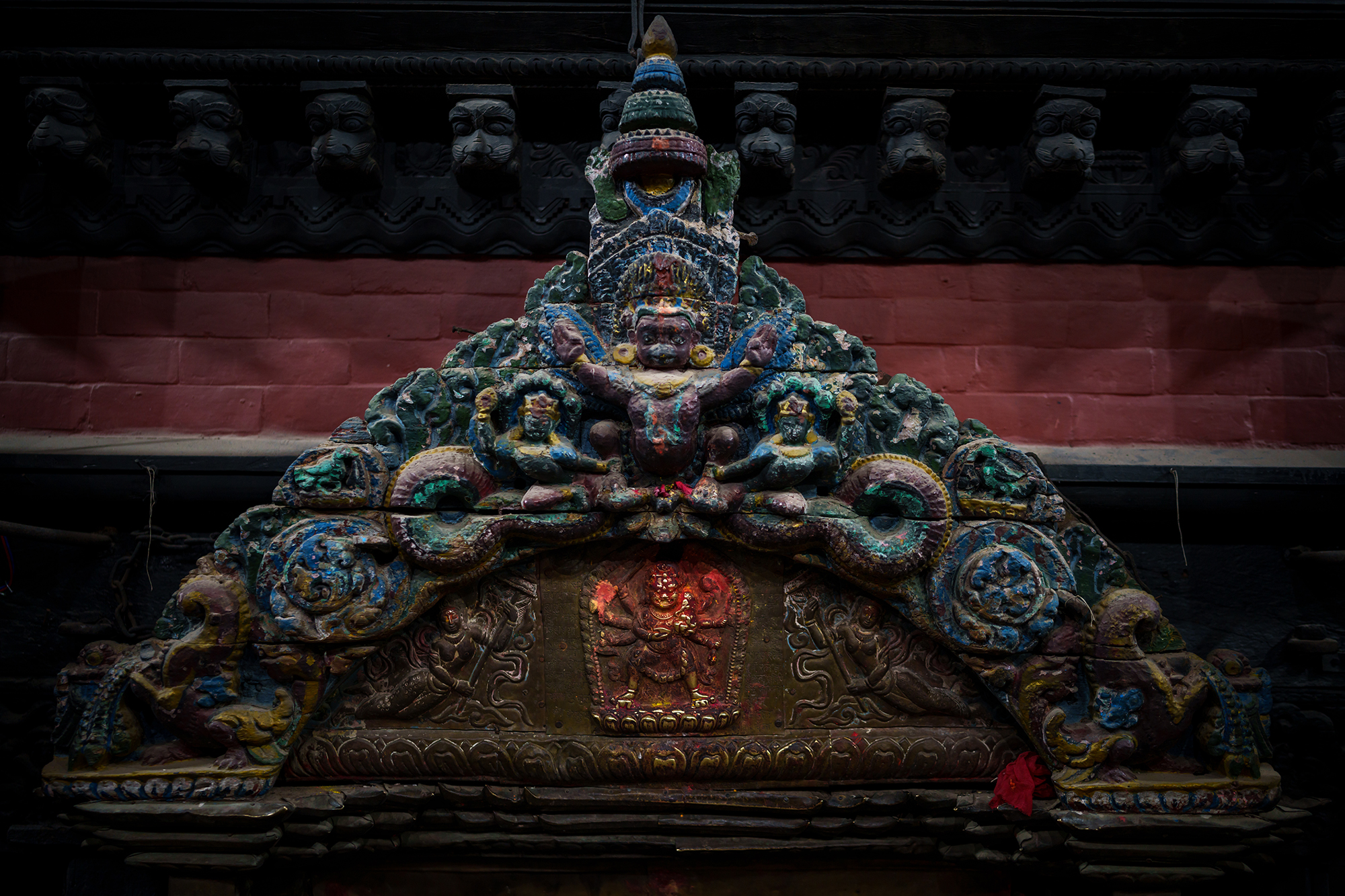
Besides spatial descriptions, the book also explains the temporal by curating a detailed cultural calendar of Lalitpur with dates and places of jatra, rituals, devotional dances and festivals that weave the agricultural cycle with the zodiac.
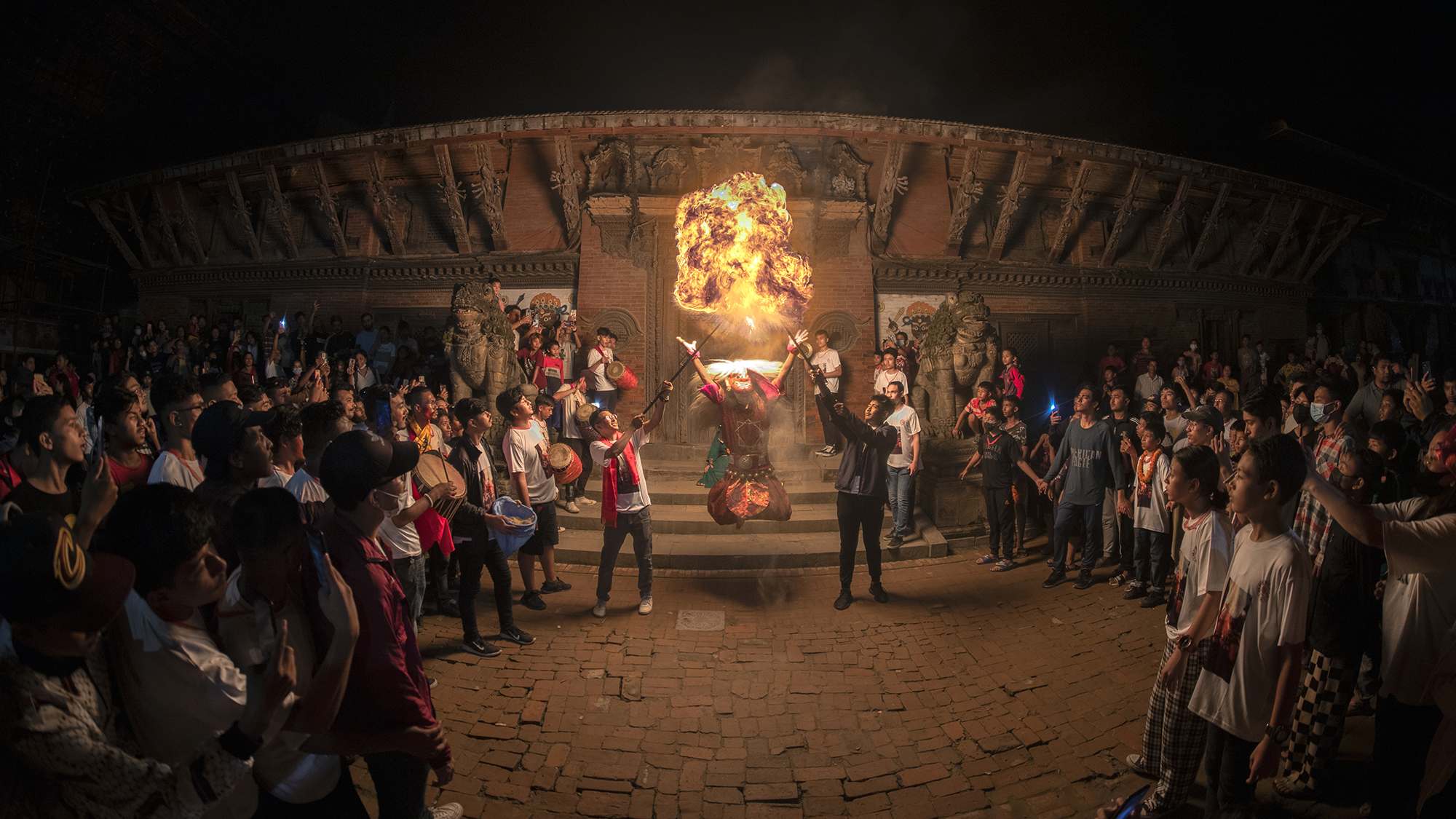
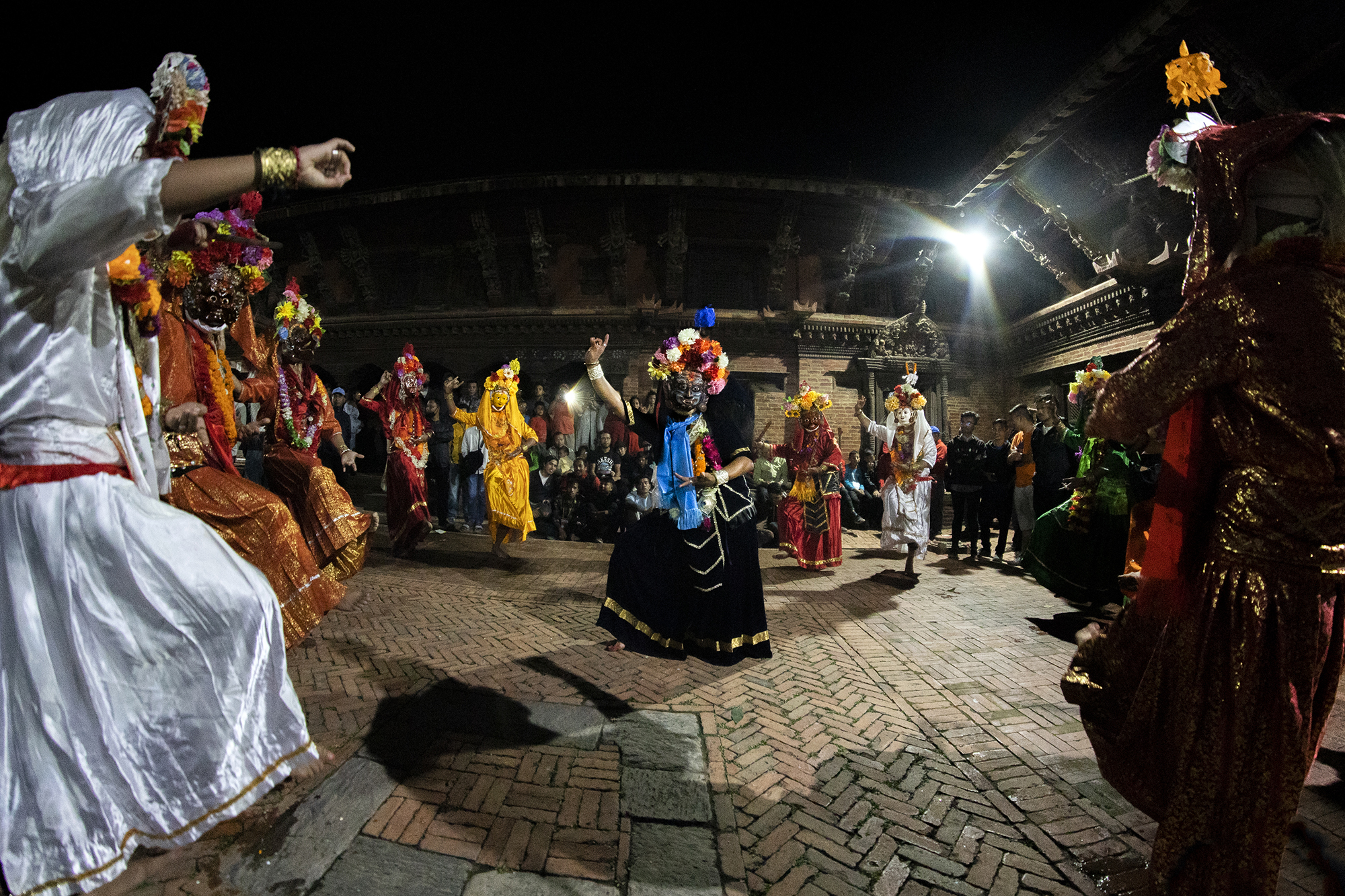
The very last chapter is dedicated to water and nature, what sustains lives and civilisations, and how Lalitpur continues to be the city it is because of the water supply system our ancestors left behind which function still, despite encroachment and pollution.
‘In the history of the world cities have been built, they thrived for some time and then became archaeological sites because they were not able to maintain the quality of air, water, and its soil,’ the authors write. ‘This led these cities to depopulate and ultimately die and are only referred to in history books. Lalitpur is not going to make the same mistake.’