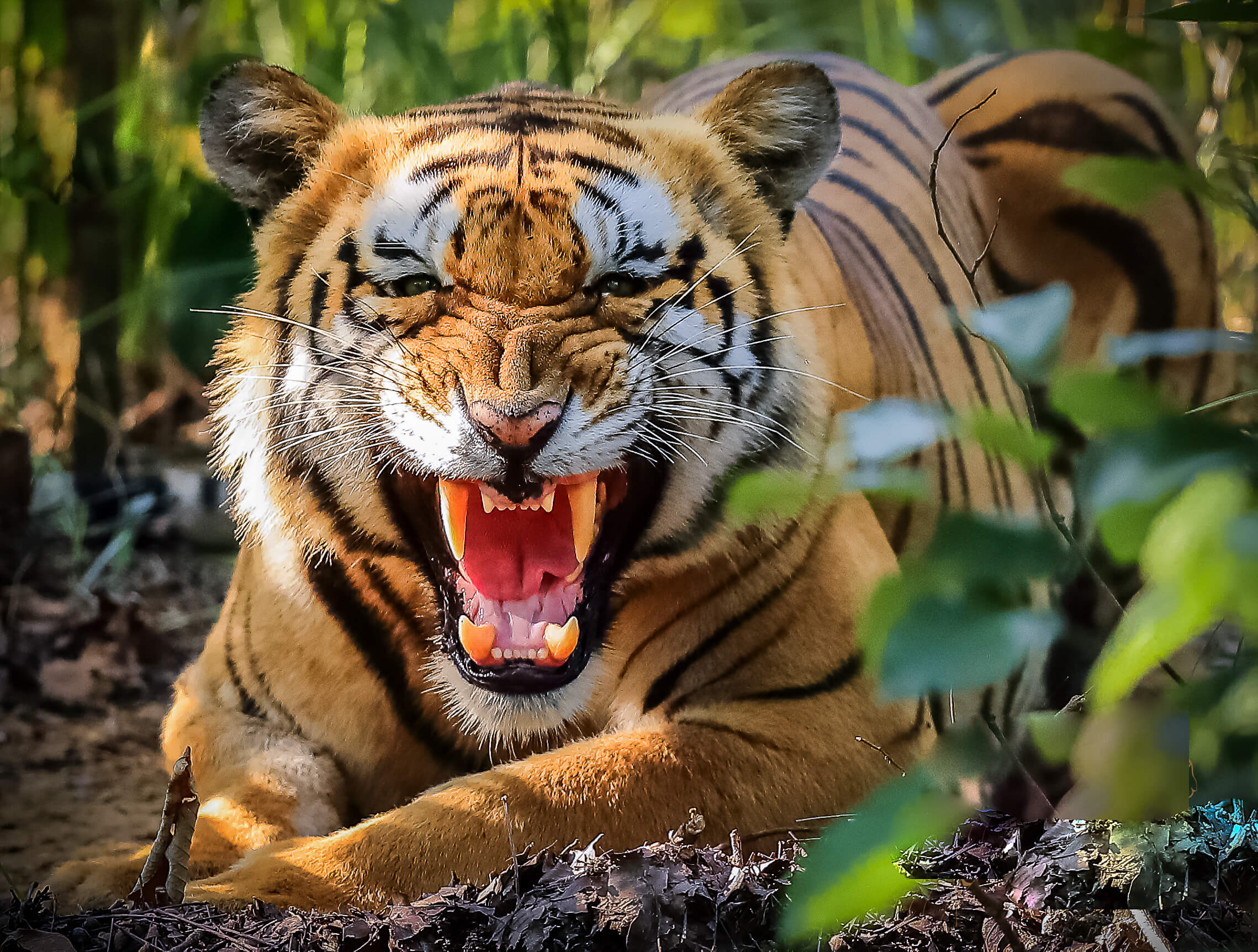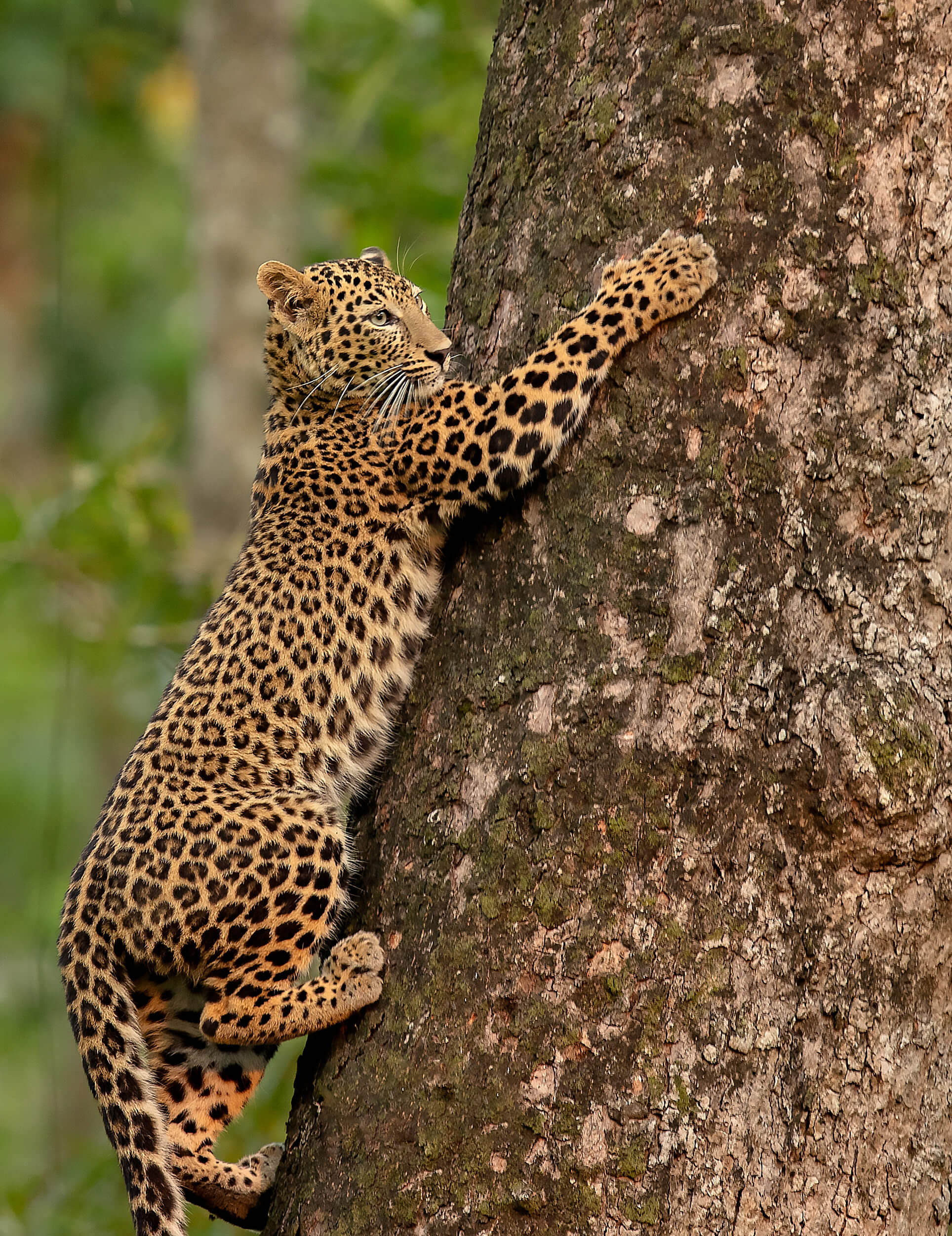
As Nepal’s tiger population doubles in ten years, leopards are coming out of the country’s protected areas more frequently to raid livestock in the buffer zones.
Surya Raj Acharya of Satkhalwa village of Bardia says it used to be rare for leopards to venture out of the park, but just in the past month there have been four attacks in which households have lost cattle and goats. Other farmers have had their milch cows, water buffalo calves and pigs killed inside their pens by leopards.
Locals believe that the increase in the number of tigers in Bardia and competition for prey is driving leopards to seek food in homesteads outside the park. “Leopards always avoid tigers, and that is why they are roaming around outside the national park and creating problems for villagers,” says Sudip Chaudhari of Madhuban village.
Read also: Lax laws make Nepal haven for tiger poachers, Tufan Neupane
Conservationists agree that leopards avoid areas frequented by tigers, and the competition between the big cats is driving the leopards into the buffer zone.
“The leopard is lower than the tiger in the jungle pecking order, and it does not like to share its patch with another predator bigger than itself, and since prey density is decreasing in Bardia it probably finds it easier to hunt in the surrounding farms,” explains tiger expert Jhamak Karki.
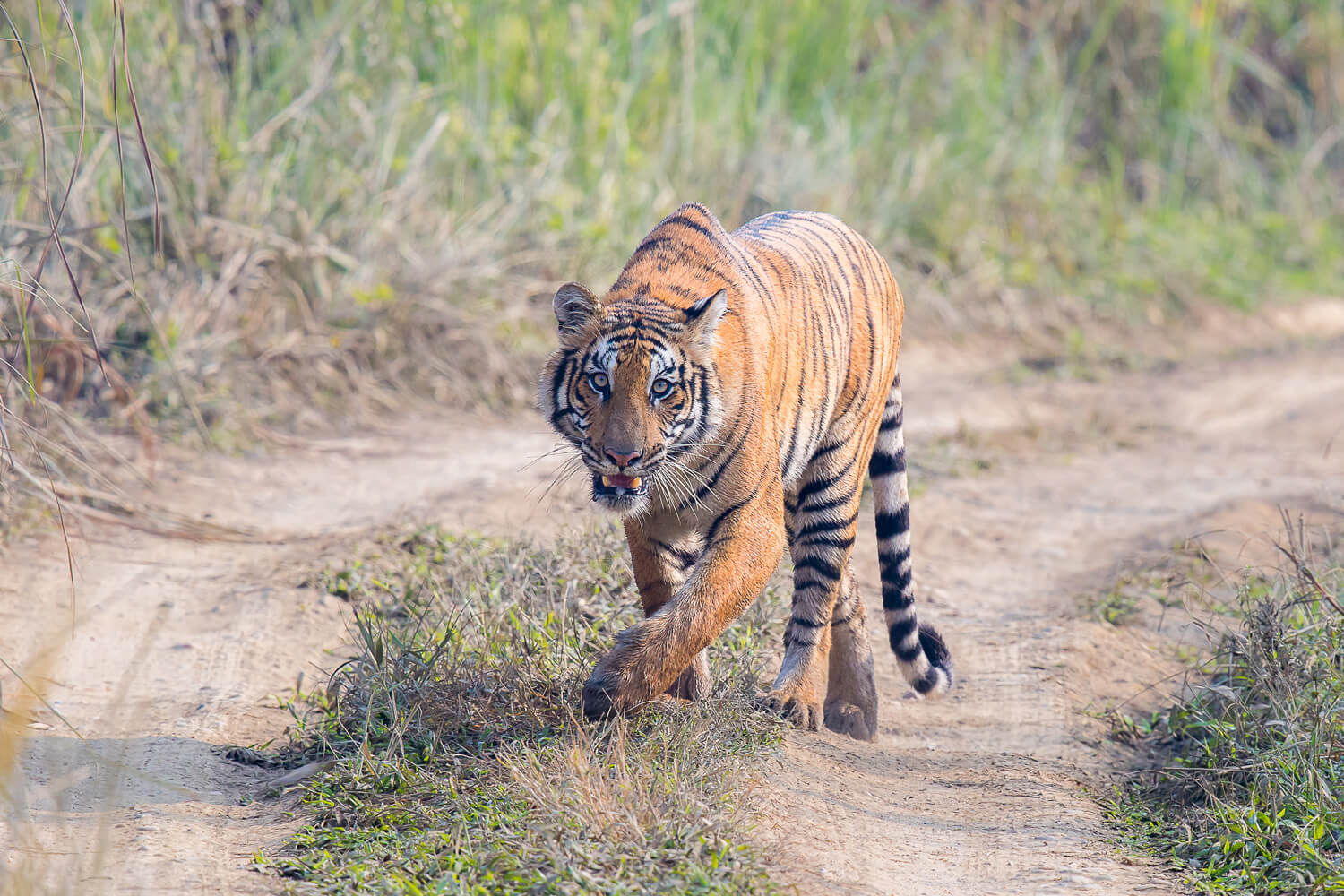
A tiger usually roams its home range, which can be an entire national park. But more importantly it marks out its territory, and each adult male commands a domain as large as 60sq km. It will not allow a rival male to enter its territory, and there are frequent fights when there are overlapping males.
“The territorial instinct is essentially for mating, and the male tiger usually tries to keep a harem of four to five females, and if there is enough prey, the tiger does not move about much,” says tiger ecologist Chiranjibi Pokhrel. “If it is already crowded within its territory, there is usually no place for a leopard, and it might prefer to keep out.”