After being hunted nearly to extinction, Nepal’s tiger numbers surged in recent decades thanks to a successful conservation program. But with Nepal committed to double its tiger numbers, there are questions about whether some of the country’s national parks are becoming too crowded.
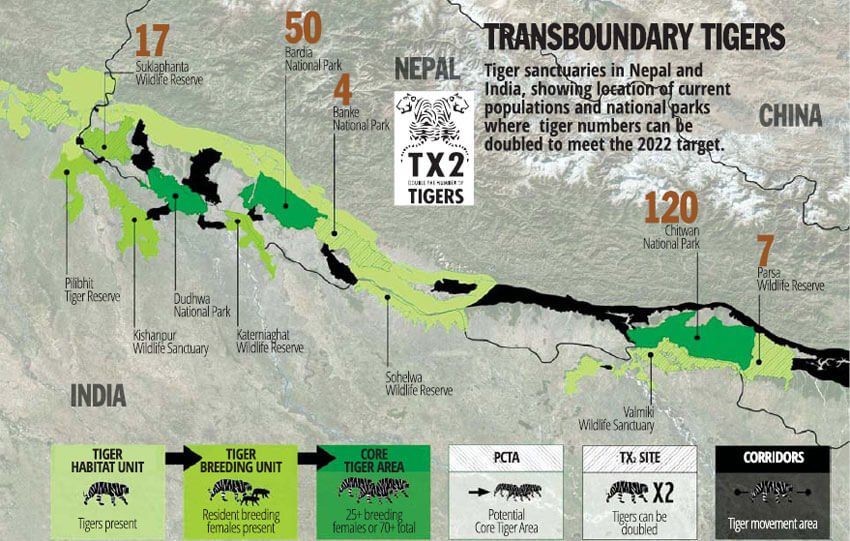
At the World Tiger Summit in 2010 in St Petersburg, 13 tiger range countries committed to doubling tiger populations by 2022. Nepali officials are confident the country’s total wild tiger population can be increased to 242 to reach that goal.
“Nepal will be the only country to meet the target, and we will be releasing the total figures of the recent census soon,” said Man Bahadur Khadka, Director General of the Department of National Parks and Wildlife Conservation.
Read also: Sun striped shadows, Lisa Choegyal
The census result, synchronised with a count in India, was supposed to be announced on World Tiger Day on 29 July. But it was suddenly postponed, fuelling speculation the tiger count had decreased from the 2013 total of 198, with 120 of the tigers in Chitwan National Park.
Some experts say the number could have gone down, because male tigers have been getting into fights over territory. Eleven tigers died in the past three years in Chitwan, five of them so far this year.
"Animals have been known to limit their own numbers by social mechanisms to avoid depleting prey in their natural habitat. Tigers are territorial, and space is limited to match natural population growth, so this could be what is happening in Chitwan," one international tiger expert told us.
Read also: Clouded future for the Clouded Leopard, Yadav Ghimirey
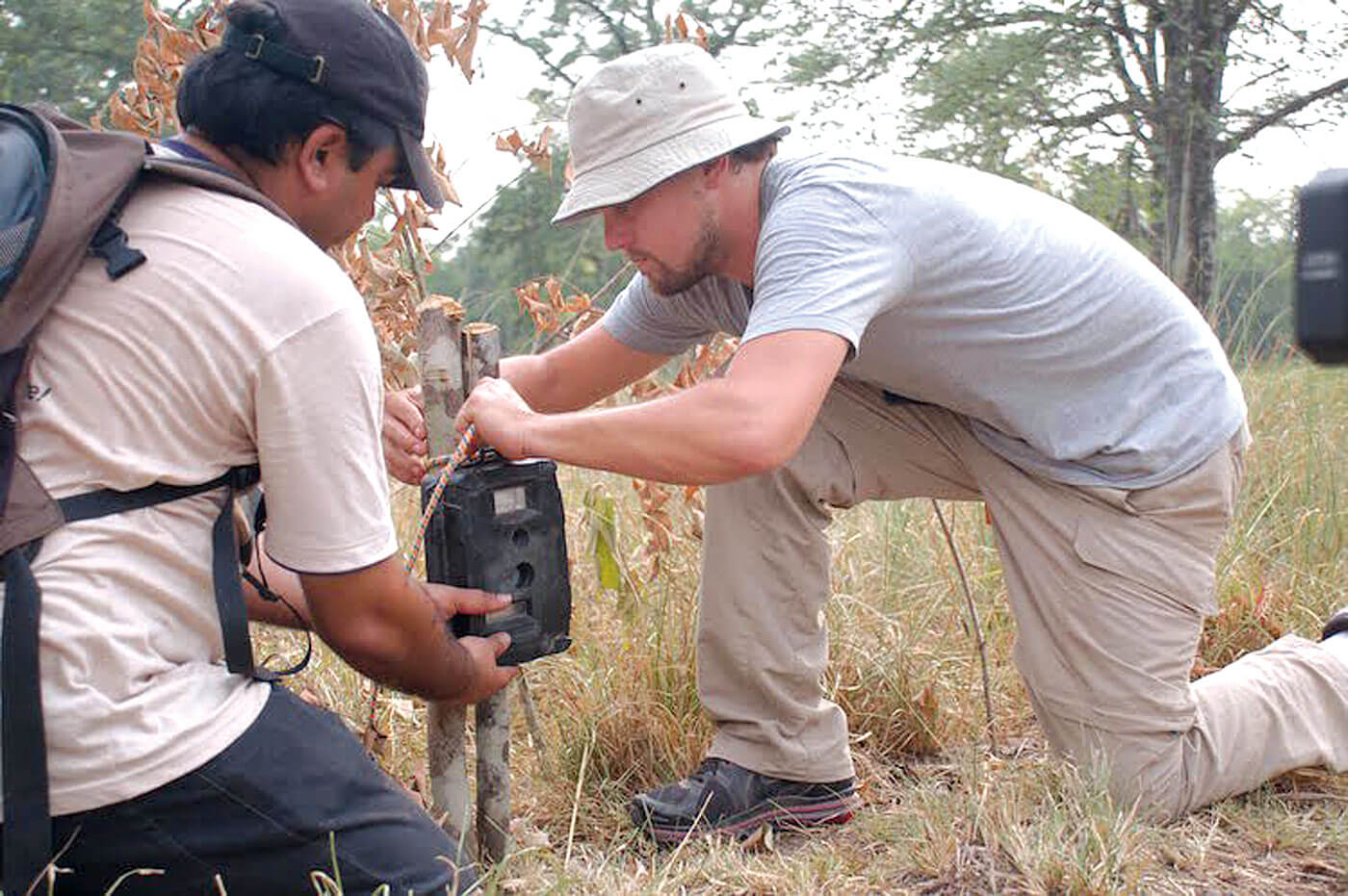
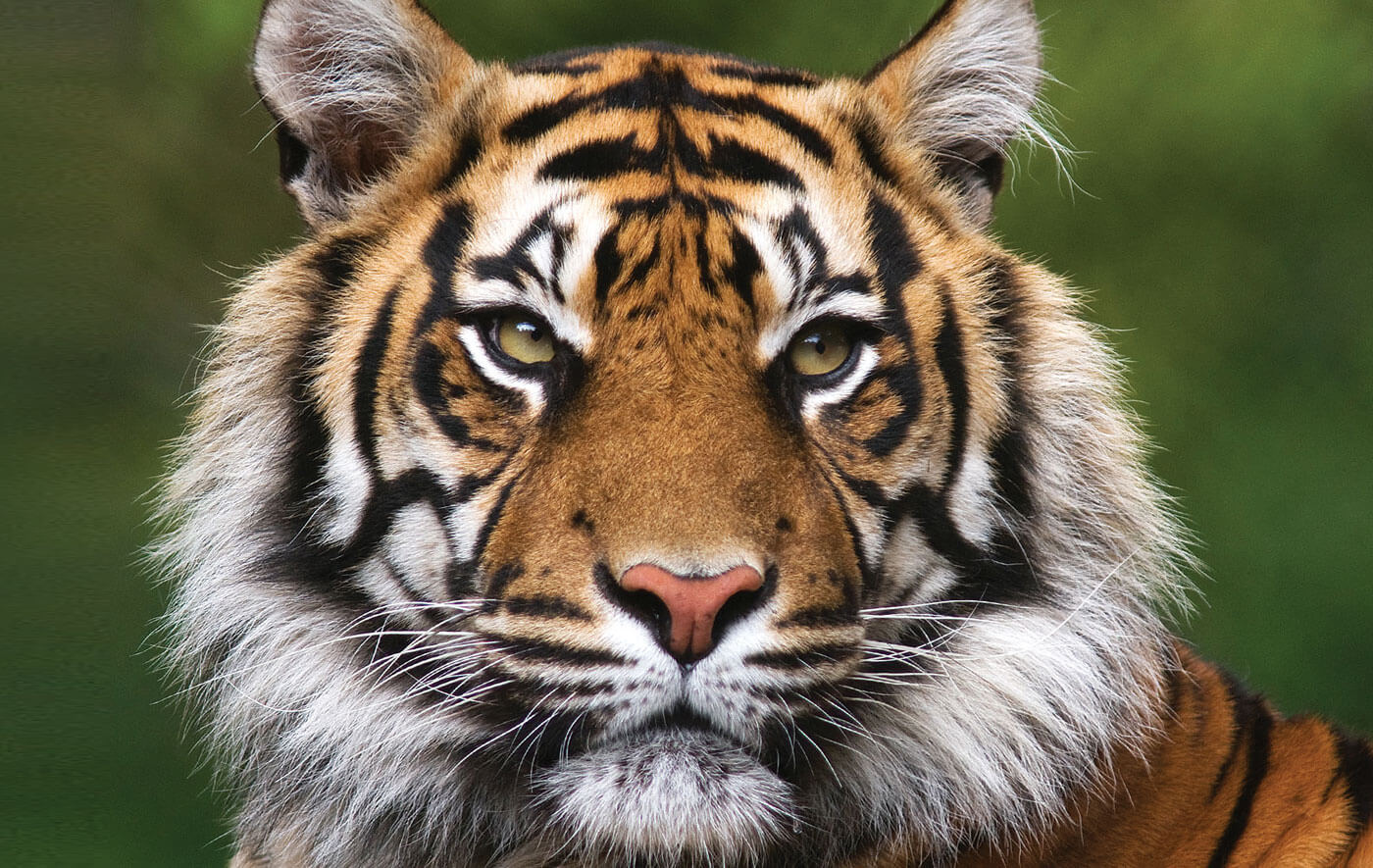
Khadka denied withholding the announcement because of the total was less than in 2013, saying enumerators were taking longer than expected to go through camera trap images. Every tiger has to be recognised by its stripe pattern, which are as individual as human fingerprints.
“We have no need to hide the figures, we just want to be accurate with the count, and there are other factors like reconciling individual tigers with camera trap images from India,” Khadka added.
However, delaying the announcement has raised fears Nepal may not increase the tiger total by 50 tigers in the next four years.
“Someone, somewhere seems to want to cook the data. If so, this will hurt Nepal’s credibility in the global conservation movement that has so far praised Nepal’s effort to protect the tiger,” said the expert.
Even if the target is met, however, tiger numbers could exceed the carrying capacity of protected areas, especially Chitwan.
Habitat destruction, human encroachment along wildlife corridors, new highways, transmission lines, irrigation canals and new railroads disturb the ecosystem of which the tiger is at the top of the food chain.
If Chitwan has reached saturation, tiger numbers may need to be boosted in Bardia, which has 50 tigers, but has area to sustain double that number. National parks in Banke and Parsa can also accommodate more tigers if the prey base is increased.