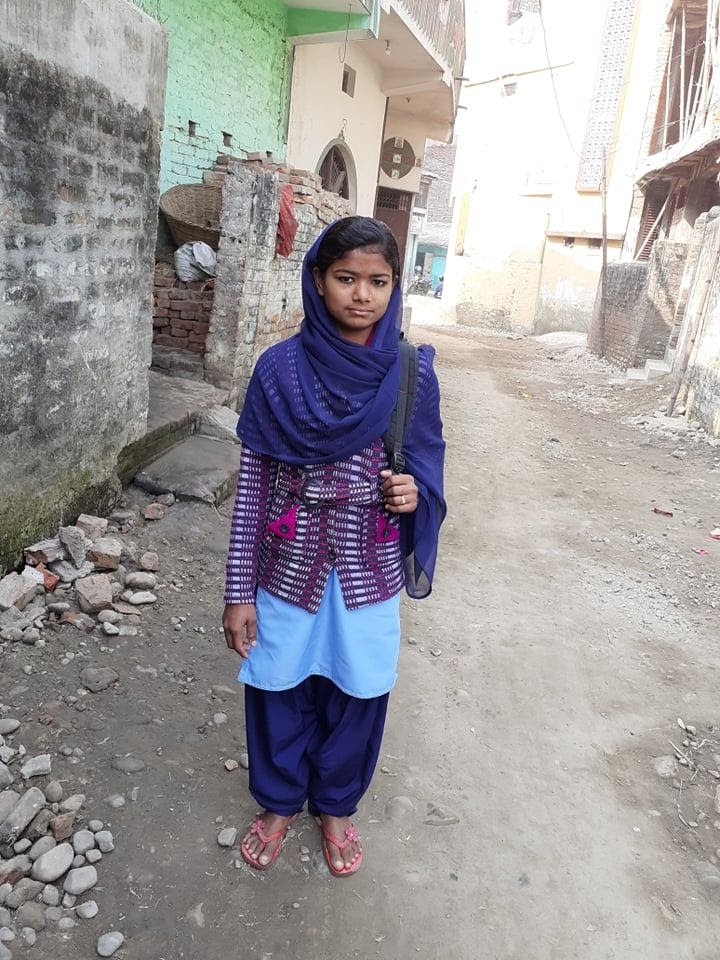
Soni is a 13-year-old in Banke district in the western Tarai, and she is the second of eight children in her Muslim family. She has been hearing impaired since she was born.
Soni attended primary school as a child but had to drop out because it lacked the resources to support children with disabilities. Her parents, unaware of any institutions that might be able to help their daughter learn, kept her at home, where she helped her parents by doing household work as well as helping out in the fields.
At home, Soni communicated with her family through signs that family members taught themselves. But it had become increasingly difficult for her to communicate with people outside her family without learning Nepali sign language.
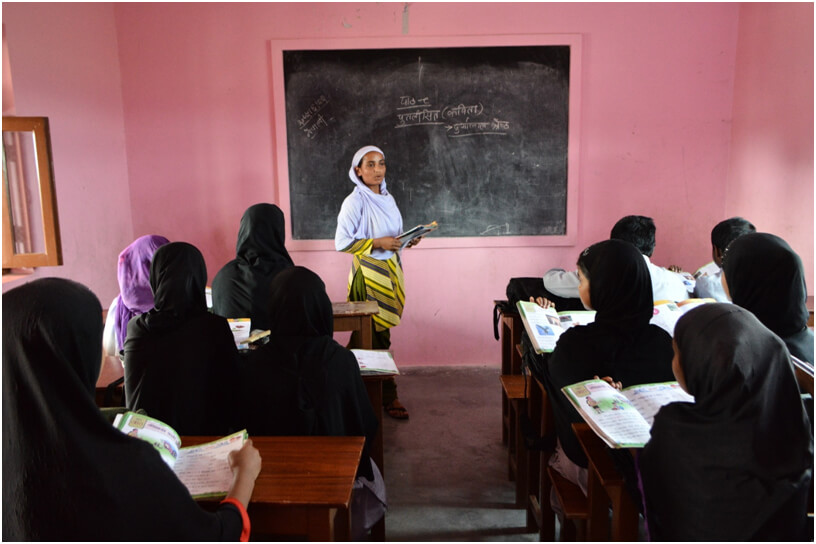
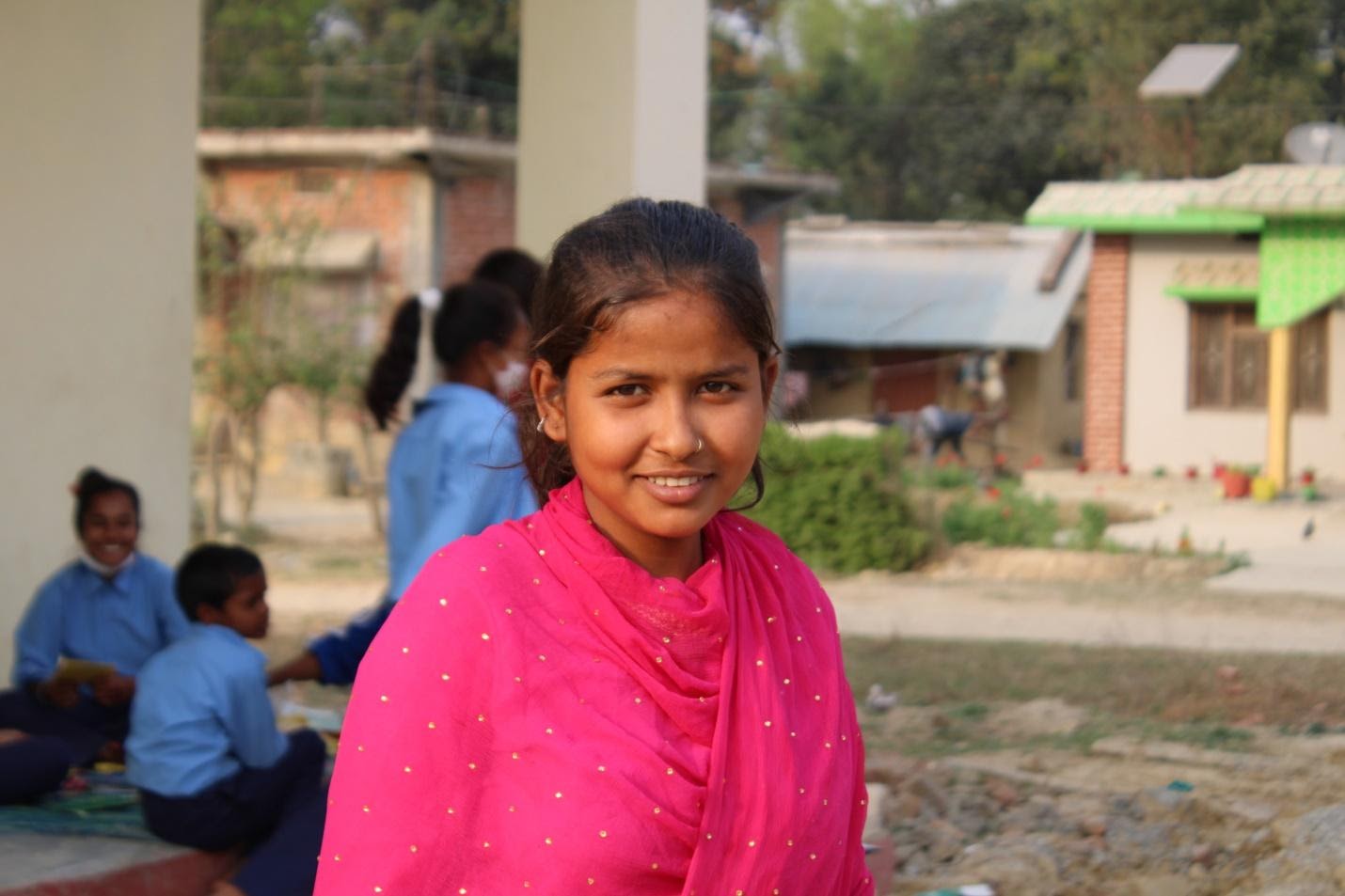
Soni’s life took a turn for the better when she enrolled in British aid group VSO Nepal’s ‘Empowering a New Generation of Adolescent Girls with Education’ (ENGAGE) programme which supports 2,660 out-of-school girls in Nepal, including those living with disabilities.
Most are from the Tarai’s marginalised communities, and they get skill-development training, tlearn about sexual and reproductive health, raising awareness about support available for girls with disabilities, and enabling the young participants to rejoin formal schooling through nine-month ‘bridge’ classes.
Photos: MAHIM ARYAL
Stories like those of Soni in Nepal will be the focus of GPE (the Global Partnership for Education) and its two-day Global Education Summit: Financing GPE 2021-2025, co-hosted by the UK and Kenya held 28-29 July online.
The summit is the culmination of GPE’s 'Raise Your Hand’ financing campaign to secure $5billion over five years to support education systems across low-income countries. This will help 175 million girls and boys to learn, reach 140 million more students with professionally trained teachers, enroll 88 million more children in school, and help governments save $16 billion through more efficient spending.
A key focus of the investment is to reach and support marginalised children across the world, including girls and children with disabilities.
Although Nepal has shown progress in female school enrolment over the years, young girls with disabilities find it significantly harder to get a formal education due to a lack of resources and a proper support system.
However, young female volunteers have been mobilising across rural communities to support young Nepali girls with disabilities to continue their education.
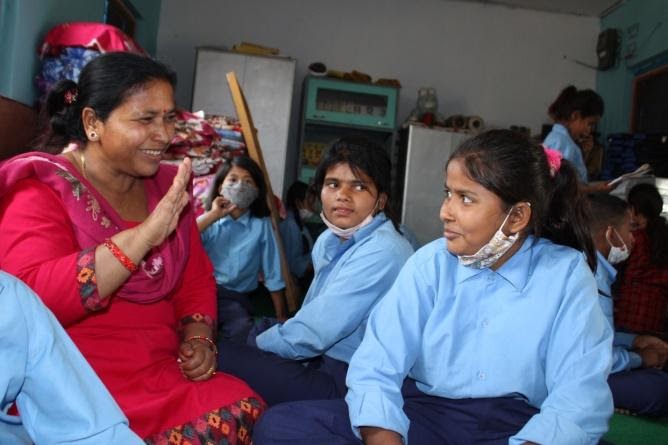
‘Big Sisters’ working within the ENGAGE programme mentor their ‘Little Sisters’ like Soni. The Big Sisters are part of VSO’s Sisters for Sisters’ Education initiative, wherein older girls are recruited as volunteers to mentor younger ones within their communities and guide them through adolescence, ensure they remain within the formal education system and teach them life skills. The project is currently working to support 9,800 adolescent girls to transition from primary to secondary education.