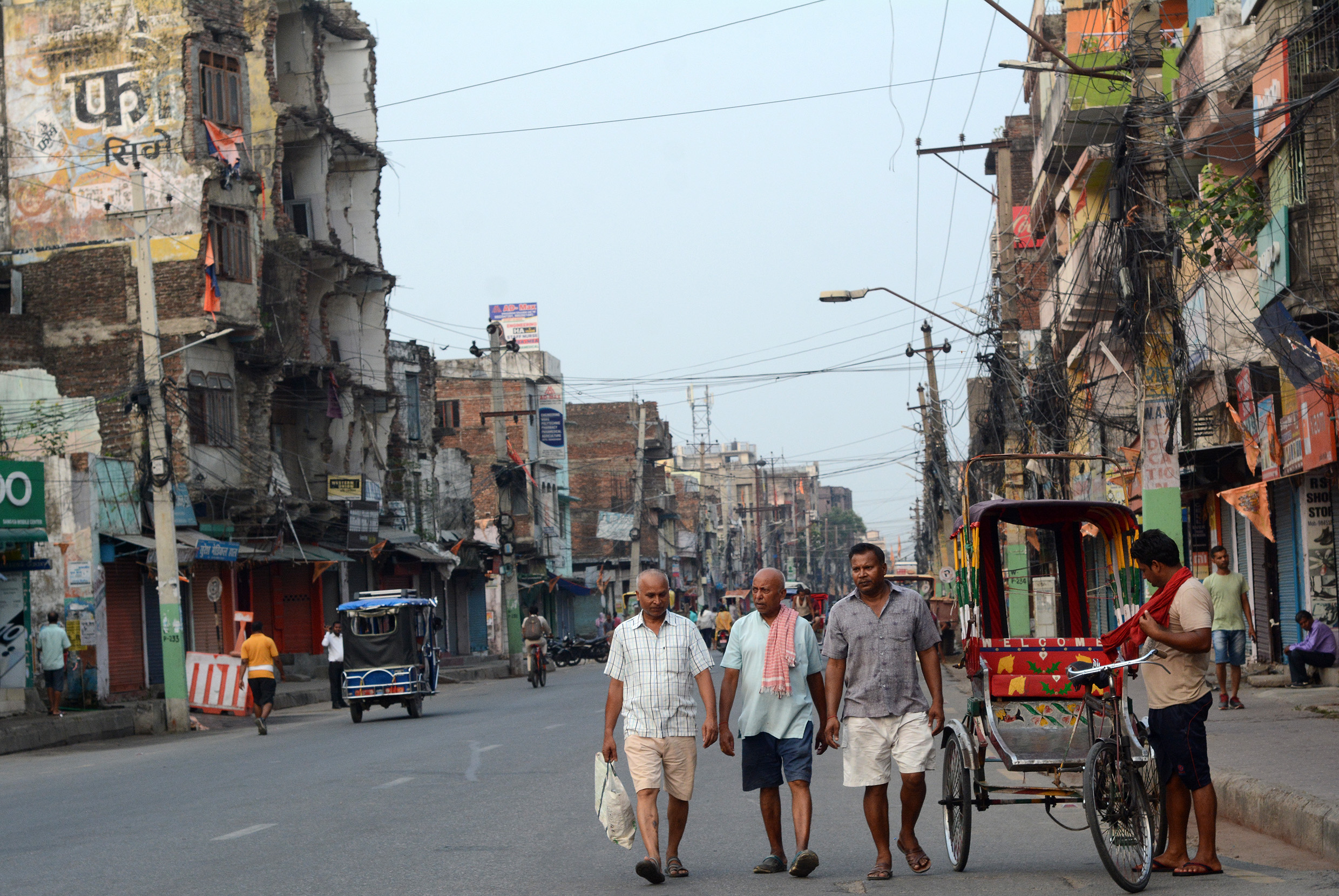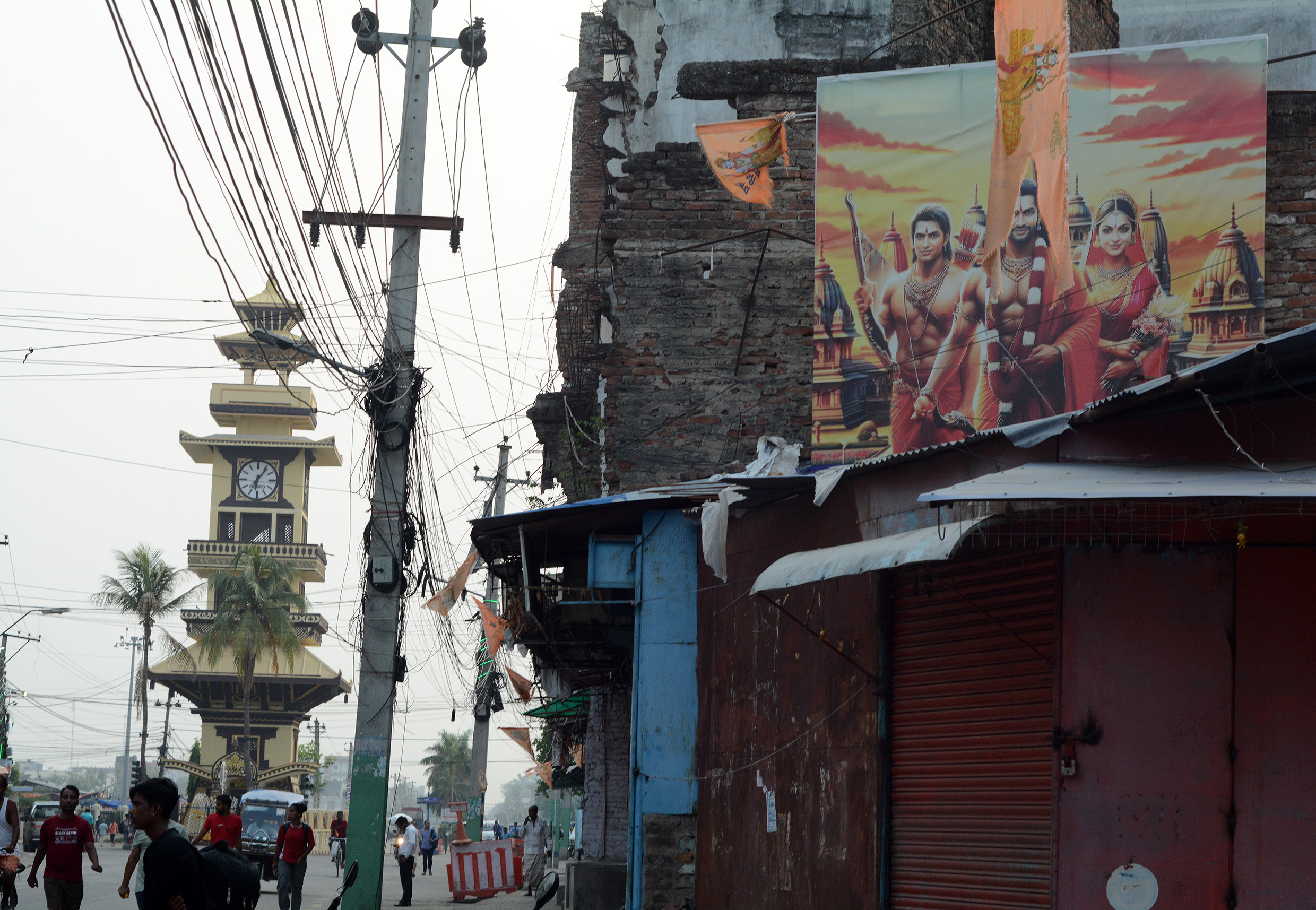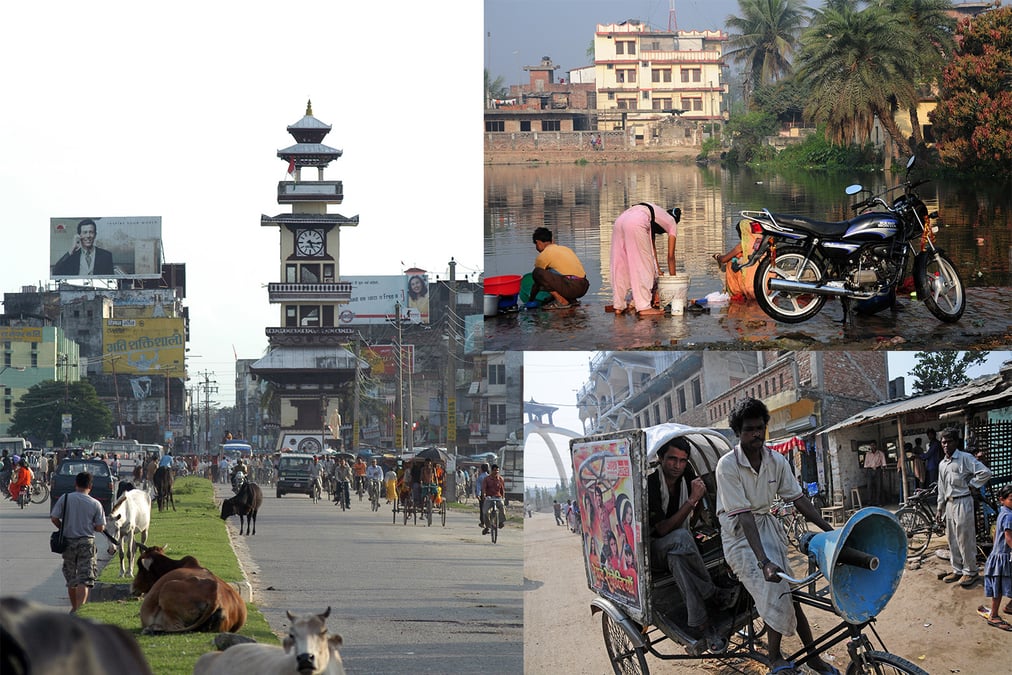
While the rest of Nepal has gone cynical about federalism, it has opened doors here in Janakpur, the seat of Madhes Province. Its Mithila culture has got new national and global exposure, footfalls have increased and there is a new visible presence of development agencies.
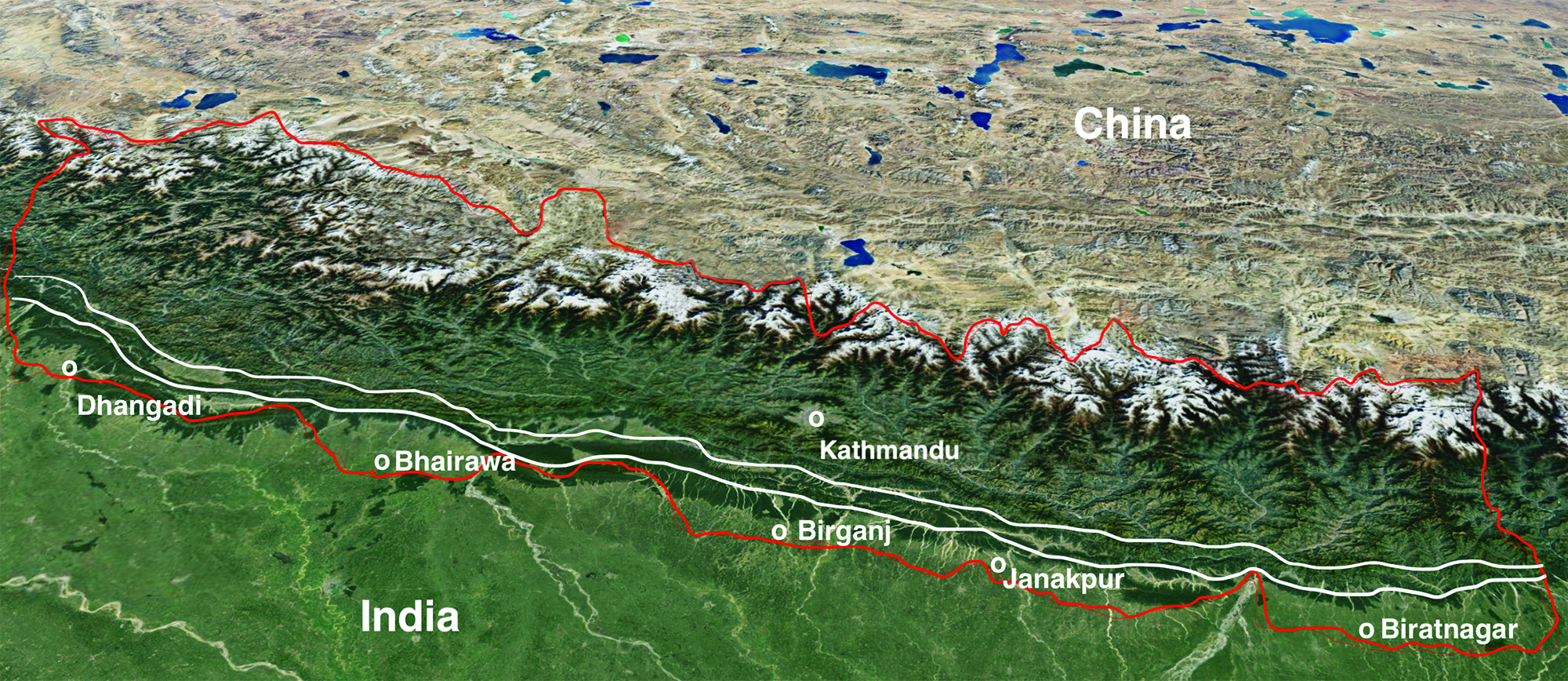
Some of this has come at a cost to Birganj 70km away, which was always the commercial hub of the central Tarai and a gateway to Nepal via the land route. In fact Birganj and Janakpur were rivals in the contention of which city would be the capital of Madhes Province. But Birganj also has a new vibrancy in culture, the arts and cuisine.
Abhishek Jha is a lawyer and researcher from Madhes Province.
JANAKPUR
There used to be a time when Janakpur was synonymous with the Janaki Temple, dedicated to the birthplace of Sita. The temple is still a draw, but Janakpur now has a new set of footfalls, and there is a certain order to the chaos of this border city.
As the capital of Madhes Province, there are government agencies, new institutions and a heavy presence of the development sector. There are now at least a dozen flights to and from Kathmandu every day, propelling the city’s socio-cultural dynamic.
There is a pursuit for ‘uniqueness’ and at the heart of this is an active effort to make Mithila art more palatable to the pan-Nepali public: with paintings, merchandise, cutlery, apparel, stationery items and other paraphernalia.
A pioneer in this revival are the artists of Janakpur Women’s Development Center. The 800 year old Maithali folk-dance form called Jhijhiya has found new platforms and audiences at cultural events like the annual literature and theatre festivals held here. There is an attempt to make it more contemporary and address progressive issues like gender empowerment.
The Mithila Thali has found fans, largely due to the culinary curation of Master Chef Santosh Shah and his popular new restaurant at Ramananda Chok. A trip to Janakpur nowadays is perceived as incomplete without a stop here.
The choreographed spectacle of offering evening prayers at Gangasagar may not be as impressive as the one in Banaras, but it is quaint with ‘Yah chhai hamar Janakpur…Janak k gaam Janakpur…Sita k Janakpur…’ playing in the background.
Janak has rebranded itself as a cultural hub that transcends Mithila and aims to encompass a new, inclusive Nepal. The local media and social media play an important role in disseminating this identity.
There are six other federal provinces in Nepal, but only Madhes is a broadly ethnic enclave, and Janakpur stands only second to Kathmandu in the national discourse. Part of the reason for this could be Indian Prime Minister Narendra Modi making it a point in 2018 to make a special visit to Janakpur.
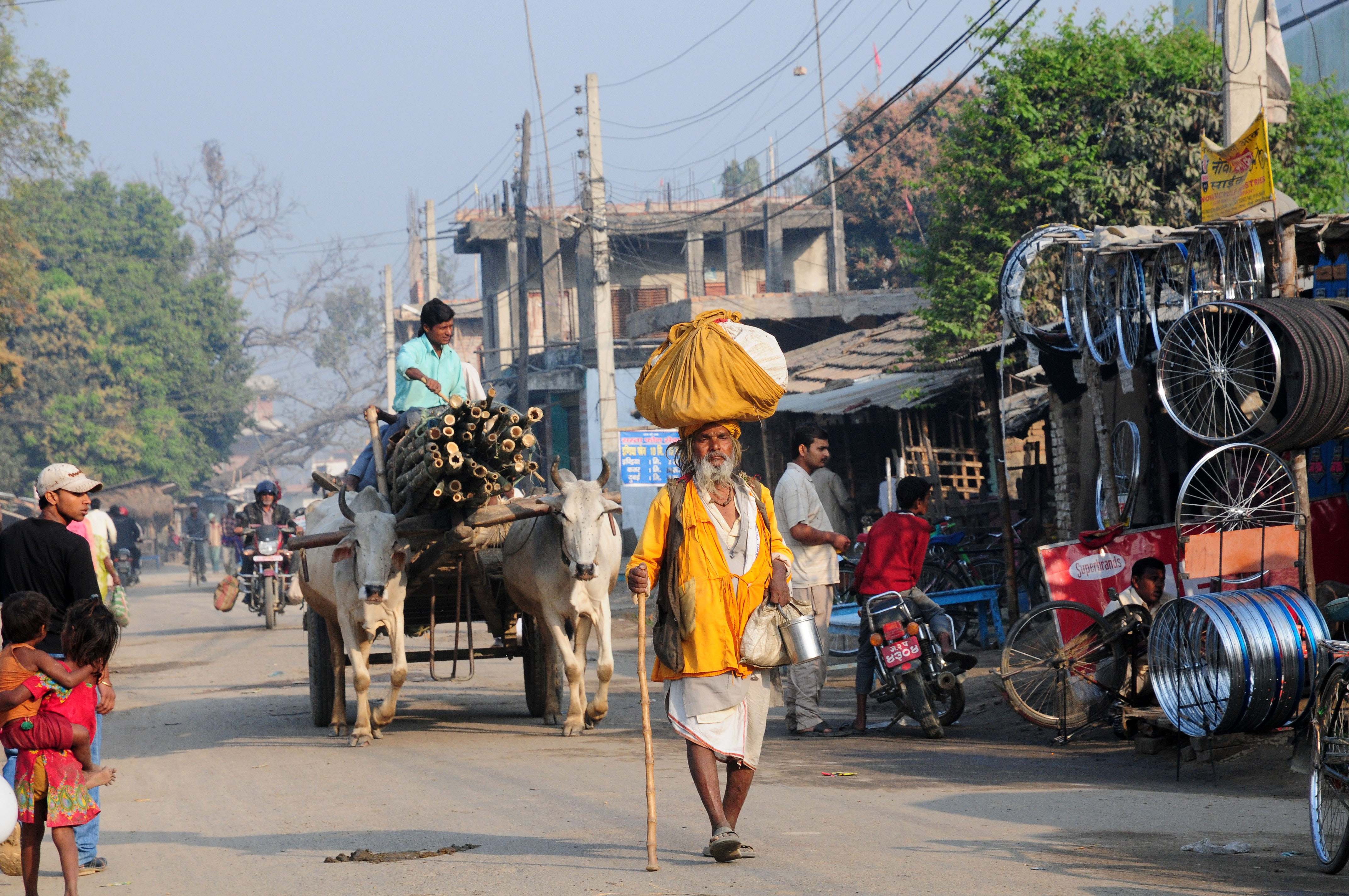
Janakpur’s geopolitical status is now higher and many Kathmandu-based ambassadors make it a point to visit, adding to its reputation and importance. Madhes Province can showcase its development since the first federal elections in 2017 with greater women’s empowerment in a traditional patriarchal society.
Government offices now have more women faces, there are more women shopkeepers in the market and banks, female participation in schools and colleges are higher. Some of this could be due to male outmigration, but there is no denying that the women of Madhes now have a stronger voice.
Janakpur has become more liberal in accepting other languages of the province besides Maithali, like Bhojpuri, Bajjika, Tharu, Urdu and Nepali. Unlike during the Madhes Movement of 2015, there is a new acceptance and assimilation of other communities.
There is now a proclivity in the public and government to demonstrate inclusion, both in principle and practice.
BIRGANJ
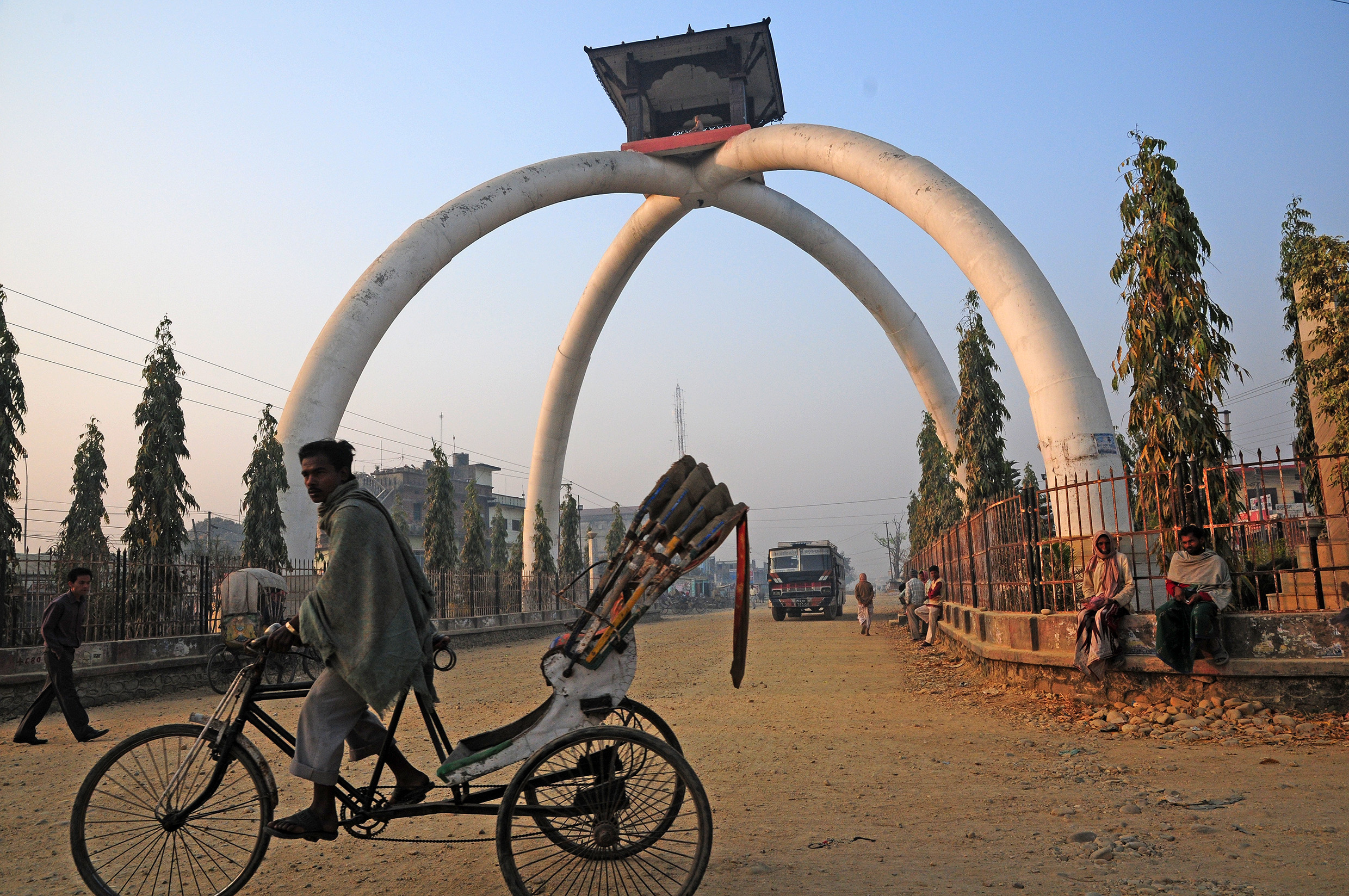
As a commercial hub and the road gateway to Nepal, Birganj is brash. Its people seem to be in a perpetual hurry to get somewhere, and as a city through which 80% of Nepal ’s exports and imports pass through, it also has a strategic importance. Proof of that were the many road blockages during the 2015 Madhes Movement here.