Many of the everyday items Nepalis traditionally used in their homes are going or gone. So have the words that described them. Plastic buckets have replaced brass gagro. Linoleum floors have taken the place of sukul straw mats.
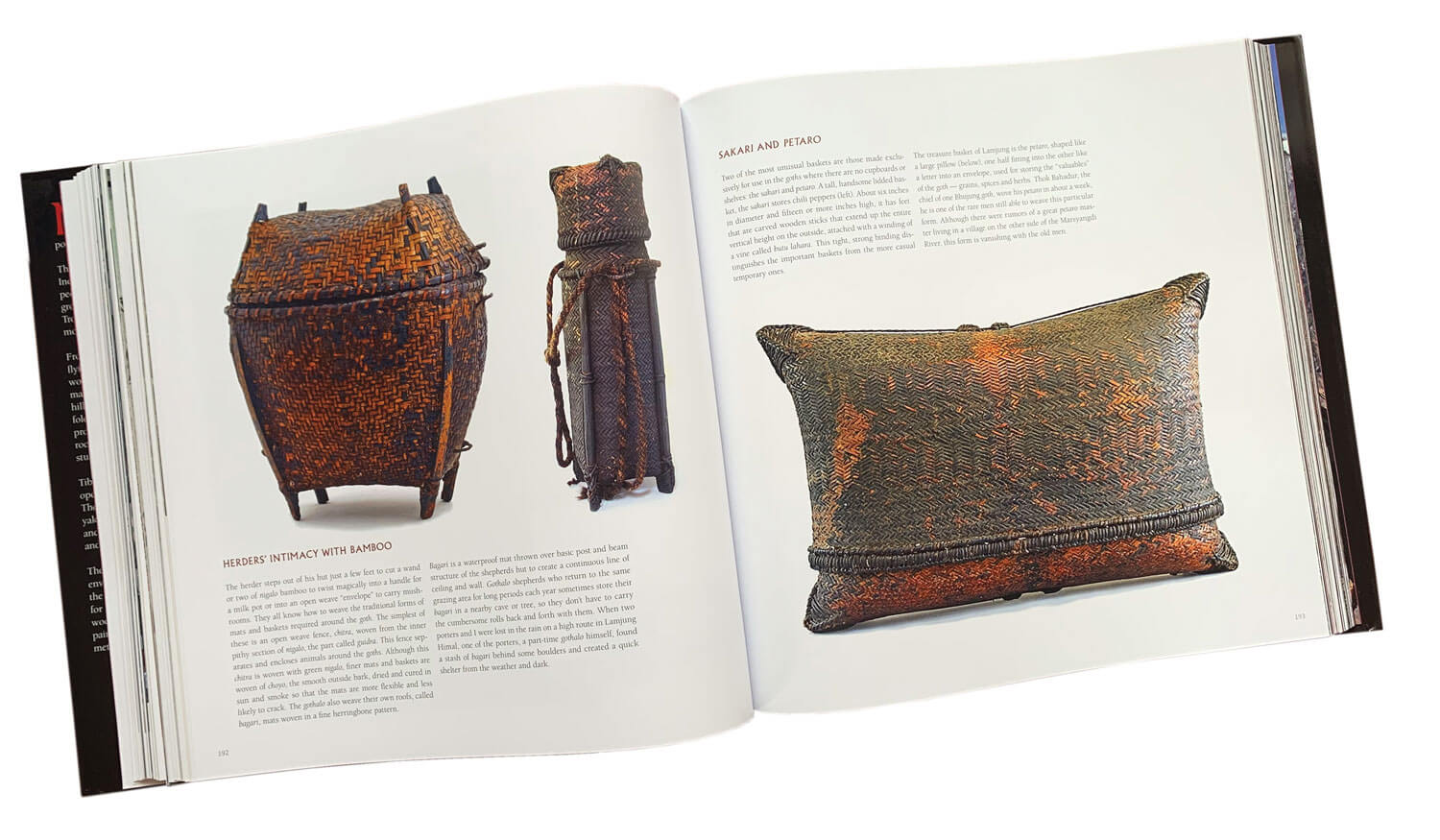
Most young Nepalis do not know what petaro, sakari, chulesi, dalo, doko, theki, dhiki, dheri, kolhu, sandook or mandro mean. Nepali words that described many of these objects are now extinct. Tharu words for utensils, Gurung vocabulary for household furniture and Rai or Limbu terms for farm equipment are all endangered.
Judith Conant Chase has been in Nepal for nearly 50 years, and has made it her life’s work to collect and preserve many of these traditional objects. In 2012, she set up the Living Traditions Museum at the Amatya Sattal in the Changu Narayan complex to house her collection, so it could be seen by as many Nepalis as possible. By preserving the objects she has also saved the Nepali words for them.
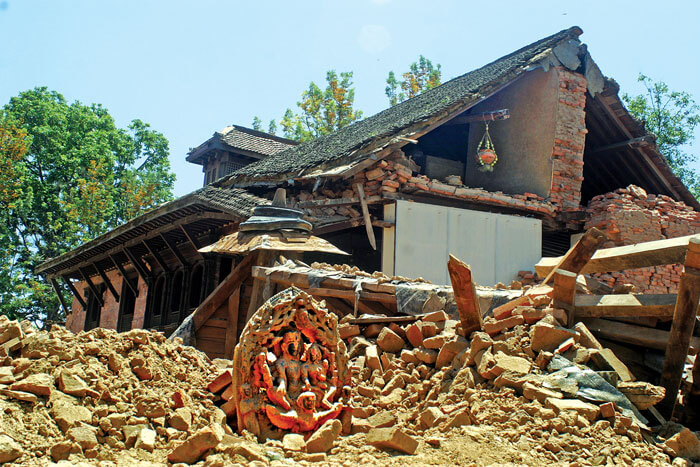
When the earthquake struck on 25 April 2015, Kathmandu Valley’s oldest monument zone was badly damaged. Some of the 1,300-year-old Licchavi era temples went down, the museum was damaged, but the exhibits were intact (including the Tharu clay pot hanging from the rafters in the photo, right). The structure has now been rebuilt, and Chase is trying to have the museum reopened in the new year.
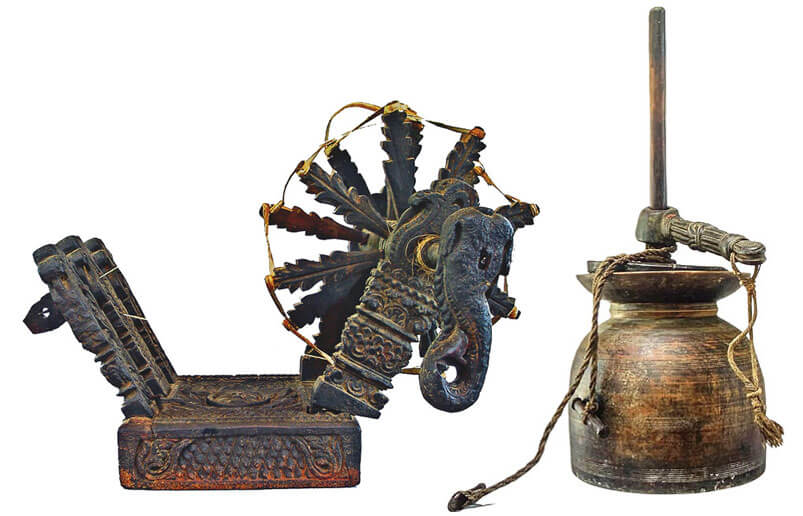
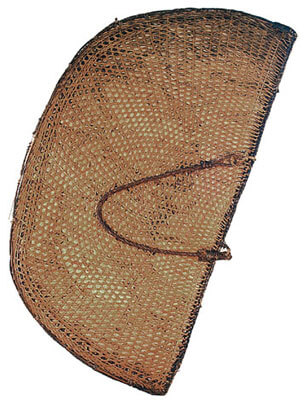
Travelling across Nepal in the 1970s, Chase admired the simplicity of people’s lives, their cheerfulness despite hardships, and the everyday handmade objects they used around the house — like the umbrella that Gurung villagers in Bhujung wove from nigalo strips and leaves, which Chase found ingenious because it also kept a farmer’s back dry while bending over to tend the fields.
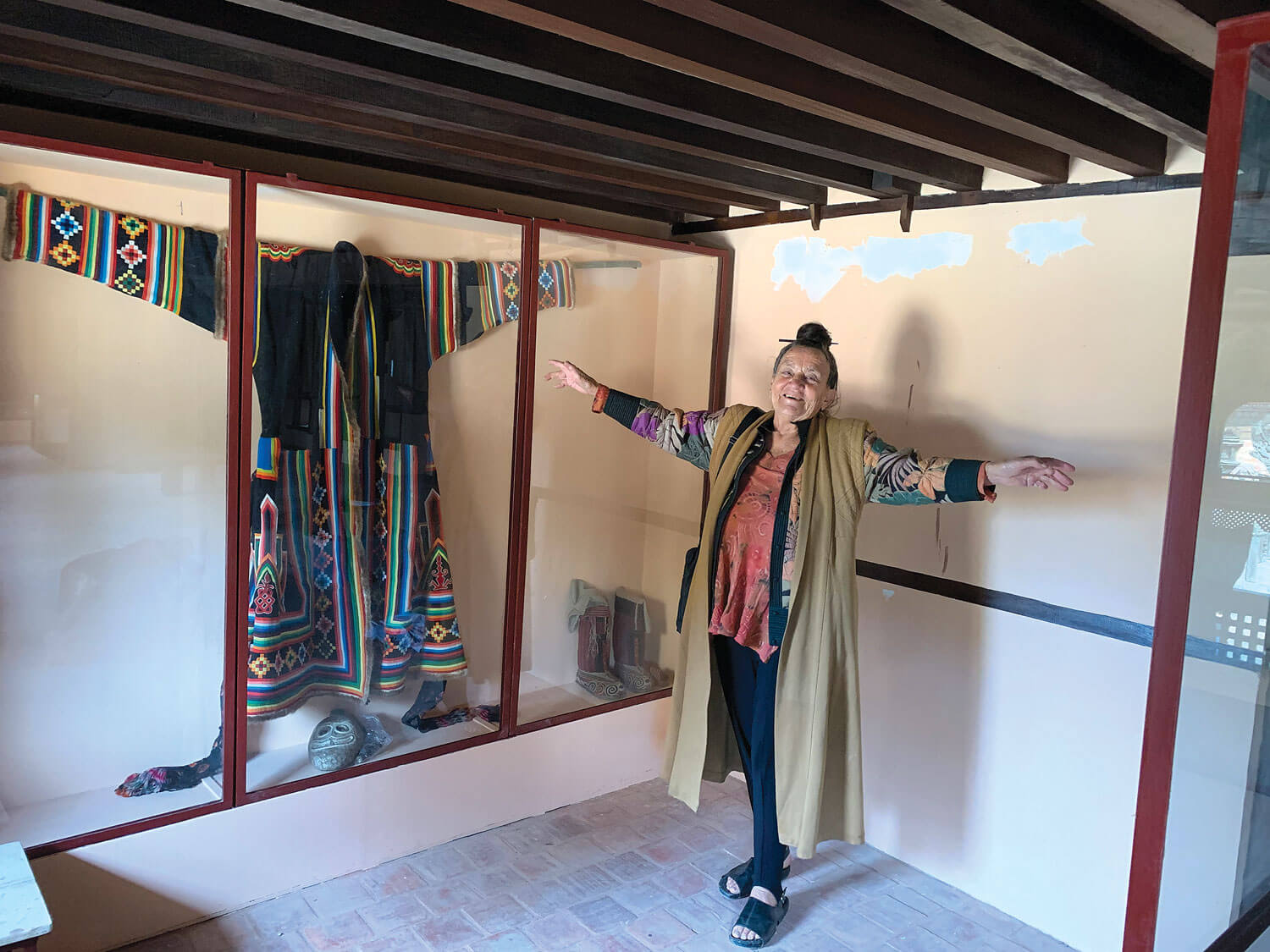
Maithili jewellery fascinated her, especially the sculpted silver bracelets that had strips joined into a ripple pattern. Over decades of being worn during work, the metal was weathered and polished into a shiny metallic brilliance. Doko baskets are perfectly crafted through a technique handed down from generation to generation of Gurung families, as are the felted carpets and capes of villagers in Ghandruk, and in Kathmandu the intricately carved bapa, used as a shrine in Newa homes. Another example, from Humla, was the colourful Nyinba woollen greatcoat, worn once a year during festivals (pictured overleaf).
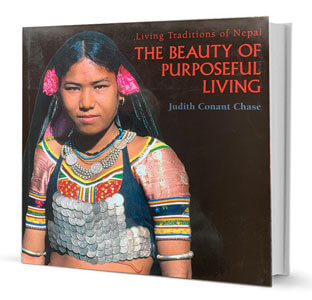
All these items, lovingly preserved, will be returned to their cubicles and exhibit cases once the Living Traditions Museum reopens. Chase’s book, Living Traditions of Nepal: The Beauty of Purposeful Living, is an encyclopaedic guide to the artefacts, and more.
The voluminous 440-page, coffee table book is superbly illustrated and designed, and divided into sections representing the Himal, Midhills, Tarai and Kathmandu Valley. The text is arranged like extended captions, and interspersed with extracts from Chase’s journal of four decades ago.
Chase decided to use her journal entries because the words recorded her feelings more accurately at the time, making the memories so much more real.
One such extract, after seeing a sadhu at Pashupati on Shivaratri: ‘I feel invigorated, intoxicated, inspired, as if being in love. There is a whole way of being in the world that I had only sensed dimly… There is a feeling of a secret that everyone else knows that I am just beginning to glimpse, frustrating and enticing together.’
She marvels at the ‘hanging life support system’ of Tharu homes, where food and storage items dangle from the ceiling, where protective smoke of the central fire preserved and cured stored food items. This was technology developed over centuries ‘out of a particular set of natural resource and household needs’.
‘The lives of the Nepali people and their art objects are elegant, inspired, vigorous, humorous, vibrant, romantic, sometimes even a bit wild,’ writes Chase. ‘They are woven, hammered, carved, turned, painted out of the hand of artists, both household and professional.’