Born in Calcutta, and now a New York-based writer, Amitav Ghosh approaches the subject of the global environmental crisis through two literary genres: fiction and non-fiction.
As a celebrated novelist, Ghosh is known for his meticulously researched works of fiction that take complex transnational historical events, and weave characters into them, so that readers get a close idea of what it was like to live through those times.
The Calcutta Chromosome, for instance, is a tale woven around the malaria scourge that has lessons for the current pandemic. In The Glass Palace, Ghosh takes us back to colonial Burma, Malaya and Bengal and the story of a family caught up in upheavals. His novel The Hungry Tide is about a young Indian scientist in the ecologically fragile mangroves of the Sundarban in the Ganges delta. Sea of Poppies is about fictional characters caught up in the very real Opium Wars.
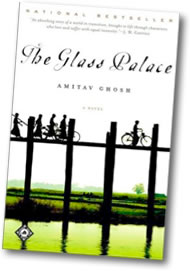
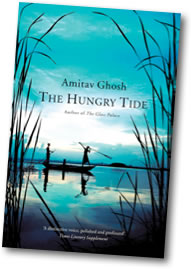
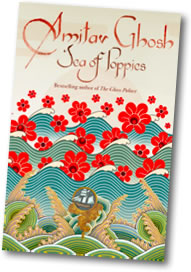
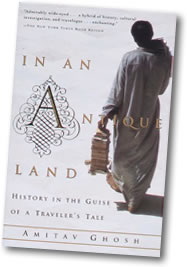
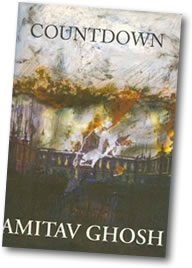
While Ghosh specialises in historical novels that merge fact and fiction, he has also written powerful non-fiction books, including the ethnographic In an Antique Land. The slim Countdown is about regional radioactive fallout of a future India-Pakistan nuclear war, and The Great Derangement in 2016 looked at the reluctance of politicians, novelists, artists and movie-makers to grasp and respond to the climate emergency.
Horror story for a climate calamity, Kunda Dixit
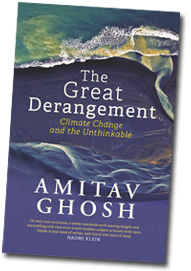
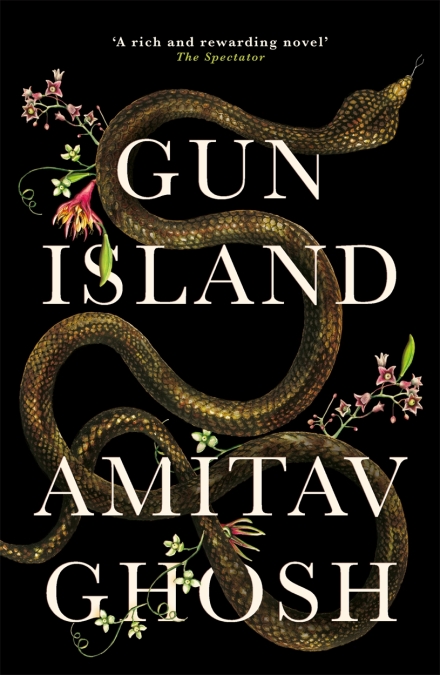
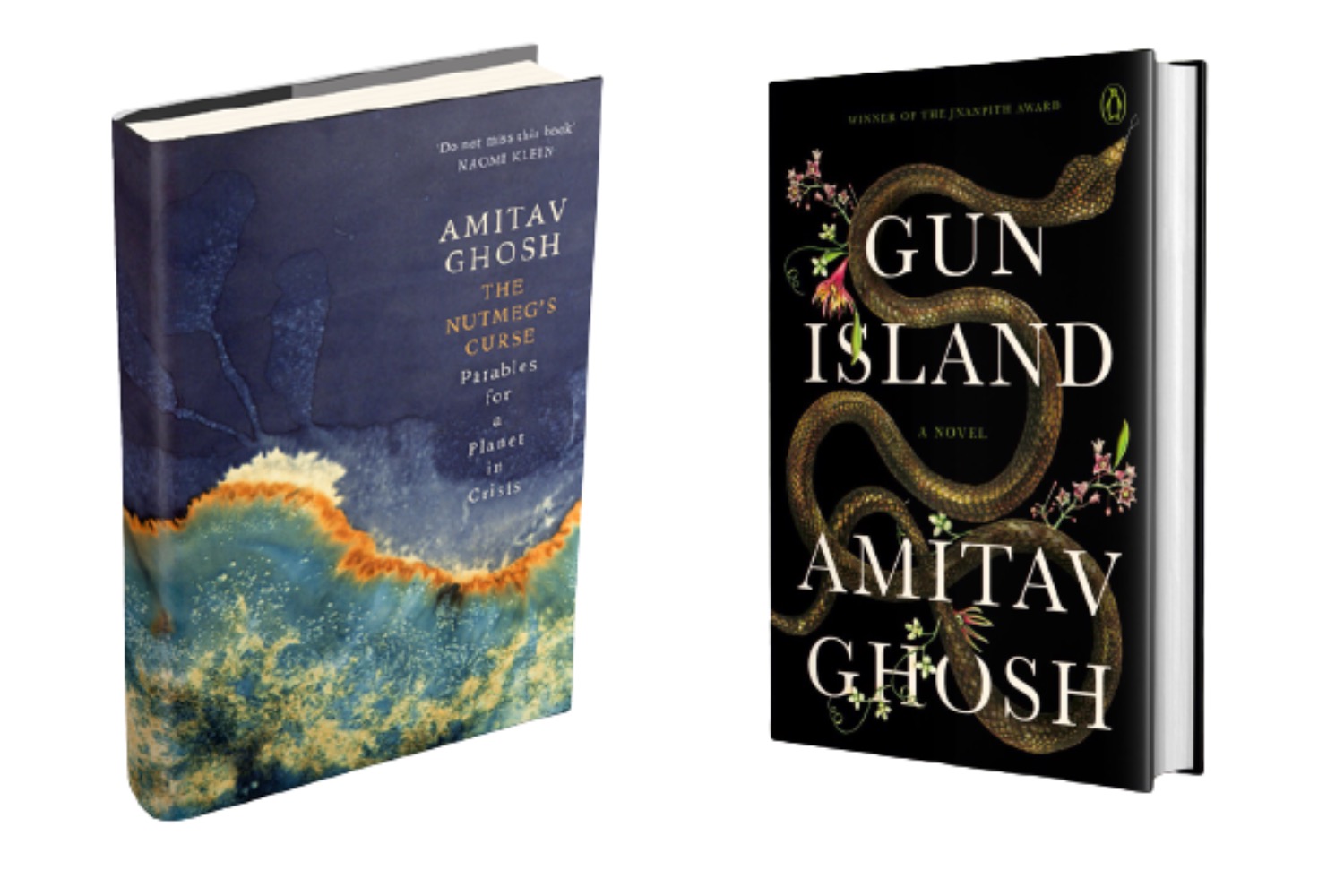
Ghosh’s pre-pandemic novel Gun Island could be seen as a response to the questions he himself raised in The Great Derangement about the paucity of novels dealing with climate change. In this fictional work, we are taken in typical Amitav fashion on the journey of a 50-something Bengali American, as he finds his view of reality shifting.
Dinanath Datta, more commonly known by his American name Deen, is a dealer of rare books with a natural affinity for the ancient and poetic. While on an annual visit to his hometown of Kolkata, he is persuaded into taking a last minute boat escapade into the Sundarbans, the same mangrove archipelago that is the setting for the earlier novel The Hungry Tide.
Deen heads to a riverbank with a shrine in honour of the protagonist of an old Bengali legend. Upon learning more about the details of this mysterious folk tale, Deen begins to recognise that this narrative may be based on a real life experience of an individual living during climatic changes of the ‘Little Ice Age’ 500 year ago, when a cold period swept the planet.
Needless to say, there are many parallels to the climate crisis we are experiencing today. Deen, a secular realist, realises that the greatest barrier to humanity dealing with a global emergency is greed. He thinks (and obviously the author does, too, through his character) that the religious concept of demons is a metaphor for greed. ‘According to Hindu mythology, when demons take over is when the world ends,’ Ghosh writes on behalf of his character.
Humans are inherently greedy and this nuanced take is the theological summary of the anthropocene. While demons have not actually taken over the earth, demonic ideation has. Later in the novel, Deen’s close confidant, Cinta, states that when she looks at this world ‘with the diagnostic tools of an Inquisitor, it becomes that the world of today presents all of the symptoms of demonic possession’.
Cinta sums up our current climate crisis in a most particular, yet insightful fashion: ‘Everybody knows what must be done if the world is to continue to be a liveable place … and yet we are powerless, even the most powerful among us. We go about our daily business through habit, as though we were in the grip of forces that have overwhelmed our will; we see shocking and monstrous things happening all around us and we avert our eyes; we surrender ourselves willingly to whatever it is that has us in its power.’
Panoramic encyclopaedia of the Himalaya, Lisa Choegyal

This is a striking and eloquent explanation of a world held in the spell of a capitalist consumer culture that has numbed us to its consequences on nature and life. The phenomenon of greed has “possessed” us in that way. Gun Island is a bit of a slow burn, but once the action begins the pages turn easily. Ghosh weaves references to contemporary events and issues, while incorporating them into human history. He is able to illustrate the importance of maintaining a relationship with the unknown and mystical, as well as how that can actually strengthen one’s relationship with reality.
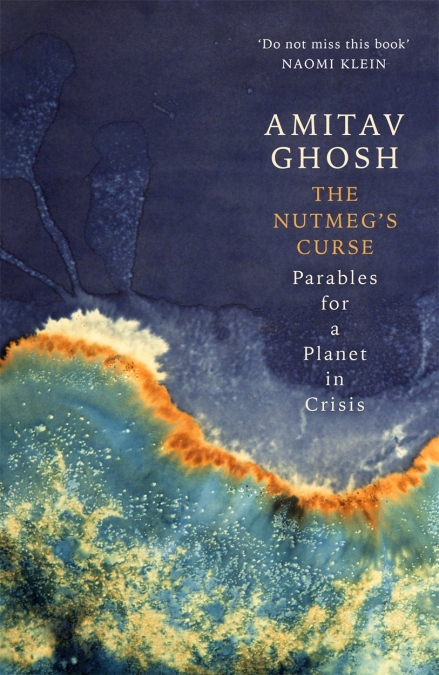
The author leaves his reader wanting to show strength in stepping out of the demonic choke-hold of greed and extravagance that society is currently in, and stand up for Mother Earth. And to ram the point home, Amitav Ghosh then uses the pandemic lockdown to write a non-fiction corollary to his novel, The Nutmeg Curse, released last month.
In it, Ghosh speaks as himself, and not through one of his characters, about the history of cruelty and plunder behind the ‘discovery’ of the New World and the European colonialism elsewhere in the world.