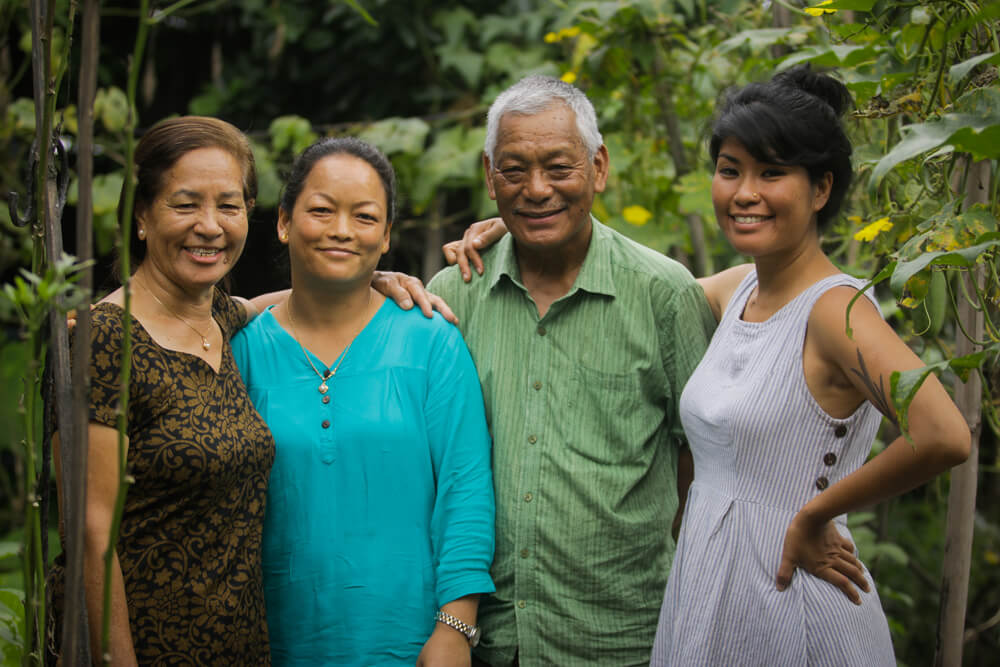
Like many Nepali housemothers, Bhimi Gurung spent her life preparing three meals a day and bringing up her children. Still, she felt she had not accomplished much, and one day confided as much to her daughter, Muna, who had just returned from the United States.
The remark affected Muna Gurung deeply. Her mother sacrificed her whole life for her family, and now she needed something else to keep her busy doing what she was best at.
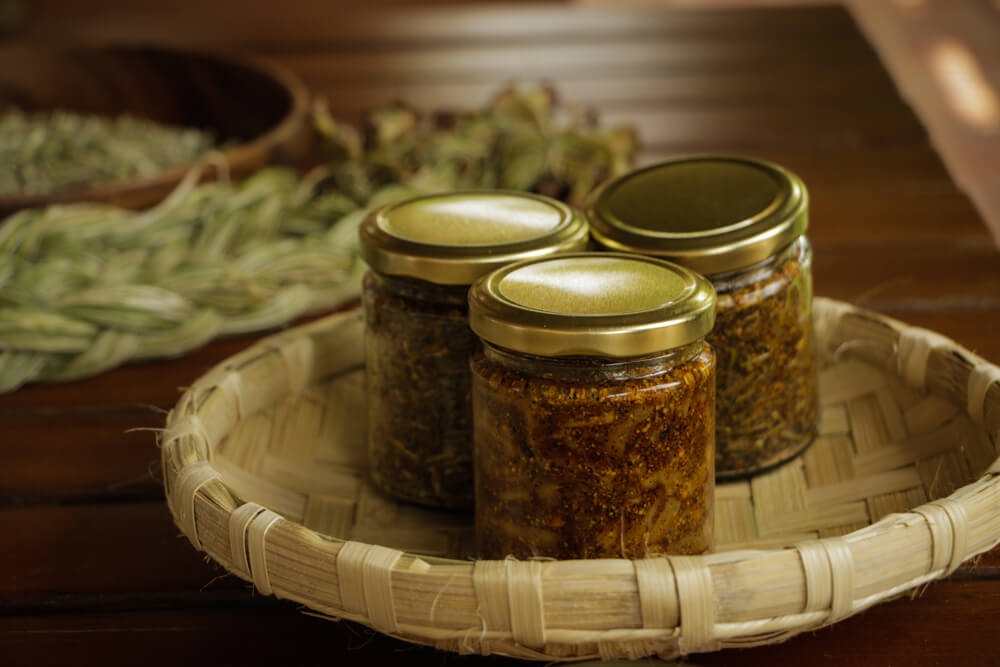
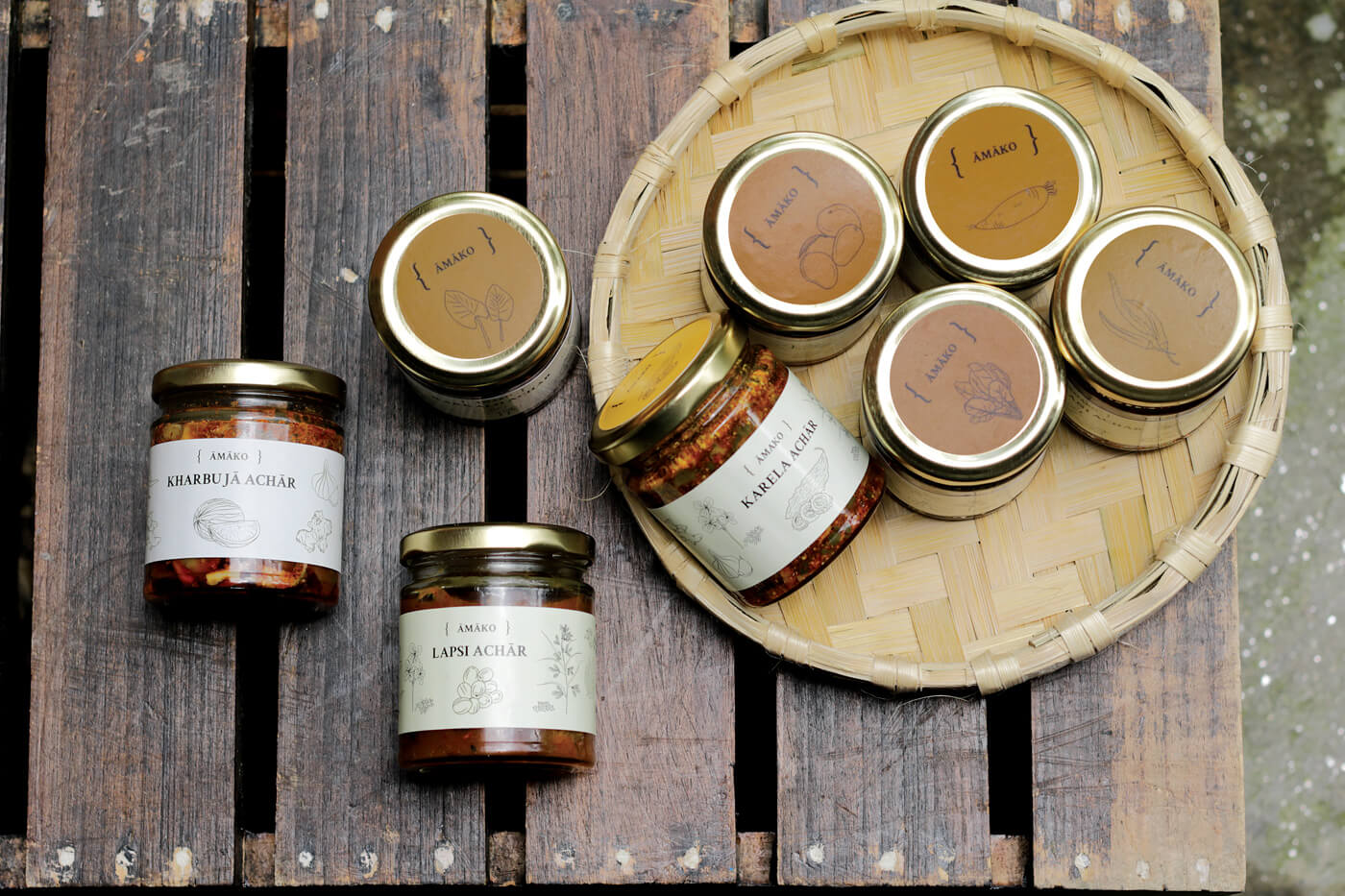
Bhimi Gurung’s pickles were famous among family and friends, so last year Muna started marketing varieties of organic pickles under the name Āmāko (which simply means Mother’s). In no time, the pickles started flying off the shelves, first at weekend organic markets, then in stores, and now online.
Āmāko is now an intergenerational company, producing 10 varieties of handmade traditional Gurung pickles, with four more varieties in development.
“My mother’s cooking, especially her pickles, used to be admired by Nepalis and foreigners. So, I thought, why not turn it into a business?” Muna says.
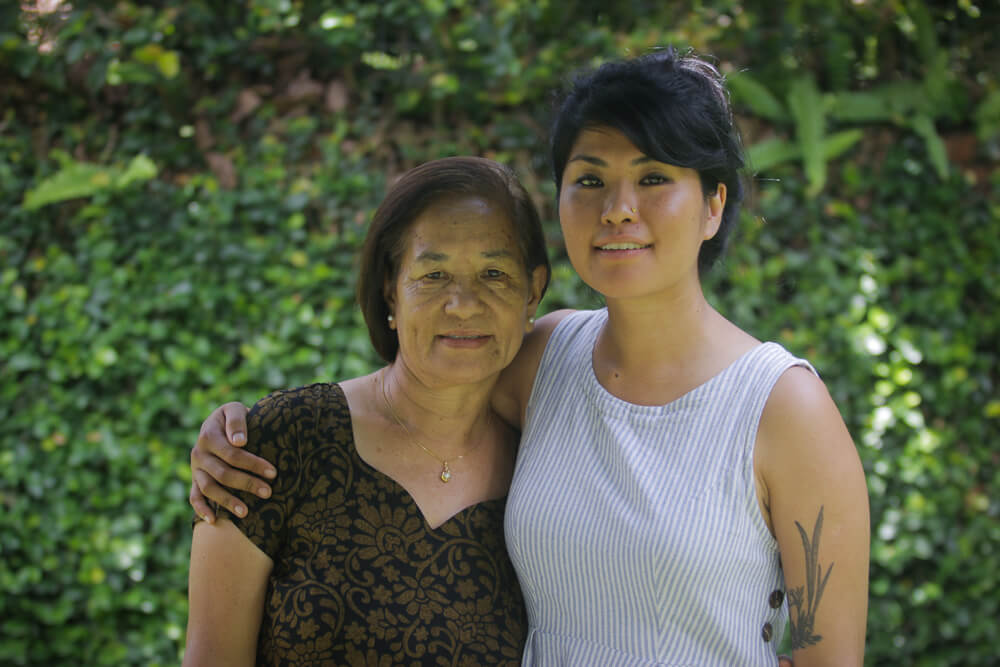
It was not easy to persuade her mother to get involved, however. What finally clinched it was when Bhimi Gurung remembered that when foods are served to the Rinpoche in a Buddhist monastery, the name of the cook is often taken with reverence.
“The cooks are usually thanked and blessed for their kindness and culinary skills,” explains Bhimi Gurung, “I cannot compare myself with the great chefs of the past but the thought of bringing happiness and satisfaction to many people was what pulled me towards this idea.”
Pickles (achar in Nepali) are an integral part of Nepali cuisine, a spicy and/or sour condiment that complements the dal bhat tarkari staple. Historically, pickles in many societies were a way to preserve vitamin-rich food for the winter before refrigeration was invented.