

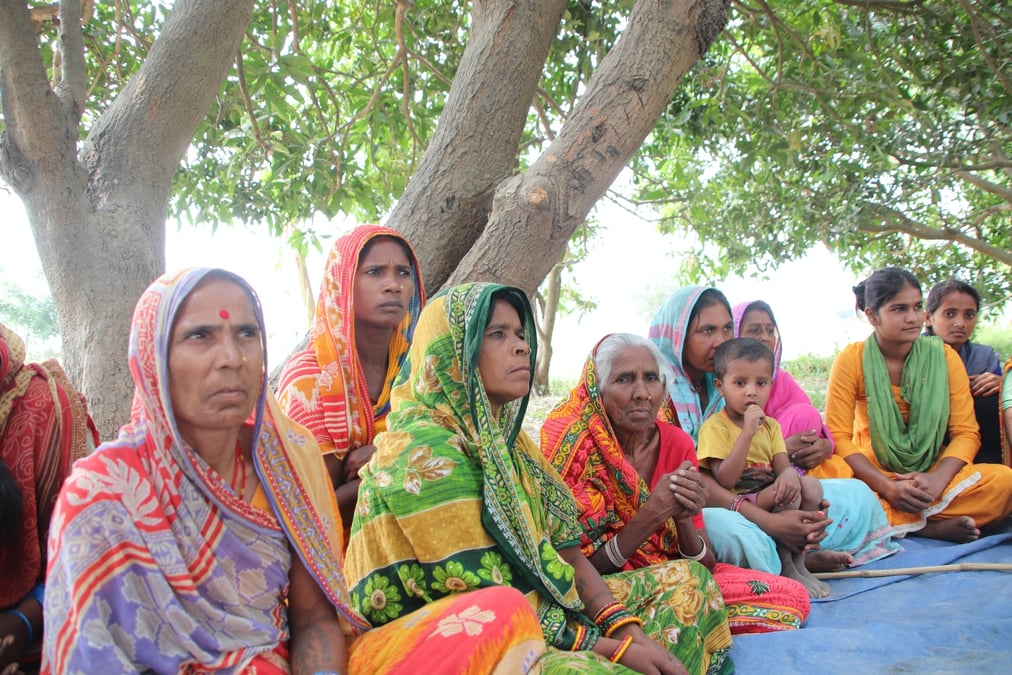
These are the forgotten Nepalis, who do not seem to matter to anyone in all three levels of government. Elected members of ward, municipal or provincial councils should be listening to them, but they do not.
The demand for federalism was first raised from these districts which were always treated as peripheral by Kathmandu. Yet, even after the provinces were carved out in 2015 to devolve decision-making, these families on the margins still do not count.
They are not powerless, they were never given any power. They are not voiceless, they are not allowed a voice.
The state does not need to move mountains to meet their needs. Their needs are simple: make the citizenship process easier, provide a hand pump in the village for safe drinking water, make sure the health post has a nurse, protect them from persecution from powerful castes.
Read also: Fogbound Tarai, Chandra Kishore
But the gap between Nepalis who have access to state services and those left out is widening. Grassroots democracy under federalism has not changed the fortunes of those at the grassroots. A new class of politicians is emerging who are riding identity-based provincial politics, but they have no time for the corner people who elected them.
The state’s legitimacy should stem from how much the perennially outcast, landless or Dalits are allowed to voice their concerns. Eight years after the Constitution, and two elections later, there has been no improvement in the condition of Nepal’s most underserved.
The problem of landless Dalits in the Tarai is different from others from this community in Nepal. Families are crammed inside mud and thatch huts come winter, summer or monsoon.
I ask them if the ward or municipality leaders they elected have ever visited, and they shake their heads. Provincial politics is just a proxy for Kathmandu’s bloated centralised system.
Read also: Feudal federalism, Editorial
In these backwaters of the Tarai, political power comes out of the claws of excavators mining sand from rivers. Power is flaunted by hobnobbing with imported godmen, by ignoring the victims of loan sharks, or neglecting the neglected.