The United Nations Framework Convention on Climate Change was agreed in 1992 to deal with the increasing atmospheric concentration of carbon dioxide. In 1992, carbon dioxide concentrations had reached 356 parts per million (ppm) compared to 286 ppm in the 1850s. Today, with 411 ppm of CO2, the world faces a climate emergency. Despite advances in renewable energy technology, fossil fuel use has continued to rise and emissions are still growing. Meeting the Paris Agreement’s goals, agreed to in 2015, appears increasingly hard.
Higher heat in the atmosphere due to increasing concentration of CO2 has made the global hydrological cycle erratic, including over the Himalaya region. Seasonal rainfall patterns are significantly different than in the past. Local farmers already speak of having to adjust to rainfall regimes that differ completely from their past experiences. And this is only part of the story complicating water management.
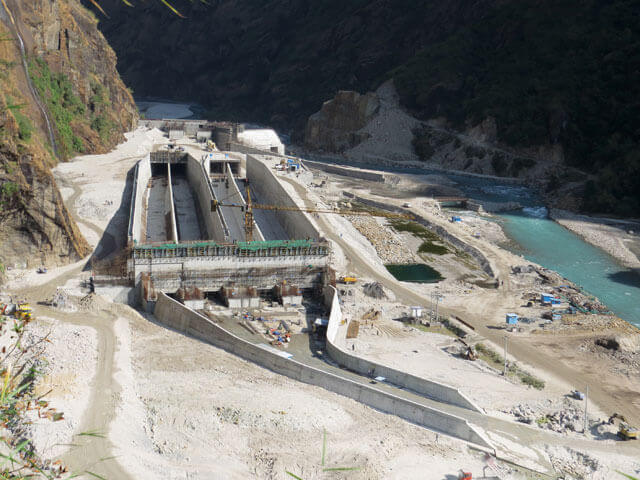
Over the last 150 years, reservoirs, dams and barrages that divert water to farms, cities and industries have significantly altered the natural hydrological cycle. High-capacity pumps also increasingly bring water from very deep aquifers to the surface. Untreated human waste from cities and effluent from industries are dumped into rivers and water bodies. Embankments already constrain the natural flow in many rural areas.
But flooding is no longer a rural phenomenon. Haphazard urbanisation blocks streams and rivers. Floods caused by short duration, intense rainfall inundate new areas because existing drainage paths cannot safely discharge them. With 70% of South Asians expected to live in urban areas by 2050, urban flood risks will increase manifold.
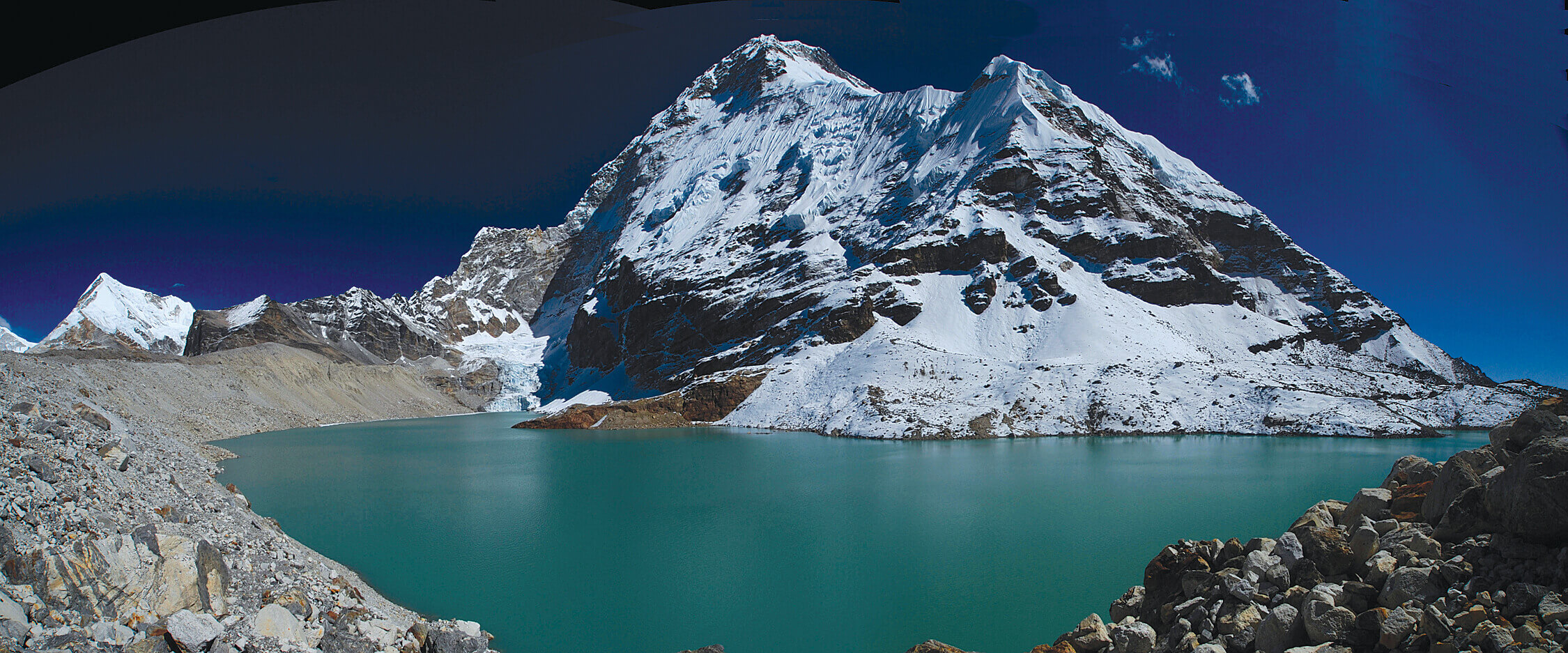
Climate change-induced impacts exacerbate these development challenges and create a bleak scenario for the future of water. The Himalayan ice and glacier system is a case in point. Examination of satellite images suggests that between 2000 and 2016, eight billion tonnes of ice storage was lost, twice the amount lost between 1975 and 2000.
Snowmelt sustains the low flows of the Kosi, Gandaki, Karnali and Mahakali rivers, all of which feed the Ganga. Changes in snowmelt dynamics and the hydrology of the Himalayan system will not only affect downstream water users but also significantly stress existing water-sharing treaties between Nepal and India.
Read Also:
Making Nepal Powerful, Editorial
Decentralising (hydro)power,Gyanendra Lal Pradhan
An energy windfall for Nepal?, Kushal Gurung
Each of these four rivers has a barrage at the Nepal-India border, and Nepal and India have signed river-water treaties that specify the water allocation regime for all of them, except the Karnali. Nonetheless, conflicts between Nepal and India still exist, and could escalate. In Bihar, complaints about the diversion of Ganga waters by upstream barrages are rife. The changes in low flows will extend to the treaty between India and Bangladesh on sharing of the Ganga’s waters.