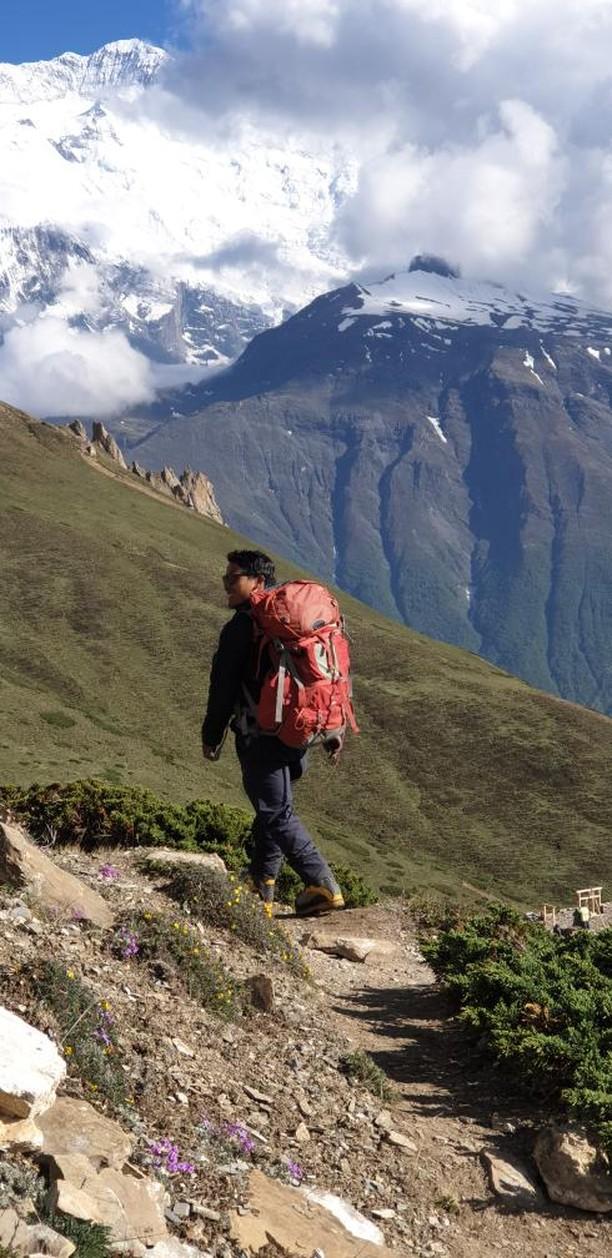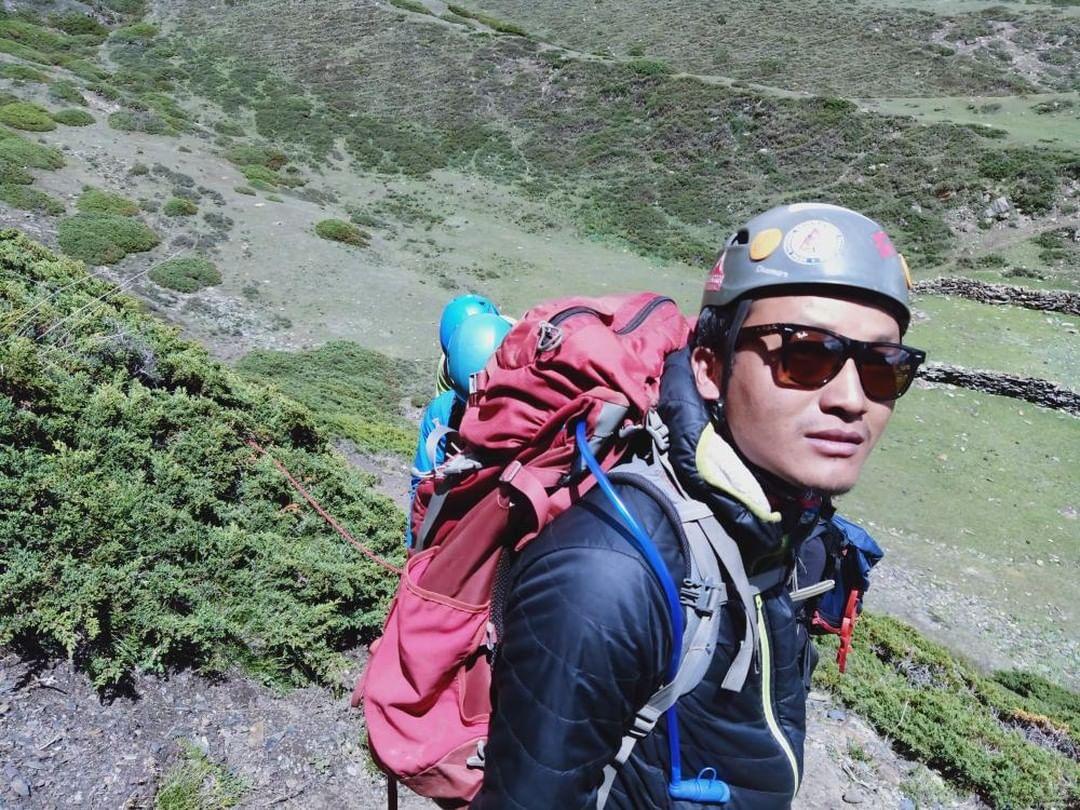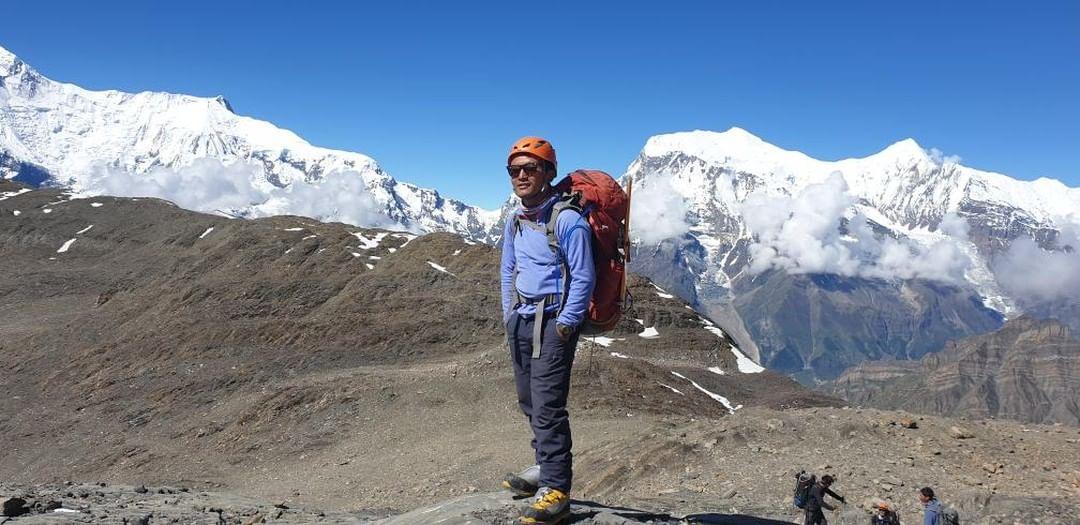
Till two years ago, Pemba Norbu Sherpa was a happy-go-lucky trekking guide from Phakding on the Everest Trail. Things were looking up, he was getting trekking clients to guide and would travel to Langtang, Annapurnas and other trails in Nepal.
He made many international friends, and endeared himself with his joyful outlook on life. After a day’s hard trek, he would pitch tents, get the food ready, and the next morning would build a plump snowman. Pemba Norbu’s joie de vivre and humour were infectious.
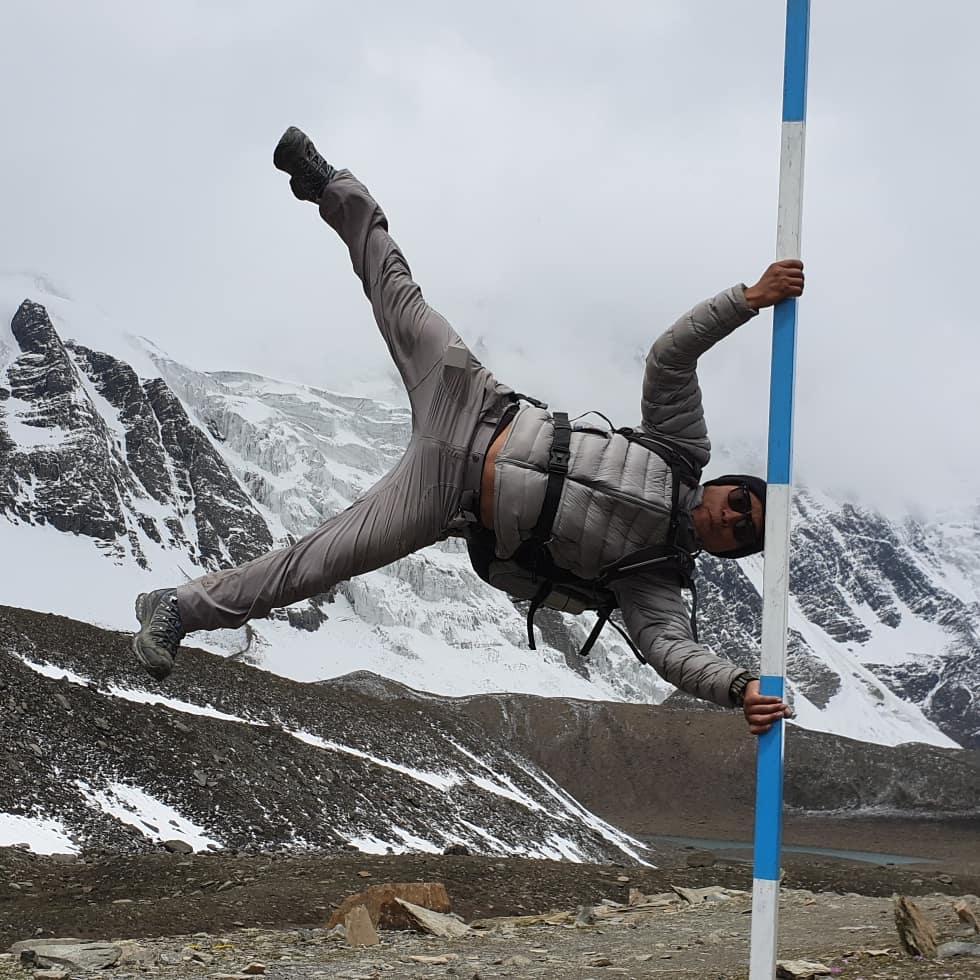
After the 2015 earthquake his trekking business had started to pick up again. He set up his business and had already saved up some money to build a new house for his elderly parents.
All of that changed with the pandemic. “Before the lockdown, I had a high-quality life,” he recalls. “And before that, I had a beautiful carefree childhood. Covid killed the business.”
Some of Pemba Norbu’s childhood friends were infected, and he could not see them because of the lockdown and the need for physical distancing. A few of them and their families died.
Not only was Pemba cut off from his friends and family, but the dream of a new house for his parents is also now a thing of the past. He lost his job, cutting off his income completely. “Due to Covid, all my treks to Everest and Mustang in the past two years were cancelled,” Pemba explains.
Before the pandemic, tourism was Nepal’s fourth-largest industry by employment, with over a million people directly dependent on it. While revenue from tourism contributes only 7% to the national GDP, here in the remote mountains of Nepal, entire villages depend on income from trekking and climbing expeditions.
The collapse of tourism also had an indirect impact. Locals had no market any more for their produce like potatoes, vegetables and poultry products. Hotel staff, cleaners, cooks were all laid off. Guides and porters have had no work for two years.
“I spent the second lockdown in the mountains and the people here don’t have a job or money or anything,” says Pemba. “One of my clients from France helped me financially to distribute rice and salt to the families in Phakding, but there was nothing else I could do to help my fellow villagers.”