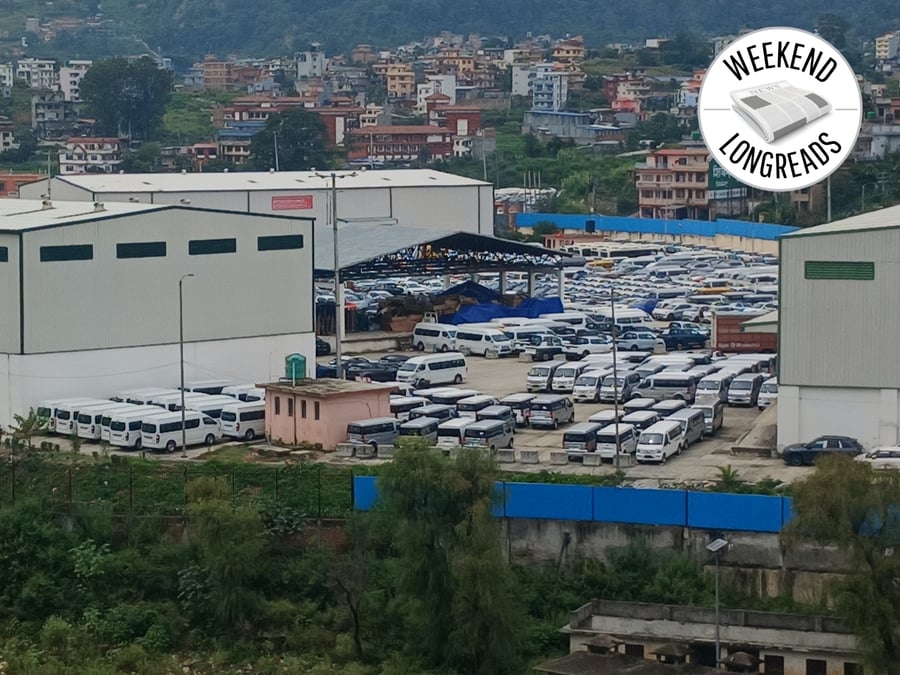
Nowhere is the impact of the abrupt closure of USAID in Nepal more symbolic than inside the Chobhar Dry Port. Hundreds of abandoned blue-plated SUVs and two-wheelers are parked like a car dealership in suburban America.
Across Kathmandu, an estimated 600 homes, apartments and offices rented by USAID personnel, consultants and contractors are now vacant. It is a similar story in Surkhet, a hub for US-funded development projects in far western Nepal. Some domestic airlines have cut daily flights between Kathmandu and Surkhet because there are fewer passengers flying for fieldwork.
With so many cars and motorcycles off the roads, Nepal is actually saving an estimated 200,000 litres of petrol and diesel a month, worth nearly Rs30 million. The Dry Port itself is earning Rs100 per vehicle per day in parking fees.
The impact of the USAID shutdown has therefore reverberated not just across Nepal’s development agencies, but has hit the economy through downstream impact on the private sector.
The United States was the second country to establish bilateral relations with Nepal in 1947, even before Nepal forged diplomatic ties with India and China. US development assistance to Nepal began with the Point Four Program in 1951, and early projects through USOM (US Operations Mission) which supported infrastructure, agriculture, and malaria eradication.
Early US aid programs in Chitwan cleared the jungles so that once malaria was eradicated, it facilitated King Mahendra’s strategy of transmigration of entire mountain villages to the Inner Tarai valleys.
The American-aided Rapti Project was so wasteful and the benefit to locals was so minimal that researchers and historians concluded in books and journal articles that it planted the seeds of the Maoist insurgency in the mid-western mountains.
Later, US aid was critical in linking Dadeldhura to the Tarai and connecting Chitwan to Hetauda, and also in the development of Nepal’s civil aviation with the donation of World War II vintage DC-3s to Royal Nepal Airlines.
Early American aid also focussed on higher education with teacher training, production of teaching materials, and scholarships for Nepali students to pursue university degrees in the US.
In 2022, USAID and Nepal signed a five-year Development Objective Agreement worth $659 million for Direct Financing projects in four sectors: health, agriculture, education, and inclusive policy.
But soon after Donald Trump was sworn in for his second term earlier this year, the USAID funding freeze left about 40 projects across the country in limbo. Many Nepali staff lost their jobs, while other partners scrambled to fulfil project goals. Much of the discussion surrounding development aid centred on how much money was actually spent in rural Nepal, and how much was recycled back to America through consultants, or was spent in Kathmandu by contractors.
“A significant portion of funds from USAID went to American contractors, and there was a lack of transparency about how much of the budget actually trickled down to rural Nepal,” says economist Sujeev Shakya.
While the intended beneficiaries of US development assistance did not gain as much due to tied aid and leakage along the way, the funding cut has left Nepal’s underserved communities without access to basic services, as well as opportunities for livelihood and empowerment.
A retired Nepali diplomat posted in Washington DC told Nepali Times that although many have reason to be cynical about USAID work in Nepal, the closure of the agency is a “huge loss” for the development sector.
America’s withdrawal from the global scene has also prompted other European countries to rethink development aid. Britain’s FCDO (Foreign, Commonwealth & Development Office) has drastically reduced its aid budget, impacting projects in Nepal. Germany has also cut development funding and diverted the money to defence.
This has prompted Nepal’s development experts to advise reducing reliance on foreign aid, especially as the nation is also set to graduate from LDC status next year. Indeed, total annual foreign aid to Nepal in grants and loans of about $1 billion a year compared to remittances of $12 billion last year.
“Nepal has adequate resources, both financial and human, to fill the gap left by donors,” says Min Raj Gyawali, who was Deputy Chief of Party of USAID’s Adolescent Reproductive Health (ARH) program for Nepal. “What we need to do to implement our development projects successfully is better organisation, management, set achievable goals, have better coordination between local and federal authorities, and use our internal revenue more effectively.”
To get out of its dependency syndrome, Nepal needs to look no further than its unspent annual development budget. “It is is no use crying over the loss of American aid when we are unable to spend 70% of our own annual budget every year,” says Shakya.
After shutting down USAID, the Trump administration transferred the work of overseas development assistance to the State Department, and this could mean that it may rethink a scaled down and more selective aid program in future that aligns with strategic US foreign policy goals.
The US is not unique in this. Australia’s foreign aid program AUSAID was integrated to the Department of Foreign Affairs and Trade (DFAT) in 2014, while DFID, the UK department responsible for administering overseas aid until 2020, was merged with the foreign office to form the FCDO.
“The US still needs to maintain and protect its strategic interests across the world,” says Shakya. “This means that the closure of USAID might not be permanent, and it may be integrated with other development programs in future.”
Adds Gyawali: “One lesson to be learnt from the USAID closure is that we might be faced with a similar situation anytime in future, so we must always have a back-up plan in the event that any donor pulls out of ongoing development projects. We now need to focus on funding diversity rather than relying on any one donor, and we need multi-sectoral strategies to meet and manage funding for ongoing and future development programs.”
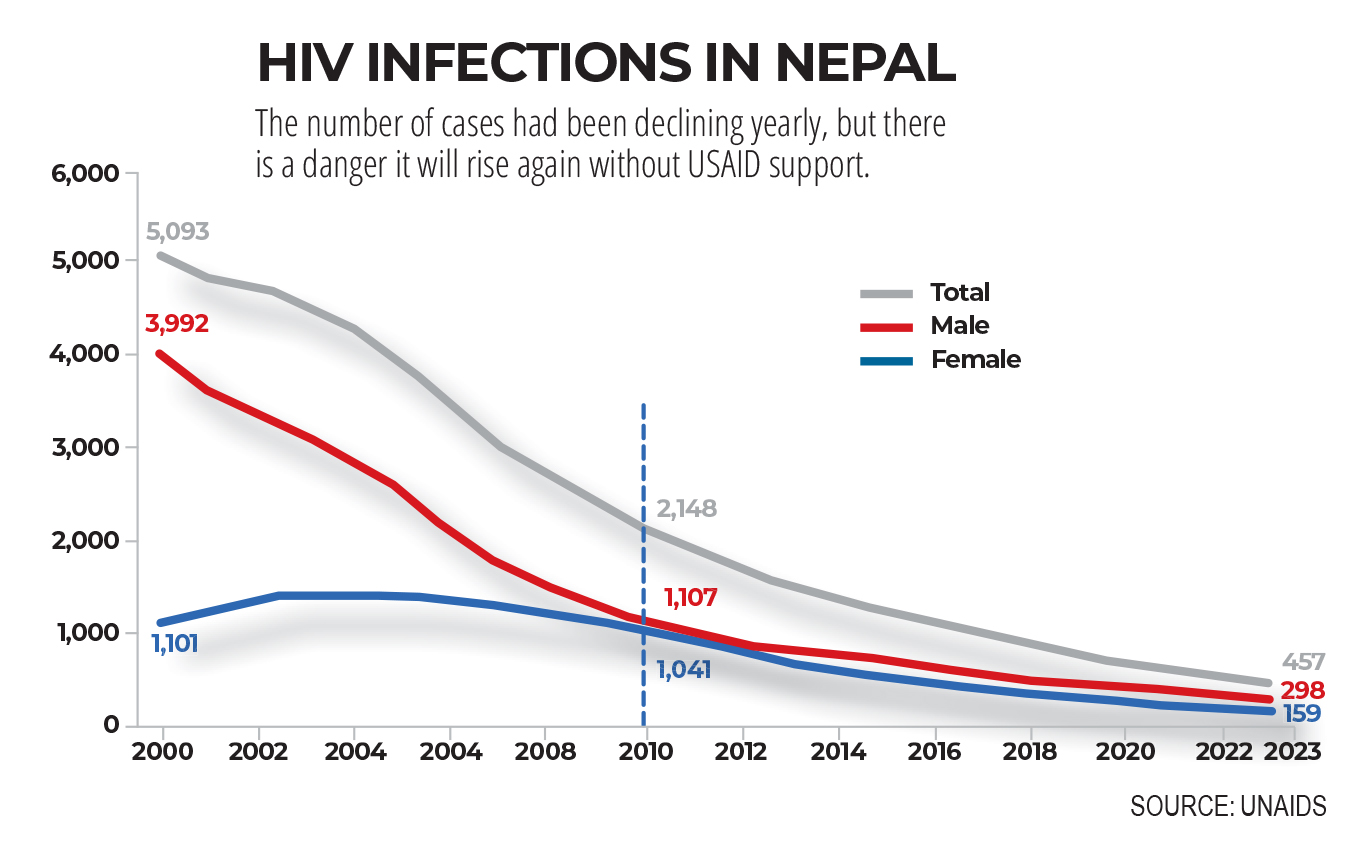
USAID cut affects access to safe sex
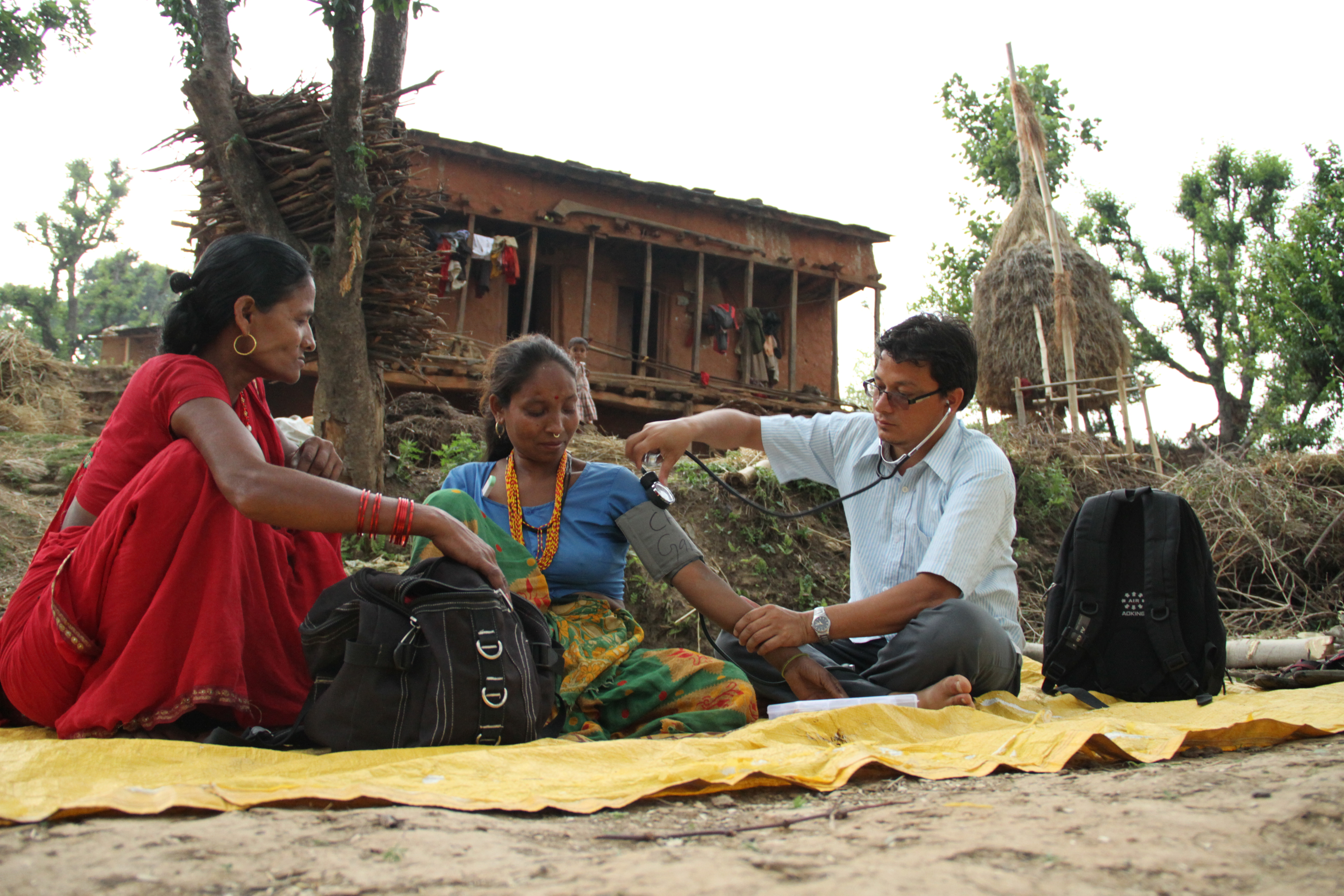
The absence of USAID funds in the 10 months since its shutdown has hit Nepal’s health sector the most. The resource gap has affected crucial programs supporting nutrition, reproductive health, and tuberculosis prevention. As much as 60% of USAID funds were said to support health-related projects.
Programs aimed at reducing maternal and child mortality, especially for neonatal care, have been seriously undermined. The impact on nutrition programs for schools could mean that childhood malnutrition in Nepal could see a surge.