
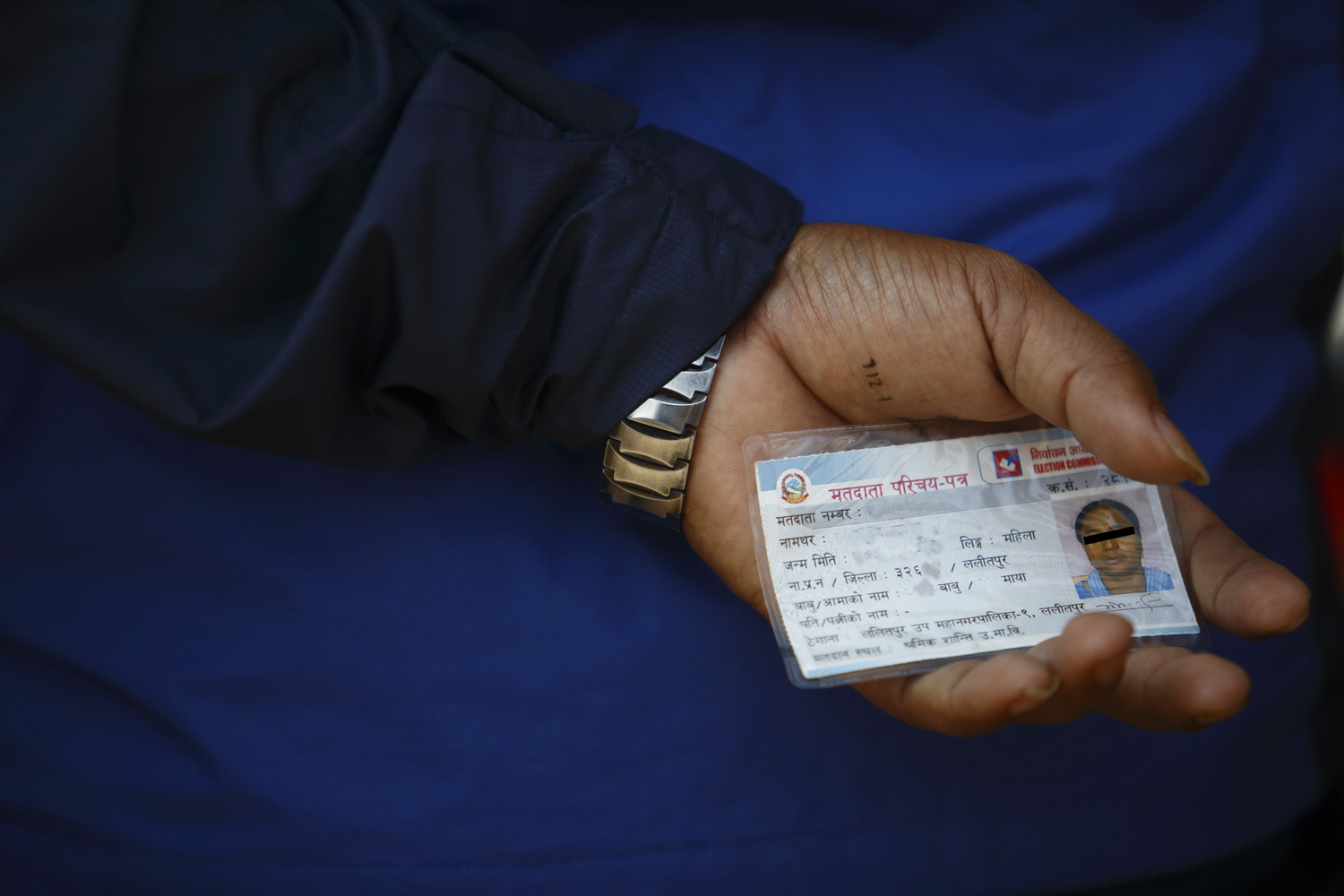
In an informal survey, Nepalis in the United States were asked about elections back home this year to three levels of government.
Most replied that they do not care much about politics either in Nepal or the United States, they just want to finish their studies, or save enough to send to families in Nepal.
Most had no plans to return to Nepal any time soon, among common reasons like quality of life, financial security, and the need to support families back home.
But there was one response that seemed to go to the heart of it: "Nepalis do not have equal rights."
Although Nepal ranks fairly high in gender equality because its reservation laws for elected representatives, and is above many other Asian countries in the Human Rights Index, there are persistent gaps. Caste, ethnic and gender discrimination are still rife, and socio-economic inequities hold the country back.
What rankles Nepali students here is that, like the other 4 million or so compatriots overseas, they cannot exercise their right to vote in local elections on 13 May or in provincial and federal elections later this year.
Some saw their Filipino classmates or colleagues voting in this week’s elections, and are puzzled why Nepal cannot do what the Philippines does. Non-resident Indians may even be allowed to vote by post in the 2025 elections.
The United States allows overseas voters to cast ballots after filling in a Federal Post Card Application. The UK allows nationals abroad to cast postal votes or even delegate someone else to cast a proxy vote.
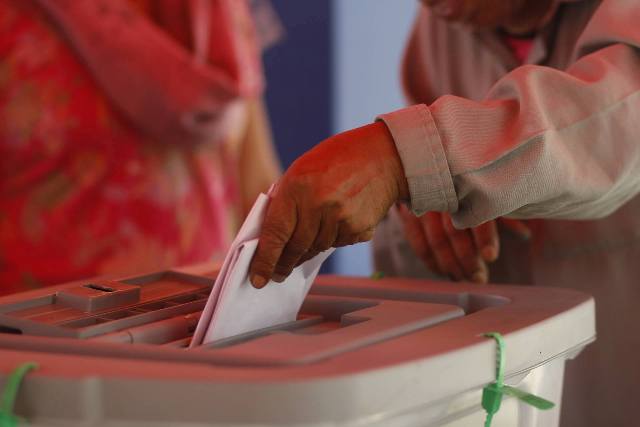
Despite a Supreme Court verdict in 2018, Nepal’s Elections Commission still has not got its act together to allow the diaspora to cast their ballot.
The Nepal Supreme Court’s six-point directive four years ago ordered the government to make necessary arrangements to allow Nepali citizens living and working in foreign countries to vote in elections at the country’s diplomatic missions and universities abroad. It also directed the government to prepare a list of Nepalis who have not renounced their Nepali citizenship, or obtained citizenship of the countries they are living in.
To be sure, only 45 out of more than 200 countries currently have procedures to allow absentee mailed ballots. But for a country with a Constitution that is regarded more progressive than previous ones, this is a glaring omission.