
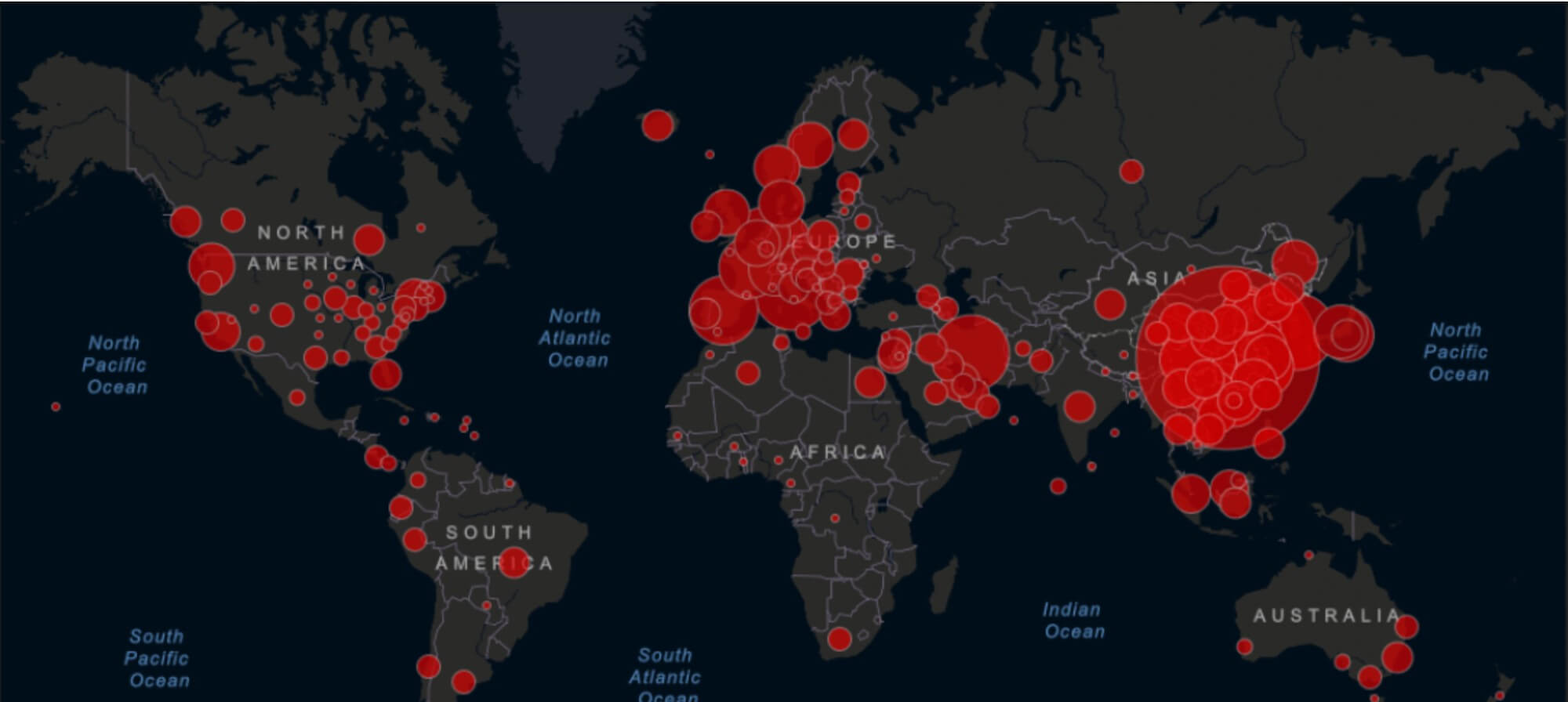
Governments in industrialised countries must not ignore the plight of poorer nations facing the coronavirus pandemic, or the disease will not be brought under control.
African nations report growing numbers of cases, and more and more infections are being detected in countries with endemic poverty in Asia as testing picks. There are growing fears that developing countries could soon see major outbreaks they will not be able to cope with.
A potential paralysis of already vulnerable healthcare systems would not only have a drastic impact on public health, but could also push people further into poverty and deprivation. If developed countries in Europe and North America bring COVID-19 under control, there is a threat that the disease would rage on in developing countries, with the danger that it could spread back into places like North America and Europe.
Nepal must hope for the best, prepare for the worst, Buddha Basnyat and Sudeep Adhikari
Rich states must keep a focus on helping other countries with weak healthcare systems, despite the fact they are fighting their own battle with the disease.
“High income countries are completely consumed with what is happening in their own states, but it would be good if they could give at least some focus to poorer countries,” Amanda Glassman of the Washington-based Global Centre for Development think-tank. “If things are not brought under control in less developed countries, it could come back to hurt developed countries later on.”
But while there have been far fewer registered cases of the disease in Africa, Asia and South America, many health experts believe that those numbers could very quickly rise dramatically. Some countries also face extra burdens of other endemic diseases, recent natural disasters or coping with large-scale refugee influxes.
“Sub-Saharan Africa is already struggling with the Ebola virus and the locust invasion and associated famines. It now faces a third war against the coronavirus. In many countries, resources are stretched thin,” said Dan Steinbock of the Difference Group advisory organisation.
South Africa has the world’s worst HIV/AIDS epidemic and it is not known how a major coronavirus outbreak may affect treatment for those with HIV/AIDS or outcomes if they are infected with COVID-19. In Latin America, where more than two thirds of people live in extreme poverty, doctors have already warned of the strain widespread coronavirus infections could put on hospitals and health workers.
Any major COVID-19 outbreak could affect incidence, and treatment of other diseases in some African states, says Ambrose Talisuna at the WHO Regional Office for Africa. “We saw this with Ebola outbreaks in some African countries. There was a diversion of resources to the disease and the healthcare system couldn’t deal with the shock of the outbreak. People died of malaria, people couldn’t get treatment for tuberculosis.”
There would also be serious economic problems. Not only would massive financial resources have to go into healthcare rapidly, but measures implemented to contain the virus’s spread, such as travel restrictions, business closures, quarantines, would very soon affect people’s incomes.