The Sherpas reportedly have a saying that “there’s only one Everest,” meaning that because Everest is the highest mountain in the world it will always be the preferred destination of trekkers, climbers, and extremely wealthy middle aged men. Visitor numbers support this claim -- over 60,000 foreign tourists (not counting support staff) will come to Sagarmatha National Park this year.
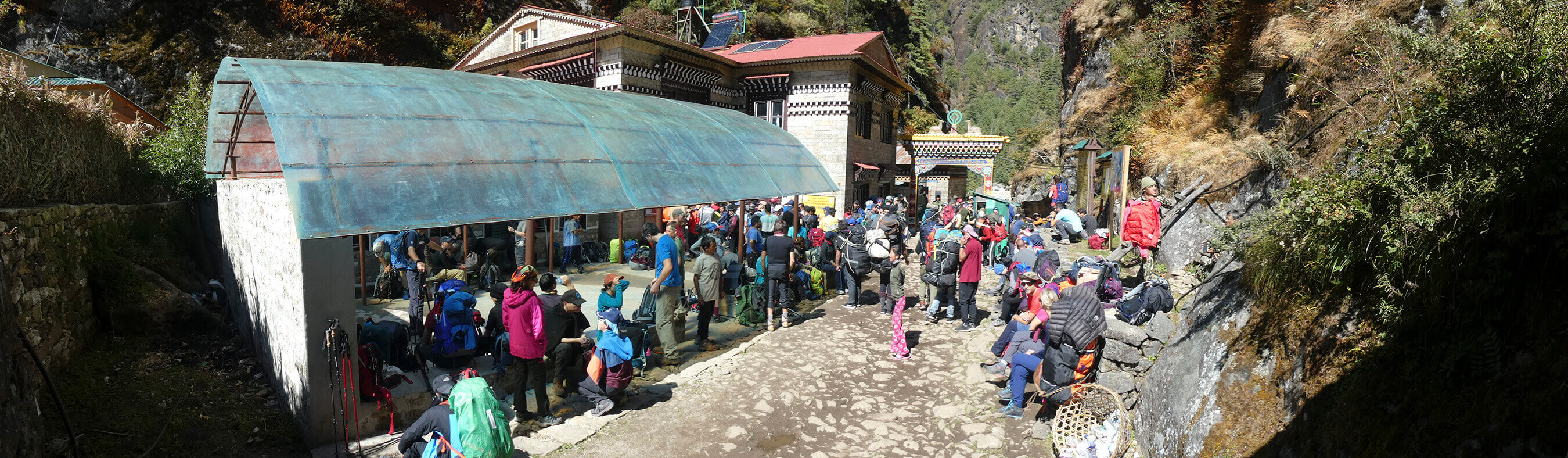
Along with the economic benefits there are also downsides such as overcrowded trails, bottlenecks at check posts and bridge crossings, and the feeling of being in a perpetual traffic jam. Every day during the peak season, 500 tourists arrive in Namche Bazar from the south, and 500 from trails east and north.
Read also: Everest fights back, Alton C Byers
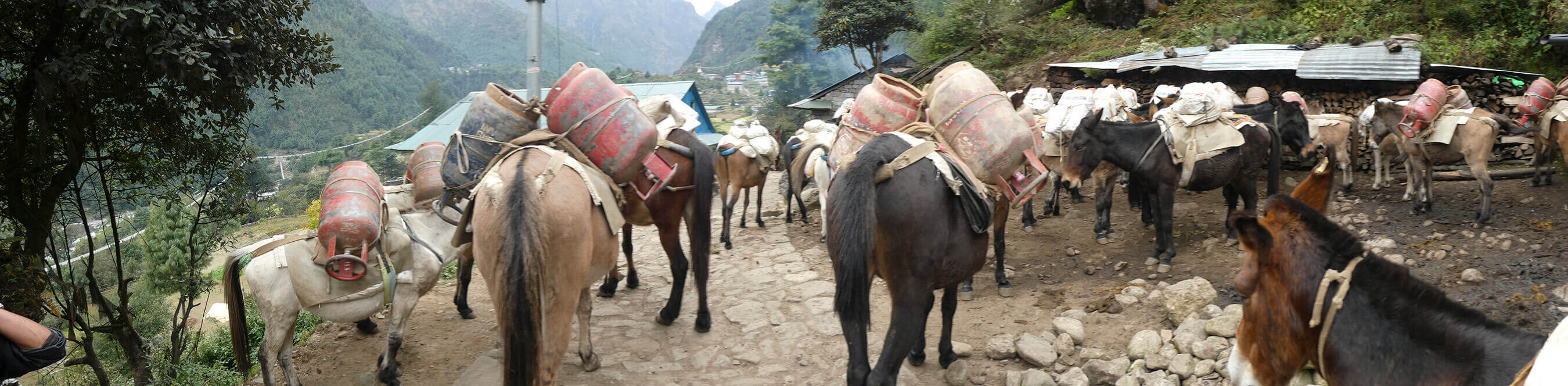
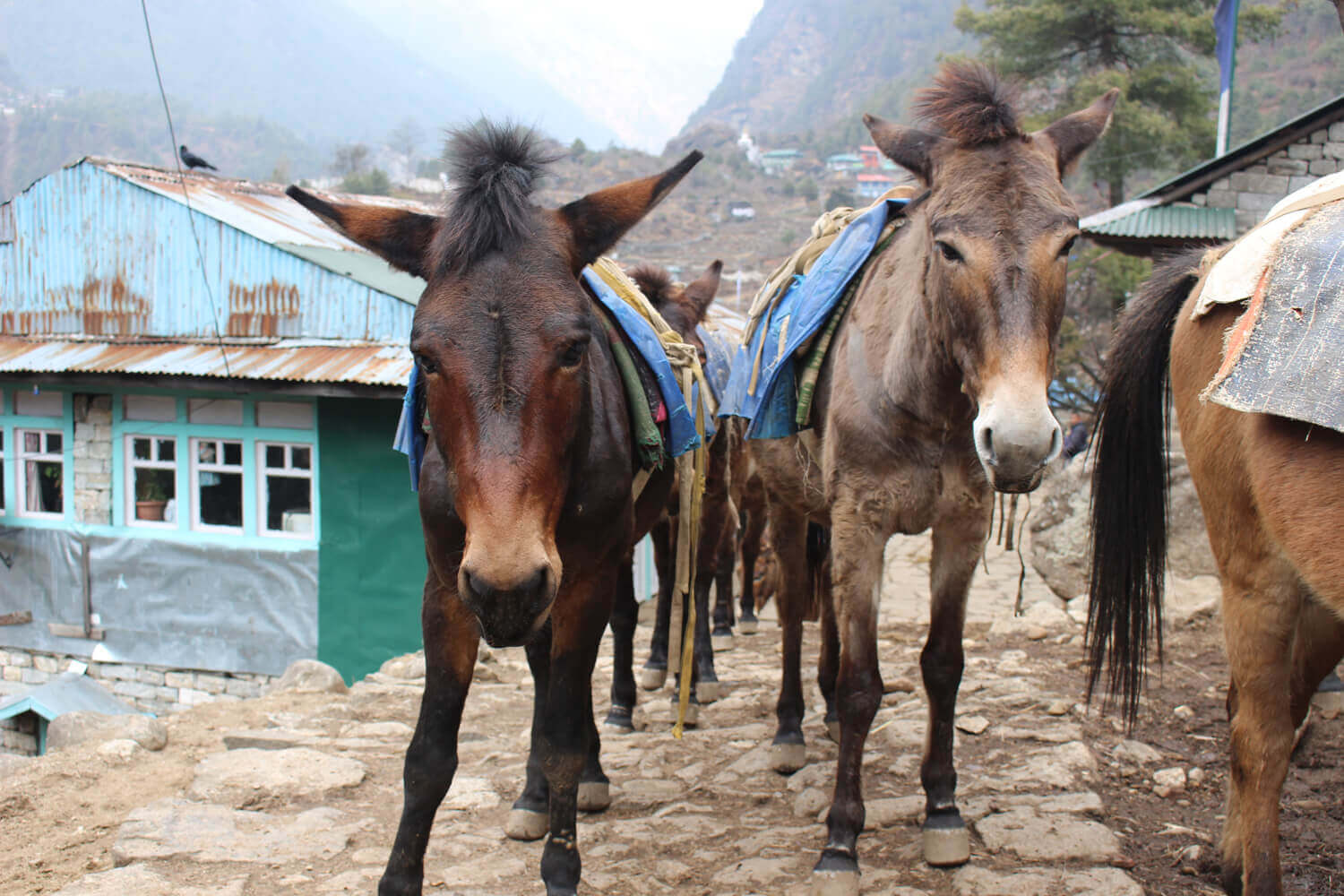
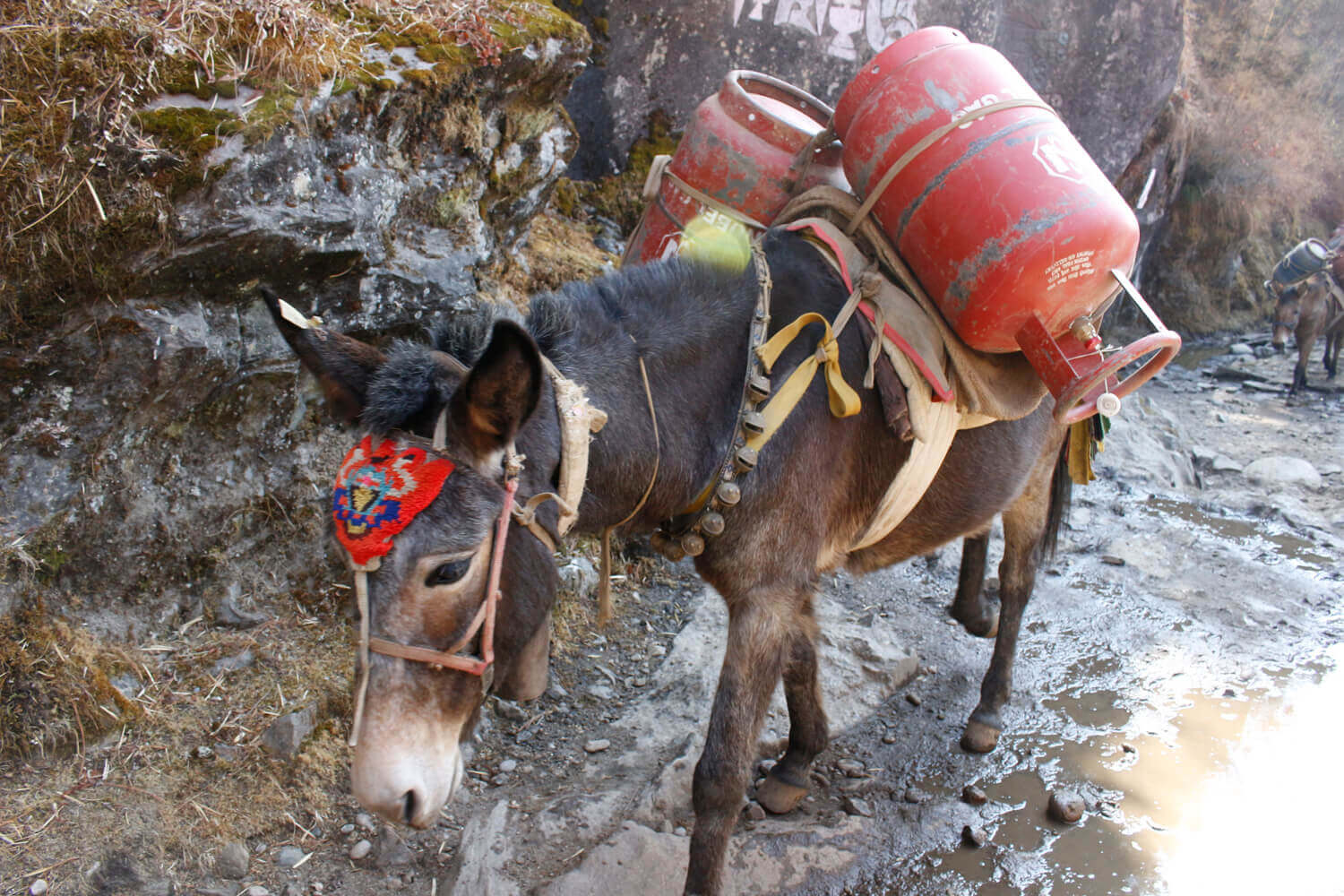
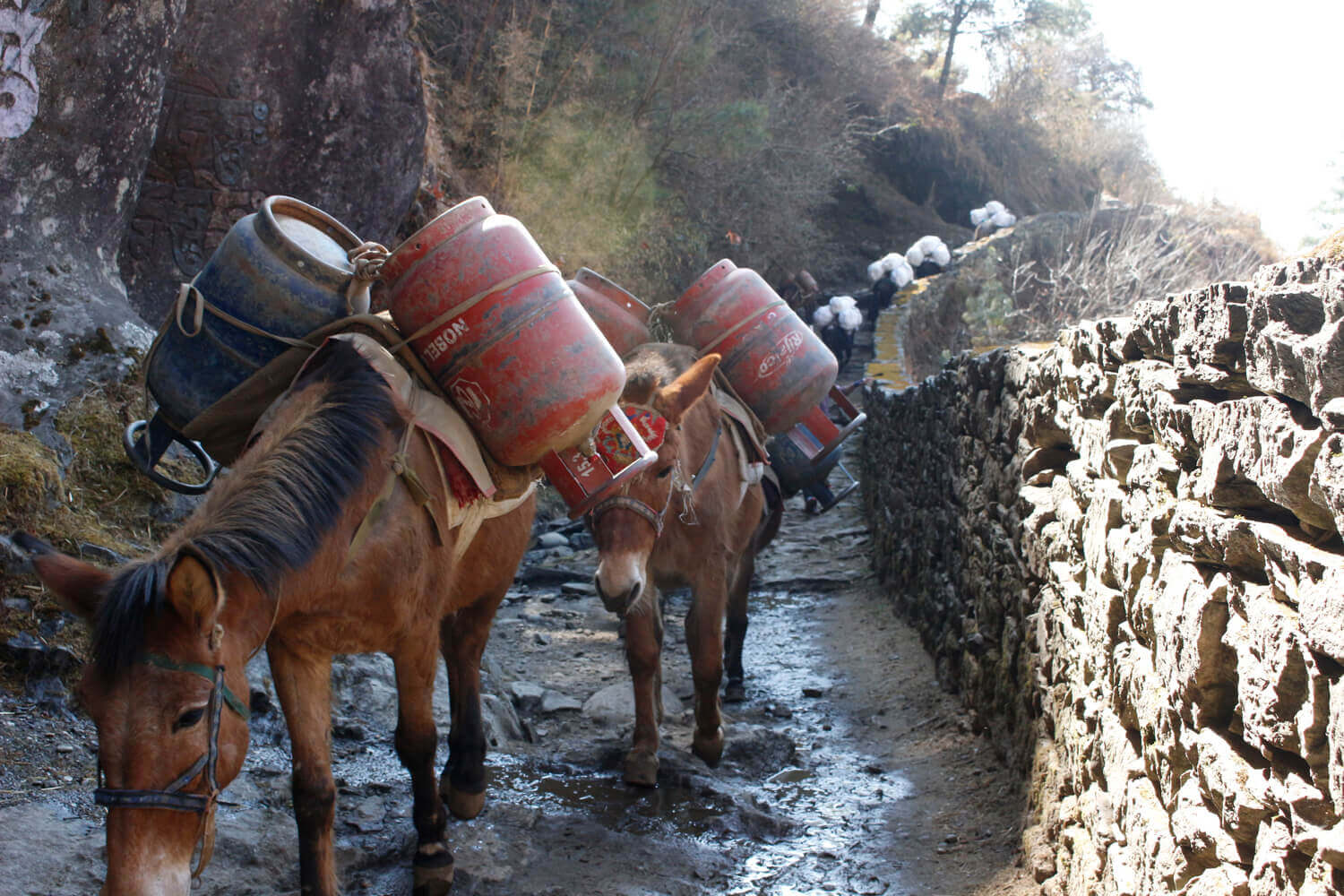
The vast majority of these tourists are cordial and having a wonderful time. What is not good about the trekking experience in the Khumbu and on dozens of other popular trekking trails in Nepal these days is the presence of mule trains carrying supplies from Kharikhola (2,500 m) south of Lukla to Namche Bazaar (3,440 m).
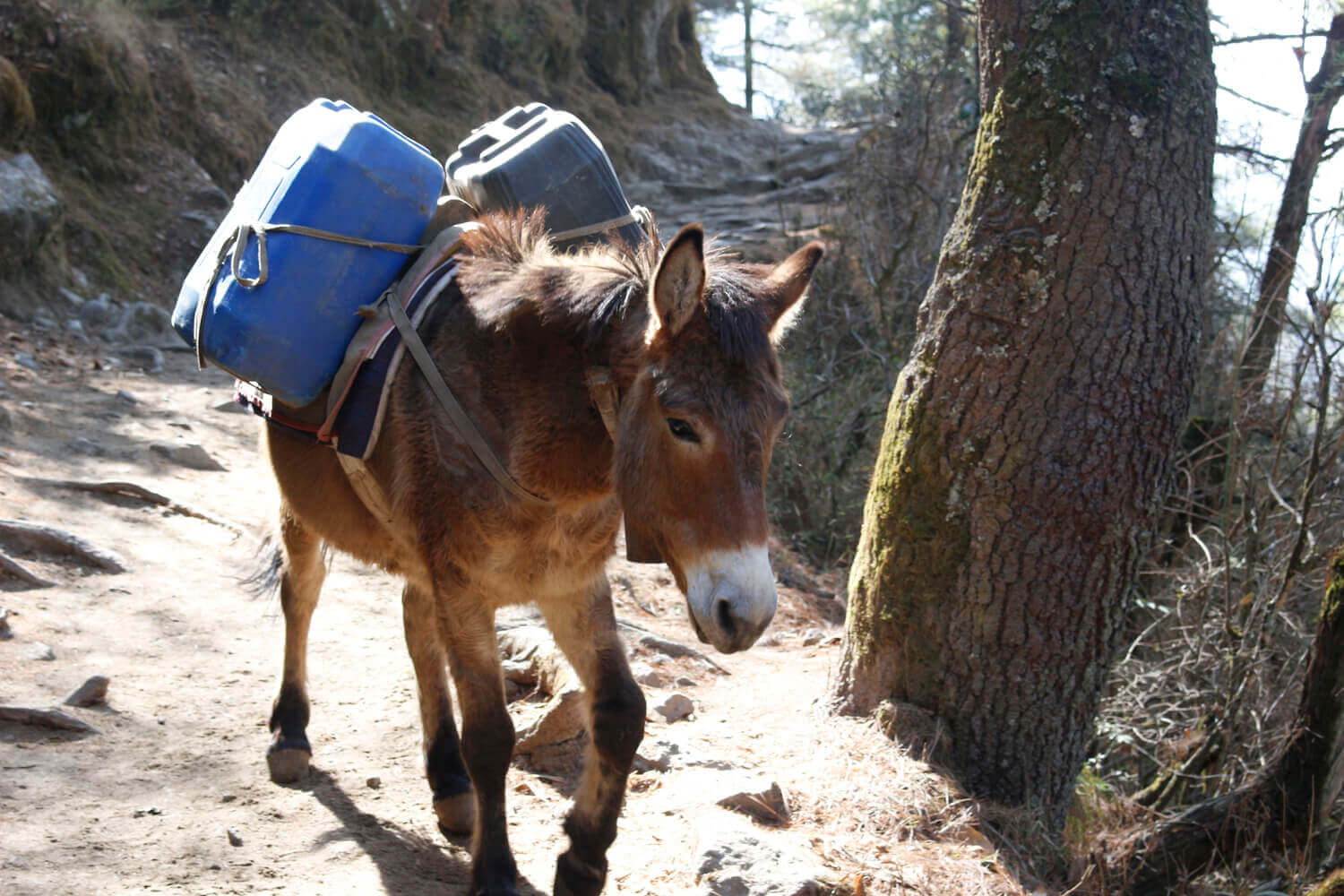
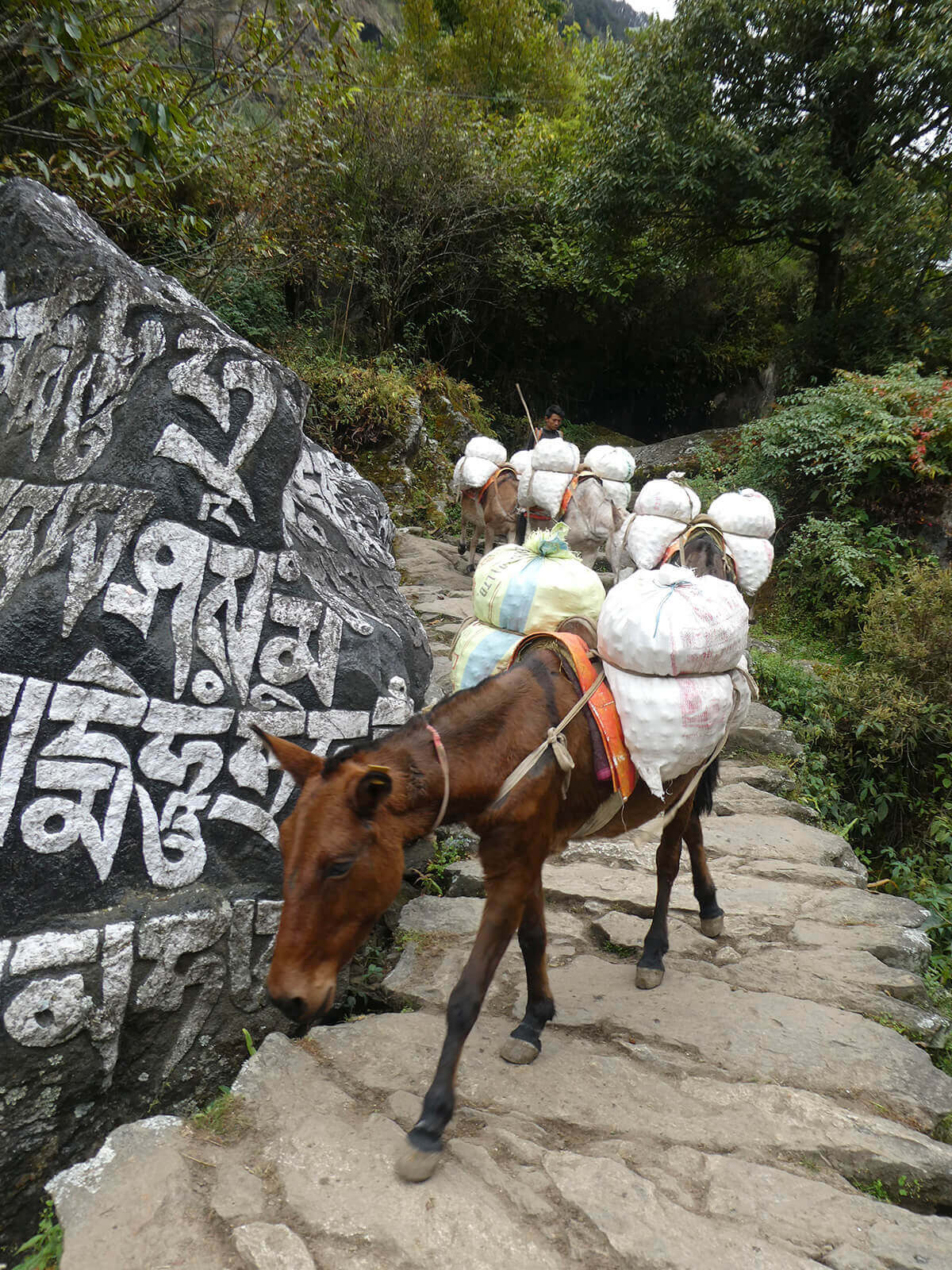
Mules were introduced to the Khumbu about 10 years ago in response to the growing number of tourists, and the demand for food and other supplies. Today, there are about 500 mules are based in Kharikhola carrying supplies up from the roadhead.
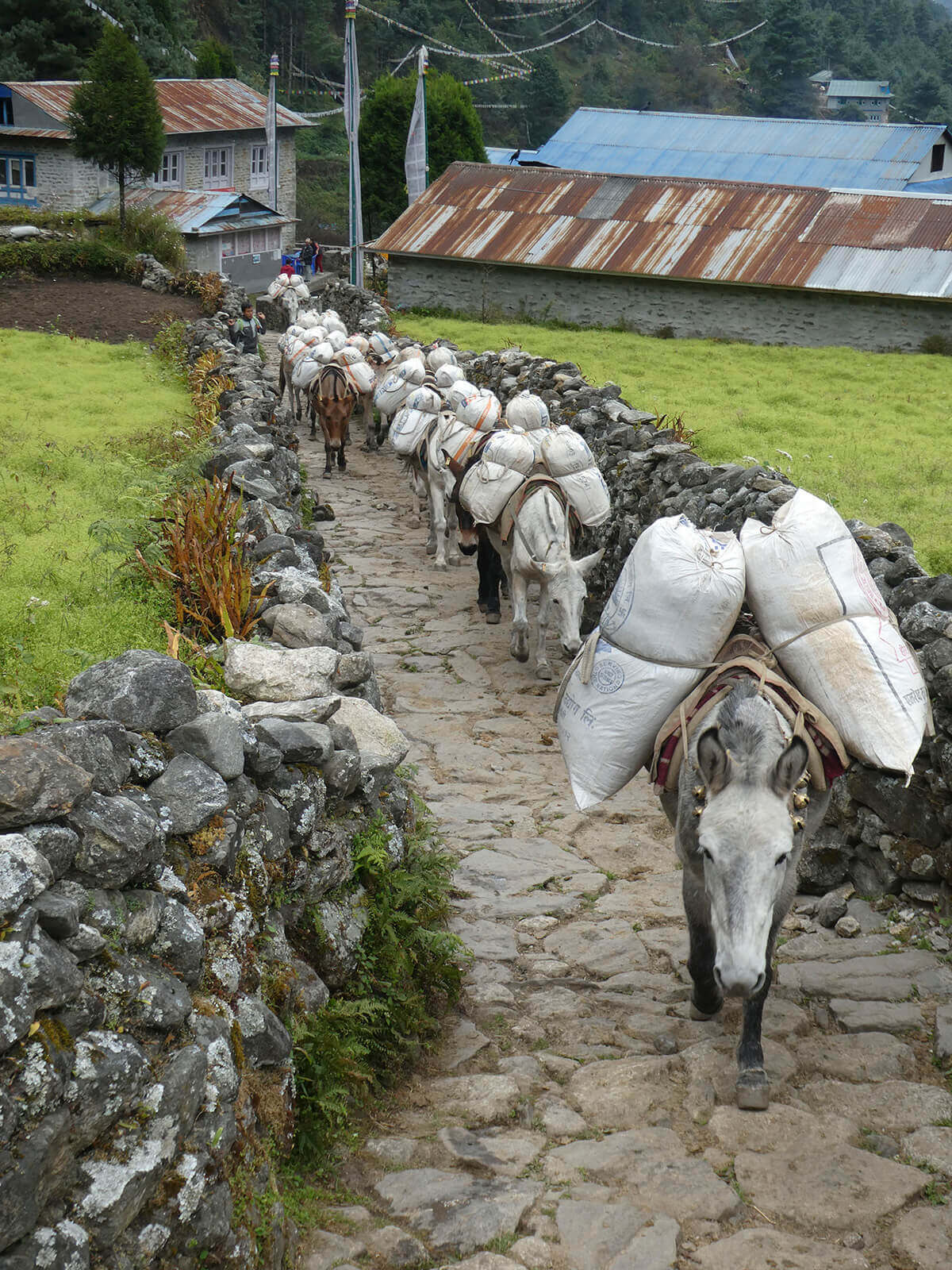
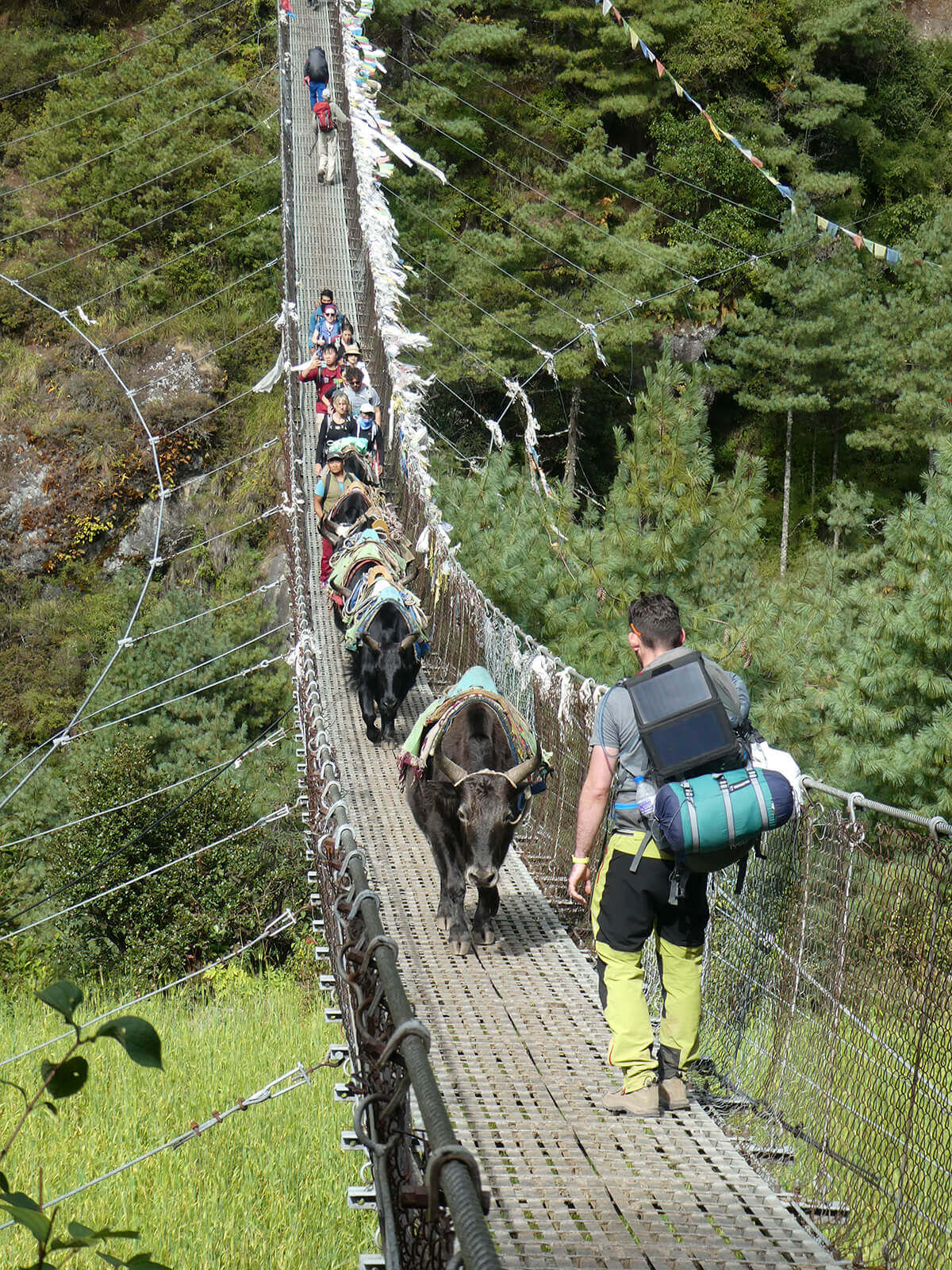
They have largely replaced the use of dzopkio (yak-cattle cross breeds) for the Lukla to Namche supply run, although dzopkio and yak continue to be used from Namche onward to the higher altitudes. On a recent walk from Phakding to Lukla there well over 100 mules in trains averaging about 15 animals each.
The locals hate them because mules destroy the trails with their sharp hooves, and leave behind so much poop that one seemingly spends more time playing hop scotch than trekking. Worse, they seem to think they have a right of way on the trails. Dzopko and yak always seem to go out of their way to avoid making any kind of contact with humans. But not mules.