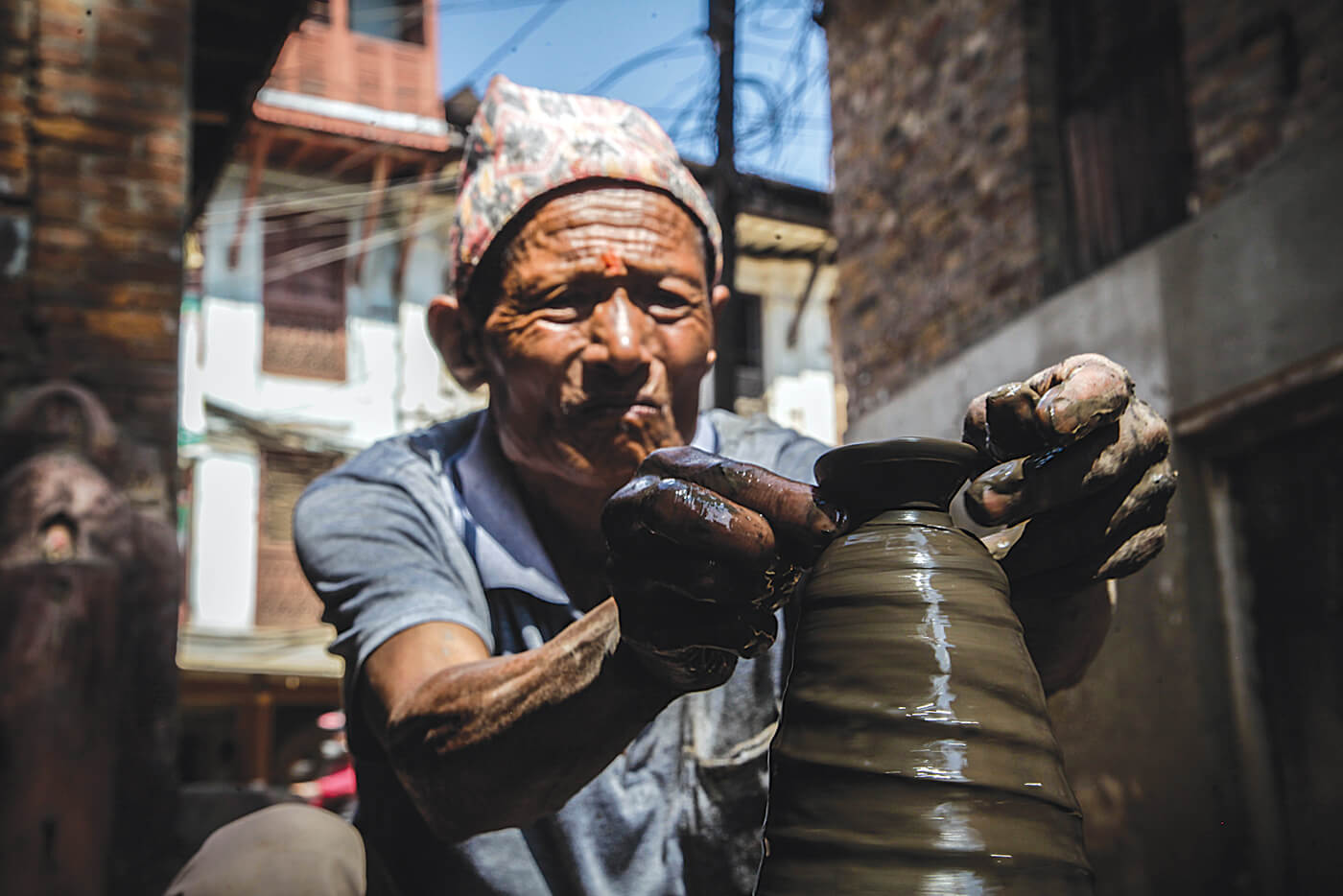
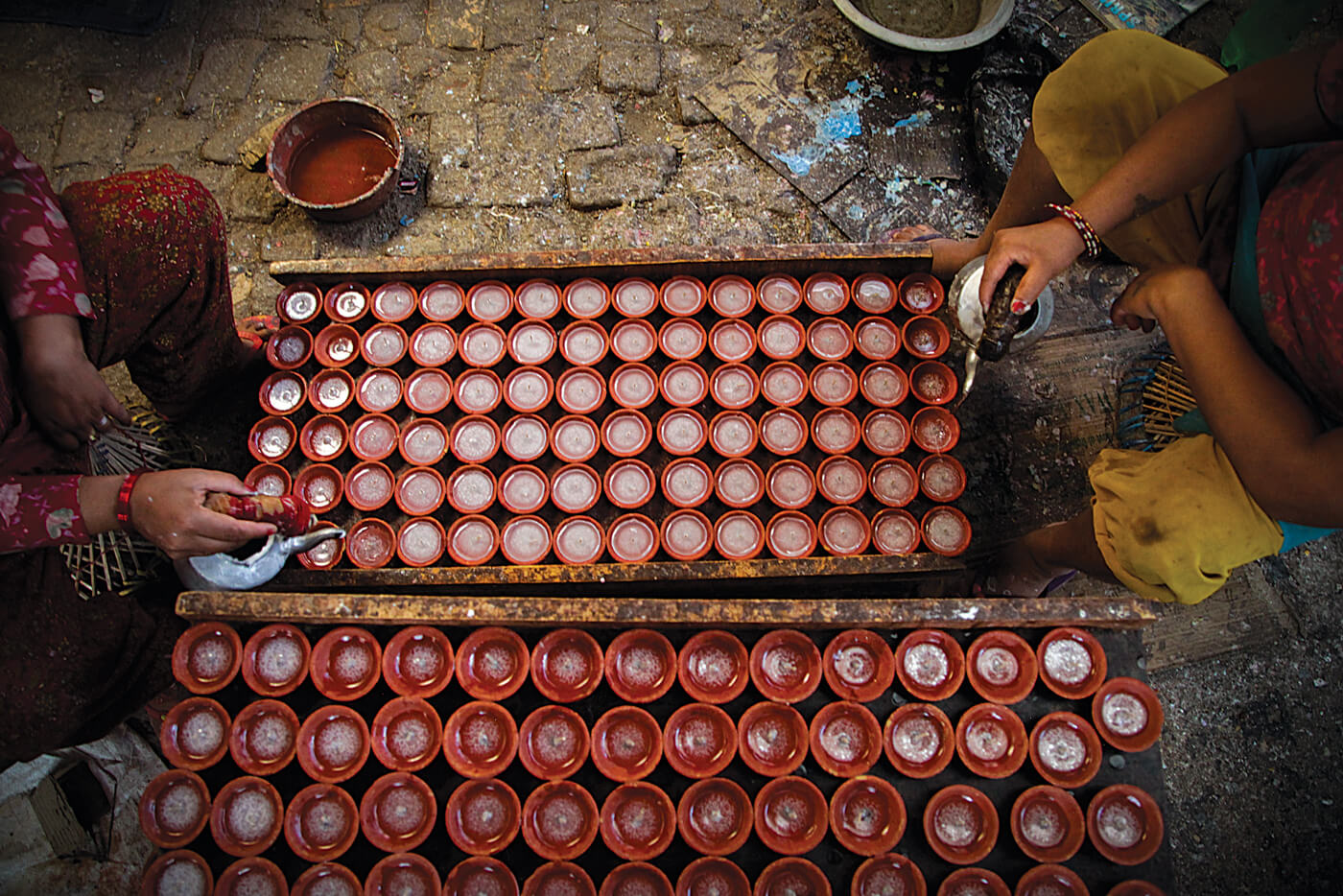
Tihar is right around the corner, but the festival of lights is not going to be a holiday for the Prajapatis of Bhaktapur. They are busy with their ancestral occupation of moulding clay to make earthen lamps called pala.
This week, the courtyards and sidewalks of Bhaktapur are covered in clay lamps, soaked in coloured water, and drying in the sun until they can be fired.
Das Ram Prajapati has been carrying on the profession of his forebears, and says proudly that his family sold 25,000 clay lamps last year, earning Rs 80,000. But even though modern LED garden lights from China have replaced earthen lamps in many households, the clay oil lamps are still regarded as auspicious for Laxmi Puja, Mha Puja and Bhai Tika, which fall between 7-10 Noati clan have started mass producing the lamps with a wheel machine, but the purists still stick to traditional manual chakra to produce potteries the old fashioned way.
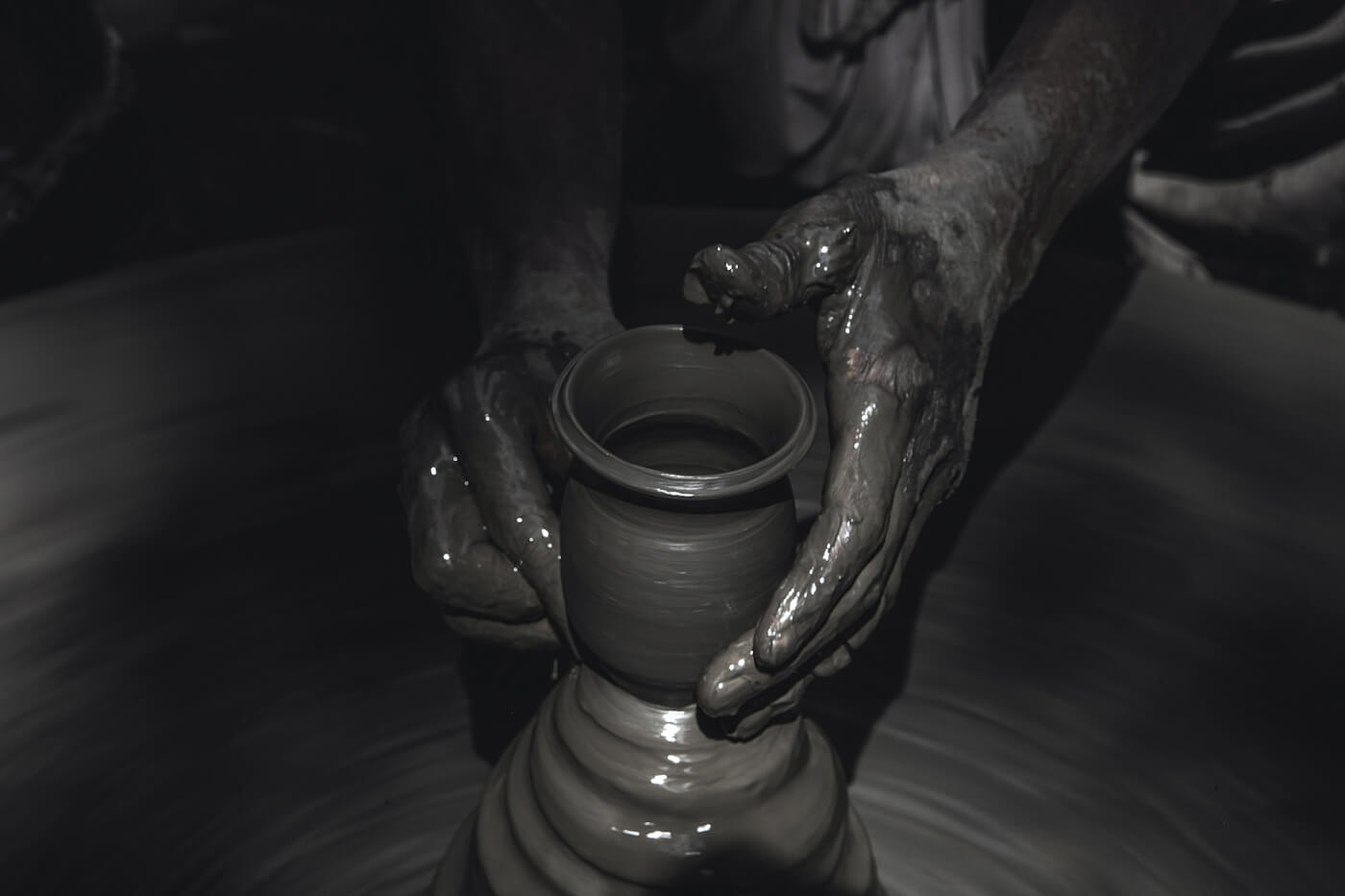
“I don’t feel good about using a machine to make pottery, my grandfather taught me to use the chakra when I was a boy and I still enjoy using it,” says 74-year-old Lalit Prajapati, the only person making pala the traditional way in the Talako area of Bhaktapur.
His skill of turning a clay mould into beautiful pottery attracts tourists by the hundreds to Talako. “It is necessary to preserve our tradition, rather than going for mass production and money. We should not forget why we are making them in the first place,” he adds.
Read also:
A time to every purpose, Sahina Shrestha
A healthy tihar, Buddha Basnyat
Bhaktapur shows the way by rebuilding itself, Suyog Prajapati
What Lalit Prajapati is particularly worried about is that the young have gone abroad for education or jobs, or have taken up other professions. There is no next generation to carry on the tradition.