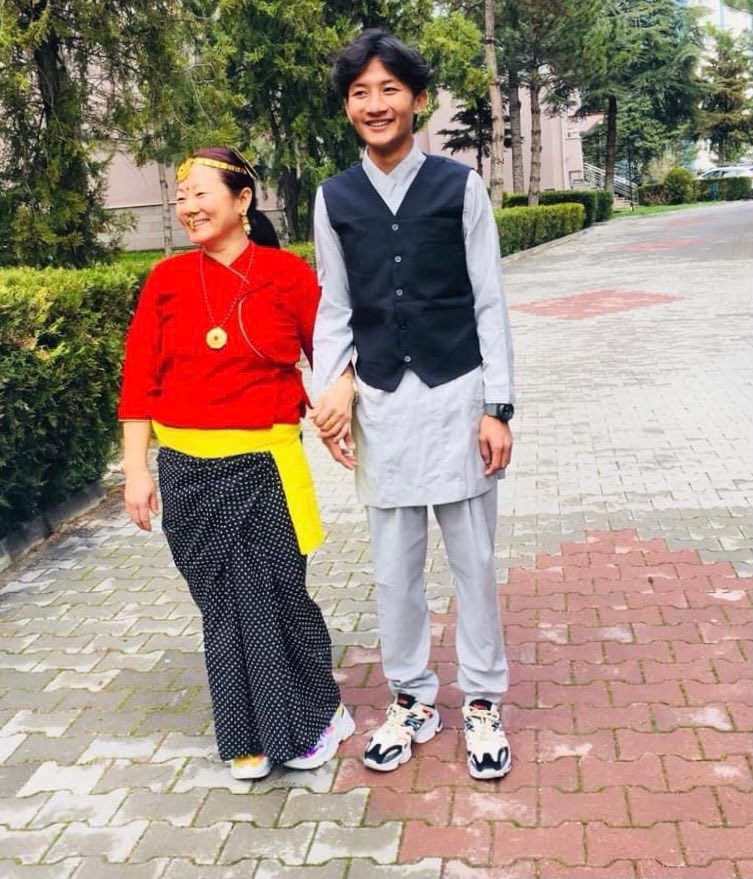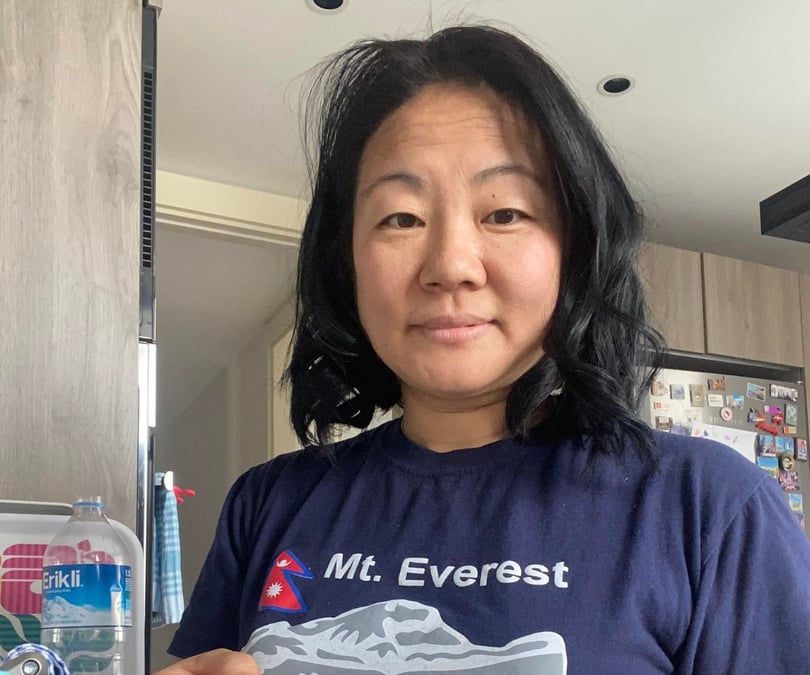
This is the 26th instalment of Diaspora Diaries, a regular series in Nepali Times with stories of Nepalis living and working abroad
I grew up in a lahure household in Dharan and my parents were in the military abroad and were good providers. But life took a different track when I was married at 15, and sent off to my husband's village in Jhapa.For someone raised in freedom and comfort, being a daughter-in-law in a conservative household was challenging. Wearing a kurta or speaking to neighbours was frowned upon. As a buhari daughter-in-law, I was kept out of any family decision-making.
My day would start at 3AM and I was busy throughout with non-stop household work. By 17, I had my first child, and later two more.
The family I was married to was well off in terms of property, but was consistently cash-strapped. It was a weird reality, we were poor and struggling to make ends meet while sitting on large tracts of land. I relied often on my maternal family for financial support.
Read also: A mother's sons, Bishnumaya Bhusal
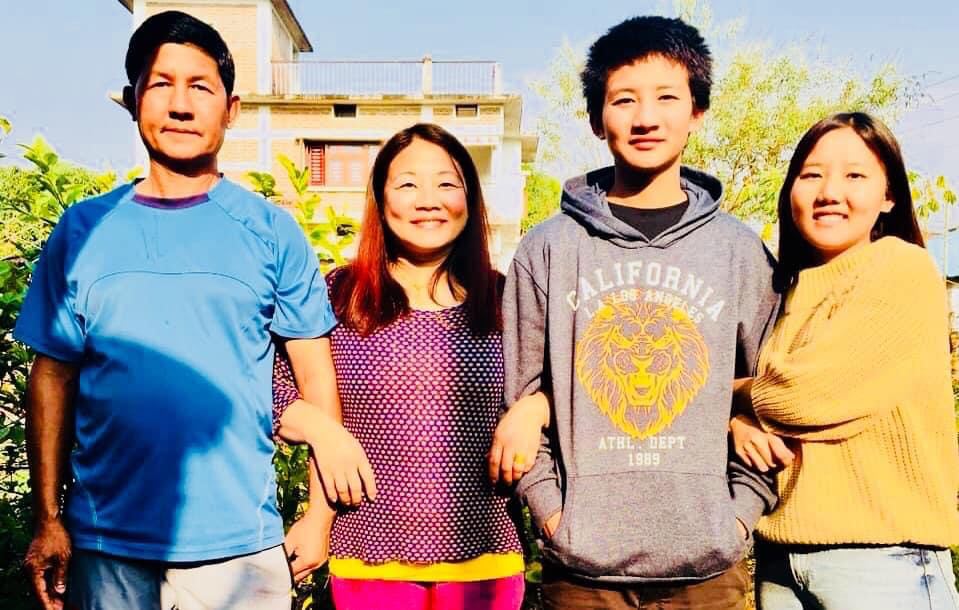
I felt the real pain of being cash poor when my eldest daughter, a special needs child, passed away at a young age. This was the pre-mobile era and my mother-in-law was traveling in Pokhara. Not having the money to pay for her last rites, I left my daughters body in the verandah and ran to a shop to sell my jewelry. I will never forget this moment.
This must have inculcated in me a desire to work for money. But what work would I do in Nepal with no education? My expenses were rising as my other two children were growing up. The everyday struggle to earn enough to pay for basics was frustrating.
So I decided to try for overseas employment and managed to collect enough money with the help of my family, and by selling the remaining jewelry paid for a job in Israel as a caregiver. At that time, migration to Israel was not as well managed as it is now under the government program.
The manpower agencies facilitated the recruitment based on how much you paid them. I was probably one of the few migrants who did not cry at the airport. What I was doing was for my children’s secure future, I did not have a choice but to be strong. I felt more comfortable leaving my children with my mother in Dharan.
As a lahure child, I had visited the UK but did not have much memory of it. So Israel as an adult was fascinating. Even little things like rotating the shower handle to get hot or cold water was new and amusing.
I was placed in a wonderful family. The elderly lady I took care of was in her 80s, and kept reminding me how I was like a daughter she had never had. She had four sons. I found a guardian’s love with her.
Compared to the household work I was doing back in Jhapa, the job in Israel actually felt easier because my boju was elderly and needed rest. My day started only at 7 and by 12, she would need a four hour nap, and by 7PM in the evening, she would call it a day. I had to cook only once every three days because the family had a system of freezing food.
Not only was the work relatively easy, I was getting paid up to $1,200 a month. My Israeli boju used to tell me how I was her 15th caregiver, and the only one with whom she was able to develop a rapport and feel comfortable with.
Read also: Baking as a metaphor for life, Aliza Basnet
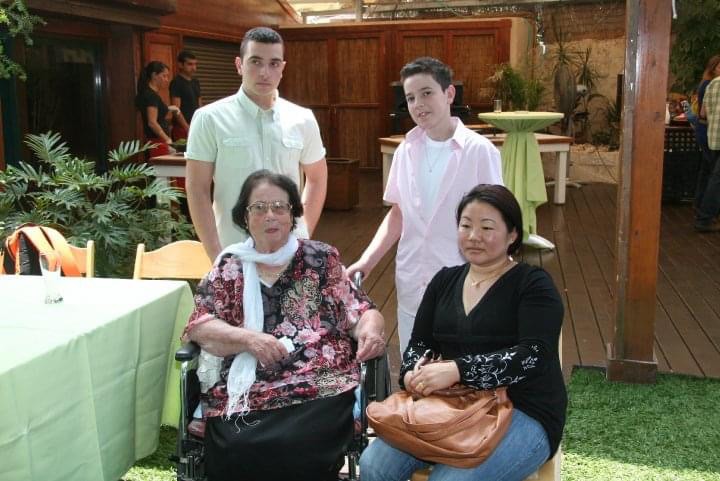
The only downside was that I was home all the time and seldom went anywhere, and only hung out with two other Nepalis in the community. Tel Aviv was 90 minutes away and I did not feel like travelling even though I had family there. Other than finances, there was not much I picked up in Israel.
Boju often pleaded with me not to leave Israel until she died. I did not have a reason to go back, I was sending money home and I was happy in the family. I naturally got close to her and we had personal conversations. She knew her end was close, and would often express how she feared dying in pain and instead wanted to die peacefully in her sleep.
One morning, when boju did not ask me for water at 7 as she usually did, I knew something was wrong. She was quiet and non-responsive. By the time we called the ambulance and her family, she had passed, peacefully, just like she had wanted.
I mourned the loss of a guardian, and not just as an employee. Such is the work of a caregiver. The seniors die. Babies grow up. But both are people in such vulnerable ages that it is very easy to get personally attached to them.
Having spent more than five years with boju in Israel, I did not know what was next. I had crossed the period when I could legally change jobs and I did not want to return home as I had to take care of my children.