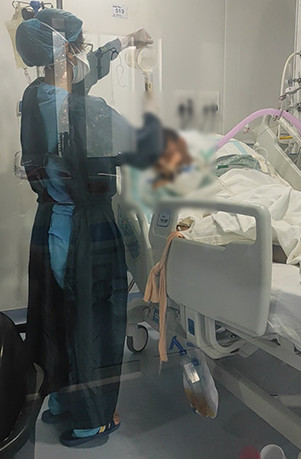
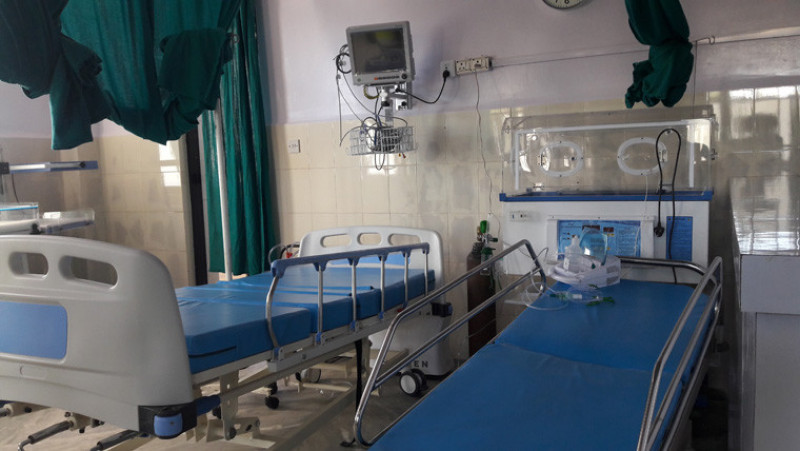
When the second wave of the Delta variant ravaged Nepal in April-May this year, hospitals ran out of oxygen and ICU beds. The international community rushed oxygen plants and ventilators, but many of the critical life-saving machines are lying idle in government hospitals around the country.
Besides the hundreds of donated ventilators, the government also bought the machines, but state-run hospitals do not have the anaesthesiologists trained to run it nor the critical care wards to put them in.
The district hospital in Sandhikharka of Arghakhanchi bought a ventilator six months ago, it has never been turned on even though there were critically-ill Covid-19 patients who needed respiratory support.
Even though the second wave appears to have subsided, the positivity rate among those being tested is still hovering at 10%, and there is a weekly rolling average of 320 patients in ICU and 120 in ventilators in government and private hospitals around the country.
“Only two days ago, we had a Covid patient who had to be put on a ventilator. But we had to send them to Butwal since we didn’t have anyone who knew how to use it,” says Rajendra GC, medical superintendent of the hospital.
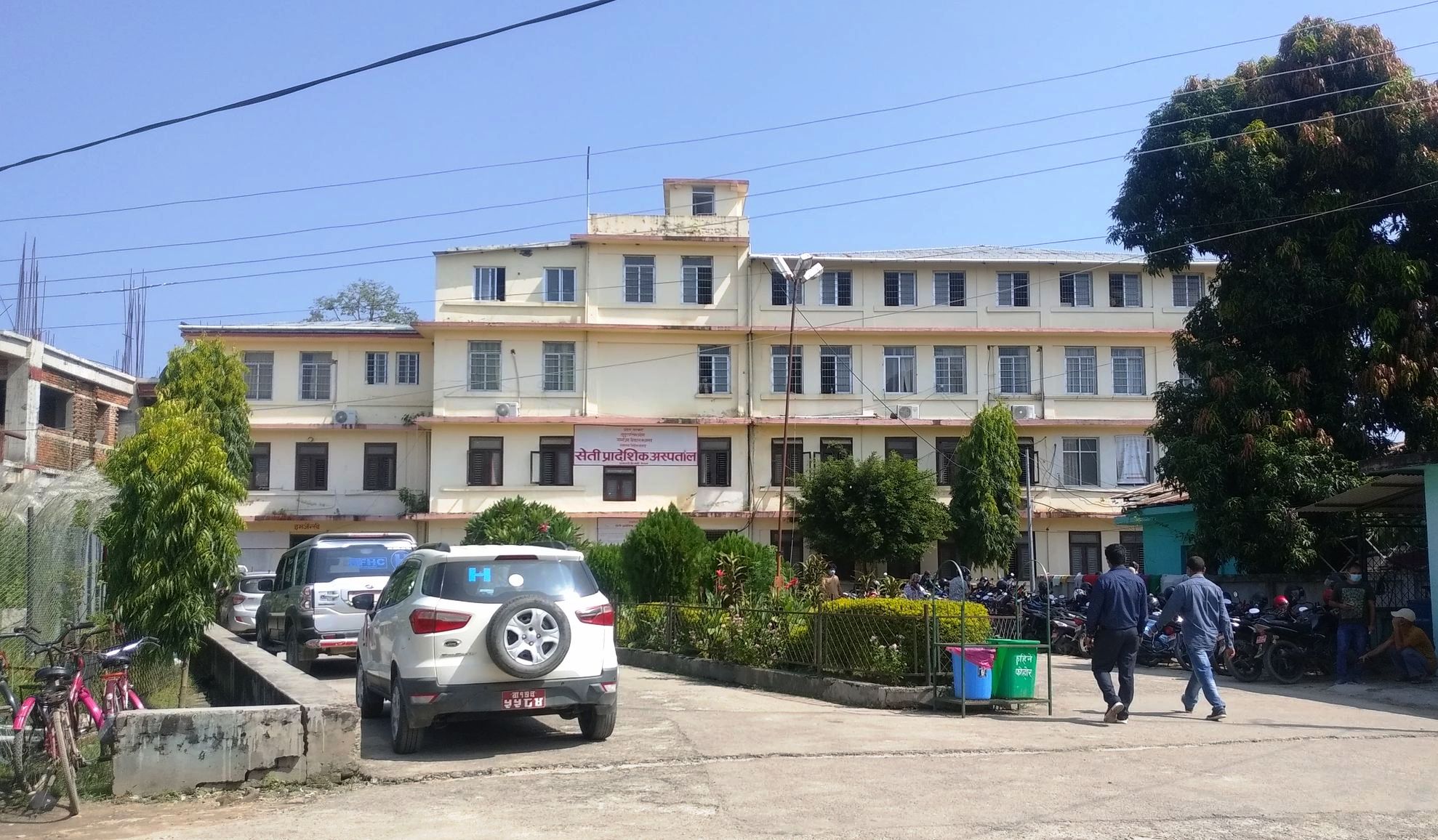
The Seti Provincial Hospital in Nepalganj has 11 ventilators, but not all of them can be used at the same time because of the lack of dedicated space and trained personnel.
“If the ventilators stop working, we won’t be able to treat the patients until a technician from Kathmandu comes to fix them,” says hospital manager Ved Prakash Joshi.
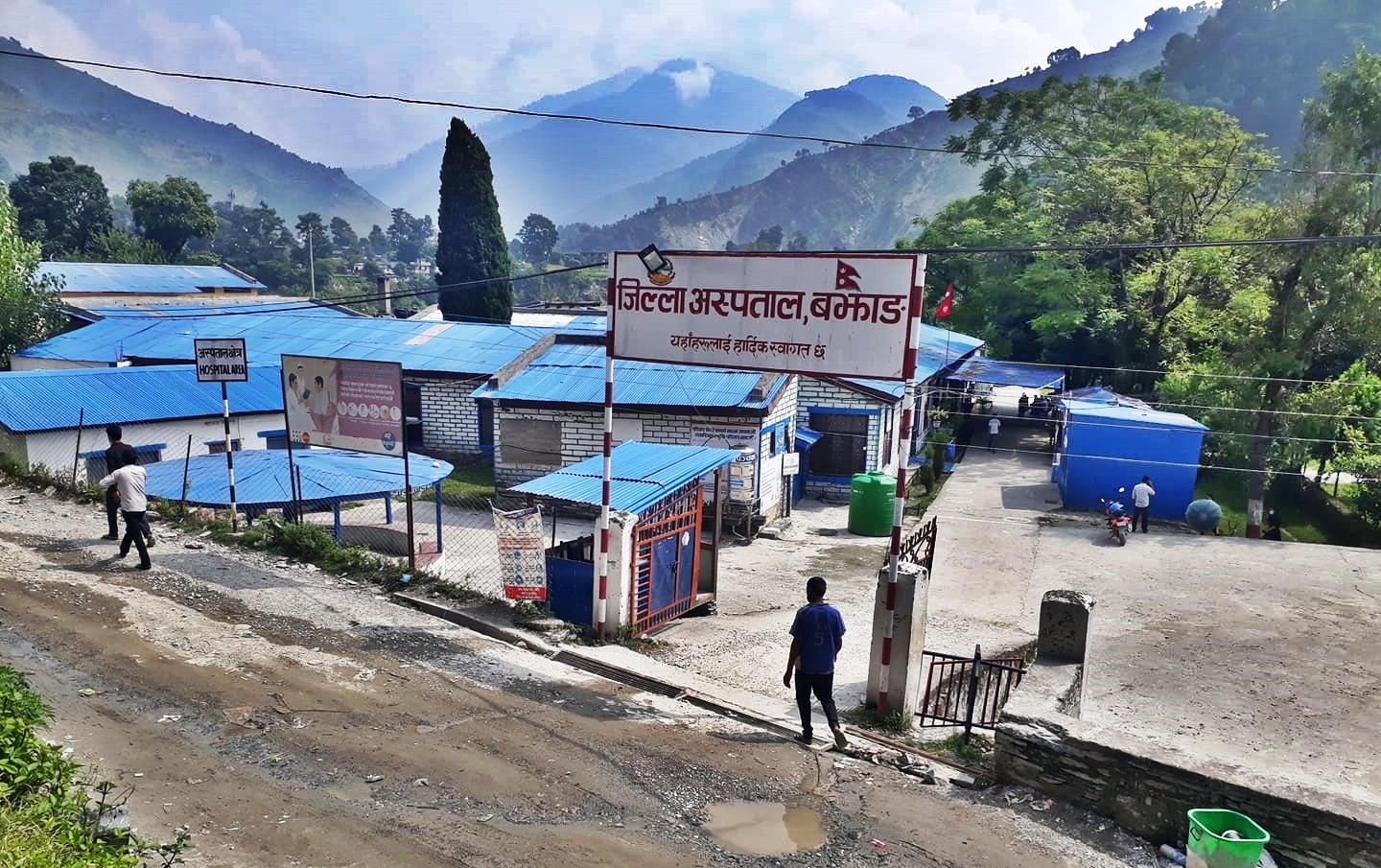
In the district hospital in remote Bajhang district, a medical officer was the only person with some level of training in critical care. He was transferred recently, and it is hospital chief Sandip Okheda who has had to handle emergency cases based on only a few days of training to operate ventilators.
Ventilators are essential for patients needing critical care and are used for breathing problems that can accompany various health conditions. In severe Covid patients, the virus damages the lungs, causing the oxygen level to drop and making it harder for the person to breathe. Ventilator tubes are intubated to push air into the lungs, and the procedure is regarded as the last resort for many patients.
Before the pandemic, government hospitals across the country had only 500 ventilators, which meant there was a critical shortage during the second wave when many of the patients admitted to the ICU needed life support. At the height of the pandemic in April-May, there were 11,000 new confirmed cases daily and up to 240 people were dying every day, hospitals were overwhelmed.