Federalism was supposed to bring the government closer to the people, decentralise medical care and improve public health at the grassroots. But the new three-tier government structure threatens to undo Nepal’s gains in improving health services.
The government’s ‘adjustment policy’ in the medical sector, which lets staff to pick their preferred tier of work, has led many to choose the federal level, leaving provinces and municipalities underserved. The biggest losers are the areas already lacking in services: Province 6 (Karnali) and the Far Western Province.
Read also:
Poor health makes Nepalis poorer, Editorial
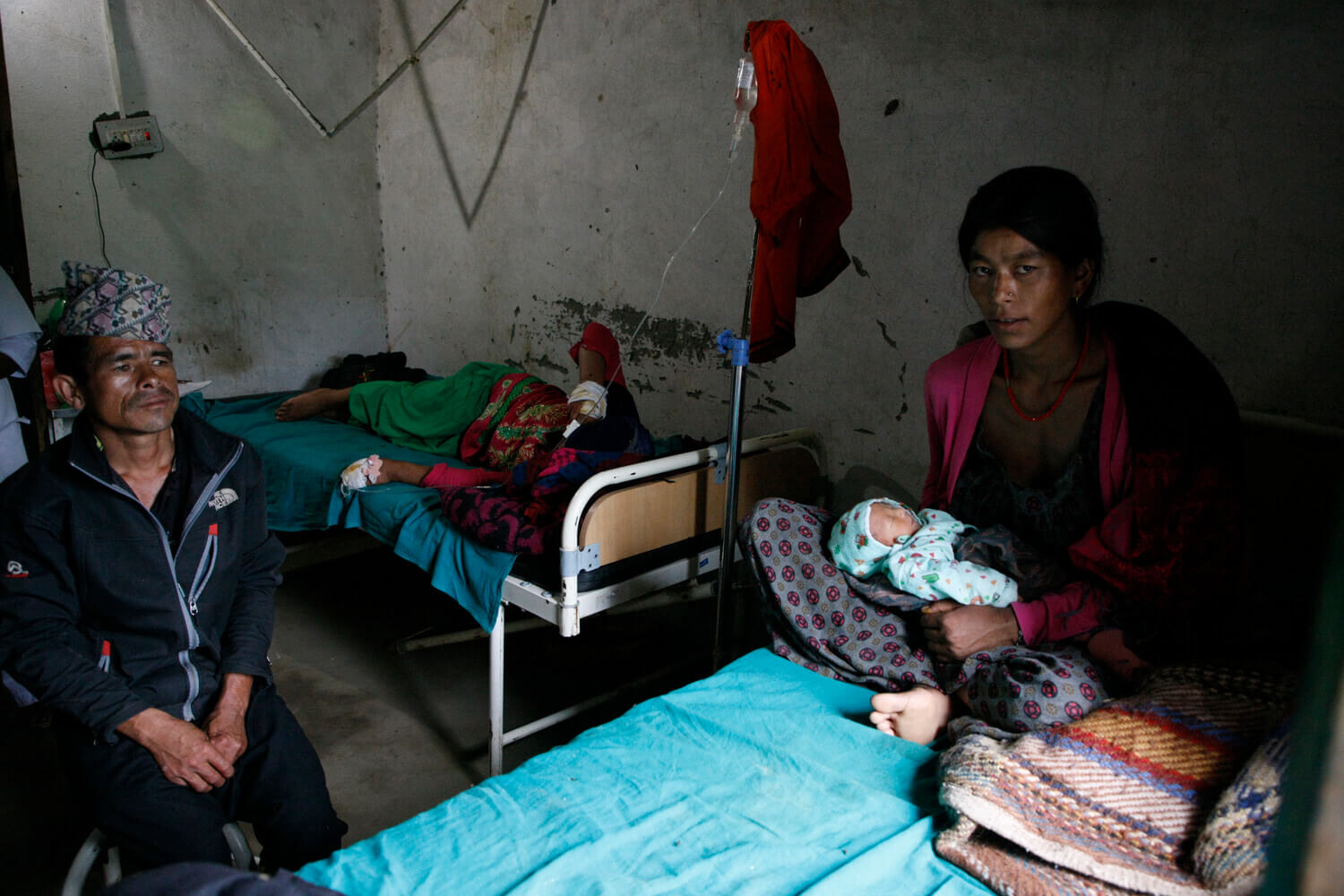
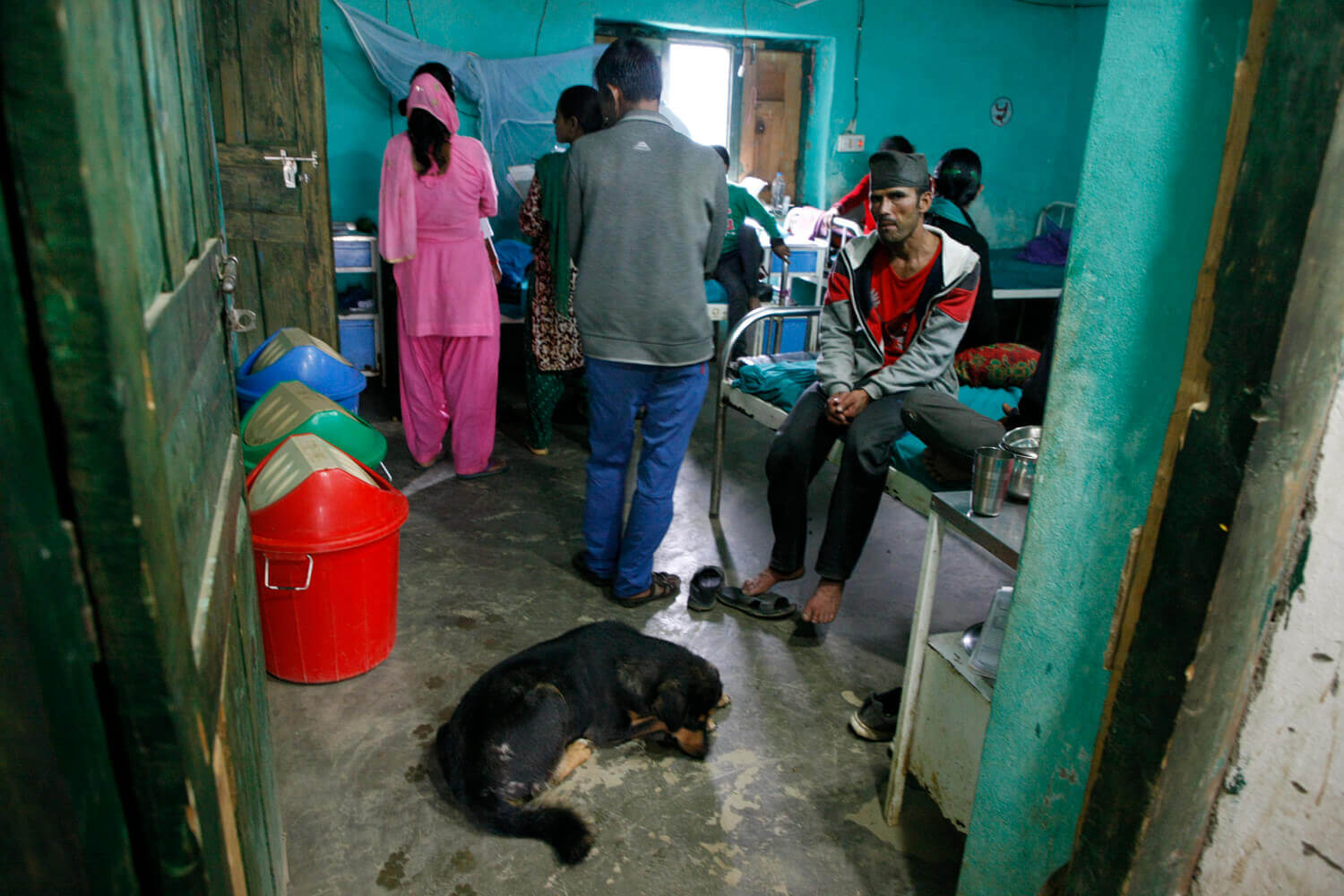
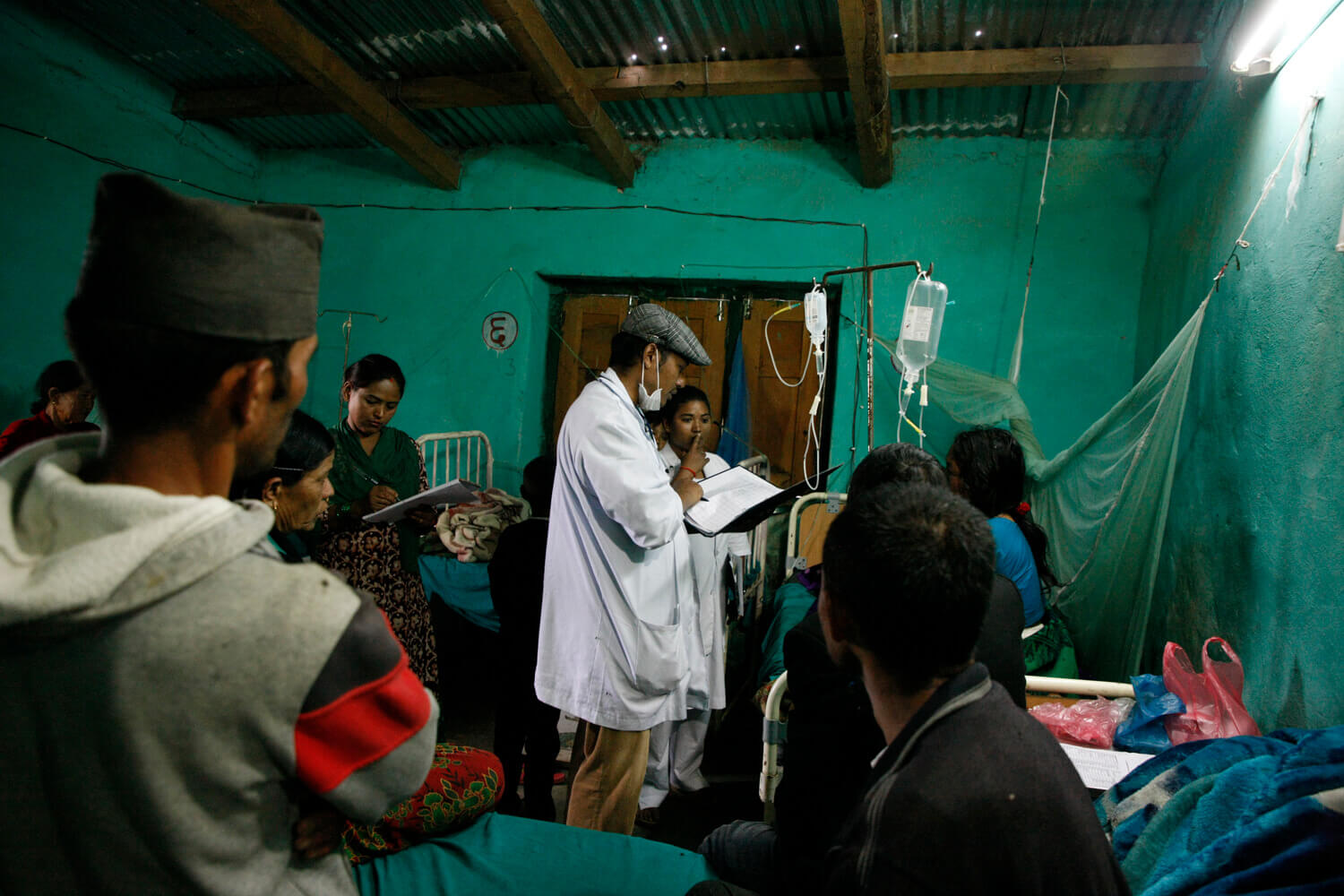
At the Kolti Primary Health Care Centre in Bajura, there is no doctor, after the one serving here chose to be transferred to Kathmandu. Bajura District Hospital has five doctors but the contracts of three of them will soon expire.
“I have not been informed of my new hospital yet, but I am about to be transferred. In two months, there will be a shortage of doctors here,” predicts Chief Medical Officer Rup Chandra BK, adding that all technicians, including a paramedic, a radiographer and health assistants, have been transferred or will be soon.
Read also:
Is free health care possible in Nepal?, S P Kalaunee
This is how to upgrade Nepal's rural health, Sewa Bhattarai
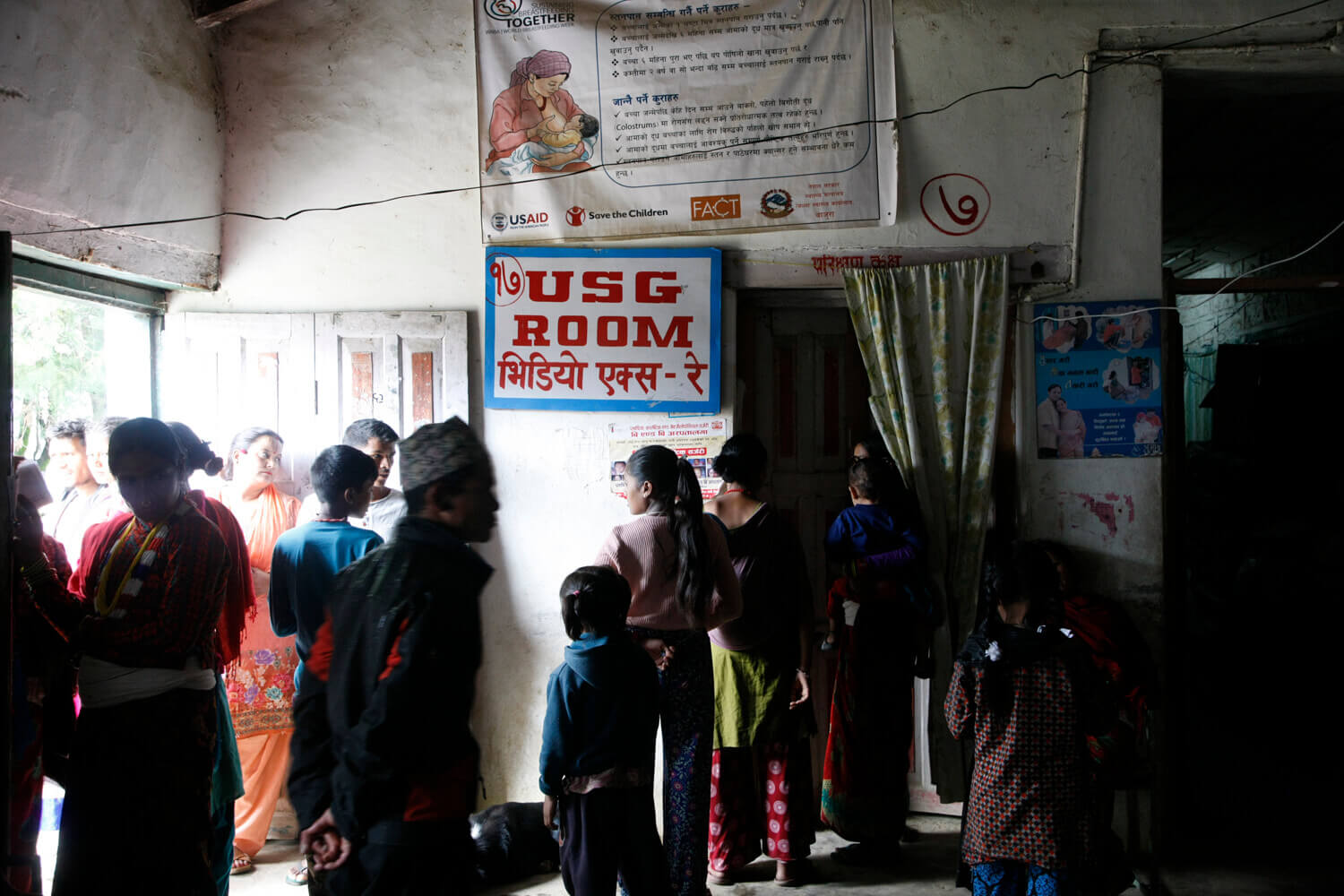
With a population of 135,000 people, Bajura has no private hospitals and only one government hospital, a primary health care centre, and 26 health posts. WHO recommends a doctor-patient ratio of 1:1,000, but here it is 1:150,000, while Kathmandu has a ratio of 1:850.
This is nothing new: Far Western Province has long faced medical staff shortages. According to the Department of Health Services Report 2018, only 80% of positions in health facilities were filled, and only 56 of the 142 sanctioned doctor positions were staffed. That number will decrease further after adjustment.
According to a list of adjustments of 8th level general practitioners (GPs) by the ministry of health, 36 doctors were serving in Far Western Province, but only 9 of them have chosen to remain. Of the 631 doctors at this level, as many as 326 chose the federal level, which means they are concentrated in Province 3. It is the same story in all other provinces. There are only 14 doctors in Province 6.
“Far Western Province has always faced a shortage of doctors. We have a lot of nurses, assistants, and technicians, and even if they are transferred there are others to replace them. But specialist doctors earn a lot in the cities and a government hospital cannot offer them as much. No wonder they do not want to stay here if they have a choice,” says Ramesh Kunwar at the ministry of social welfare in the province.
Read also:
Poor health, Editorial
Henry Marsh returns to the institute created by his neurosurgeon colleague Upendra Devkota
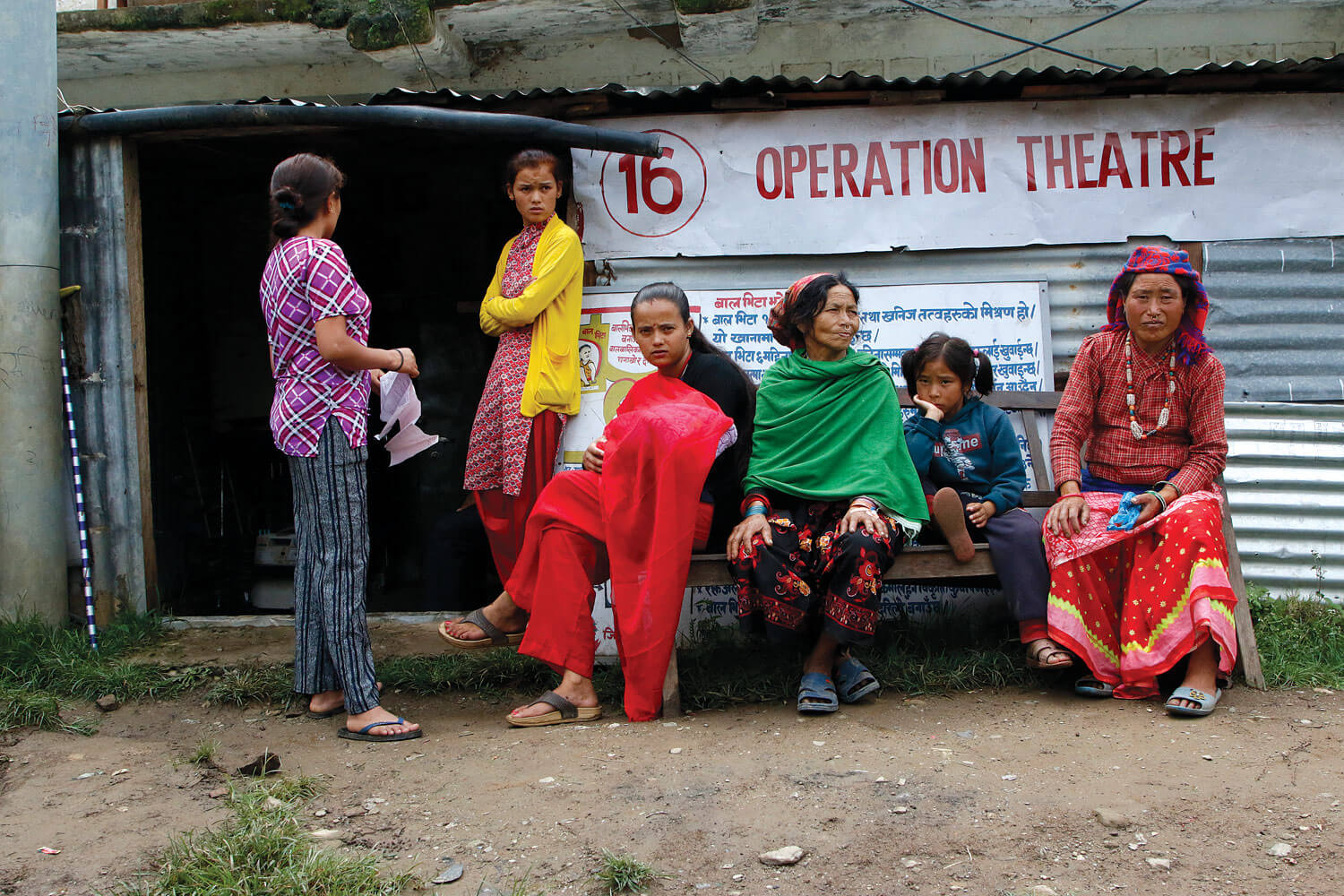
The Government Doctors’ Association of Nepal (GODAN) is also unhappy. “From the beginning we have said that the medical sector is different from others and adjustment would result in neglect of underserved regions and migration of doctors to the cities, and we were right,” says Dipendra Pandey, president of GODAN. “We proposed that a federal bridge should be created, so that medical professionals working at the federal level can be sent back to their previous working area.”
Ironically, physician Govinda KC had to call off his 17th fast unto death in Dadeldhura because the district hospital did not have proper facilities in case his health deteriorated. KC has been protesting the commercialisation of medical education, which forces doctors to work in the cities to recoup their investments.
“If the government does not replace those who are leaving the province, there is going to be a great crisis in healthcare in the Far West,” says Gunaraj Awasthi, chief of the Far West Regional Health Directorate in Dipayal. “It should immediately reinstitute those medical professionals on contract service.”