
A combination of tax rebates, the Dasain-Tihar season, and a public fed up with being cooped for nearly two years due to Covid restrictions is driving a spurt in sales of private electric vehicles in Nepal.
Electric car importers are scrambling to meet the surge in post-pandemic and pre-festival demand, but are being held back by global supply chain disruptions due to shortages of microchips, lithium batteries, and maritime cargo capacity.
The KP Oli government in May scrapped taxes imposed last year by his own previous finance minister Yubaraj Khatiwada. The coalition government of Prime Minister Sher Bahadur Deuba has retained the tax breaks.
Under the new tax forumla, the excise duty on battery powered cars was withdrawn, and the customs duty was restored to the 10% that had been in place for the past five years. The tax cuts in 2016 had made electric cars more affordable, and led to a spike in demand. Electric car imports fell to nearly zero after the taxes were reimposed by Khatiwada in May 2020.
The Dasain-Tihar festive season is when Nepalis usually splurge on consumer items, and there is usually a rise in purchases of vehicles as well. This year, the tax rebate has made electric compacts, SUVs, and two-wheelers more competitive compared to fossil fuel vehicles.
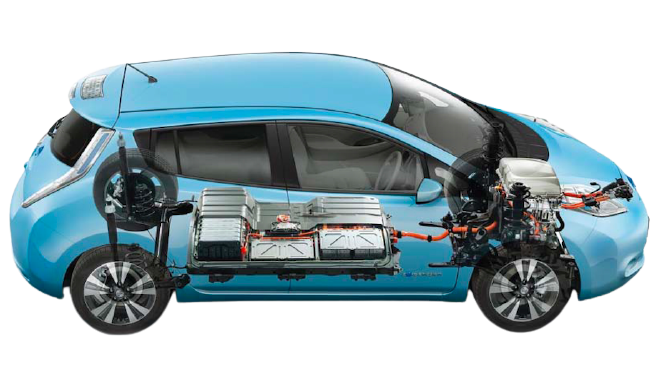
Improvement in technology has increased the range and performance of eVs, and the fall in price for batteries has made them more affordable. Till five years ago, battery-powered cars in Nepal had less than 100km range. Today the new models can go up to 500km – enough for a Kathmandu-Pokhara roundtrip on a single charge.

Electric car importers also report a rise in customer demand, a surge in queries from people who are tired of being locked down for nearly two years, and want to be out and about – and that means being able to drive to Biratnagar or Bhairawa and beyond on the new e-SUVs without stopping to recharge.
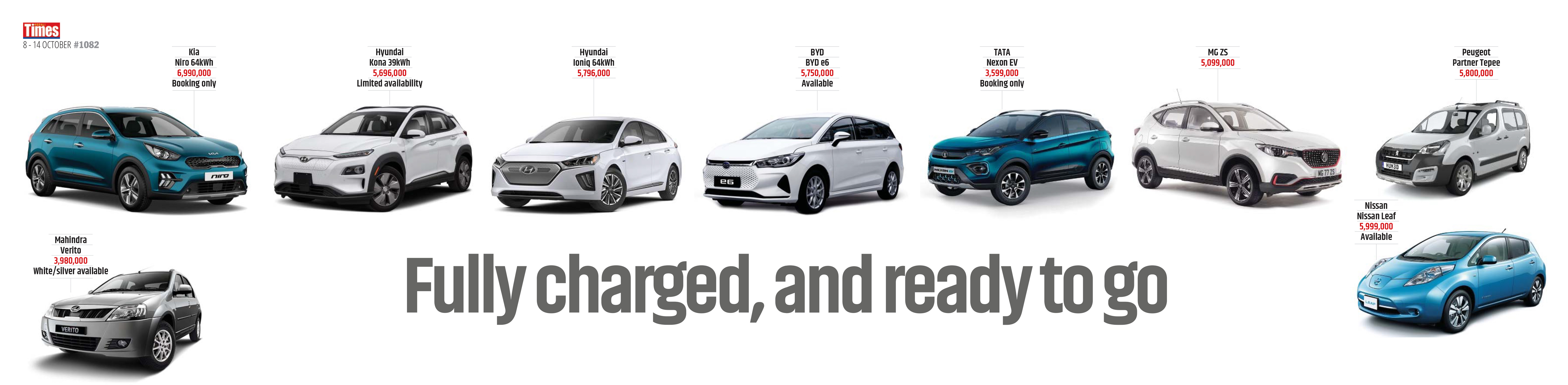
Brands that have a head start with battery power in Nepal are Hyundai, Kia, Mahindra, MG, TATA, and a plethora of Chinese brands like BYD, Great Wall Motors, Dahe, and Derry.
Besides range, potential buyers in Nepal will be looking at ruggedness, interior space, and ground clearance. While some of the fancier SUVs are attractive to look at and have a rocket-like takeoff, it may be more important in Nepal to see that the cars have more than 180mm ground clearance – otherwise you will be scraping your expensive bottom on road craters.