In 1911, Nepal became the second country in Asia to install a hydroelectric plant, and was a pioneer in electric transportation with the opening in 1922 of a ropeway connecting Kathmandu to Dhorsing and later to Hetauda.
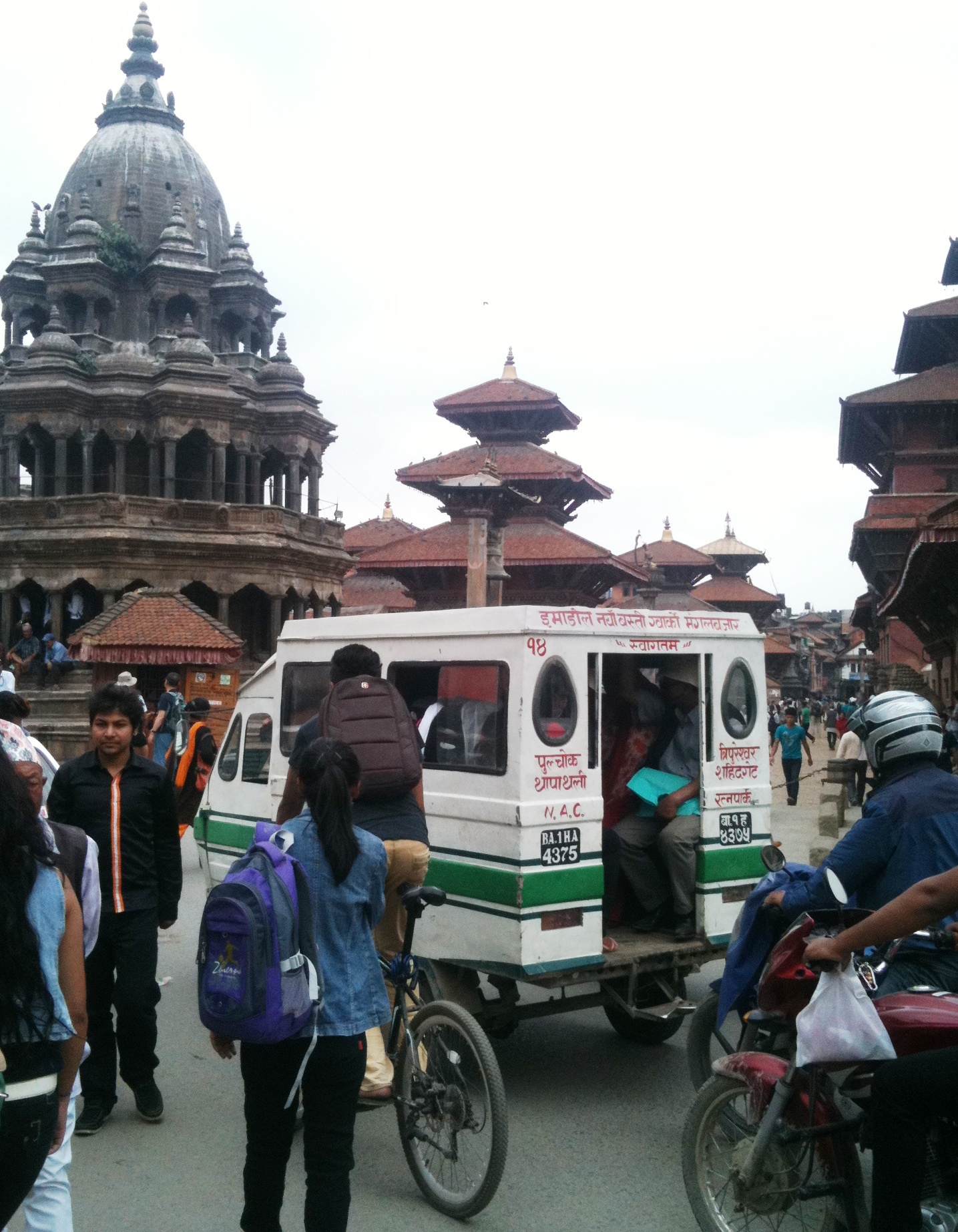
The Chinese gifted an electric trolley bus line from Kathmandu to Bhaktapur in 1975, which provided valuable commuter service for nearly 30 years. In 1995, the government replaced polluting diesel three-wheelers with electric ones, and 700 of the Safa Tempo are still running on 28 routes, serving Kathmandu’s public transport needs.
However, despite these milestones in electric transportation, Nepal has not taken the leaps it could have in powering mass transit with the country’s plentiful renewable energy potential.
“We missed the bus on electric buses,” says environmental expert Bhusan Tuladhar. “We could have taken e-vehicles to the next level much earlier.”
Indeed, the Safa Tempo now faces competition from diesel buses on trunk routes, and government policy on replacing larger diesel buses with electric ones has been erratic. Daily commuter volume in Kathmandu today now needs larger mass transit modes, but Safas are ideally suited for narrower streets of the inner city.
“After the diesel three-wheelers were replaced by Safa Tempo, the government adopted a contradictory policy of promoting micro-buses,” explains Dharma Kumar Shrestha of NEVI (Nepal Electric Vehicle Industry).
Sadly, in the early 2000s, the trolley bus system and another cargo ropeway to Hetauda were closed due to losses and mismanagement. Although private electric cable cars are coming into operation nationwide for tourism, there is still no strategic solution in sight for electrified public transportation, particularly electric buses.
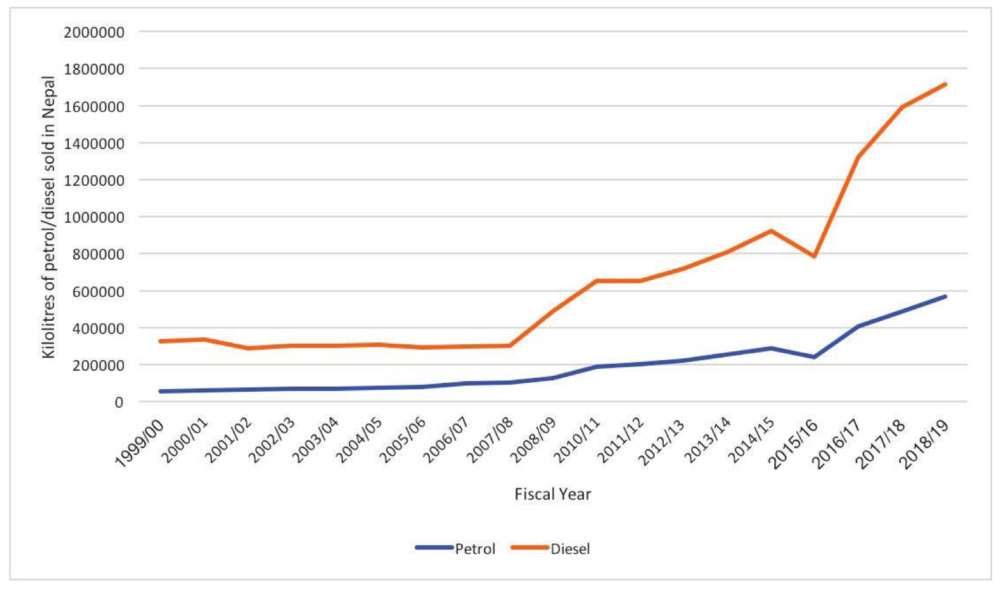
Electric vehicles still have problems with carbon emission during production and battery disposal, but they will help improve the air quality and reduce Nepal’s petroleum imports which have more than doubled in the past 10 years.
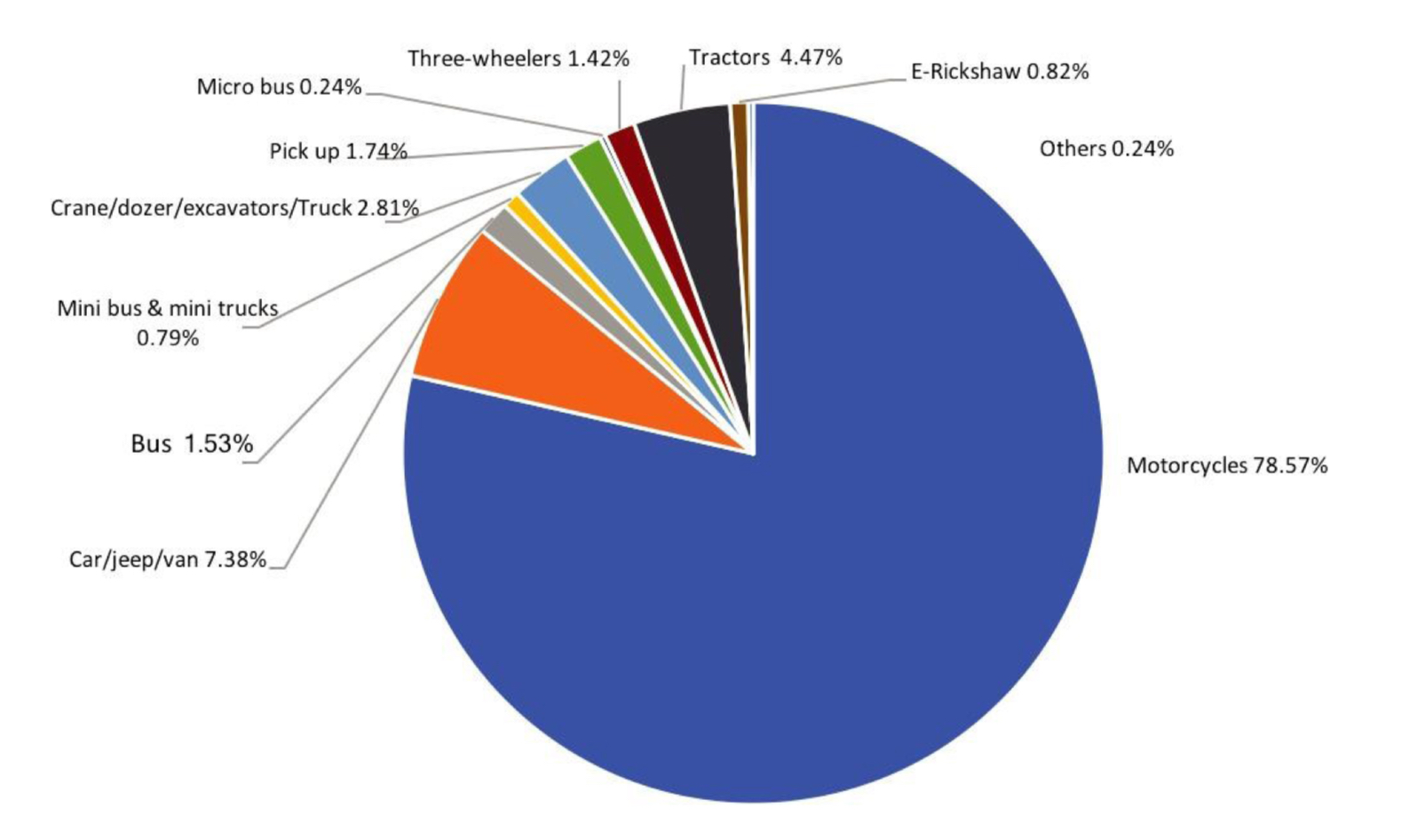
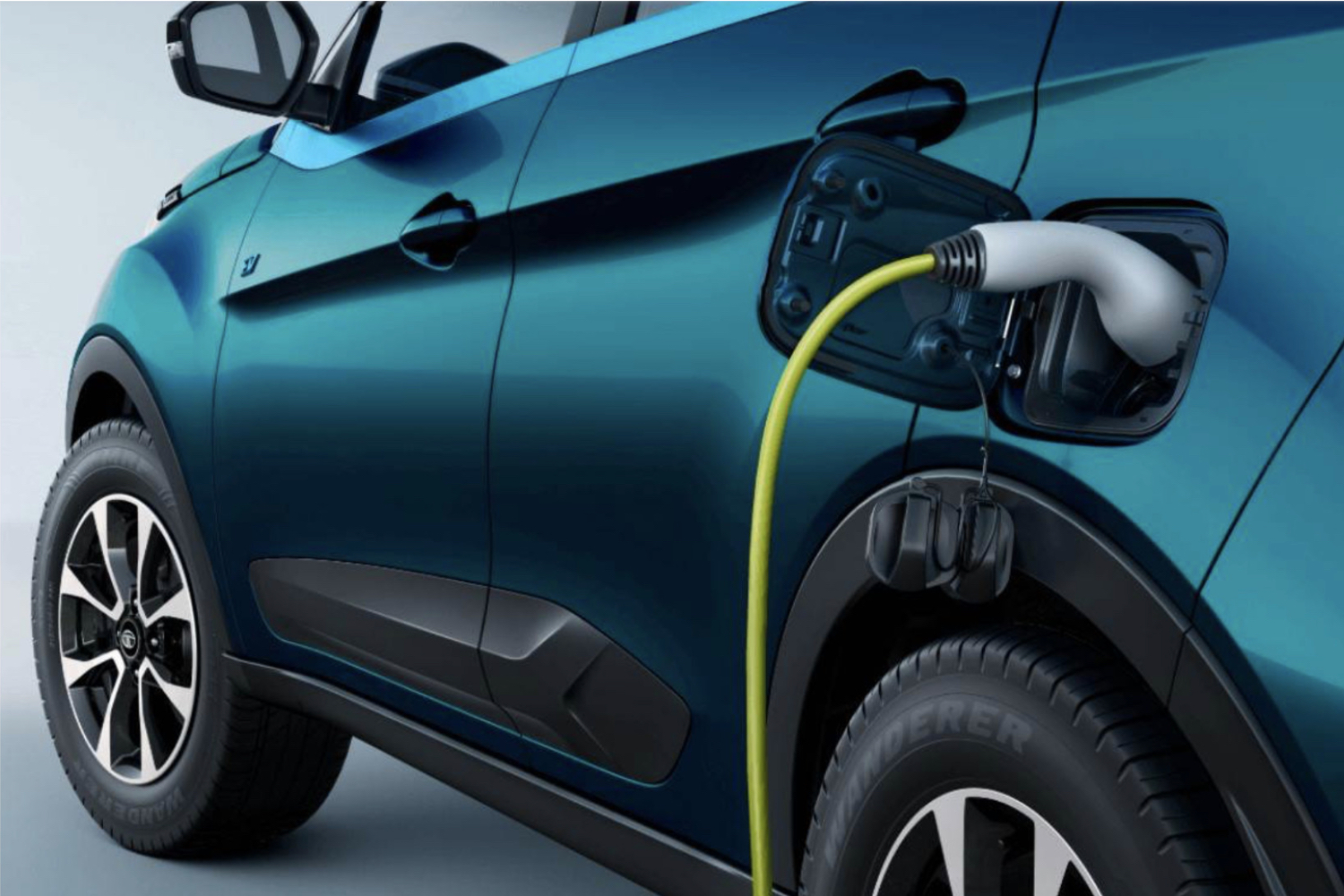
Some 12% percent of the greenhouse gas emissions from the energy sector in Nepal comes from transportation, with heavy vehicles like fuel-run trucks and buses being the main polluters. There are now about 6,000 battery two-wheelers, over 27 thousand electric three-wheelers, and 1,000 electric vehicles in Nepal, but this is still only 1% of the total, according to a Ministry of Forests and Environment report.
“Since transportation contributes a significant amount of Nepal’s total greenhouse emissions, a shift to electric is essential to achieve the country’s goal of being carbon-neutral by 2050,” says Radha Wagle, Chief of the Climate Change Management Division under the Ministry of Forests and Environment.
Electric Vehicles are initially more expensive, but in the long run not are not just less-polluting, but will also help improve Nepal’s balance of trade deficit with India. While production and battery cost of electric bus makes them more expensive than a new diesel bus of the same capacity, running costs, maintenance and repairs means that for every kilometer travelled, an electric bus will be Rs14 cheaper to run.