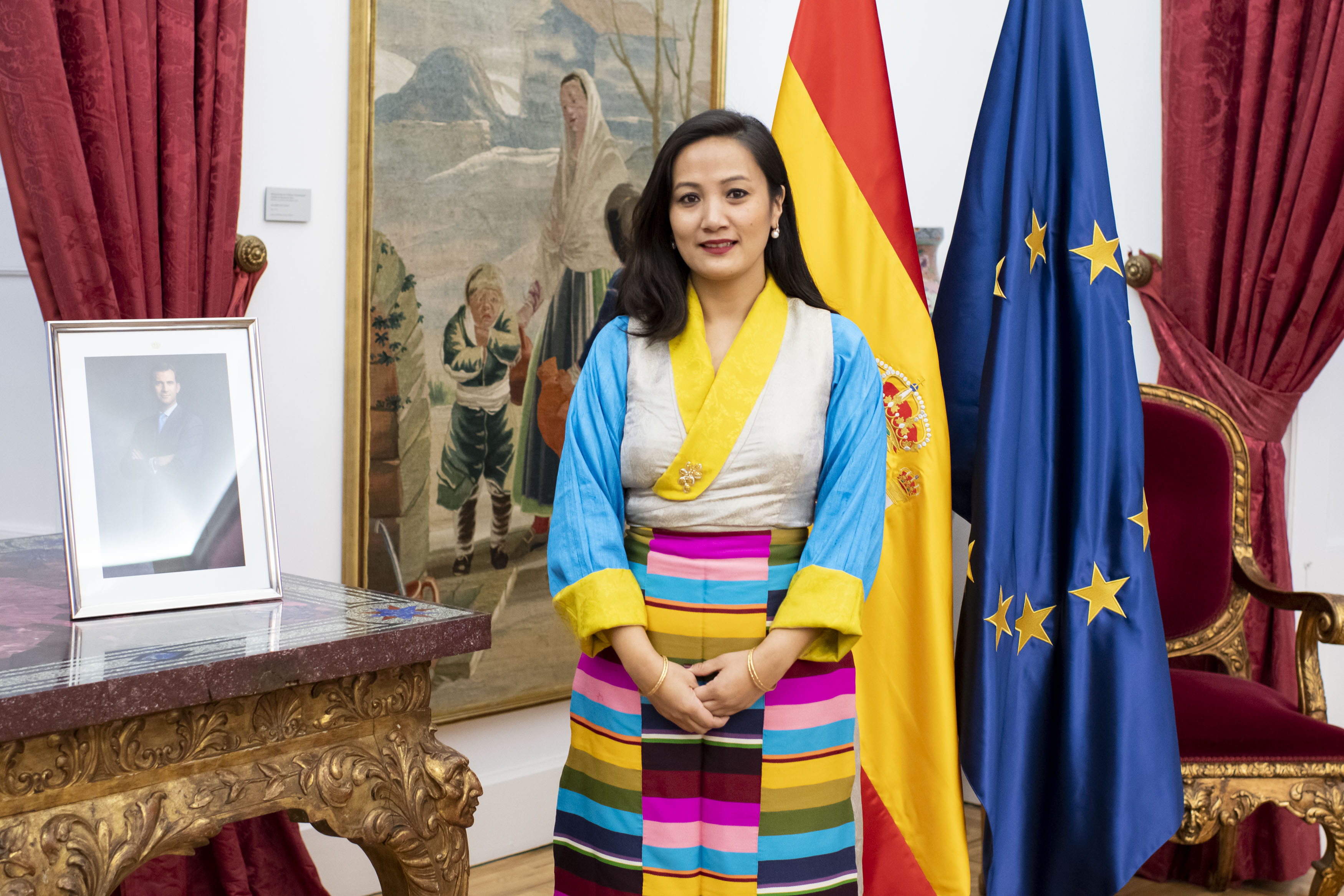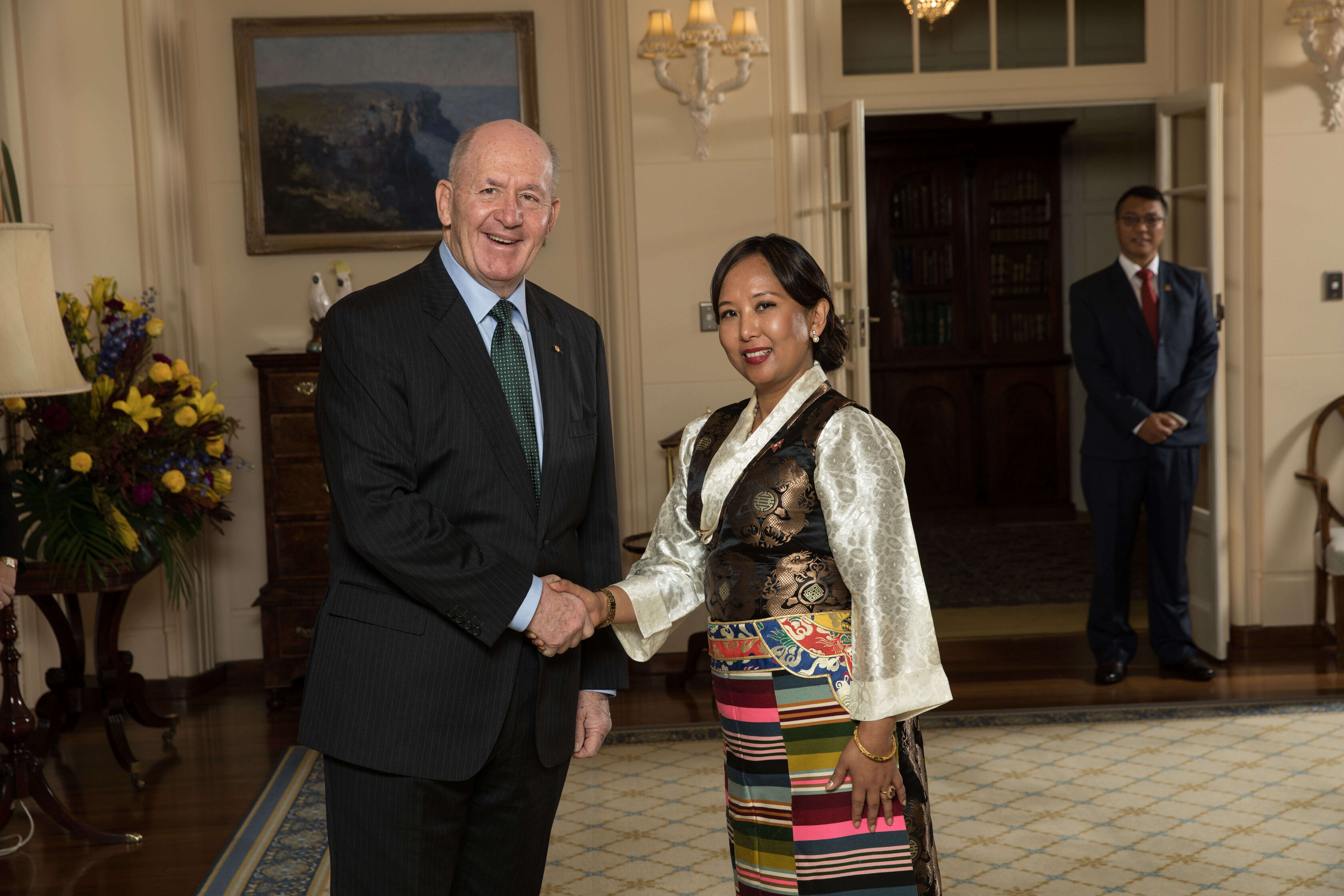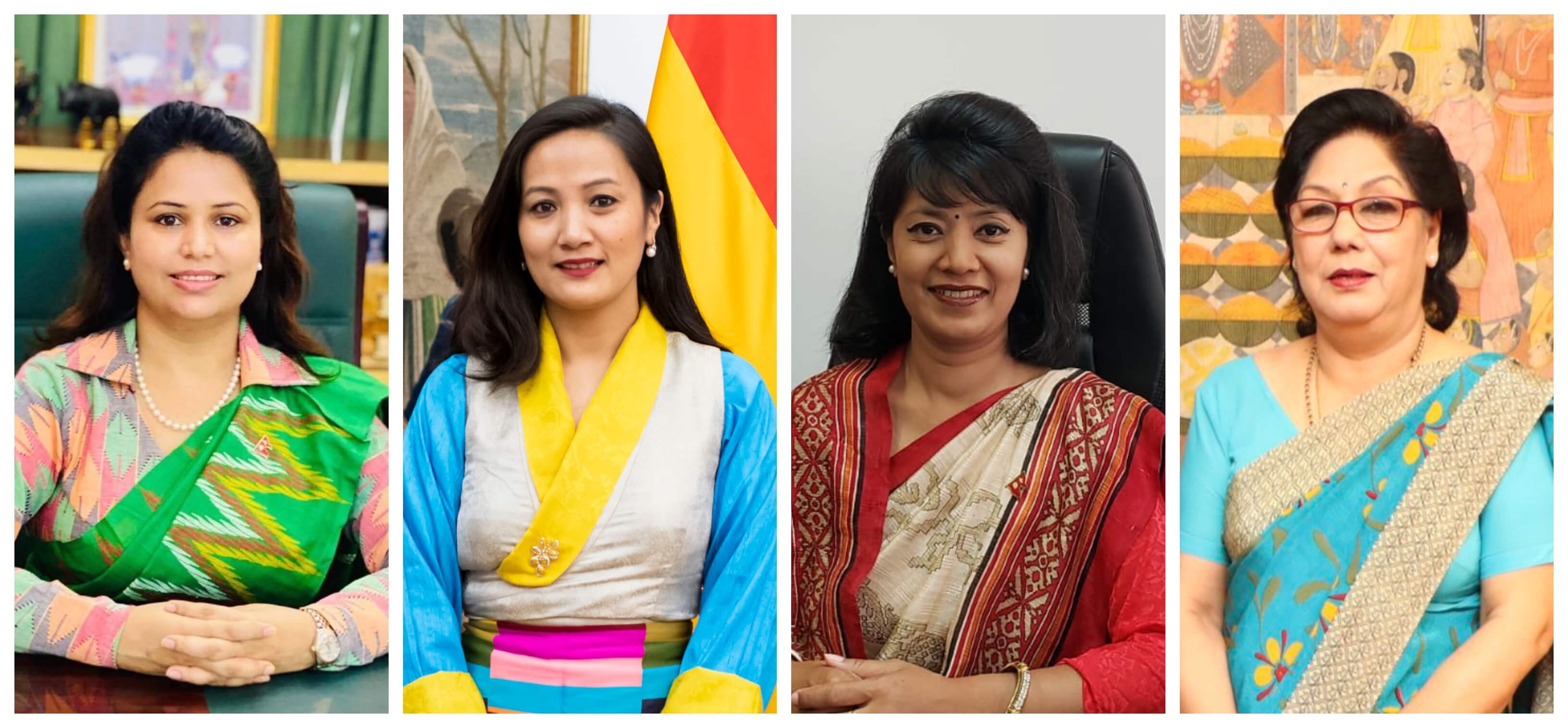
Nepal has a female president and a Constitution that reserves positions in government and legislatures to women, and in the foreign service women diplomats make up more than half the ranking staff. Five of Nepal’s 25 currently serving ambassadors are women.
During the Covid-19 crisis, Nepal’s women ambassadors have shown that they are as good as, if not better than, their male colleagues in ensuring the welfare of Nepalis abroad as well as projecting the country’s international image.
"Society must stop judging women simply for their gender. We are not men, and we shouldn't be compared to them. Our inherent femininity, sensitivity, nurturance, emotional temperament, are our best qualities," says Nepal’s ambassador to Oman Sarmila Parajuli Dhakal, who has been praised for ensuring the repatriation of stranded Nepali workers, and bargaining with airlines to get them cheaper air fares than those negotiated by the government in Kathmandu.
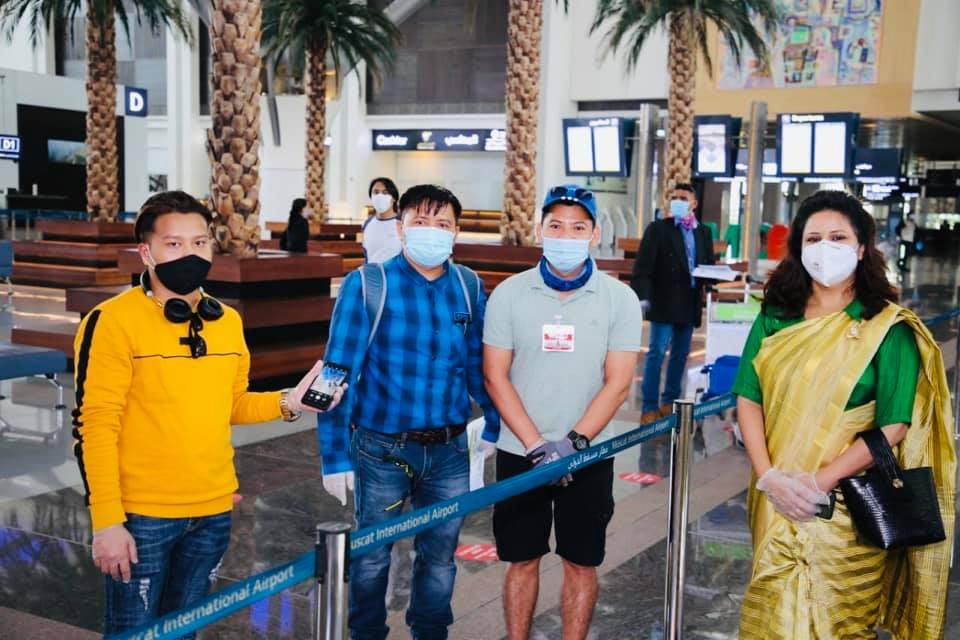
In June, Dhakal personally went to Muscat airport to see off the first batch of returning workers. As of this week, the embassy had arranged seven rescue flights, repatriating 1,178 stranded workers. Between 10% to 30% of migrant workers in various Gulf states have lost their jobs, and Nepal’s embassies in other Gulf countries are struggling with the sheer numbers who want to return.
Last month, Ambasador Dhakal and the Oman Ministry of Foreign Affairs signed an agreement to lease land for construction of a permanent Nepal Embassy in Muscat, a diplomatic milestone for a Gulf monarchy that is emerging as a major destination for Nepali workers, as well as source of tourism and investment.
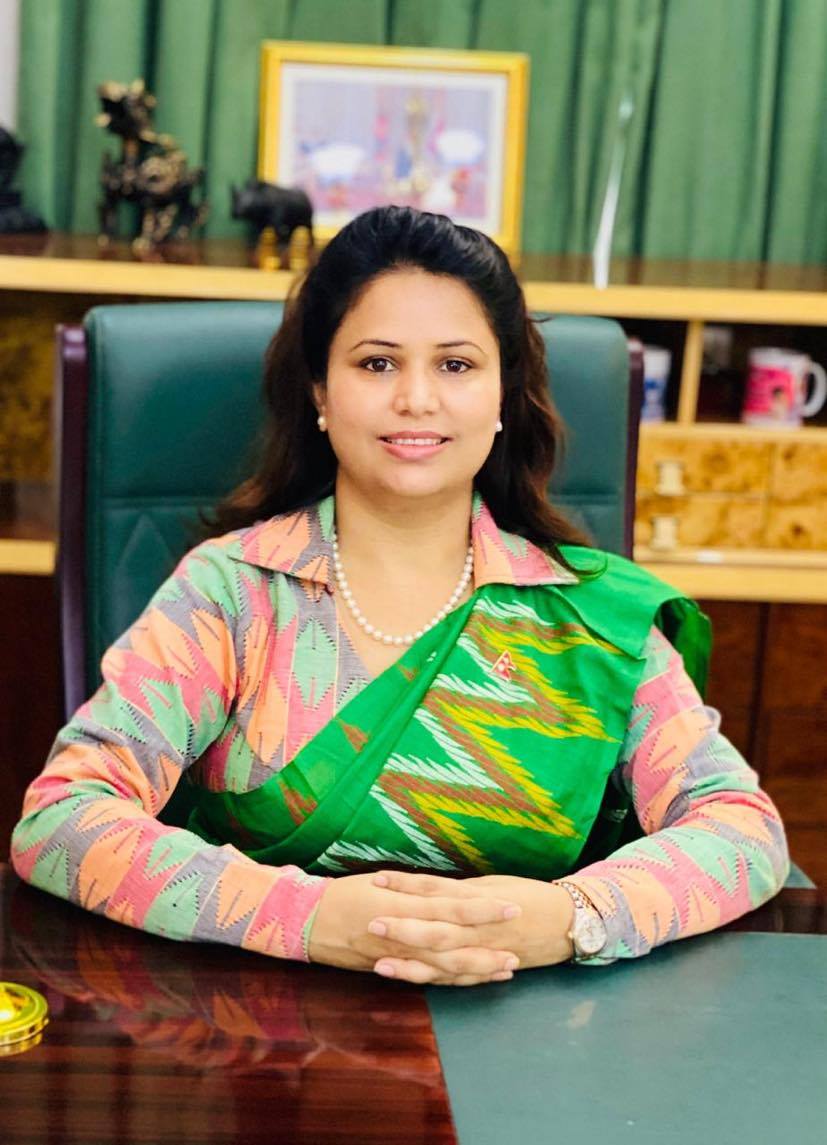
Anjan Shakya, Nepal’s ambassador to Israel, has also been making inroads into ensuring well-paying jobs for Nepalis, and has just negotiated an agreement with Israel to provide openings for 500 more Nepali caregivers.
"It takes a woman to understand better the problems of women. They must be brought into politics, and in policy and decision-making positions,” Shakya says. “Female political participation is crucial in addressing gender issues and bringing about gender equality. Our 2015 constitution has ensured gender balance in politics. We must abide by it.”
Ambassador Shakya is also pushing an agreement with Israel to set up Centres for Excellence in Agriculture in each of Nepal’s seven provinces as part of Nepal’s goal of food self-sufficiency. Recently, Shakya was the first Asian envoy to be named ‘Ambassador of the Year’ by the Ambassadors’ Club of Israel.
She says: “Just like a chariot needs two wheels to move, Nepal cannot move ahead if half our population is left behind. So we have to engage and involve women.”
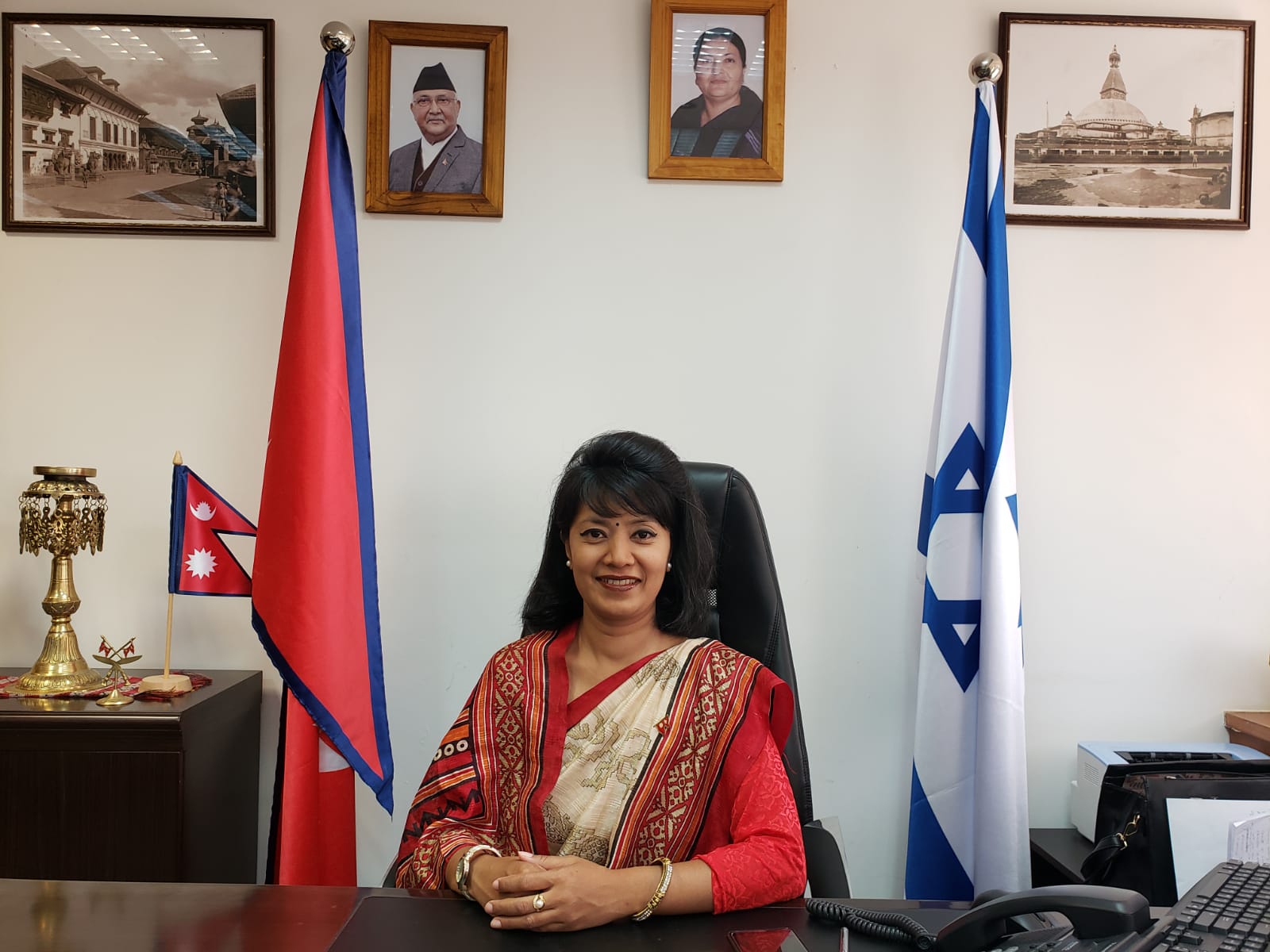
Even though five of Nepal’s ambassadors abroad are women, only one of them, Sewa Lamsal the out-going ambassador in Pakistan, is a career diplomat. Prativa Rana, Nepal’s long-serving ambassador to Japan, is from the RPP party and mother of Arzu Deuba, wife of NC leader Sher Bahadur Deuba. Anjan Shakya and Dawa Futi Sherpa are said to be close to Prime Minister K P Oli. And as with foreign services of other countries, there is some tension between careerists and those named ambassadors by political parties.
But political appointees do have their advantages. Ambassador Dhakal, for instance, has been able to use her connections in the labour recruitment sector to focus on migrant issues. And Ambassador Sherpa, who grew up surrounded by mountaineers and tourism entrepreneurs, has used her background to organise promotional events and hopes to further strengthen cooperation between the Madrid-based World Tourism Organization and Nepal Tourism Board.
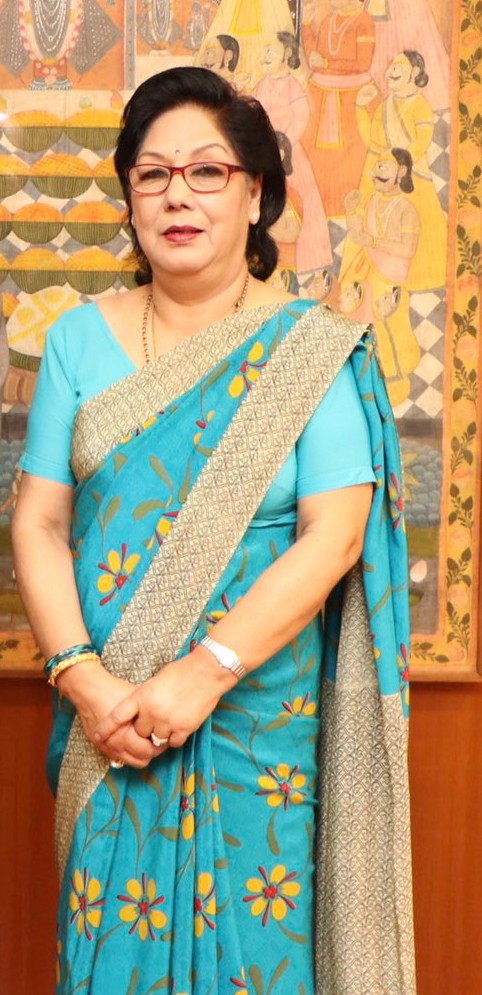
"Nepali women have fewer economic assets, less access to finance, higher rates of illiteracy, and little knowledge of their legal rights,” says Ambassador Sherpa. “We are generally bound to responsibilities at home and have fewer opportunities than men for earning income and participating in decision making and governance."