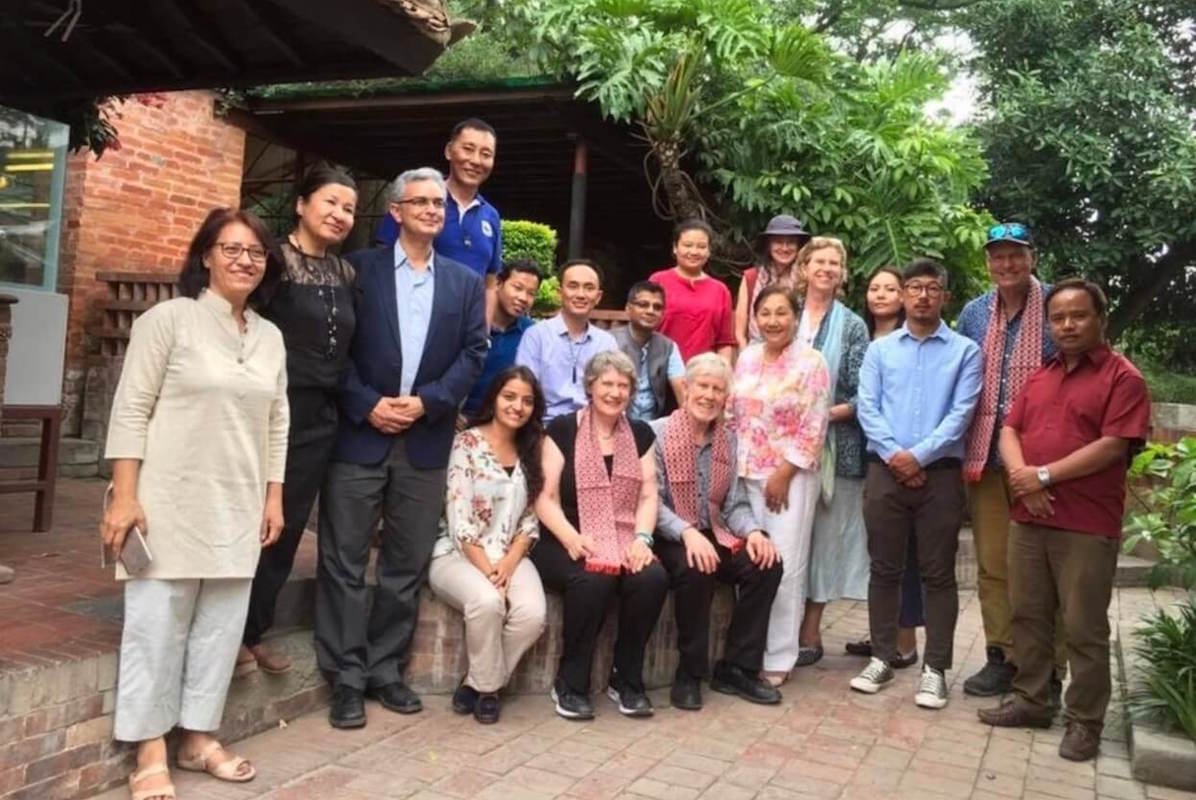
That night in Taplejung, we sang and danced to the tune of Sorha Barse Umera Ma. It was my conservation guru Chandra Gurung’s favourite song, and one he sang during many occasions.
That song still brings back memories of the night 15 years ago as I sing it in every staff retreat to pay tribute to my mentor. The pain of loss is still palpable.
We celebrated, but it was short-lived. Little did I know that 24 hours later I would be hiking all night with Ang Phuri Sherpa and a rescue team to Ghunsa to find the crash site, after bad weather forced our search helicopter to drop us in Pholey.
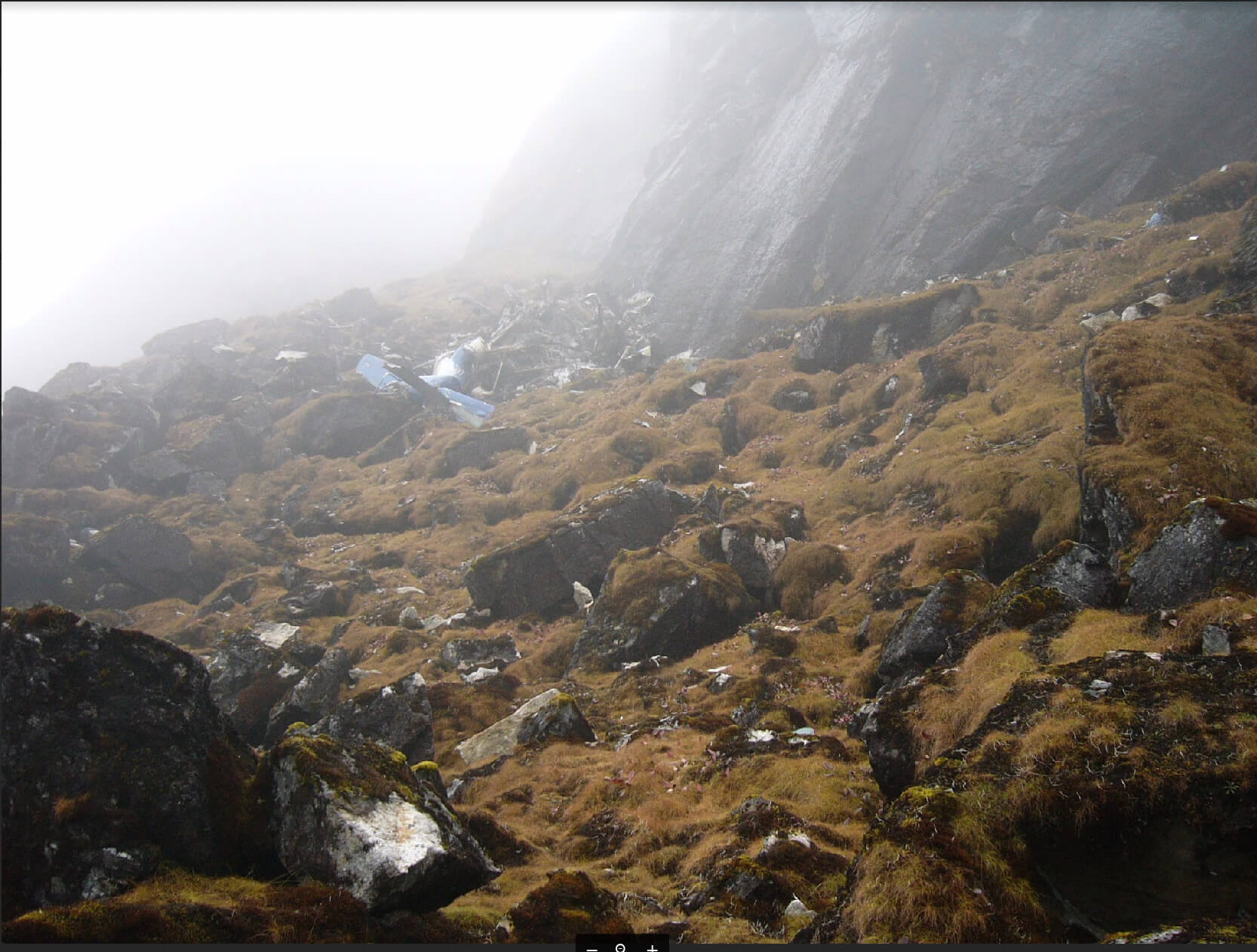
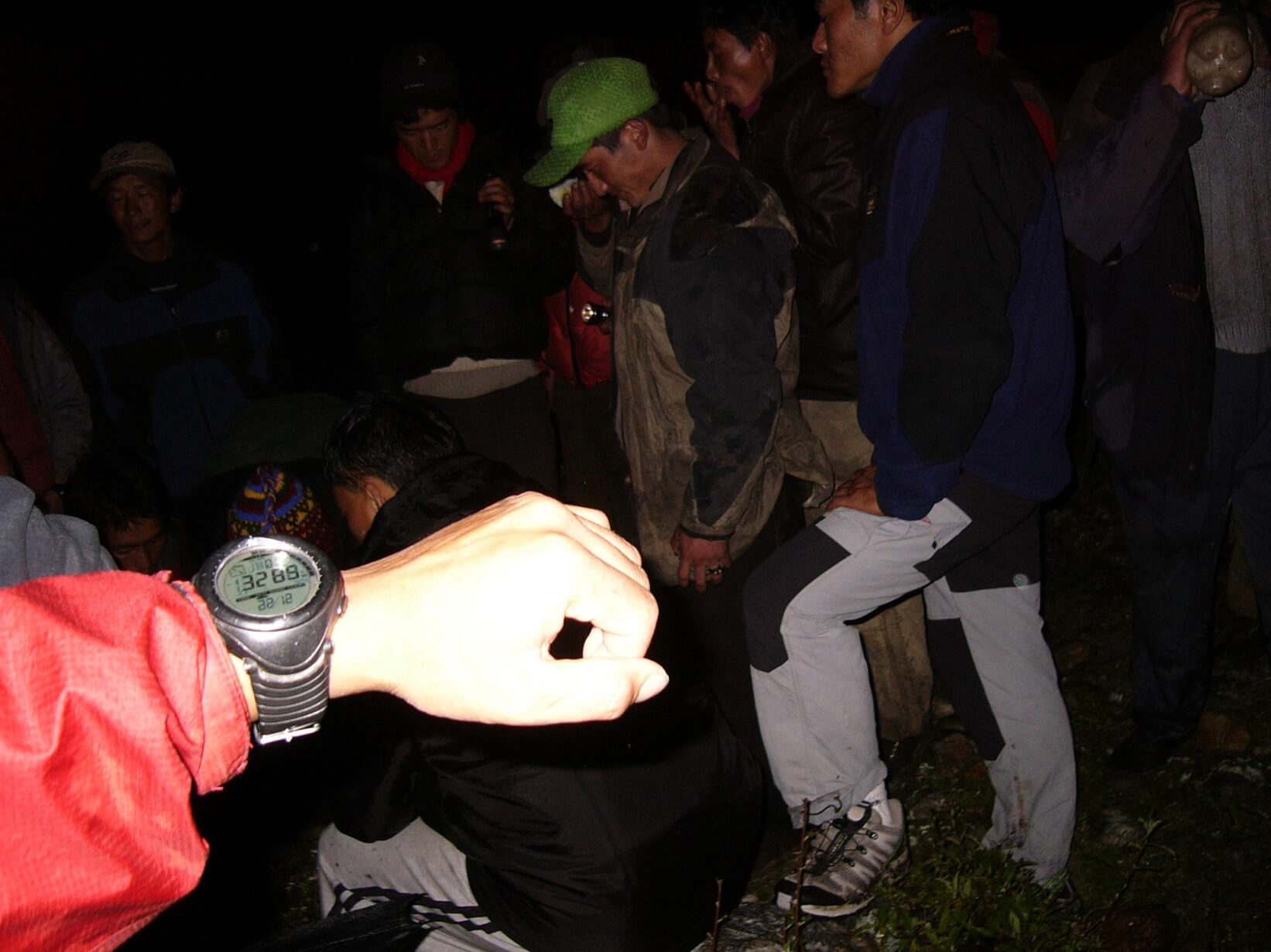
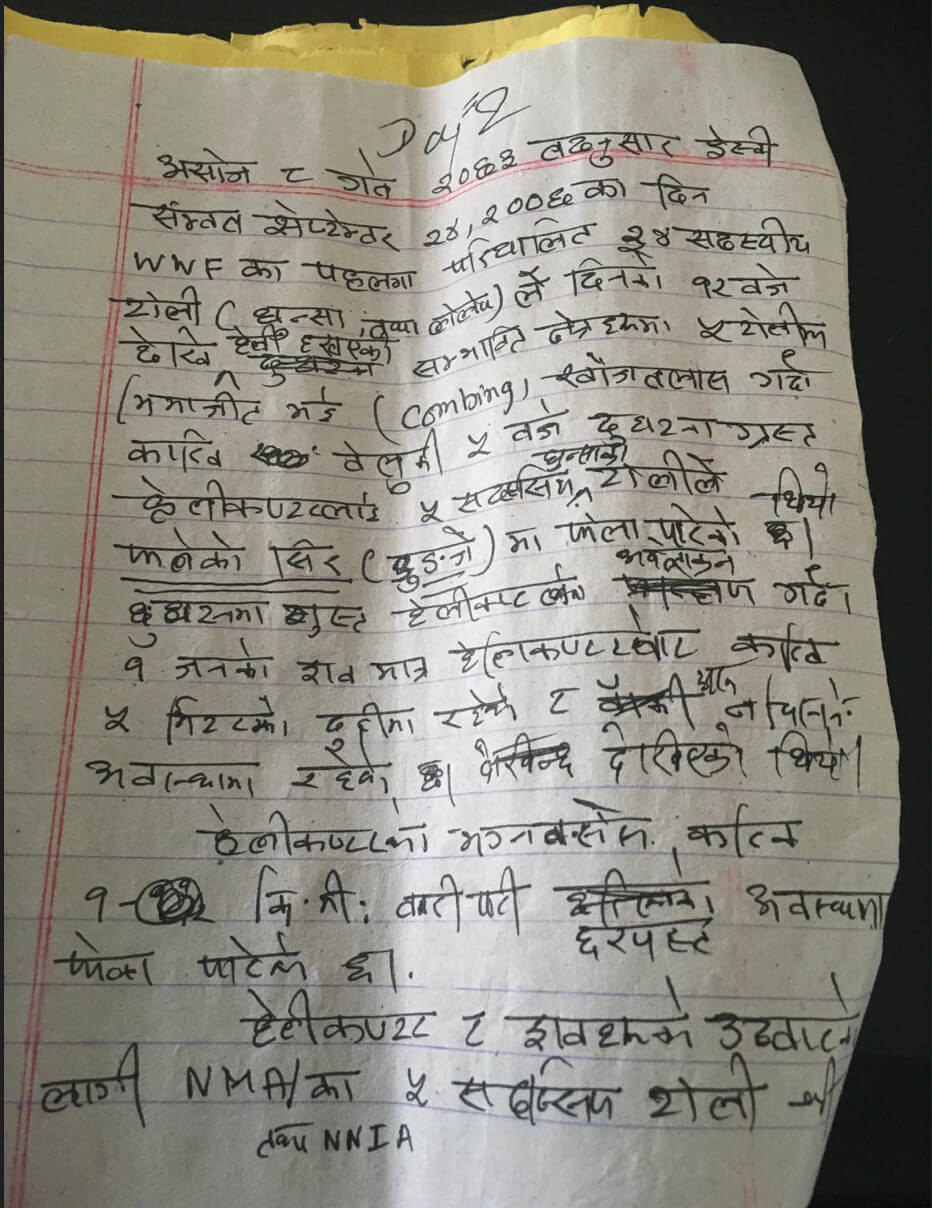
It had been rainy in Ghunsa on 23 September 2006, as the Mi-8 helicopter took off and disappeared into the clouds. I was supposed to be on it, but had to make space for the dignitaries who had come for the handover ceremony of the Kangchenjunga Conservation Area (KCA) to the community.
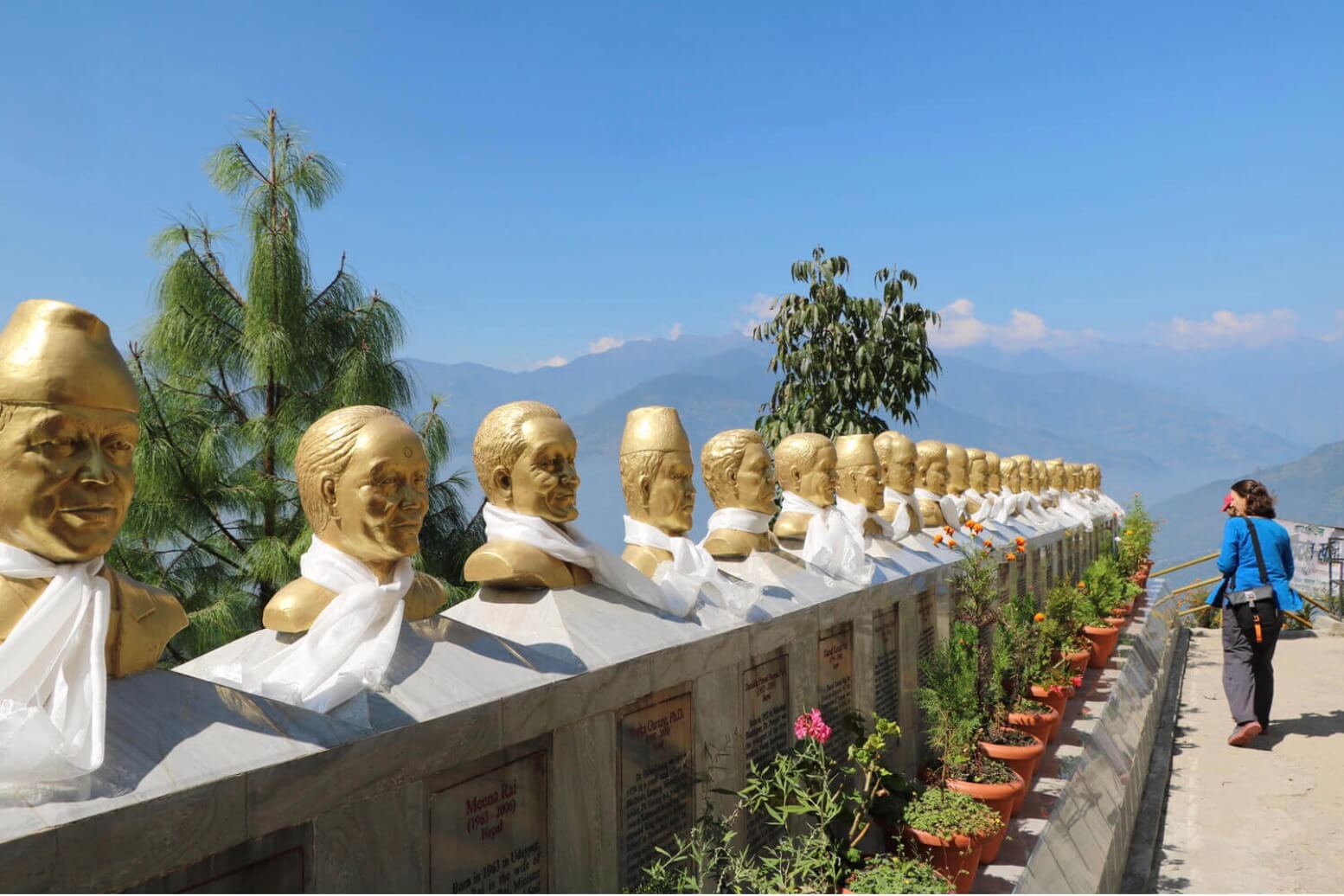
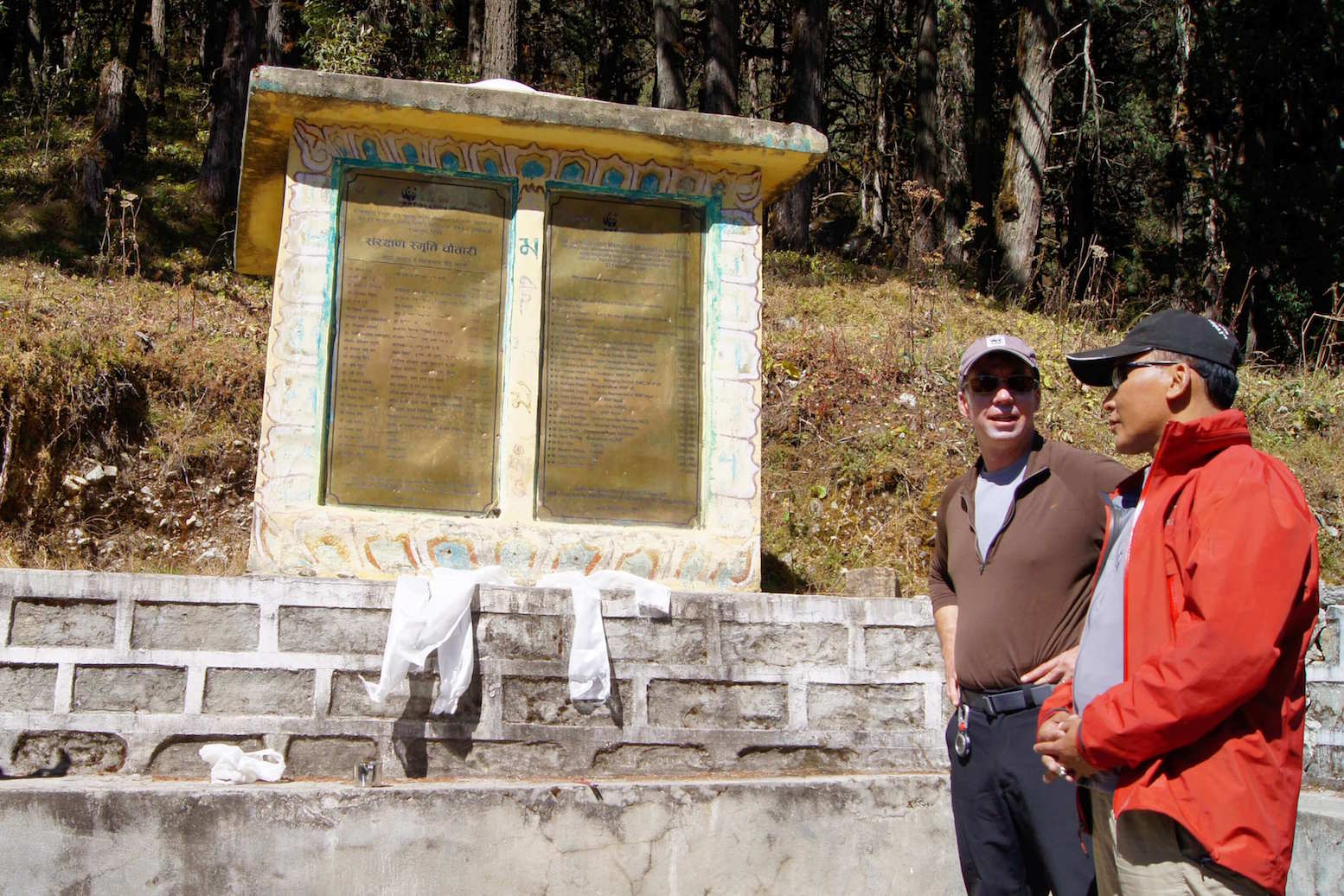
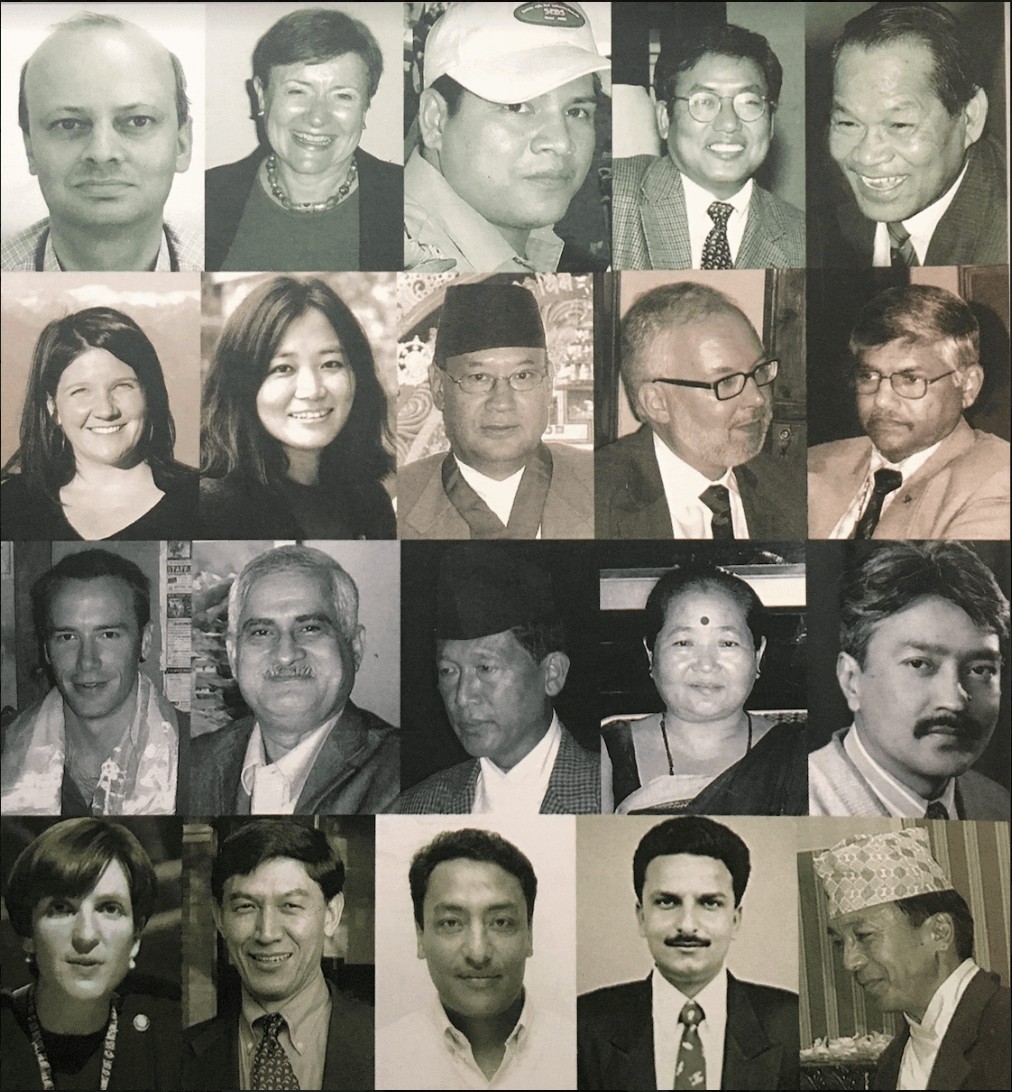
Twenty-four people died in that tragedy this week 15 years ago, among them Nepal’s conservation heroes: Harka Gurung, veteran geographer and planner; Chandra Gurung who designed the model of using tourism income to pay for conservation; Mingma Norbu Sherpa, who helped establish the Annapurna Conservation Area; Tirthman Maskey, who paved the way for people and parks to coexist. Nepal also lost Forest Minister Gopal Rai, Secretary Damodar Parajuli, and Director Generals Sharad K Rai and Narayan P Paudel. Also on board was the first Chair of the KCA Management Committee, Dawa Tshering Sherpa.
The shock of the deaths posed a pressing question: were Nepal’s achievements in conservation now in jeopardy? The model of participatory conservation pioneered in Nepal was an example to the world, but could the path-breaking work of these visionaries be sustained?
Fifteen years on, looking at the accomplishments since, we can proudly say that the country has honoured those leading lights of Nepal’s conservation movement by carrying on their work, and come out even stronger.
We have witnessed a remarkable shift in various facets of conservation in Nepal: from the recovery of species numbers to the expansion of protected areas systems with growing participation of people from all walks of life.
Nepal’s tiger population has crossed 235, indicating a dramatic increase from 121 in 2009. The number of rhinos increased from 435 in 2008 to 645 in 2015, with zero rhino poaching for the first time since 2011. Snow leopard conservation and research has advanced, with Nepal now holding the fifth largest population among 12 snow leopard range states.
There have been similar successes among other species, including blue sheep, Himalayan tahr, gaur and gharial. The species recovery of rhinos, blackbuck, wild water buffalo in their former ranges are other important milestones of our conservation journey.
After KAC, Nepal has added three more protected area systems: Gauri-Shankar Conservation Area, Api Nampa Conservation Area, Banke National Park – covering 4,632square km across two landscapes, Kailash and Chitwan-Annapurna.
These conservation initiatives have placed emphasis on ensuring equal benefits to communities promoting a harmonious existence between humans and wildlife. The community-based conservation initiatives have been critical in protecting species as well as ensuring a sustainable future for people living in and near wilderness areas.
While the sudden loss of so many professionals put a dent on Nepal’s environmental movement, their legacy has continued with a new generation of committed specialists who were trained and mentored by them. This new crop of young conservationists received scholarships established in the memory of the pioneers who died 15 years ago. They have gone on to do exemplary field work, and are now in key decision-making positions in Nepal to guide future conservation efforts.