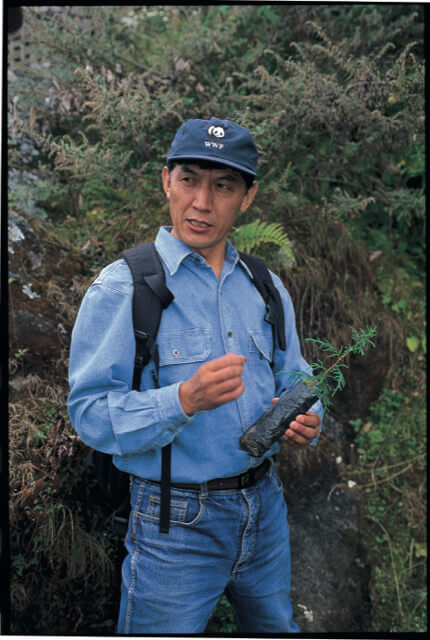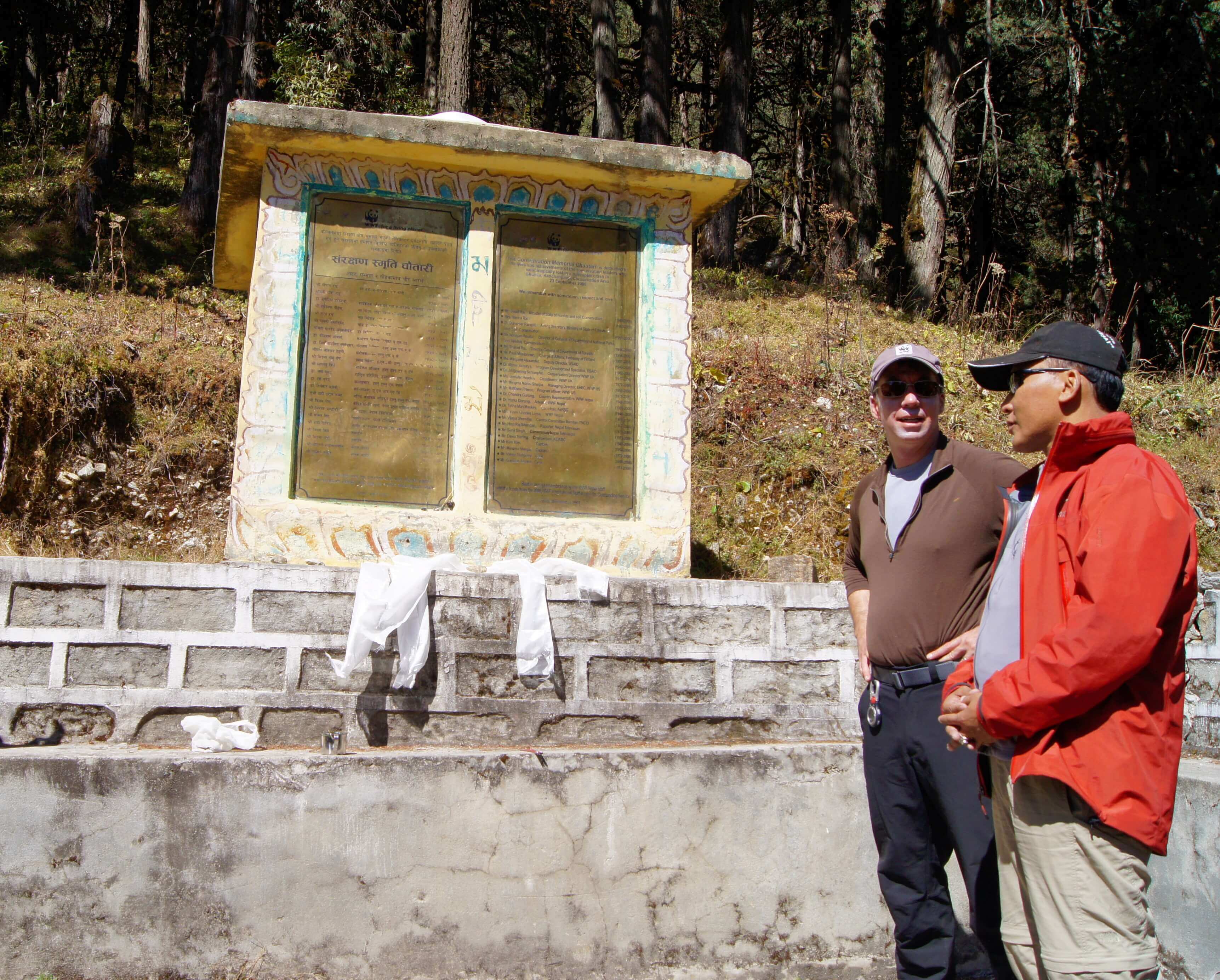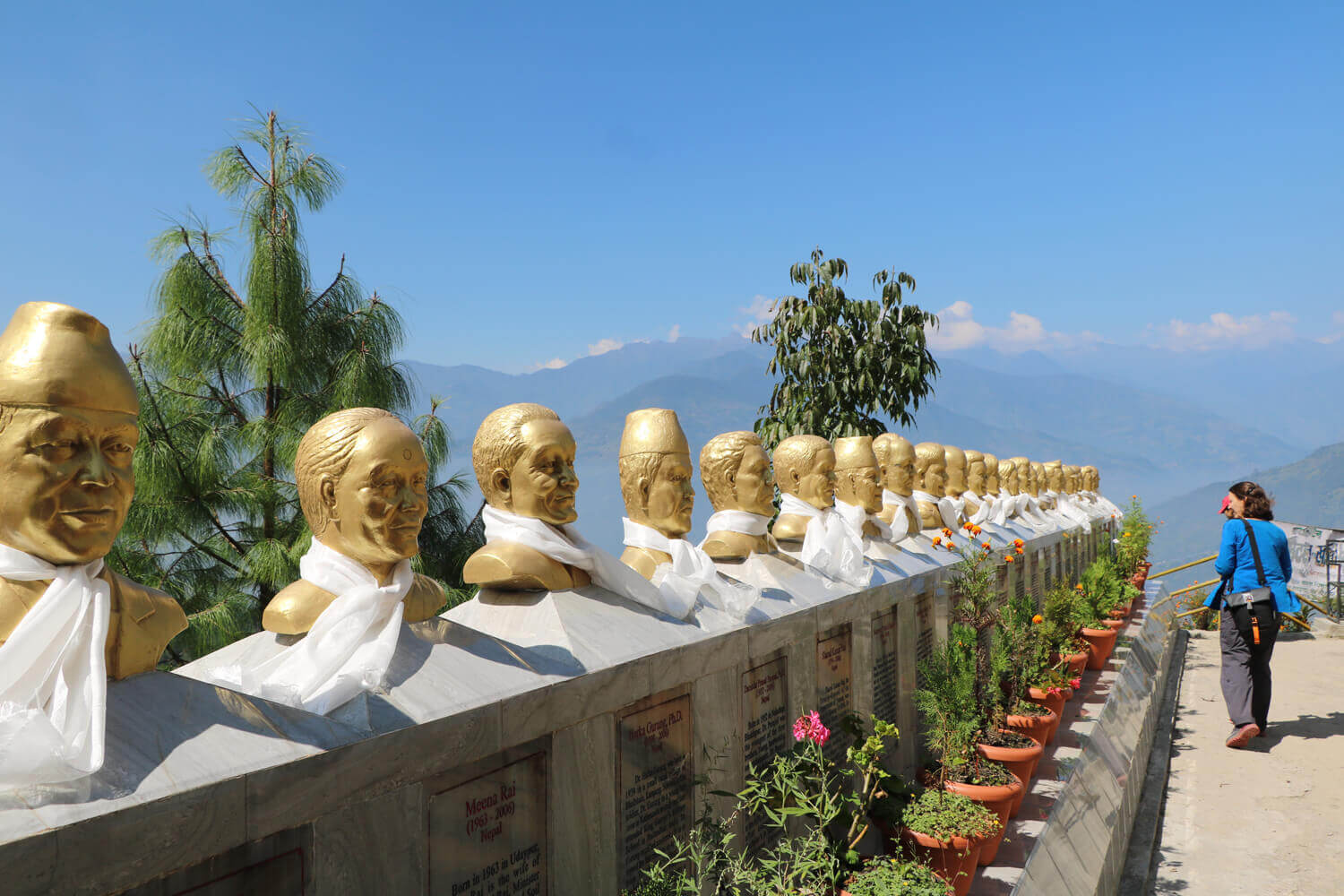
Those of us concerned with conservation in Nepal remember exactly where we were on 23 September 2006 when news hit about the missing helicopter that disappeared into the clouds above Ghunsa.
I was at my desk overlooking a deceptively calm and normal Kathmandu Valley, my stomach churning as the fearful facts unfolded. Details of the disaster took two full days to be corroborated, but it gradually emerged that all 24 people had died in the far eastern corner of the country when the chopper collided with cliffs above the village and crashed in flames, wiping out most of Nepal’s conservation leaders including a government minister, the Finnish charge d’affairs and Russian pilots.
Read also:
Their souls march on, Bhrikuti Rai and Stuti Sharma
“Yes I’m so sorry, yes, I’ll be sure to let you know when we hear anything.” Bad news travels and with a sinking heart I was fielding landline queries from all over the world. Gazing through the window I prayed the story would end differently, the icy fingers of disbelief, the terrible finality of the words: “No survivors.”
The tragedy at Pathibara on 27 February was horribly similar, although these days news travels fast and the dreadful details were quick to be confirmed. This time it was tourism leaders who vanished into a blizzard and exploded into the crags, leaving a sickening void in Nepal’s hospitality and aviation industry. Along with technical personnel, we lost two fine men -- an inspirational minister, and Nepal’s most visionary and courageous tourism entrepreneur.
Read also:
The Last journey, Ramesh Kumar and Gopral Gartaula
The power and pull of Pathibhara, Sewa Bhattarai
Last week WWF’s Ghana Shyam Gurung reflected on the trauma: "This loss brought back my memory of 2006. No one should challenge weather." In 2006 most of the incinerated bodies were unrecognisable in their seats and crumbled into ashes to the touch, Ghana had told me. Only Mingma Norbu Sherpa was thrown clear on impact, lying as though asleep on the ground a short distance from the burnt-out wreckage.
Once Ghana’s rescue team was eventually able to access the area, hampered by driving rain and wind, it was late the day after the crash before they reached the site after a four-hour climb in the dark, and another day passed before news filtered through to us in Kathmandu.
Ghana should have boarded that fated helicopter but was off-loaded to wait in Taplejung to save weight. The Kangchenjunga Conservation Area had been handed over to local indigenous managers the previous day, and the passengers consisted of the cream of Nepal’s conservation community, WWF staff and international supporters. It should have been a celebration of yet another success in the history of Nepal’s innovative protected areas.
It was hard to accept the chill reality that they were not coming back. Never again would we be infected by Chandra Gurung’s restless energy, enjoy Tirthaman Maskey’s environmental zeal, admire Harka Gurung’s measured thoughtful responses, or appreciate Mingma Norbu Sherpa’s calm focussed determination – all dedicated to making a difference to the environment, development and wildlife conservation.