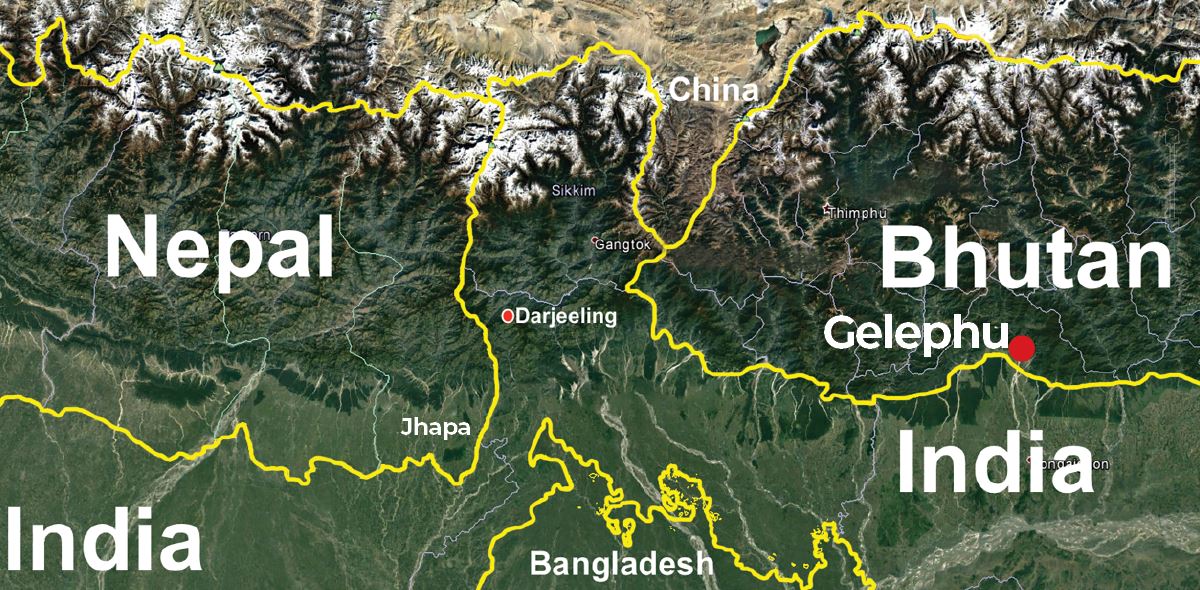
In Bhutan, this is one sentence one hears often: “We are learning from Nepal’s mistakes.” Considering lack of political accountability and chronic incompetence of the past decades, Nepal indeed sets an example of what not to do.
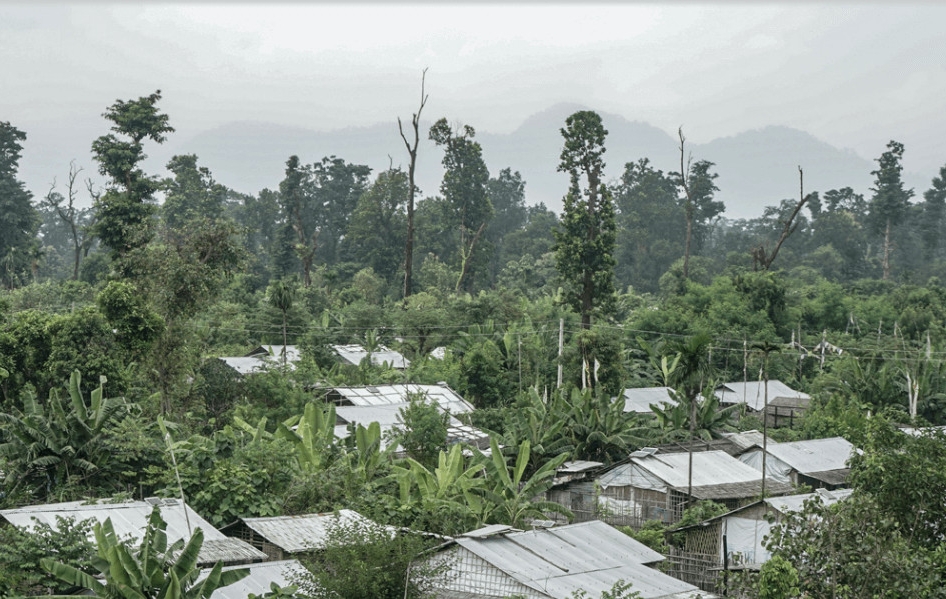
But Nepal has not forcibly evicted one sixth of its population like Bhutan did in the early 1990s. More than 100,000 refugees were transported across India to Nepal and lived for over 15 years in camps in eastern Nepal. Most have since been resettled in third countries, but there are still about 6,000 elderly refugees who want to return to their homeland.
This history has strained relations between the two Himalayan nations which share many of the same socio-economic, geopolitical and environmental challenges. Despite the asymmetry in size and population between Bhutan and Nepal, there is untapped potential for them to learn more from each other and cooperate.
Both have abundant natural resources and clean energy sources, both are sandwiched between two giant emerging global powers. Nepal and Bhutan also struggle with creating enough jobs at home and prevent mass outmigration of their youth.
Read also: Nepal in the new world order, Dhirendra Nalbo
Bhutan’s defence and foreign policy are handled by New Delhi, and there is a heavy presence of the Indian Army along Bhutan’s border with China, especially along the disputed Doklam region. Nepal is nominally more independent, and has tried to steer equidistant relations with India and China.
Bhutan generates 2,326MW of electricity from plants built mostly by Indian companies and half this power is exported to India. The government’s Druk Holdings and Investment is looking to harness an additional 15,000MW of hydroelectric and 5,000MW solar power for which it will need over $25 billion in investments.
There seems to be an acceptance among Bhutan’s officials that this is the geopolitical reality, and the country has to live with exclusive Indian involvement in its energy planning.
Nepal pursued a different path in developing hydropower, with private producers and international investors generating nearly 70% of electricity in the country. But India has gradually asserted itself in Nepal’s hydropower development by sidelining Chinese involvement, and pressuring Nepal not to allow outside investment in large reservoir projects on its rivers.
The cascade of three out of four big hydropower plants in the Arun Basin in eastern Nepal are all being built by an Indian state enterprise, more or less along the same model as Indian projects in Bhutan.
“We are a 100% hydro energy portfolio with about 2.5GW installed capacity with about another 1.5 GW in the pipeline in the next year or so,” says Ujjwal Deep Dahal, CEO of Druk Holdings and Investment. “While we are a net exporter of energy over a year, winter demands are increasing and we look to invest for additional power and importantly firm power.”
Nepal also imports power from India in winter when its rivers are running low and demand is highest, but this is at a more expensive price than it exports during the rest of the year.
Ecological and climate concerns are prompting Bhutan to diversify from harnessing hydropower to explore pump storage, geothermal and solar power – a model that Nepal could also pursue.
Read also: Pump water, store energy, Dipak Gyawali and Sudhindra Sharma
While tensions between India and China affect Bhutan more than Nepal, Kathmandu has failed to adopt a more independent water and energy strategy. Despite being four times larger than Bhutan, Nepal has only 3,3000MW of installed capacity. It has also failed to increase domestic demand by electrifying industries, irrigation, transport and household consumption so surplus energy is not wasted.
Nepal’s goal is to generate 28,000MW by 2035 but transmission and distribution infrastructure will have to keep pace. The suspension of the US-supported MCC project may further delay energy trade and distribution.
Climate collapse is rapidly melting Himalayan glaciers, and it is going to be risky building large expensive hydropower plants in Nepal and Bhutan. Both countries must learn from a glacial lake outburst flood in 2023 that swept away the 1,200MW Teesta III Projectin Sikkim, a $1.7 billion dam. In Nepal, the $800 million Melamchi Water Supply Project for Kathmandu Valley was severely damaged in a flood in 2021.
The eastern Himalaya in Nepal, Bhutan, India and southern Tibet are affected more severely by glacial lake expansion, and combined with seismicity post a major threat to energy security in the region.
“We cannot predict disasters like these but we can’t also be fatalistic, we need to be pragmatic and strike the right balance,” says Pema Gyamtsho from Bhutan, and director general of Kathmandu-based ICIMOD (International Centre for Integrated Mountain Development). “We have to invest in risk assessment before developing mega infrastructure. Where the risk is high, we should opt for smaller hydropower and other alternatives like solar and biogas. We should have options rather than putting all our eggs in the same basket.”
GDP, GNH, GMC
Bhutan’s audacious Gelephu Mindfulness City mega-project is a risky gamble on the future
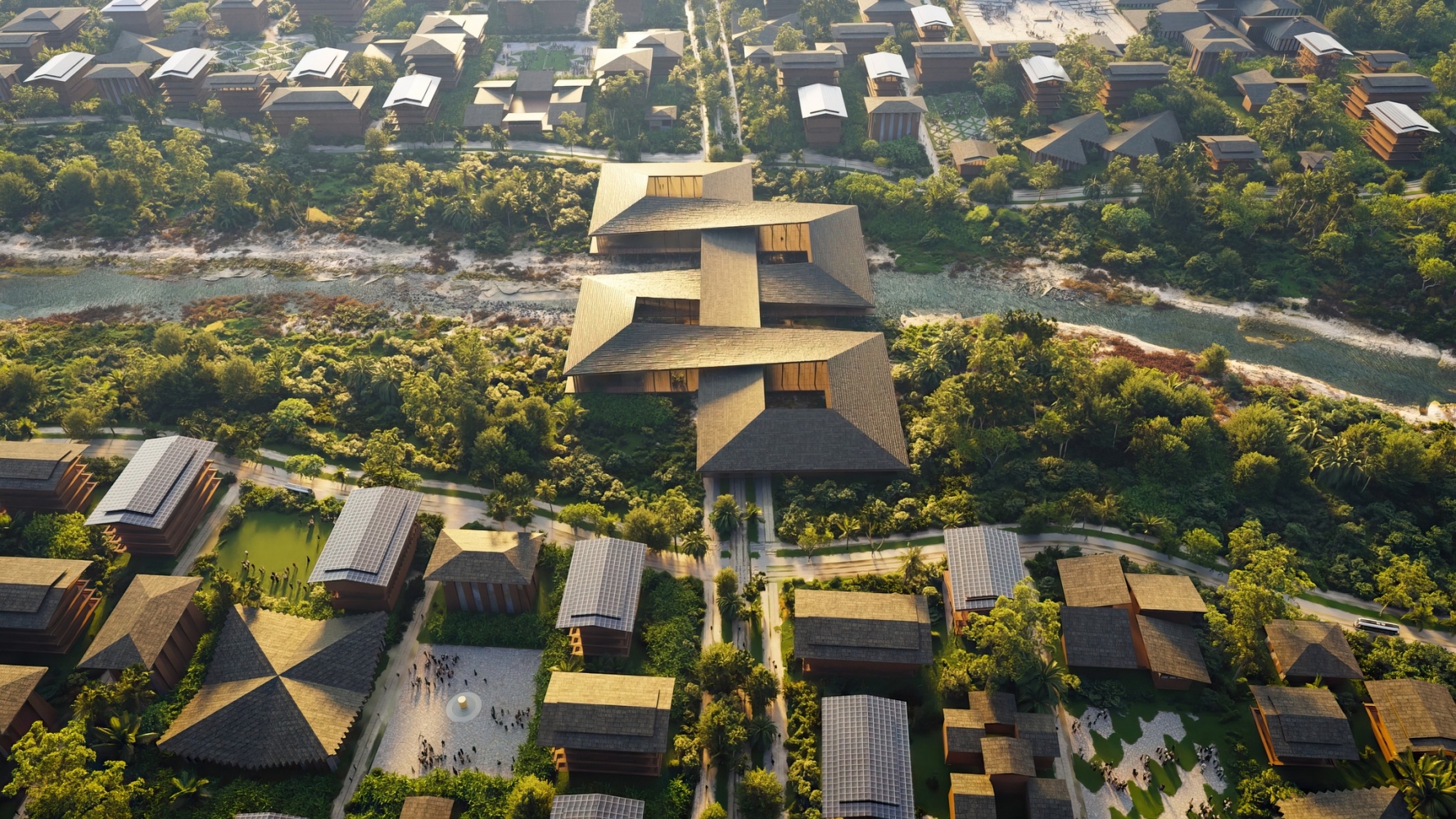
On 17 December 2023, Bhutan’s King Jigme Khesar Namgyel Wangchuck announced the setting up of the Gelephu Mindfulness City (GMC) to be an international hub focused on energy, connectivity and skills for the 21st century.
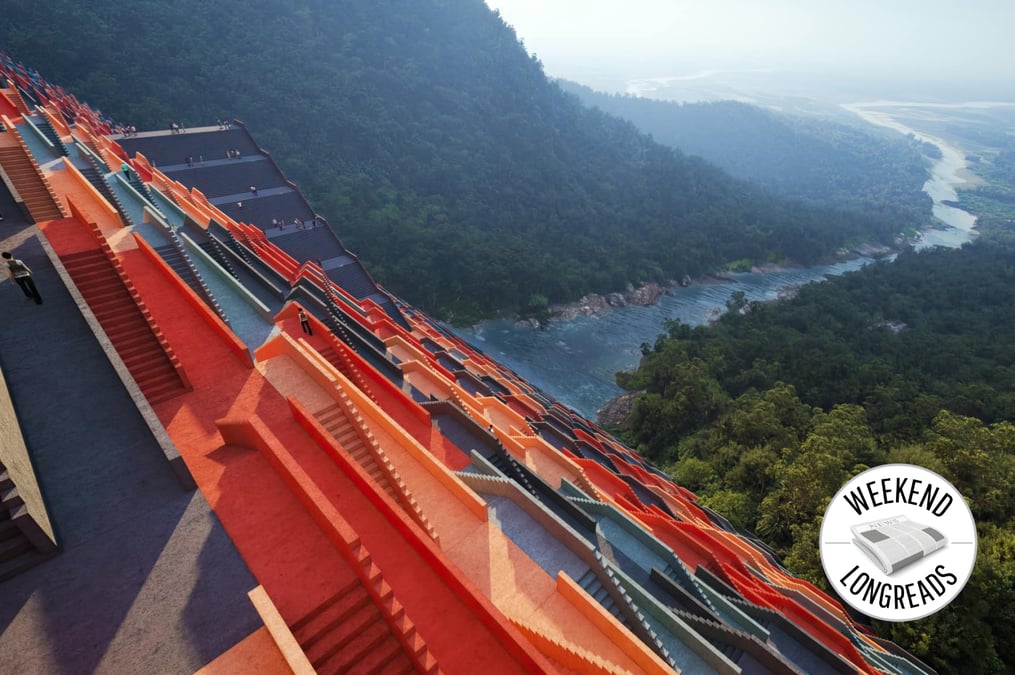
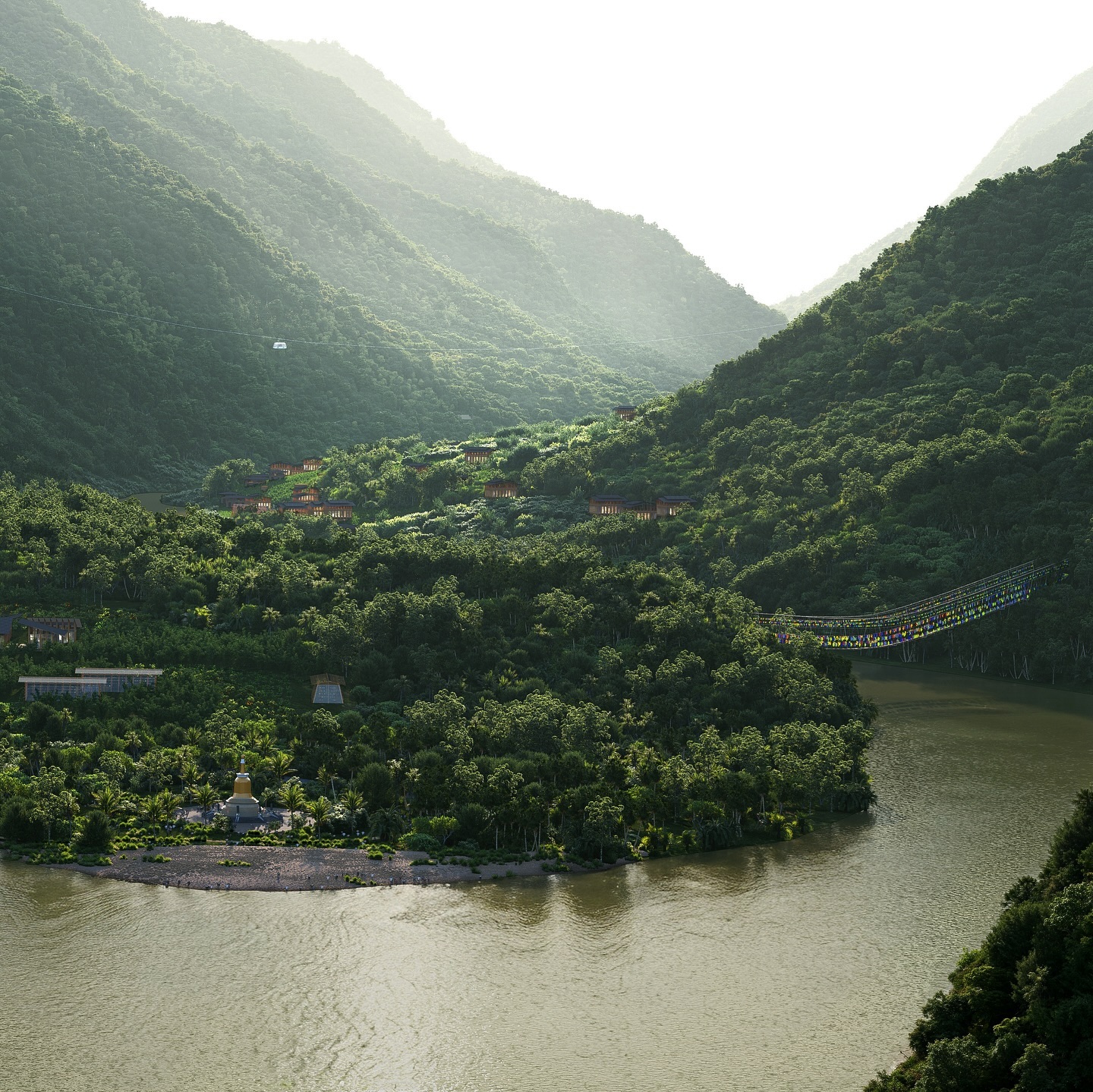
The city will be a 2,500 sq km Special Administrative Region to take advantage of Bhutan’s clean energy to power an information technology corridor with AI data centres. It will try to replicate Singapore in a city three times larger, with its own hydropower plants generating 5,000MW.
“Gelephu will become a gateway connecting Bhutan to the world and the future,” the King said. “The road we have chosen is a gateway to the world – to markets, capital, new ideas, knowledge, and technology towards our future, and to chart our destiny.”
The rapid spread of energy-intensive generative AI applications have prompted technology companies to scout for clean energy sources to power their data centres. Some like Amazon and Google are even building their own small nuclear power plants.
“Investing in green energy with our hydro potential of over 35,000MW is a priority and the strategy on AI data centres are an important anchor industry,” says Ujjwal Deep Dahal of Druk Holdings and Investment.
Bhutan’s Finance Minister Lyonpo Lekey Dorji told visiting editors here earlier this month that energy cooperation under the South Asian Association for Regional Cooperation (SAARC) and the South Asia Free Trade Agreement (SAFTA) were going nowhere, and a new framework was needed.