1. Oxygen
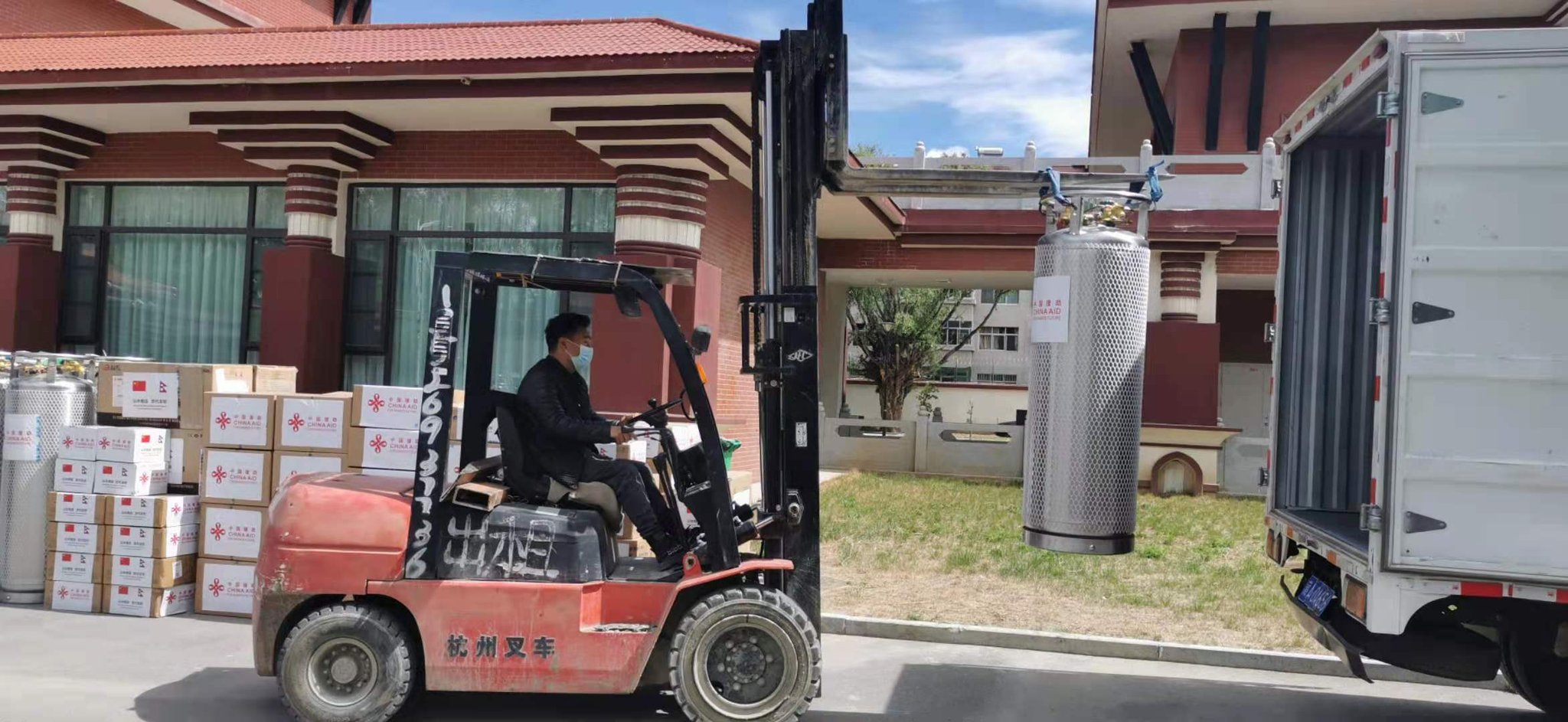
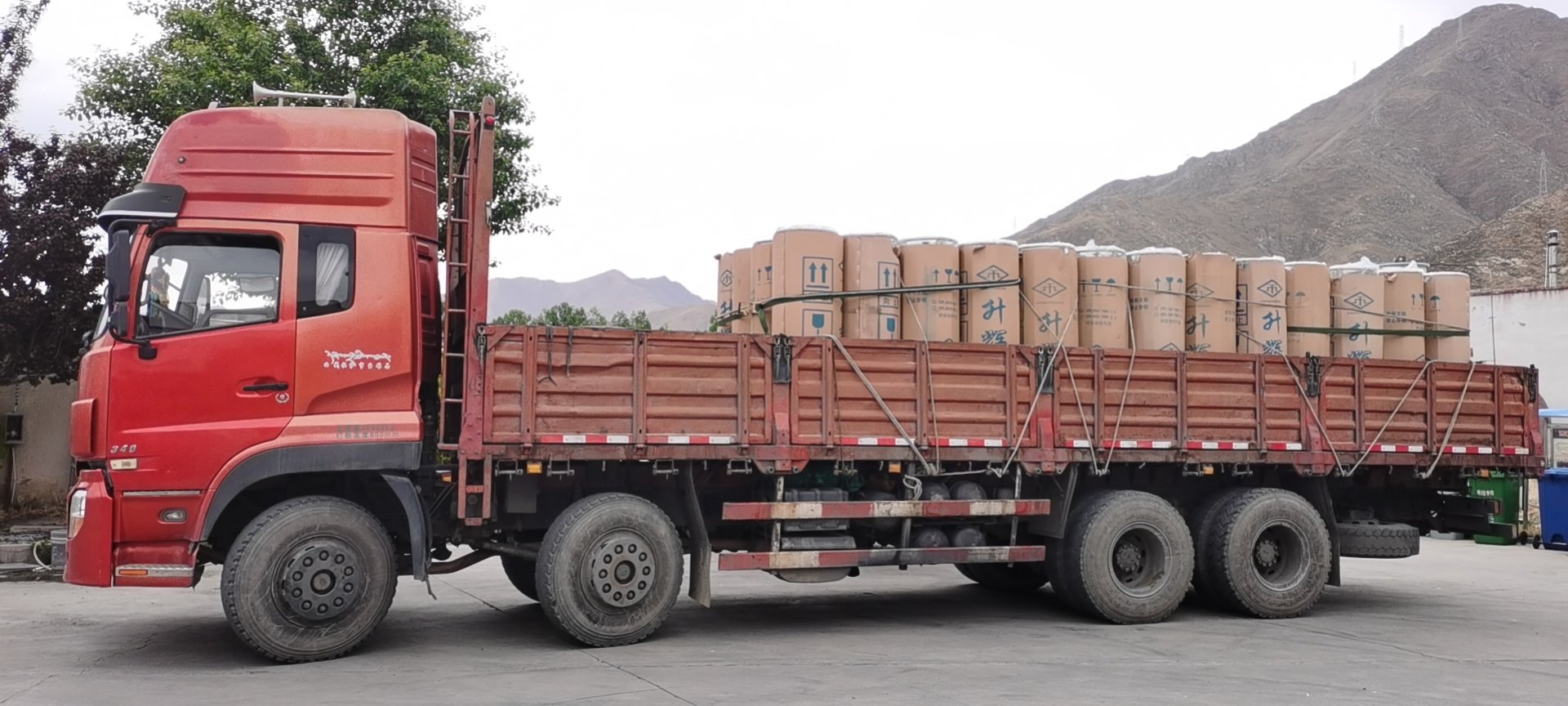
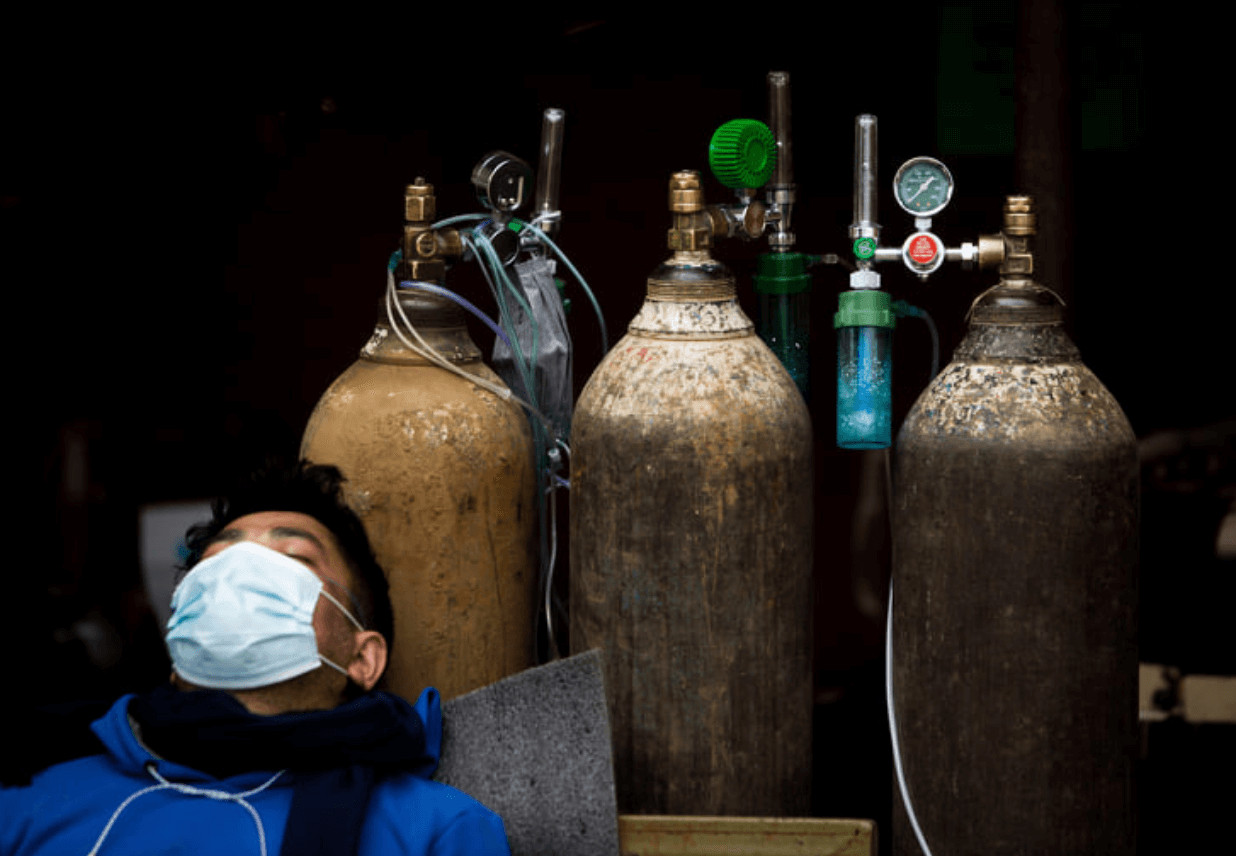
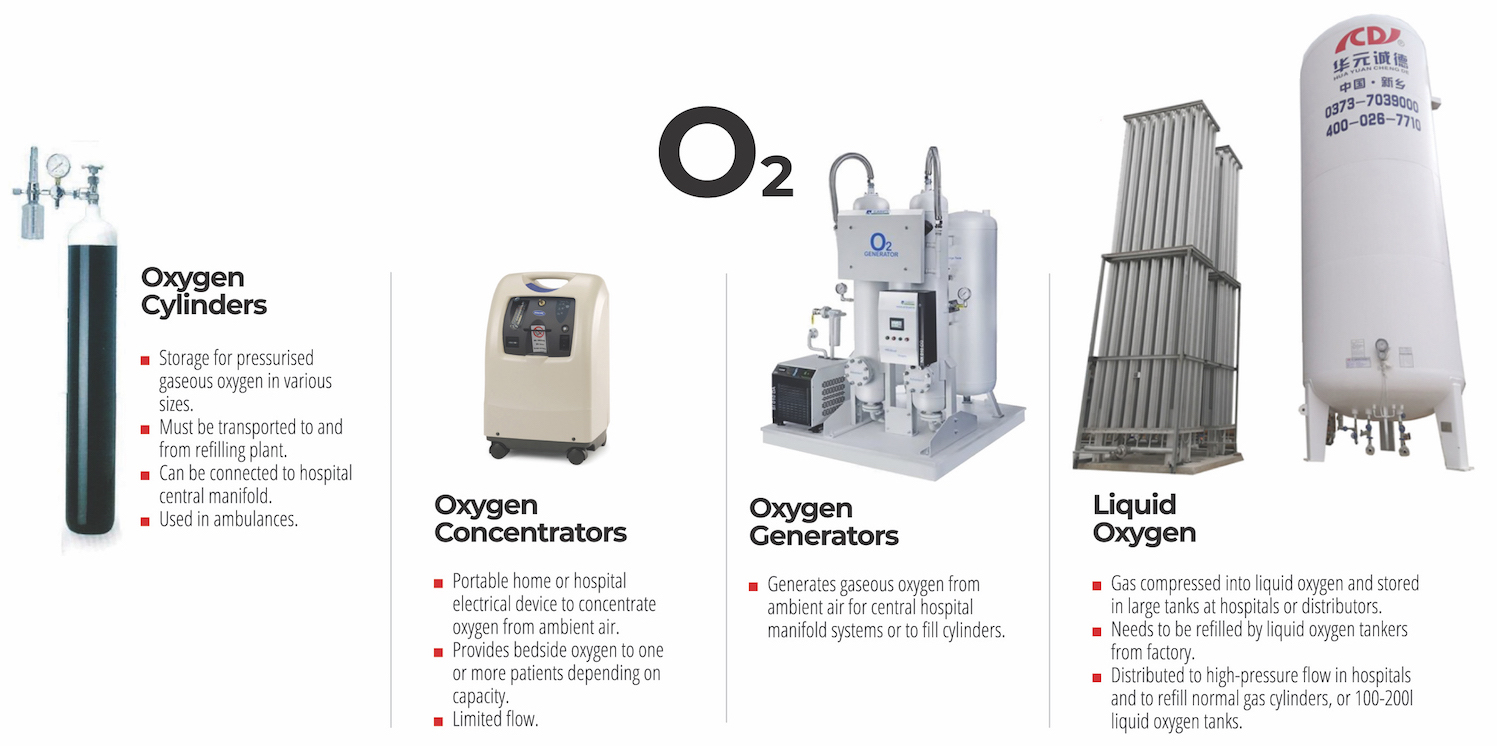
To save lives, Nepal’s most urgent need now is oxygen. Not just cylinders, but oxygen generators, concentrators and liquid oxygen. Most infected people are not succumbing to Covid-19, they are dying because of low oxygen saturation in the blood, and lack of hospital beds -- patients who need not have died of coronavirus.
Dire as the situation is in the cities, Nepal’s pandemic has now infiltrated the remotest villages where there is no hospital care and no oxygen. The virus is preying on people already suffering malnutrition, previous ailments, and decades of structural state neglect.
In Rolpa, Humla and other remote districts, between 80-90% of PCR tests are coming back positive, and it takes a week to get results. Patients are either not isolating, or not following precautions.
Kathmandu's doctor-to-patient ratio is 1:850, but in rural Nepal it is one doctor for every 15,000 people, and hospitals and medical staff there are already overstretched.
Close to 60% of all swabs collected nationwide are from Bagmati Province, with nearly half of them in Kathmandu Valley, says epidemiologist Lhamu Yangchen Sherpa.
She adds: “There just aren’t enough tests and contact tracing is minimal, official total cases and fatalities are grossly underestimated.”
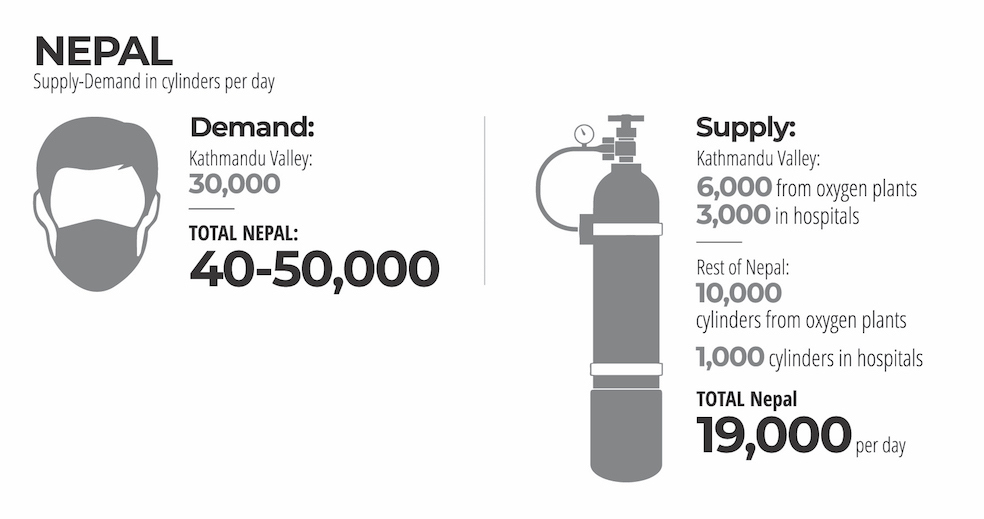
Hospitals in Kathmandu Valley with roof helipads have multiple daily rescue flights, but even these facilities are at breaking point with patients being turned away. Understaffed and under-equipped hospitals in the districts do not stand a chance.
Even where hospitals exist, many families avoid them for fear of being infected and take wrong medication from pharmacies.
Case in point are recent deaths due to misdiagnosis across the country. Typhoid disease simulates Covid-19 with similar symptoms, and the widespread Widal test is known to give false positives.
“Covid patients are being prescribed antibiotics to fight typhoid, only to turn critically ill in a few days’ time,” says Buddha Basnyat of Patan Academy of Health Sciences. “This is the reason behind some of the latest Covid fatalities.”
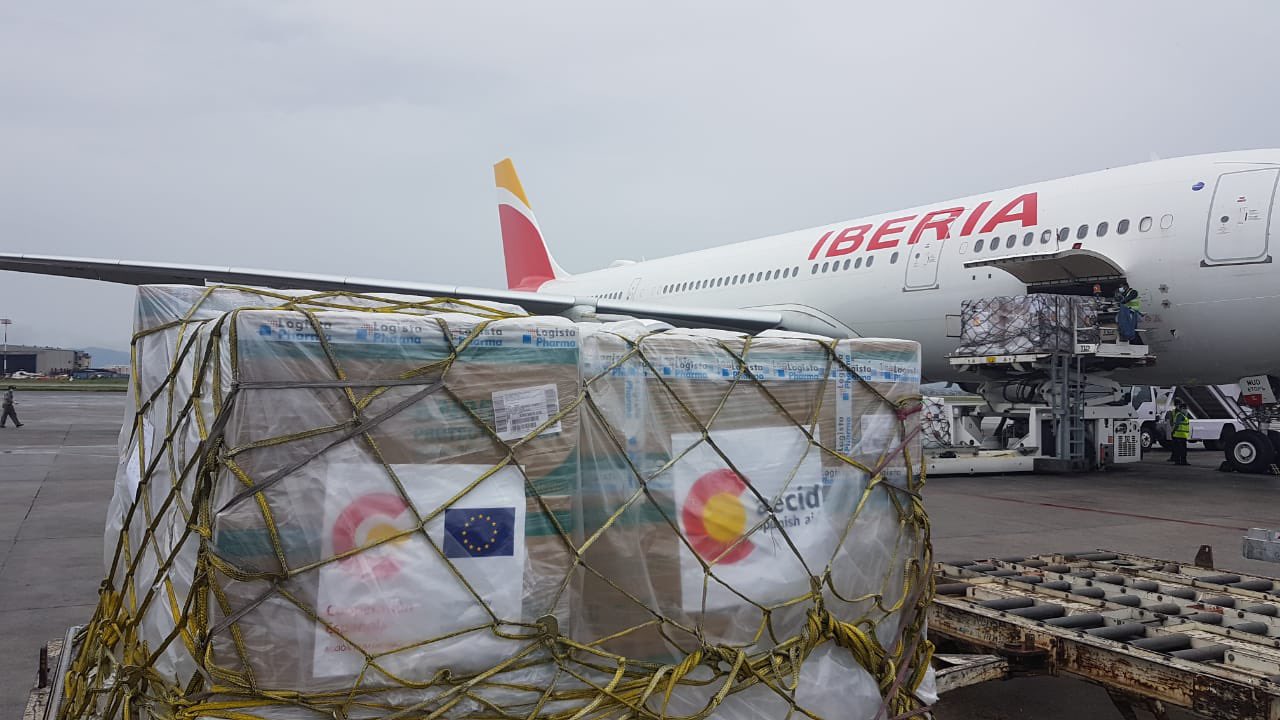
As in India, Nepal is beginning to see a slight bending of the curve for new infections, but health experts expect the fatality rate to remain high for some more time.
There were 190 Covid deaths in the past 24 hours and 6,543 recoveries. Of the total 8,305 new cases on Thursday, Kathmandu Valley accounts for 3,232 infections. 7,814 people are undergoing treatment in hospitals with 1,748 in ICU and 492 in ventilator support.
“After the relentless patient pressure of the past month, we have seen a decline in those requiring admissions,” says virologist at Teku hospital Sher Bahadur Pun. “The virus has now infected a majority of people in the cities, and this combined with the lockdown means we may be getting to the halfway mark of the second wave.”
2. Vaccines
A prolonged lockdown is not the answer. If it was, the reduction in the number of cases and the positivity rate this week would have been steeper. Even while the government tries to increase oxygen supply to hospitals, the only long-term strategy is to vaccinate at least 70% of Nepal’s eligible population.
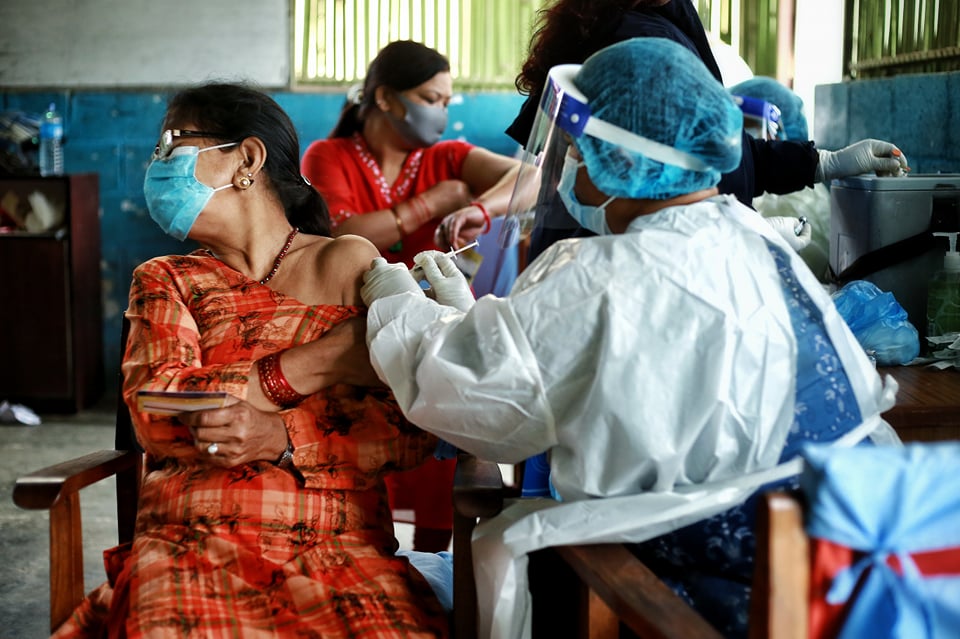
Doctors report a marked difference between the recovery of people who are vaccinated against those who are not. Says virologist Pun at Teku Hospital: “Except for a few rare cases, all patients in critical condition and those dying are the ones who for one reason or another had not been vaccinated.”