

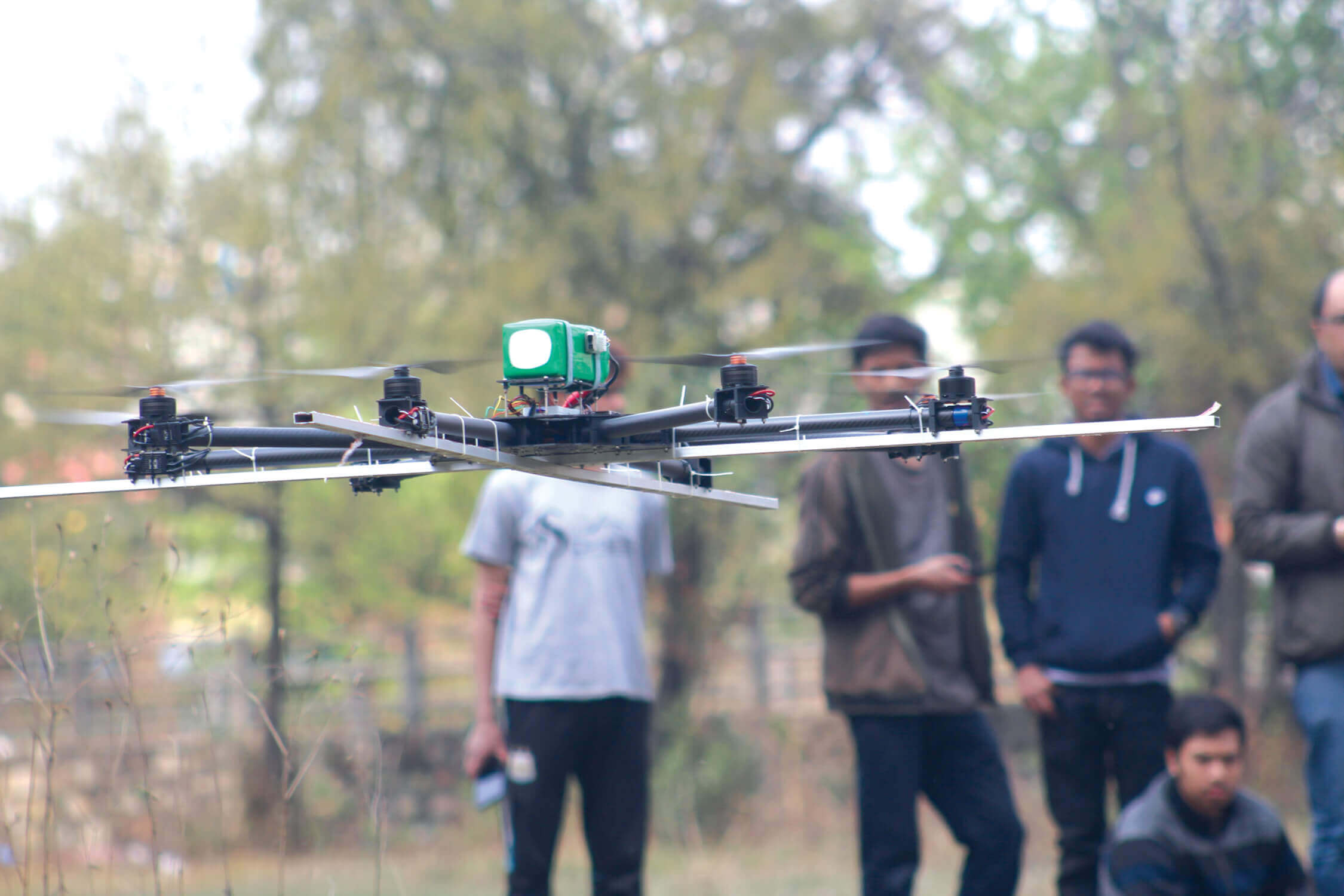
There has been a dramatic shift in the way young Nepalis think and generate ideas to bring about social change. Some have built robots that can operate in Nepali and help the differently-abled to live comfortable lives. Others are tinkering with artificial intelligence to improve the quality of health care or education.
Funding for these ideas is currently limited to prize money and support from family. Nepal needs more risk-taking, high return-seeking, incubation investors and a venture capital culture. This will require individuals who recognise that the ideas and the people who develop them are worth investing in, and are willing to take a calculated risk. They are people who know success will come with high returns.
Parents still want their children to focus on academics, get a stable job that pays a regular salary at the end of each month and eventually have grandchildren who will provide social security. Buying land in Kathmandu and building a house with a few extra rooms to generate rent is the priority for many. But there are signs these social trends are changing.
Many people may not be aware of the term ‘social entrepreneurship’ but are practising it in their careers. Young Nepalis are setting up recycling projects to help clean up the city, making garbage their business. Others are turning plastic waste into building materials for housing. Some are helping slum-dwelling children to stay in school.
The problem with these ideas is finding sources of funding beyond the initial grant, and how to scale the impact in a country that is used to getting things for free. Motivated youth struggle with policy, laws, finance and technology transfer, and this is where mentors can help. Mahabir Pun’s National Innovation Centre could be one of the catalysts to help the community understand the value of these new ideas.