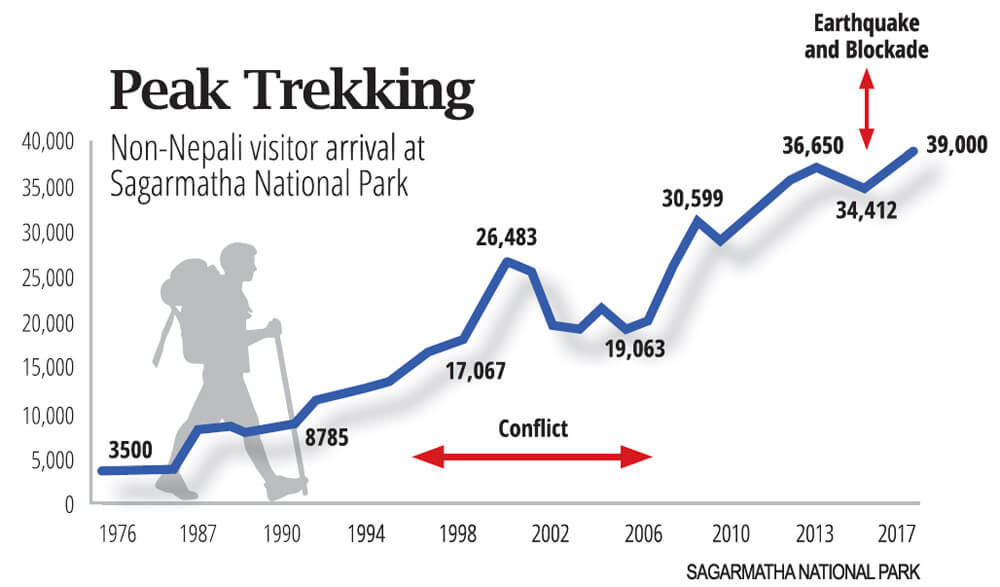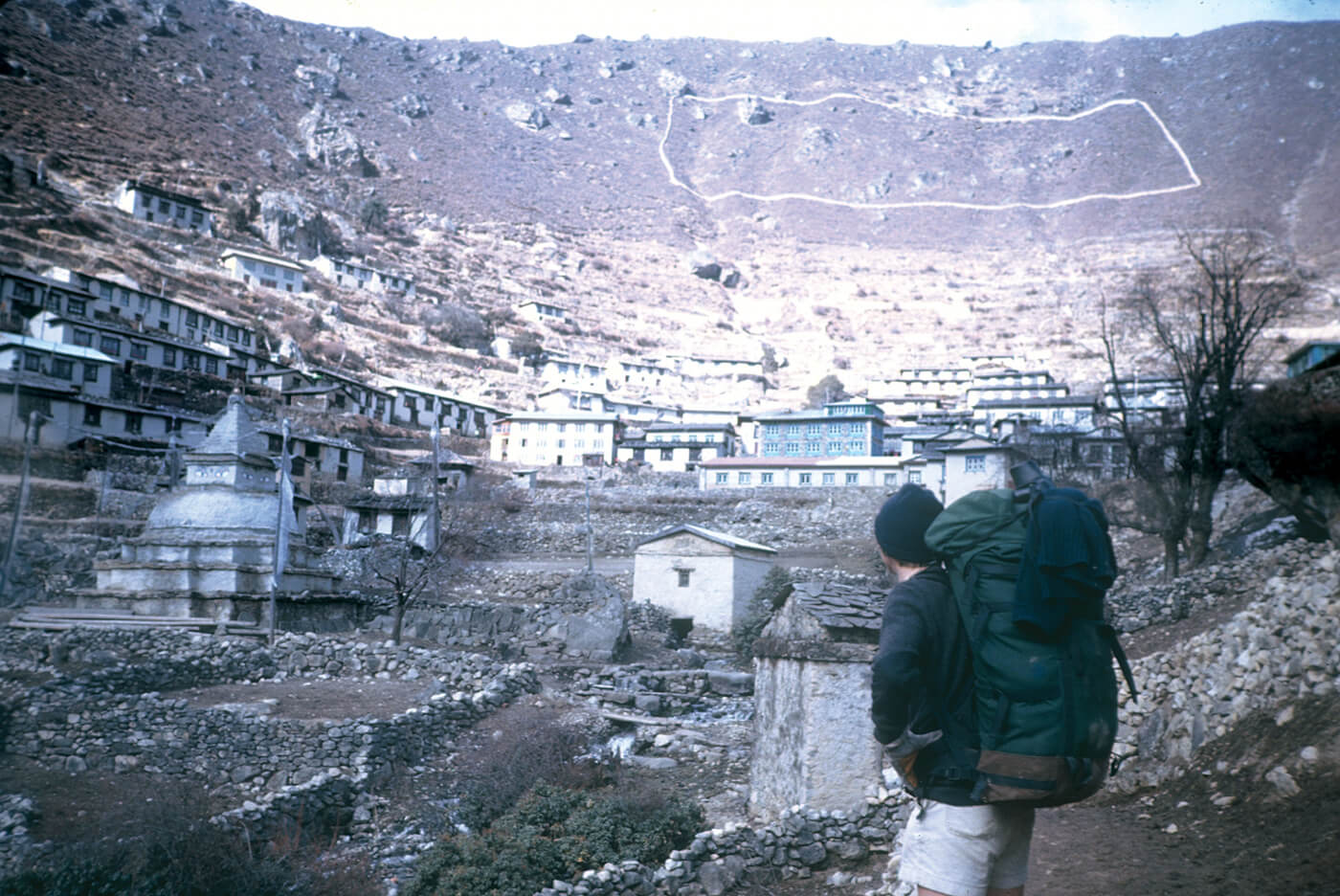
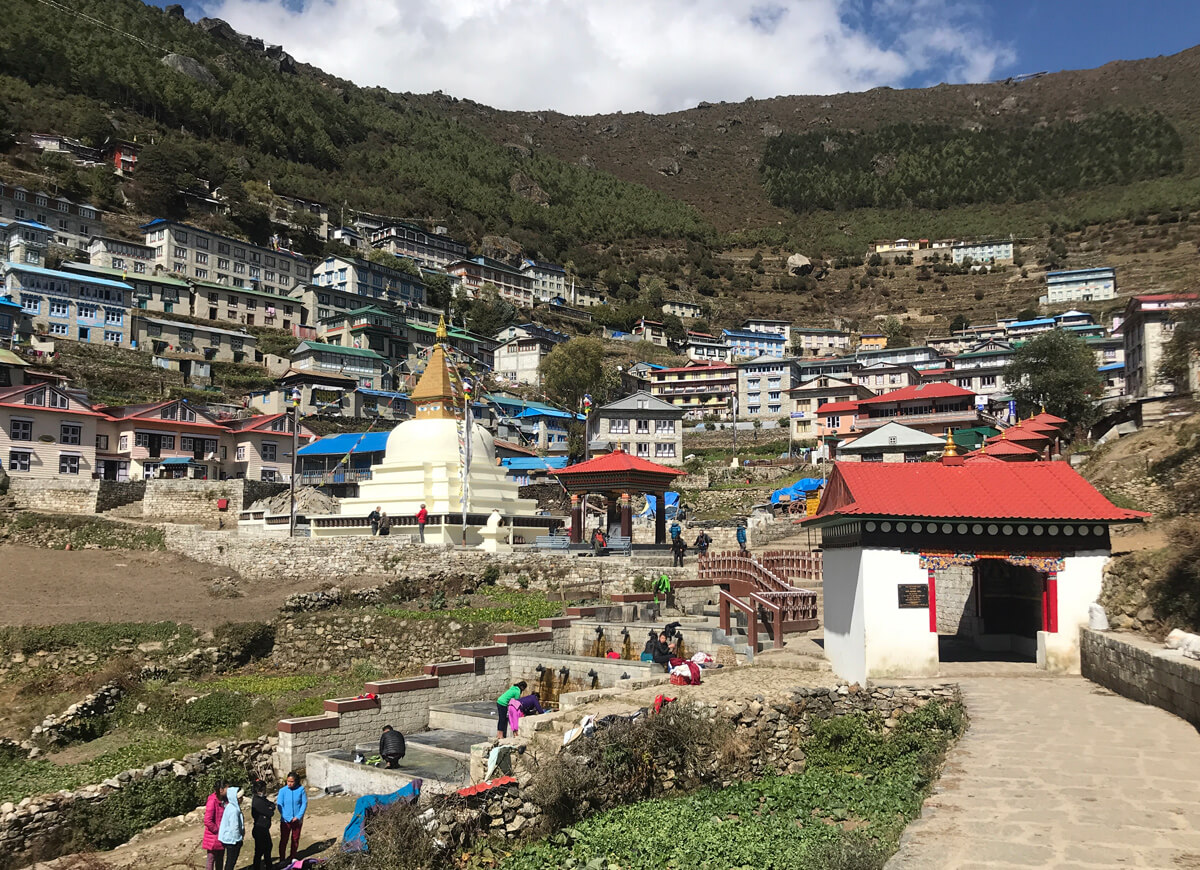
The sound of yak steps on cobble stone streets and their jingling bells in Namche Bazar were familiar sounds. What was less familiar 35 years later was the constant clatter of helicopters overhead. This contrast between old and new was an ever-present theme during a recent trip to the Khumbu — a return journey to the region after my first visit in 1983.
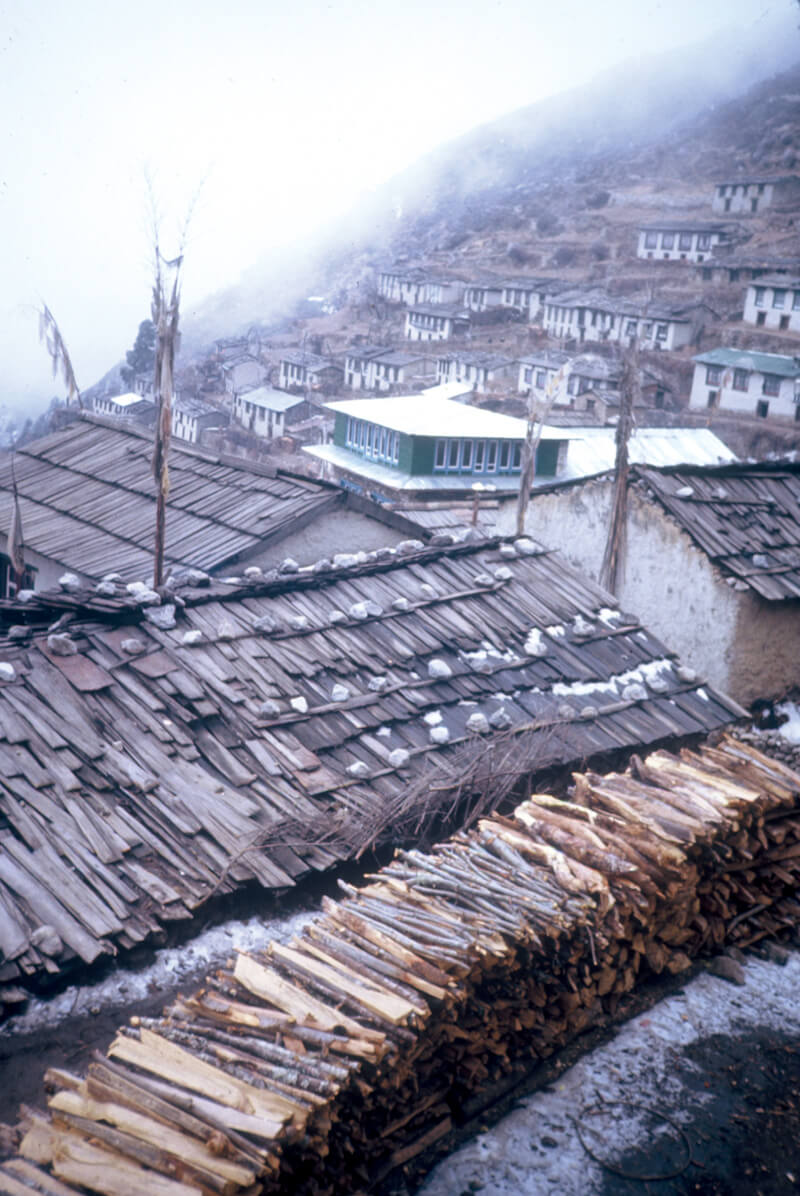
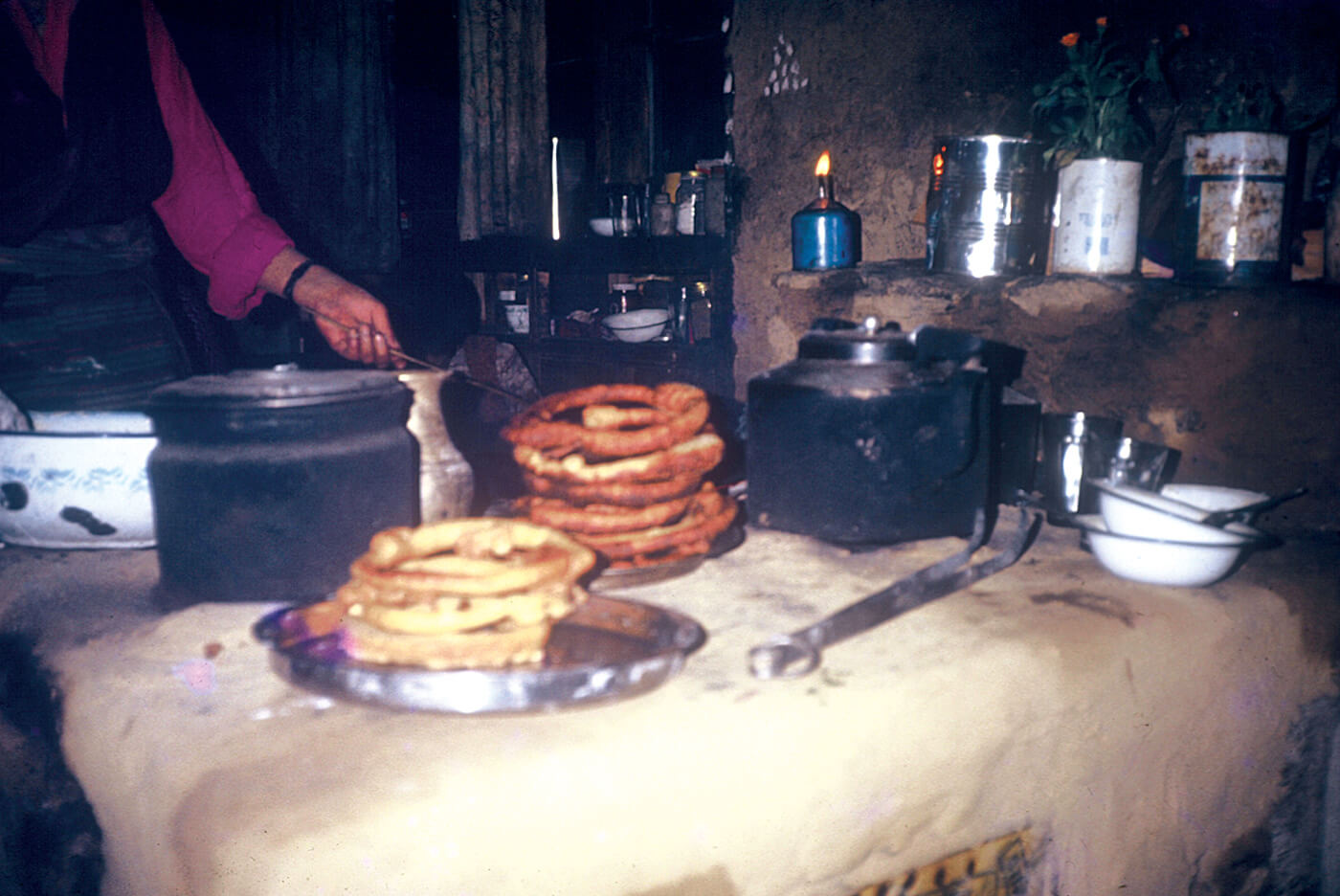
There are many more trekkers, and new hotels to accommodate them. The Everest Base Camp trek remains the main attraction with guides and porters carrying gear for primarily European and American visitors. I had come here in 1983 to study the overuse of firewood, and the resulting deforestation. I lived with a Sherpa family that ran a small trekking lodge in Namche, and firewood was their main source of energy for cooking and heating. Without proper chimneys, smoke filled the living spaces and exposed residents, especially children, to respiratory problems.
The chief warden of the Sagarmatha National Park then was Mingma Norbu Sherpa, one of Nepal’s Conservation Heroes who died in 2006 in the helicopter crash in Ghunsa. He took the leadership to protect the forests, and Brot Coburn, a UNESCO consultant, helped build the first micro-hydroelectric plant below Namche that provided electricity for lighting and some cooking 16 hours a day.
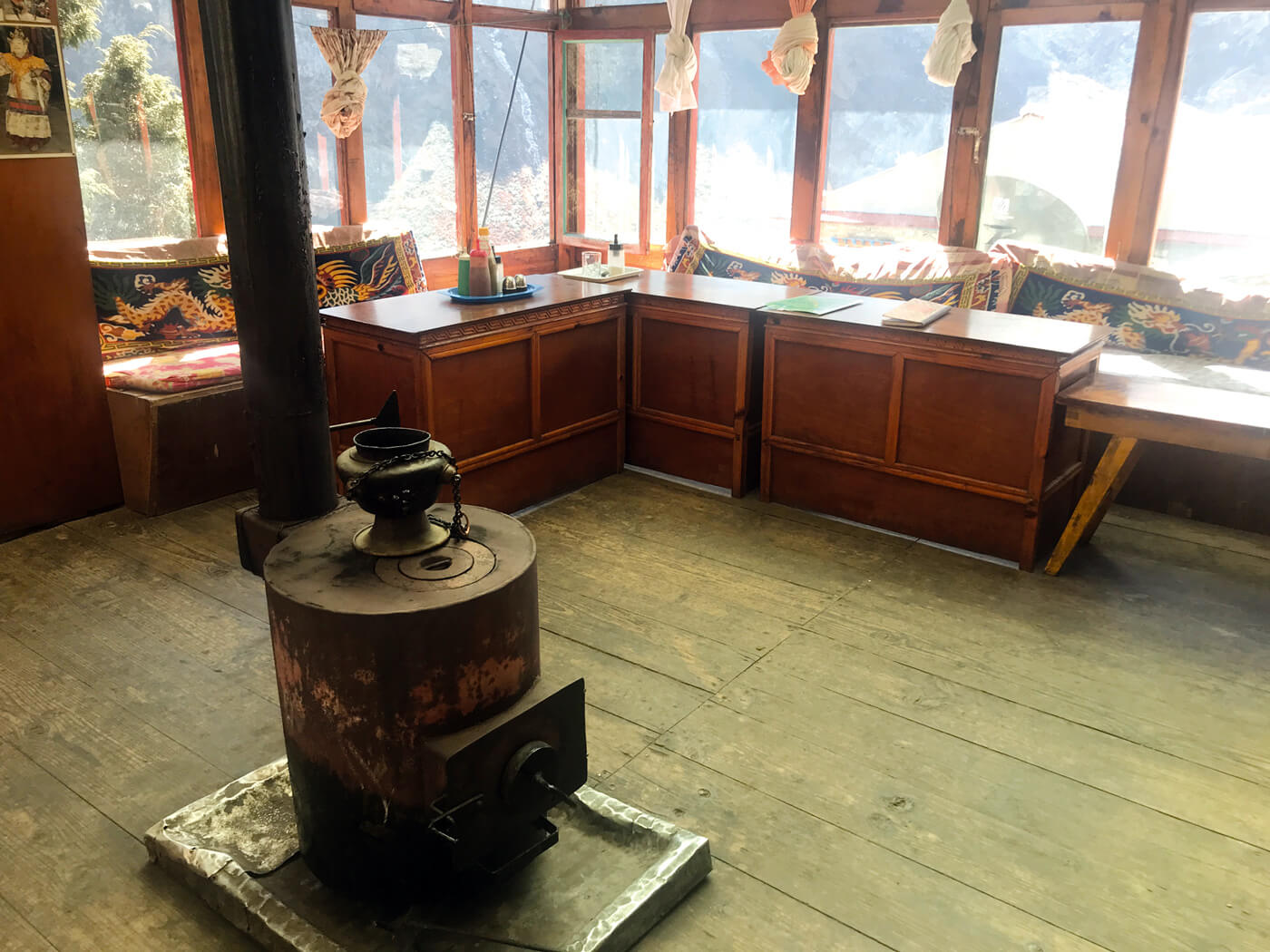
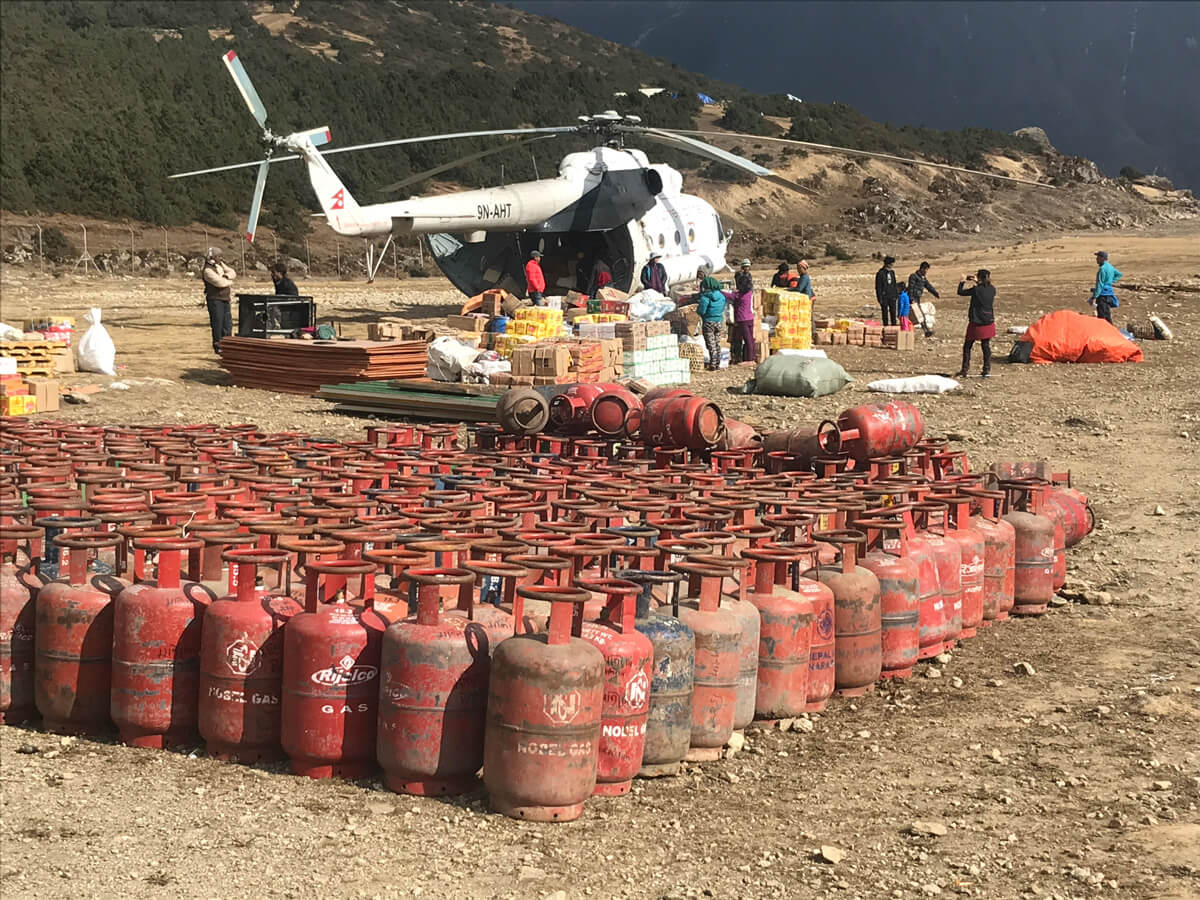
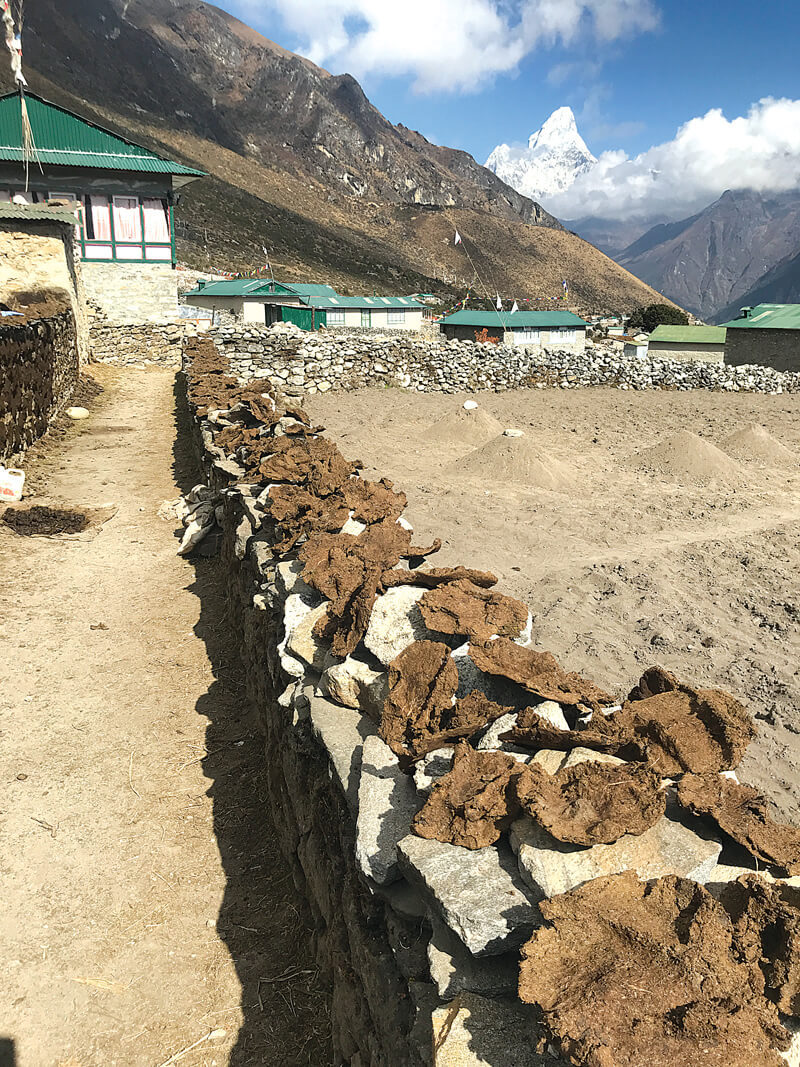
The favourable energy shift towards forest protection and electricity picked up momentum from the late 1990s with the introduction of metal stoves that used yak dung for heating. At the same time, LPG cylinders started appearing for home cooking. Local hydro capacity was expanded for more sustained use in lighting and electrical appliances.
Thirty-five years later, there has been dramatic re-growth of forests. Areas above Namche that were virtually barren in 1983 now have tall pine forests. Trails from Namche to Phortse and Thame have robust stands of diverse tree species. Firewood use is much reduced due to the high cost of local labour to collect it, and because propane is a cheaper fuel source. Reductions in livestock herding and the success of community forestry have helped revive ecosystems.