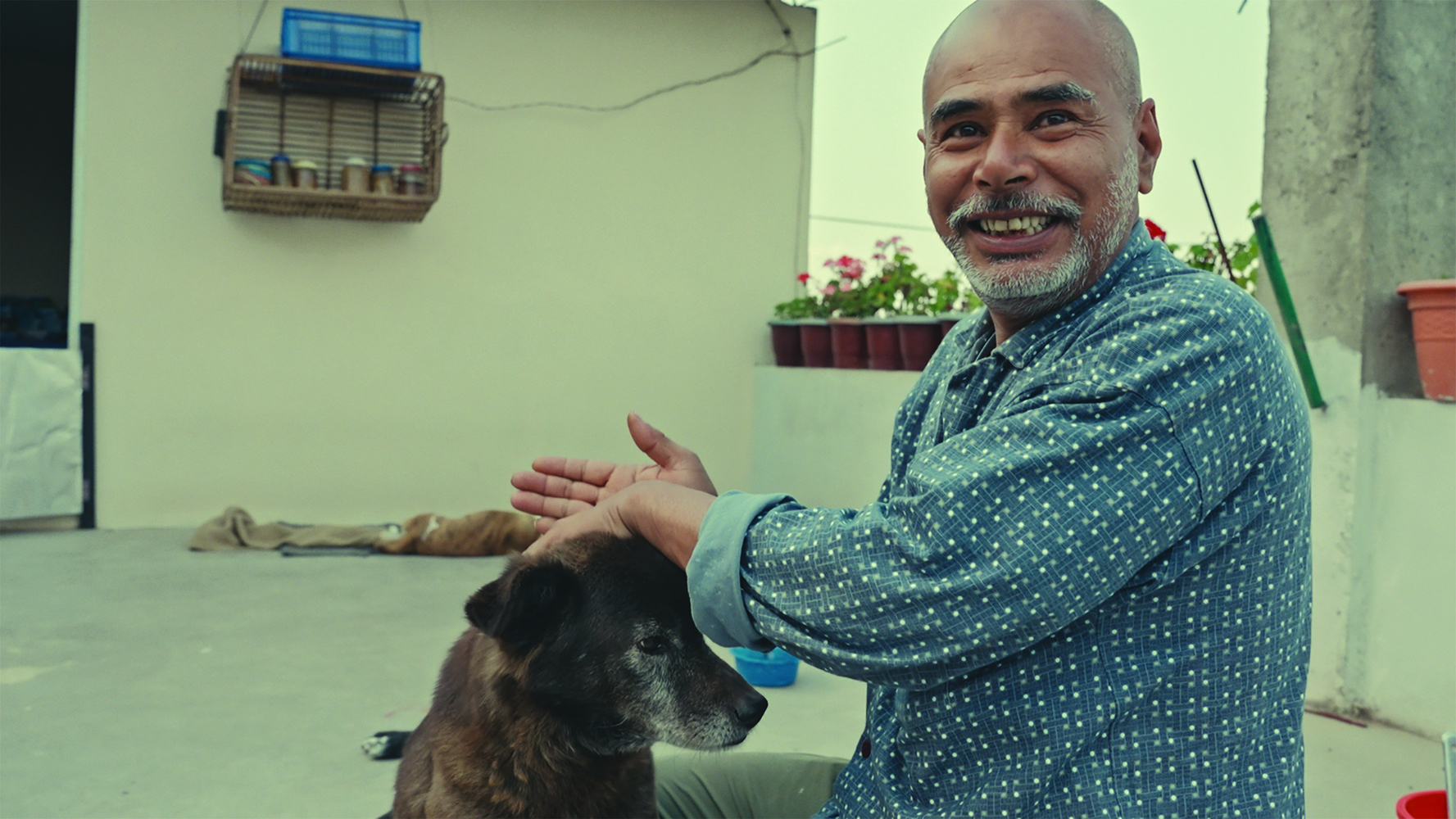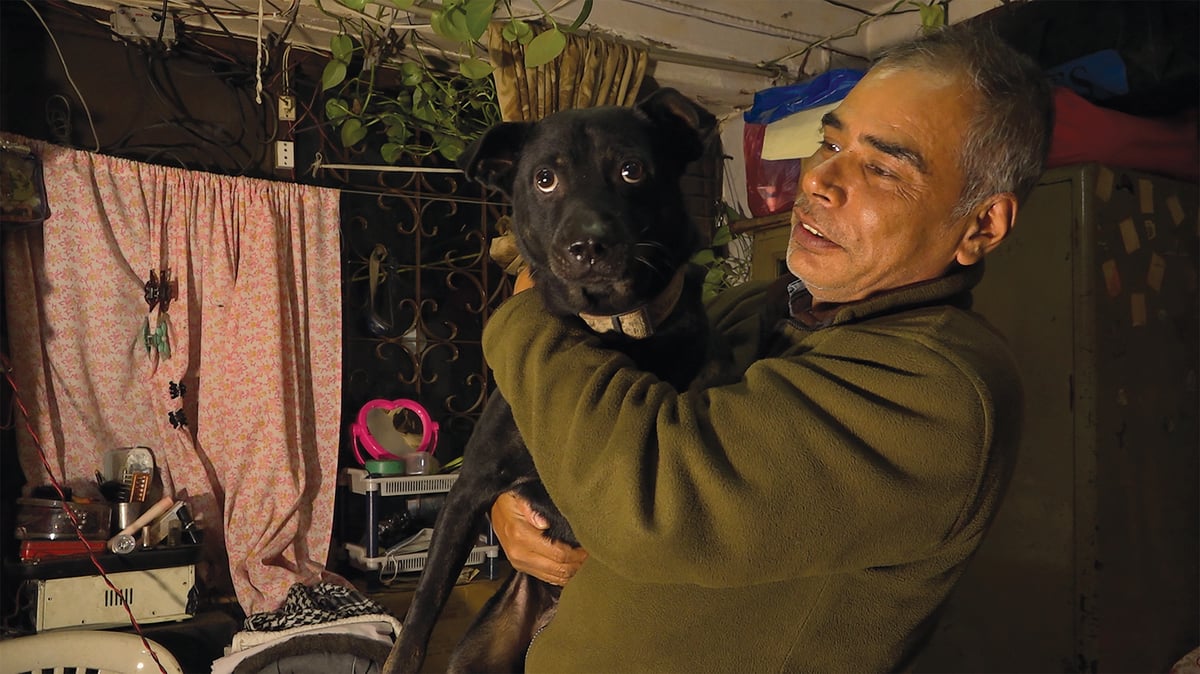
Every morning at dawn, Nashir Khan wakes up to the ruckus of dogs he shelters at his home in Chobhar, all hankering to be fed.
As he goes about his day, providing meals for countless community dogs across Kathmandu, he will likely make some ruckus of his own, outraged by those who mistreat the animals.
Khan’s dedication to the wellbeing of Kathmandu’s dogs spans many years, administering medicine, taking them to the vet, advocacy through radio, and confrontation with those abusing dogs.
Khan has been engaged in charity work most of his life, beginning at age 7 carrying food to imprisoned or hospitalised members of his community.
“I don’t think about what I might gain. I don’t even like the word ‘gain’,” he tells us.
He was drawn to the plight of dogs after he started caring for a dog a neighbour had neglected. That was where his lifelong commitment to dog care began.
Read also: Kalle’s cross-continental journey, Nepali Times
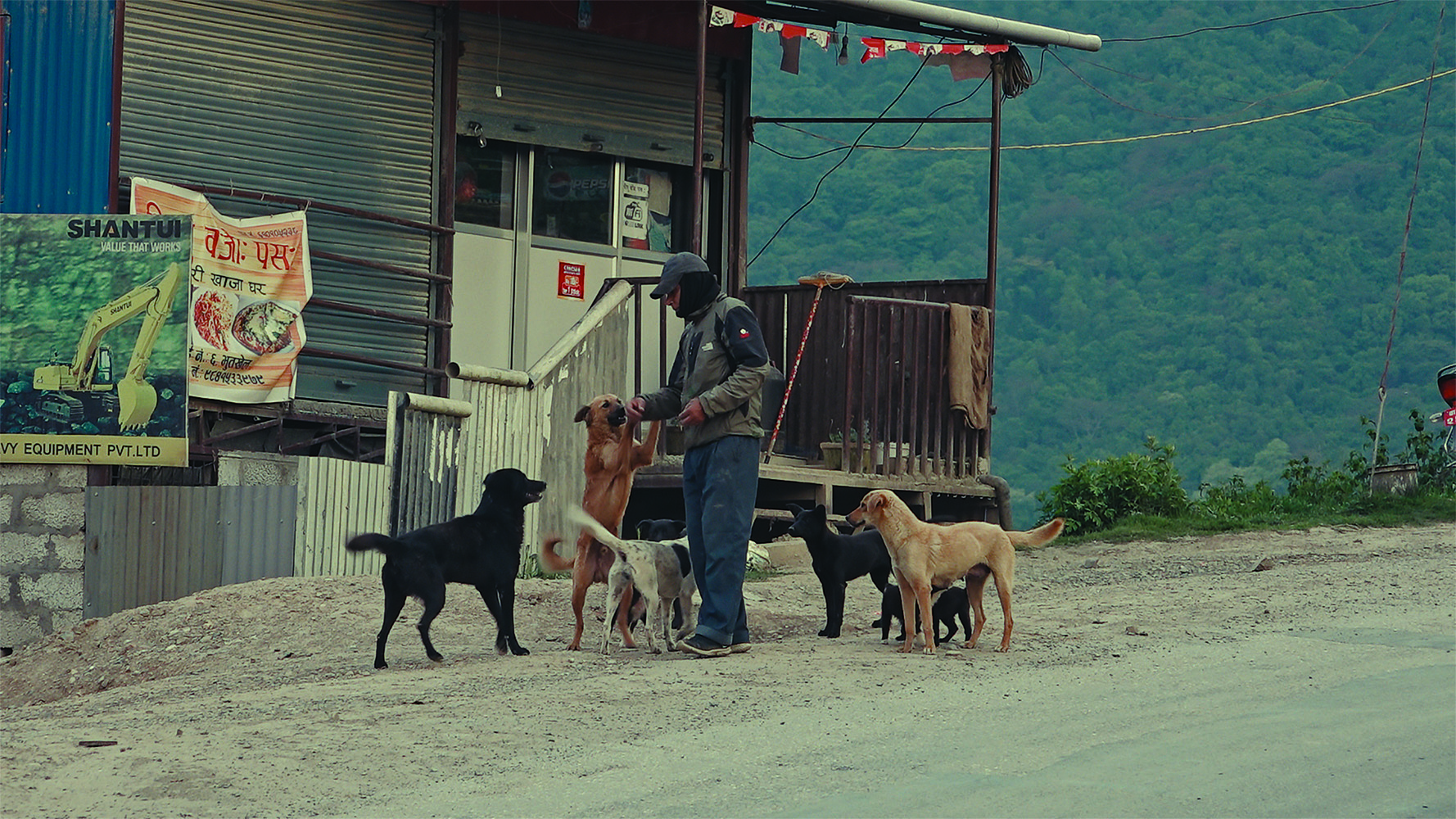
“More than people, dogs have many hardships,” he explains. “I needed to help them.”
Although city residents are increasingly accommodating of pets, the same affection is not afforded to street dogs who face much mistreatment and neglect, including from local governments which have used poison to control the stray population.
However, the growth of dog-care organisations and social media attention has promoted more humane methods like neutering. The Kathmandu Metropolitan City funded Manumitra project began in 2016, focusing on community awareness and population control.
While official records indicate declining numbers and healthier dogs, animal organisations are skeptical.
Sneha Shrestha of the Federation for Animal Welfare Nepal, says that the street dog population exceeds 100,000. “On World Rabies Day there are programs publicising vaccination of 40 or 50 dogs, but after that there is very little done,” adds Shrestha who works with a network of street dog organisations.
Read also: Kathmandu’s street-smart dogs, Sonia Awale

Despite increased advocacy and awareness, the perception of menacing, unclean creatures persists. Between 2022-23 the Epidemiology and Disease Control Division reported 106,993 dog bites, the majority in Kathmandu.