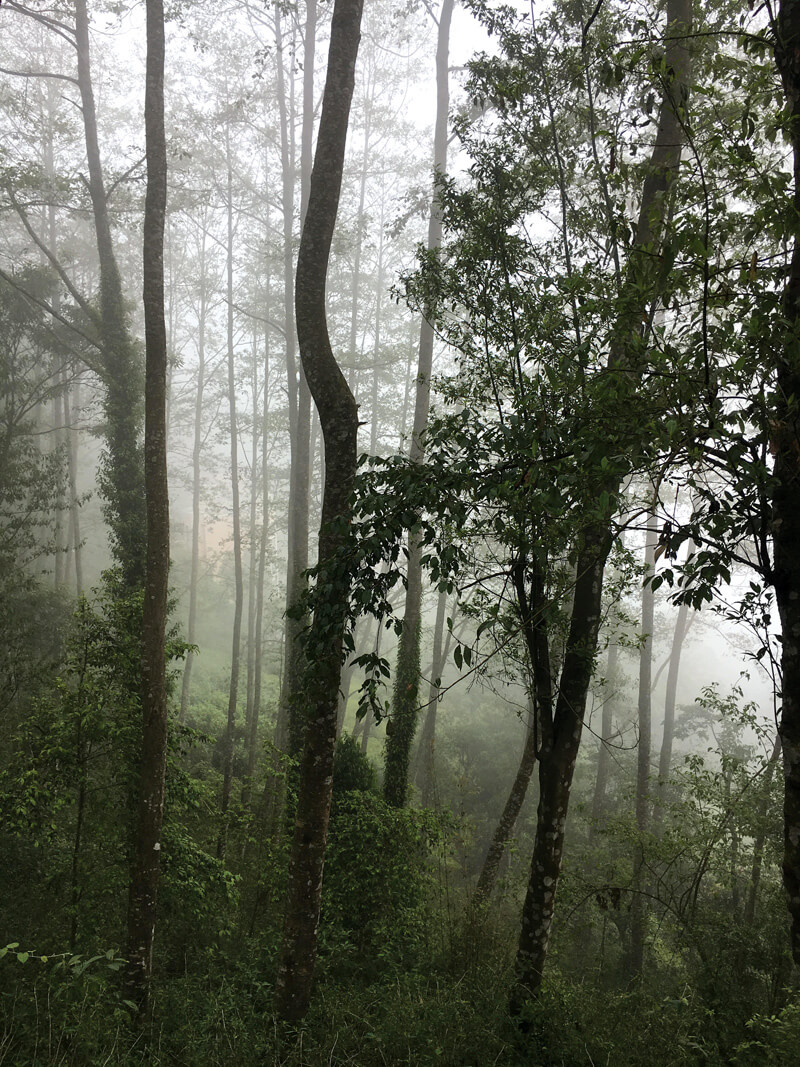
Across the world, human societies are suffering a growing nature deficit. The march of consumerism and economic globalisation has come at an enormous cost to the local and global environment. Much of the change is irreversible on a civilisational timescale: rivers destroyed by dams, landscapes mutilated, a cascade of extinctions and climate collapse.
Nature is valueless, it cannot have a price tag. Our culture and religion regards nature as sacred. Nature matters to us because of its emotional value, and the health benefits of being amidst it cannot be measured in dollars and cents.
But modern economics puts a monetary value to nature. It can be bought and sold without factoring in its intrinsic value. We are not required to calculate the cost of its destruction when evaluating its worth. An Environmental Impact Assessment of a project tries to calculate the impact to nature of infrastructure or development projects. There are attempts to post a cash value to ‘natural capital’ and ‘ecosystem services’, but these are narrow attempts to measure something immeasurable and priceless.
The crisis of the anthropocene is rooted in governments, businesses and sections of the public regarding nature as free and limitless. This is why native forests have been logged until there is nothing left, smoke and emissions are pumped into the air and filled with toxins, river beds are mined, and the earth is warming because we are burning all this fossil carbon.
This issue of Nepali Times carries a Special Package on nature conservation in the Tarai national parks. The results of the tiger census this year showed the encouraging result that Nepal was the first country to attain the target of doubling its tiger population four years ahead of schedule. The number of tigers has jumped from 200 four years ago to 235, with most of the increase in Bardia National Park.
Read also:
It's a jungle out there, Kunda Dixit
Nature without borders, Sewa Bhattarai
Tigers had nearly disappeared in Bardia after the Nepal Army was pulled out of anti-poaching duty during the conflict. But numbers there have soared from 18 ten years ago to 87 today. This is a phenomenal achievement.
The reason tigers are important is because they are at the top of the food chain and protecting them protects everything else in the ecosystem. But as our stories on page 14-15 indicate, predator-prey imbalance can throw nature off kilter.
The problem in Bardia is that while the tiger population has increased, there has been a serious decline in prey density and this presents a danger to the new tigers. Predators then venture outside the park to attack livestock, thus weakening the villagers’ support for nature conservation.