
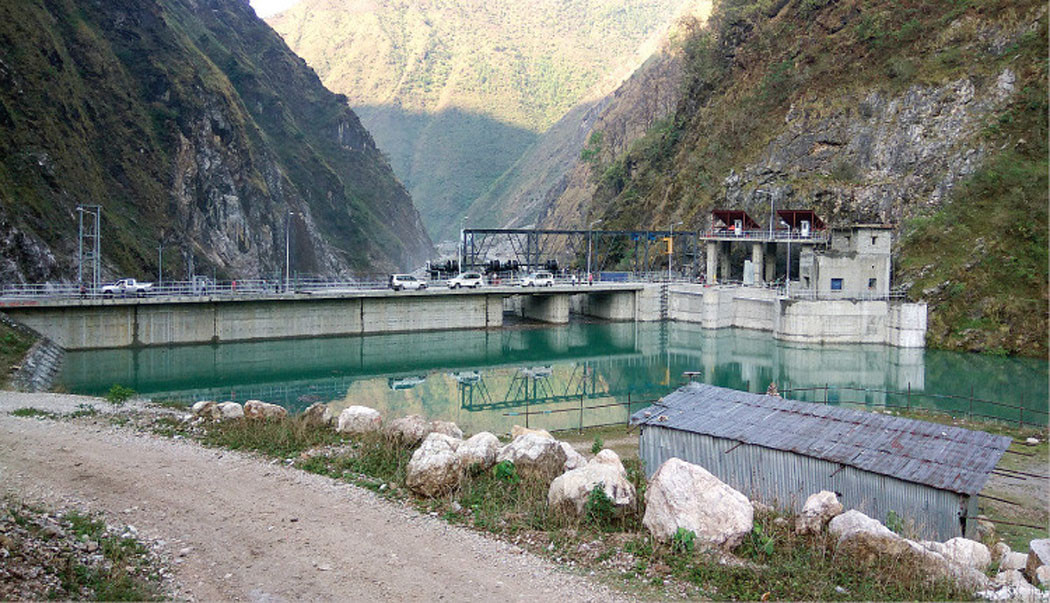
Already affected by years of construction delays, the expected increase in Nepal’s hydroelectricity generation capacity is now going to be delayed because of the COVID-19 crisis as well as heavy flooding. The lockdown has also lowered demand for electricity because of the closure of factories, reducing revenue for power producers.
Completion of 24 hydropower projects with a net output of 1,200MW is expected to be pushed back at least two years because of the lockdown. In addition, the half-complete Middle Bhotekosi (102MW) project site was seriously damaged by the 5 July flash flood in Jhambu of Sindhupalchok.
The high flood waters and sediment load also forced the Nepal Electricity Authority (NEA) and private operators to shut turbines this week. The Kali Gandaki A (144MW) was closed on 10 July, and generation was reduced by 500MW, forcing NEA to import electricity from India.
The cost of light, Om Astha Rai
“Aside from the bureaucratic and other delays in project initiation, the lockdown and floods have delayed projects that would have started within the coming year,” says Shailendra Guragain of the Independent Power Producers Nepal (IPPAN).
The Ministry of Energy says the losses from delays due to the lockdown to new projects in the past six months alone will amount to Rs13 billion, and even existing hydropower plants have not been able to operate because of the lack of maintenance, spare parts and transport of materials.
Longer term projects worth 300MW are also stuck at the financial closure stage because of the pandemic. Then there are other private sector projects totalling 18,000 megawatts which are awaiting a Power Purchase Agreements (PPA) that are entangled in bureaucracy.
Private sector hydropower projects were expected to increase generation capacity by 12% this year, and that is unlikely to happen. Meanwhile, the clock is ticking on bank interests for loan repayment even as work has stopped in many of the projects.
Private sector projects have borrowed Rs750 billion for ongoing construction of plants to generate up to 3,000MW all over Nepal. There is commitment from banks for another R300 billion worth of hydroprojects in the pipeline.
An energy windfall for Nepal?, Kushal Gurung
“These costs of construction will now rise by an additional 15-20%, so there will likely be no profit margin for private producers,” says Guragain.