
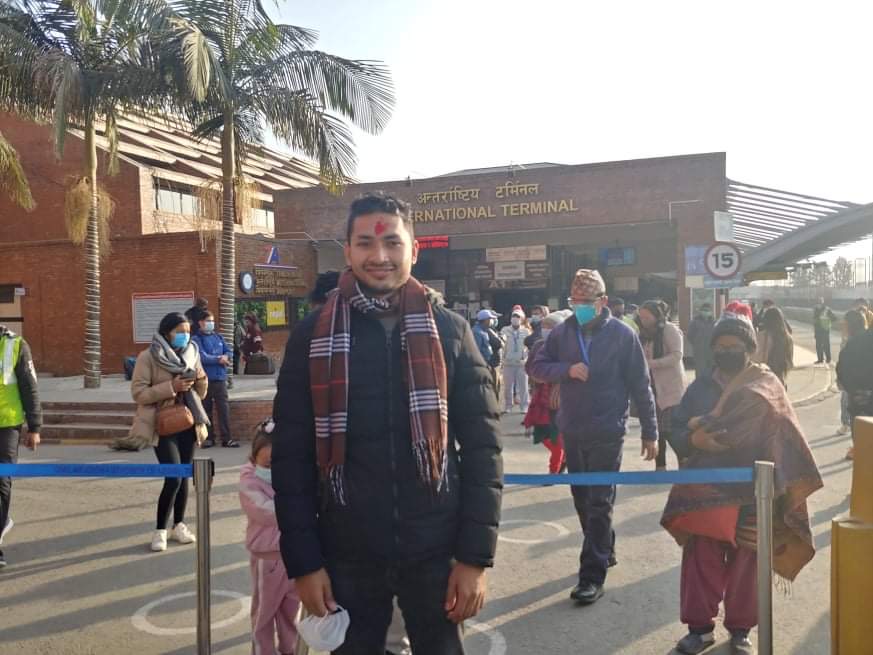
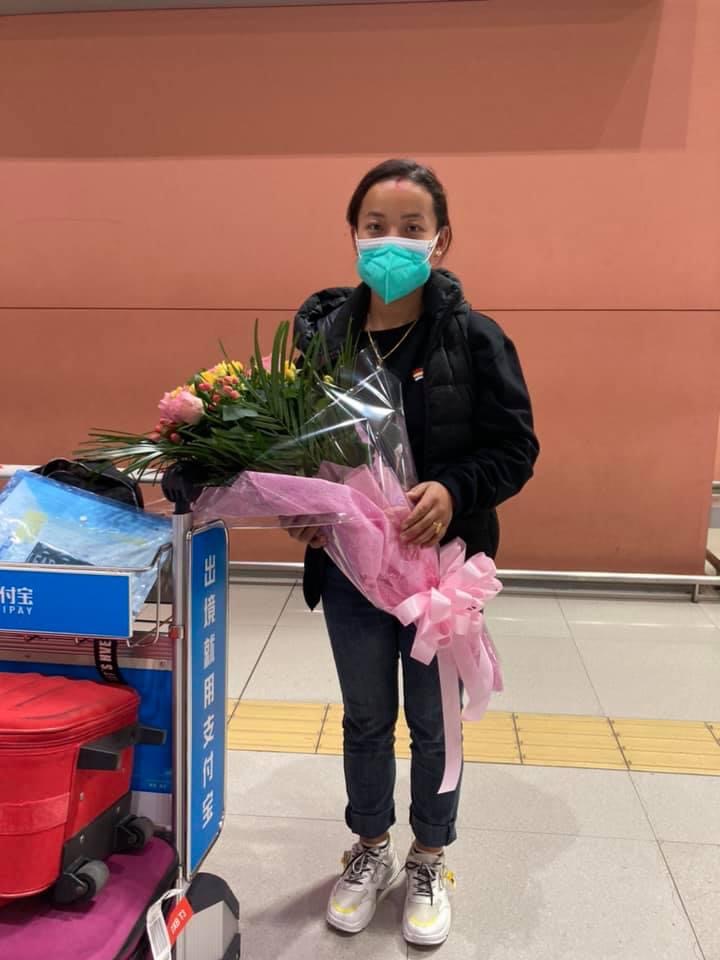
On 21 December 2020, Prakash Parajuli was waiting at the Tribhuvan International Airport to board his flight to Japan. He had secured necessary paperwork for his job there as a caregiver, and was in high spirits at the prospect of starting anew despite the pandemic.
Parajuli is employed under the Japan Government’s Specified Skilled Worker (SSW) residence status. “This is a result of a lot of hard work and patience. For many months, I focused entirely on studying for the Japanese language test,” Parajuli told Nepali Times before he boarded his plane.
After working in Qatar for two years as a cashier with a monthly income of around Rs40,000, he had come home and started looking for fresh migration opportunities. Now, he is set to earn around Rs145,000, excluding overtime and bonuses. “I plan to work very hard and hope to stay long-term in Japan,” he says.
In March 2019, the governments of Nepal and Japan signed a memorandum of cooperation for the SSW residence program. The SSW1 category of the program allows workers to remain in Japan for a maximum of five years, with workers ensured equality of treatment as well as the ability to change employers within the same sector. There is also a longer-term SSW2 category that allows unlimited visa renewals and dependents. In the next five years, a total of 345,000 workers were to be hired from all SSW partner countries.

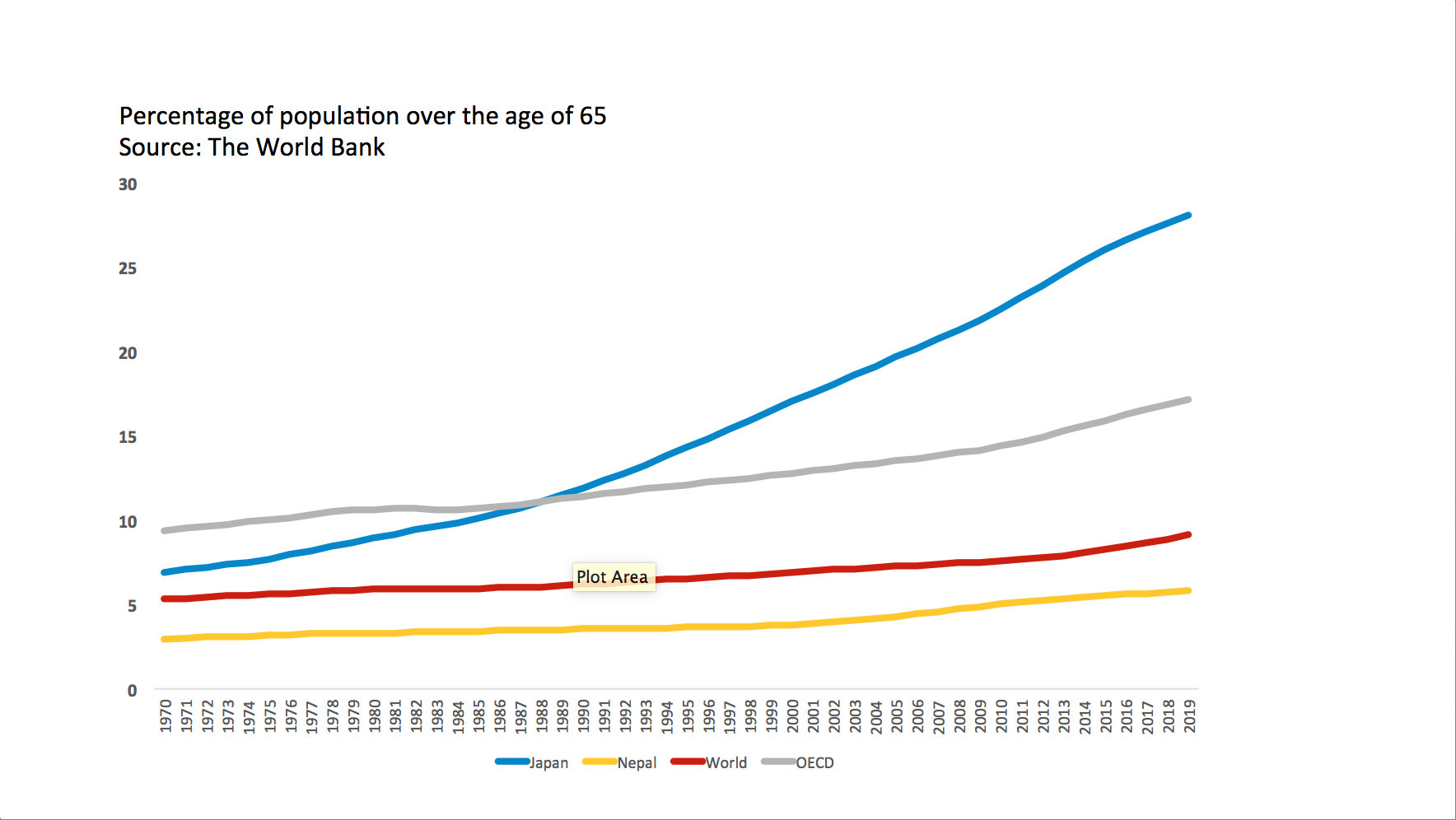
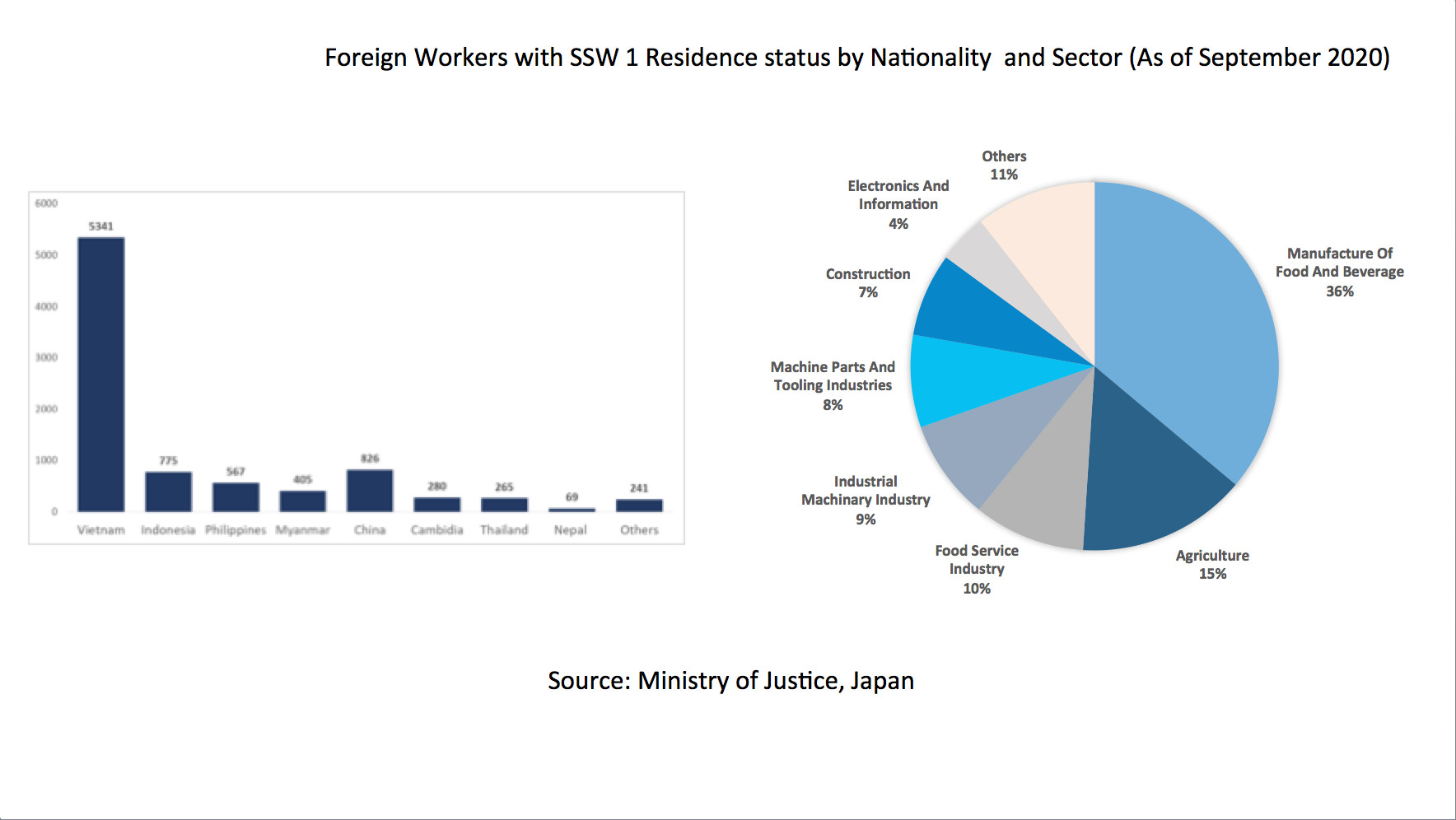
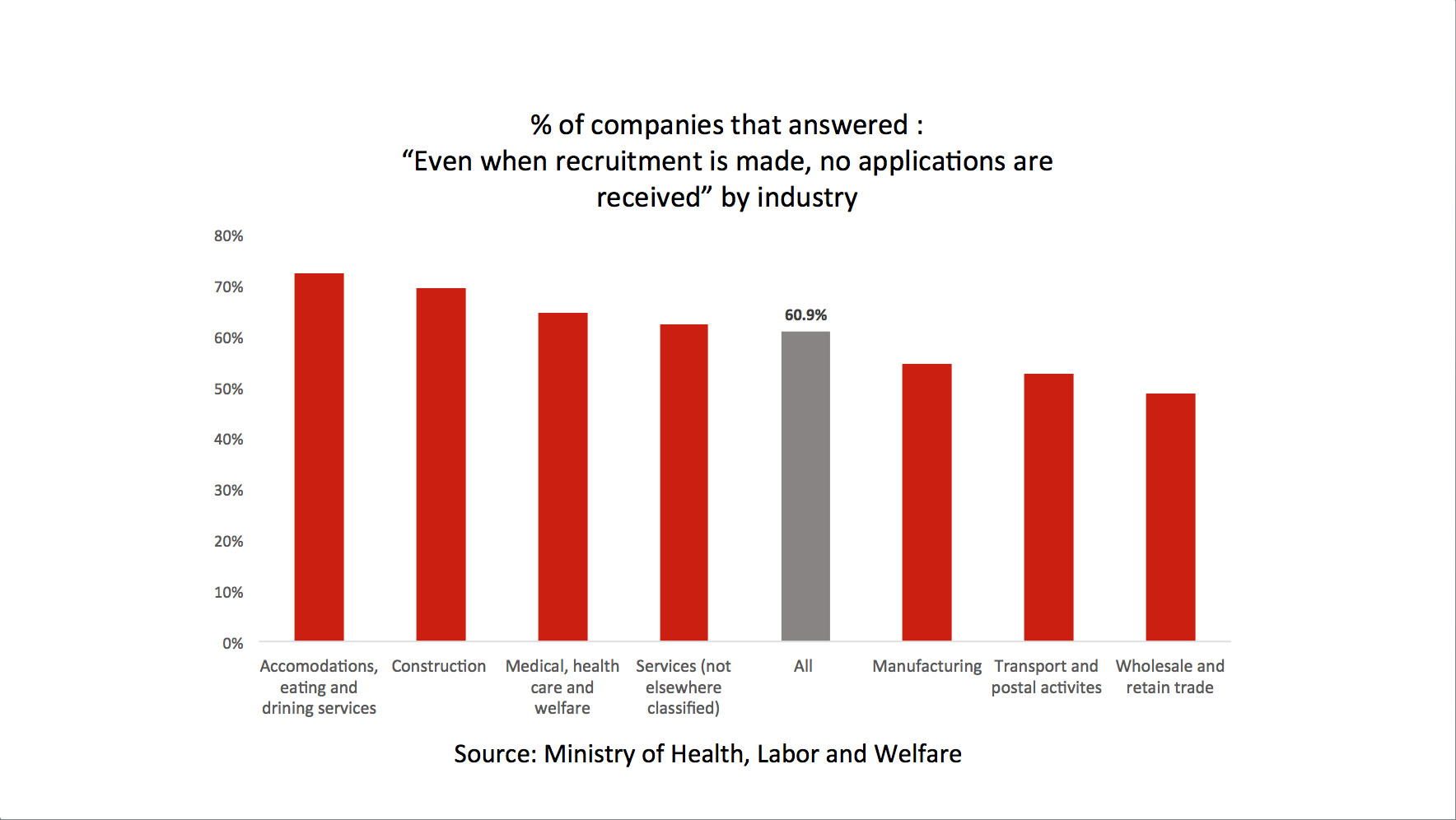
In addition to the win-win situation that such labour programs afford, by helping 14 sectors address severe worker shortages in super-aging Japan (see figure), it also allows Nepali youth to be gainfully employed at higher earnings in a secure labor market. Nepal had one more reason to be jubilant— it was the second country to sign the agreement with Japan after the Philippines.
But little did we know that almost two years down the road, Parajuli would be just one of the handful of Nepalis who would benefit from this agreement despite the head start.
The agreement was a hybrid of the existing agreements Nepal has with other countries: it was neither a purely government-to-government model like that with South Korea or Israel, nor did it allow recruiters to play a role like the agreements with Malaysia and select Gulf countries. It was signed under a government-to-business model in which the Nepal Government proposed setting up a Japan Unit at the Department of Foreign Employment (DOFE) to oversee all aspects of the SSW implementation.
On the Japan side, the government played a more hands-off role and allowed the private sector to participate including employers, recruiters and support organisations. “This mixed modality is creating widespread confusion as there is a misconception that this is a government-to-government modality, while it isn’t,” says Yuzo Yoshioka, Charge d'Affaires, Embassy of Japan in Nepal.
This government-to-business model envisioned a proactive government that would take on added responsibilities in lieu of the recruiters via the Japan Unit. It was an attempt to ensure that the flawed technical implementation experiences related to the past programs would not be further exacerbated in this model, forcing workers to pay hefty amounts to land in the destination job market. Especially, noting that the Japanese Government did not want to be involved in the cost issue but trusted the involved employer-worker to mutually agree on such details. This was viewed as risky for Nepal, given the trend of rampant malpractices that worsen with the attractiveness of destination countries.
The success of this hybrid model, however, rested on a proactive Japan Unit that imitated the private sector’s strengths in marketing, matching, information sharing and employer engagement. Most recruiters are very good at following up on these details, but these comparative advantages are obscured by the malpractices in the industry, often at the cost of the most vulnerable workers.
To be fair, the overall SSW program itself has had a rough start. The number of countries that Japan has signed agreements with has increased over the last two years with the addition of Bangladesh, Sri Lanka, Pakistan, and most recently, India. But deployment has been poor across the board.
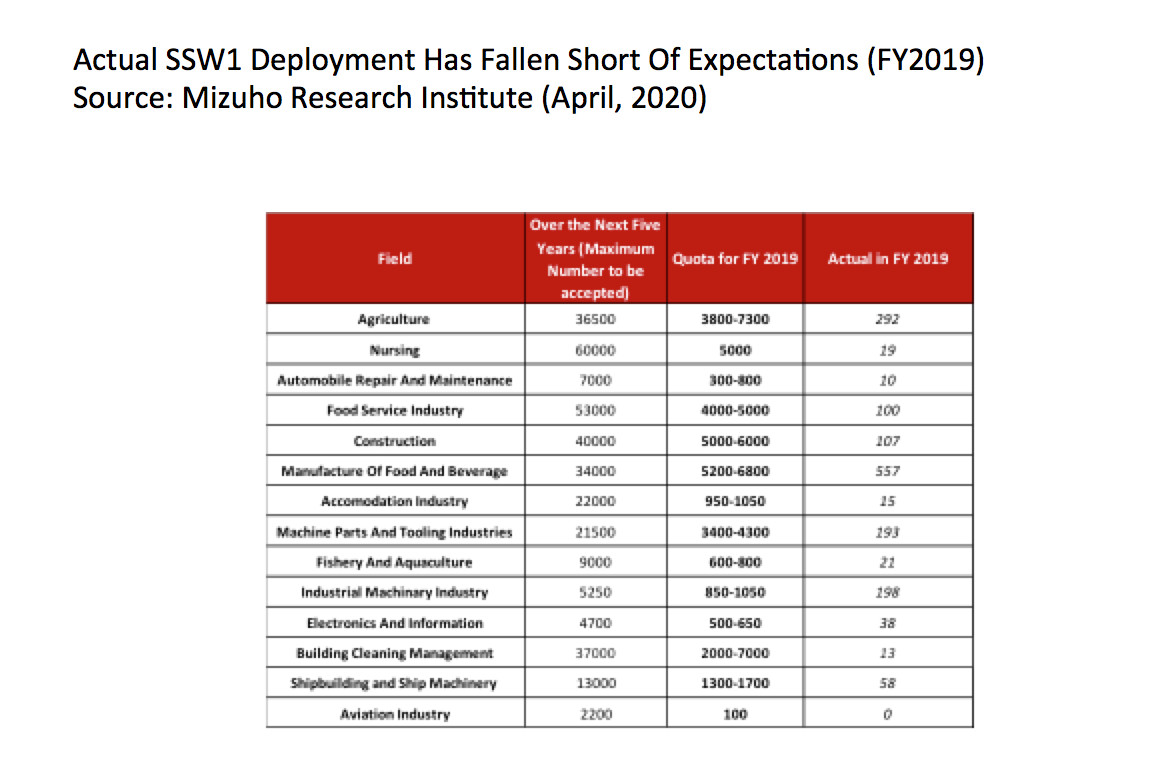
Started in April 2019, SSW1 visas have only been issued to 8,769 workers (see figure) as of September 2020, which is less than a tenth of the target. Over 60% are from Vietnam, followed by Indonesia and the Philippines. Many of them were already based in Japan under other statuses, who simply changed their residence status to SSW1. For a program that has had a bumpy start, the onset of Covid-19 further derailed progress.
Tests have been ongoing for a while now, in various countries including Nepal. While the SSW program covers 14 sectors facing worker shortages, so far, tests have been arranged only for the caregiving sector in Nepal. Tests in other sectors like the food industry and agriculture are scheduled for February and March. Japan-based Nepalis have also been taking advantage of the tests administered in Japan to enable them to switch to SSW1status.
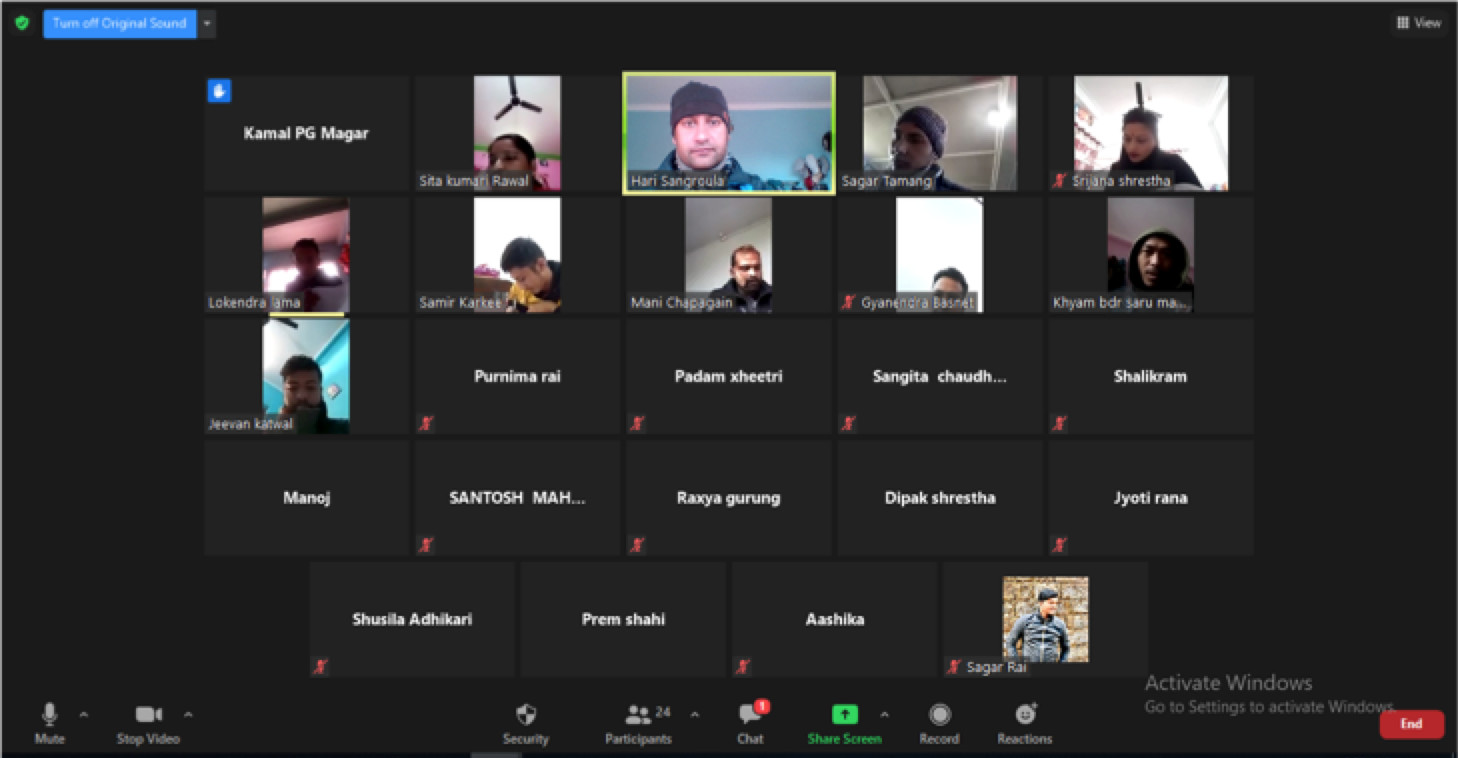
Hari Sangroula from Universal Training Center shares, “The performance of Nepali students in the exams has improved over time. Initially, there was confusion about the content and exam modality so the learning curve was steep. Performance in care worker skills exams has significantly increased, but students are still struggling with the language exams in which pass rates are relatively lower.”
Unlike in the language exam for South Korea's Employment Permit Scheme program where all eligible candidates are allowed to appear for the language exams, the number of test-takers in Japan is limited and conducted multiple times a year. “Earlier, the selection of test-takers was based on a lottery system. Now students are selected on a first-come-first-serve basis online, and it takes just a minute or two for all the available seats to fill-up which can be stressful for aspiring test-takers,” says Sangroula.
According to Yoshioka from the Japan Embassy, in the last two fiscal years, 234 Nepalis have passed the technical examination for care workers whereas 207 have passed the language exam. “So, over 200 aspirants are eligible to work as caregivers in Japan and they will have to make the effort to find suitable employment opportunities,” he says.
And therein lies the confusion, as the Japan Unit at Department of Foreign Employment (DOFE) is still not functional, whereas private sector intermediaries are barred from participating. Both employers and migrants are unfamiliar with the recruitment and employment system in the other country.
“There is a Japan Unit at DOFE, but it is not fully functional yet. The directive that will detail the mandate of the Japan Unit, including information dissemination to aspirants, coordination with employers, selection and visa processing support is being finalised at the Labor Ministry,” explains Tika Neupane, Spokesperson at DOFE.
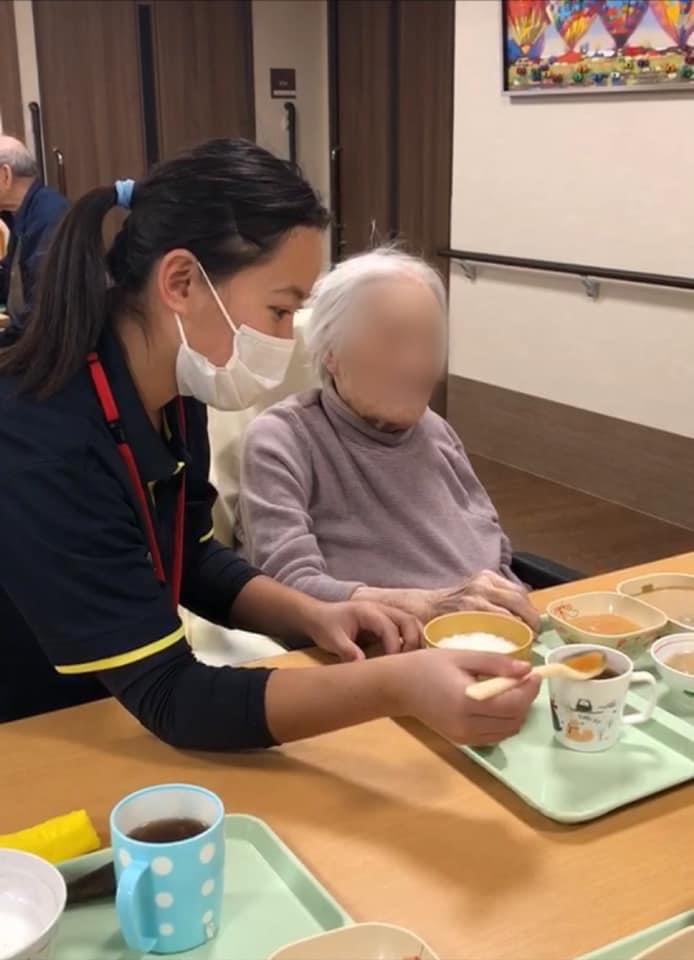 Binu Gurung working in Japan as a caregiver. PHOTO: BINU GURUNG