The viral video of health workers in Mustang passing a box of vaccines across a rain-swollen river was a rare instance in the media of Nepalis helping Nepalis during the pandemic.
Usually, on Twitter and other social media platforms, what we see are posts from Kathmandu airport of yet another consignment of medical material donated by country X or by a global organisation Y with the health minister of the day posing with diplomats.
In that video from Mustang, a health centre driver stood on one riverbank fearful of crossing the raging torrent and slid a metal rod through the handle of a box of Covid-19 vaccines. Then, with the help of a passer-by, he forwarded the box to another health worker on the opposite side. The video was retweeted by WHO Chief Dr. Tedros Adhanom Ghebreyesus, who praised the workers.
This is how far #healthworkers go to save lives. Is it fair that in many places these heroes have still not been vaccinated?
— Tedros Adhanom Ghebreyesus (@DrTedros) June 17, 2021
It is in our power and our duty to do everything we can to deliver #VaccinEquity! If not now, when?https://t.co/Dm1YVbc9uB
Foreign assistance to help Nepal cope with the pandemic is of course positive (lack of vaccines aside) because the Nepal government has simply been unable to meet demands for oxygen, hospital beds and medical supplies.
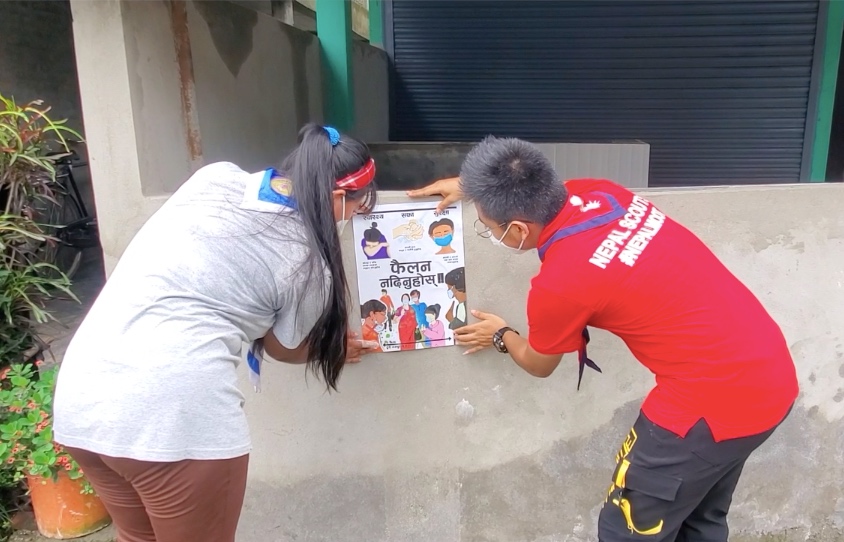
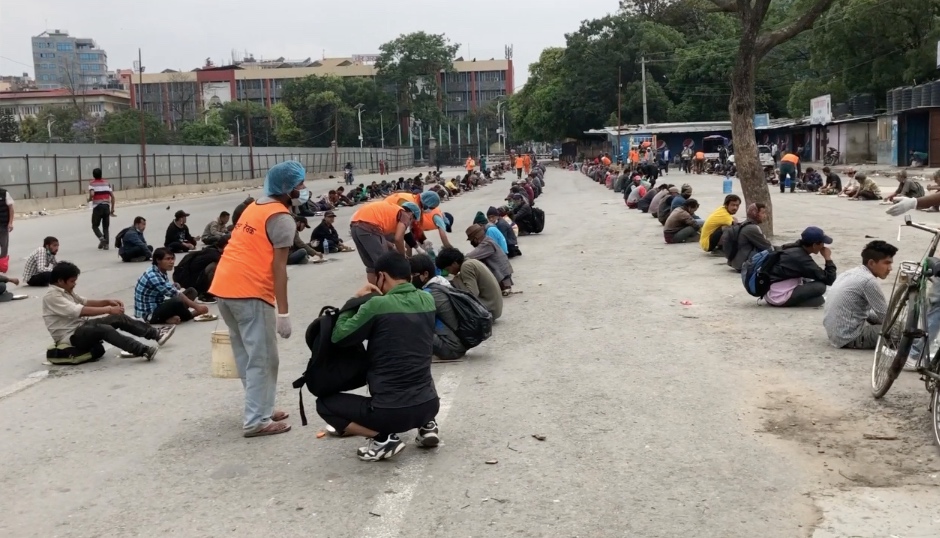
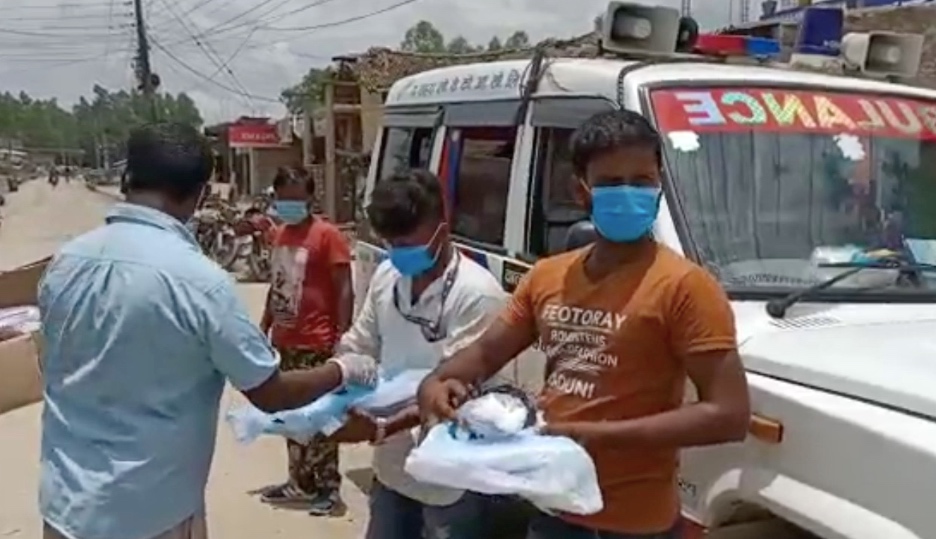
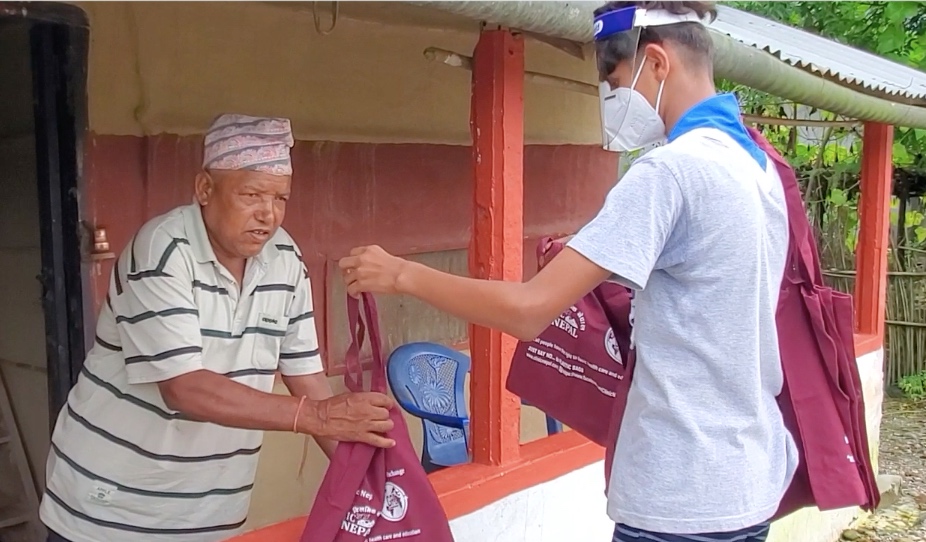
Yet, Nepalis know better than anyone that the mutual aid response we are witnessing during Covid-19 is nothing new: family, friends, neighbours, and others, spring to action annually when the monsoon unleashes landslides and floodwaters, and after other disasters like the 2015 earthquakes.